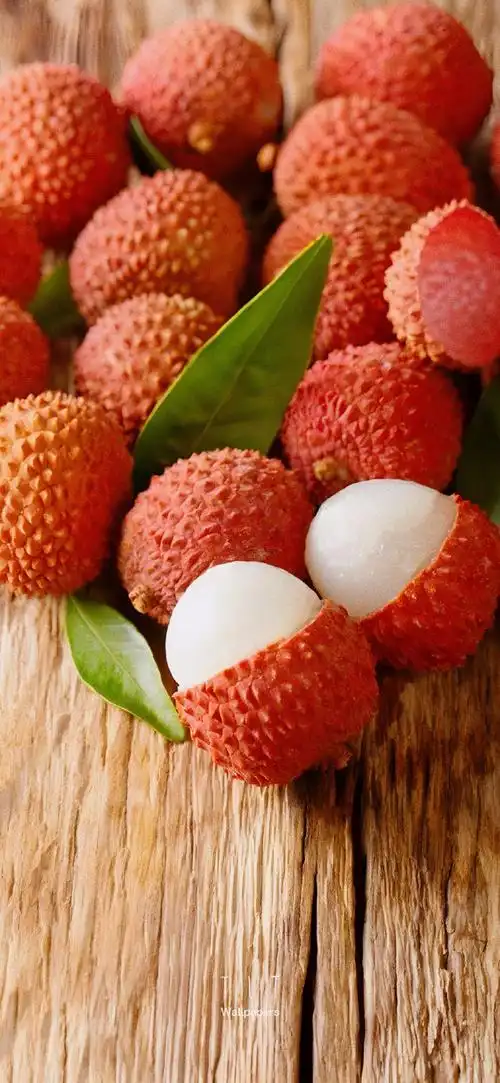
China lychee supplier
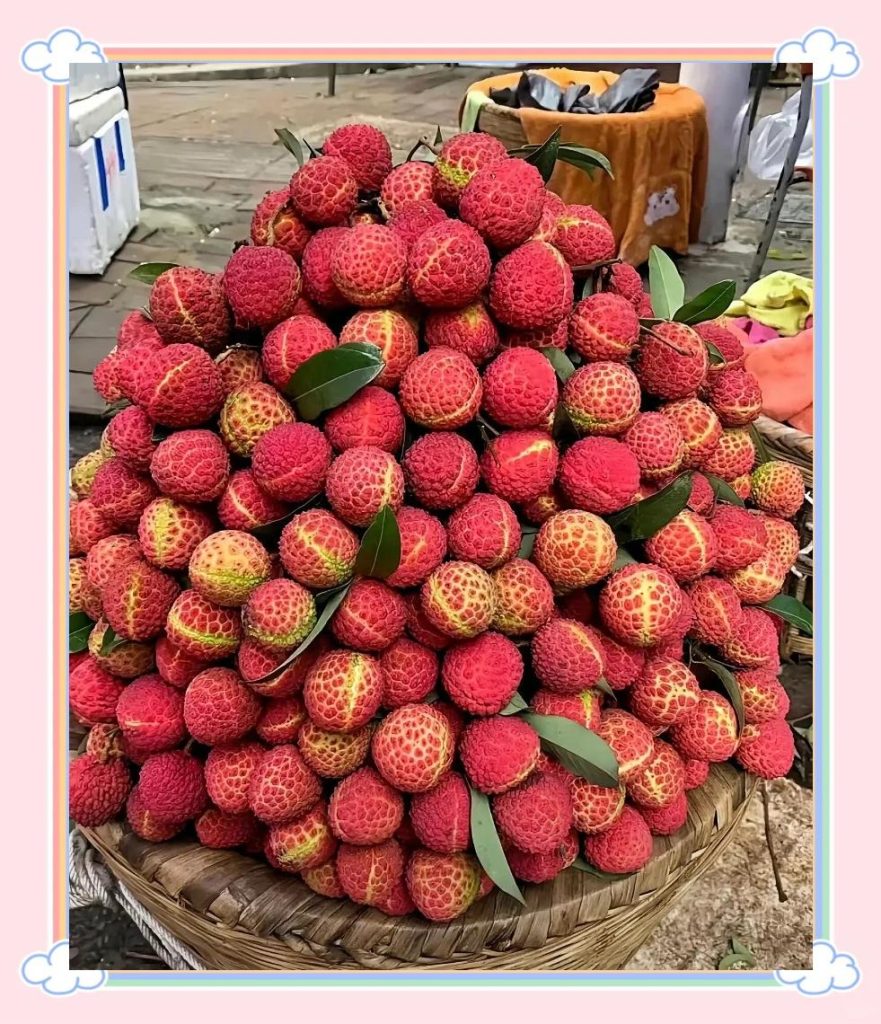
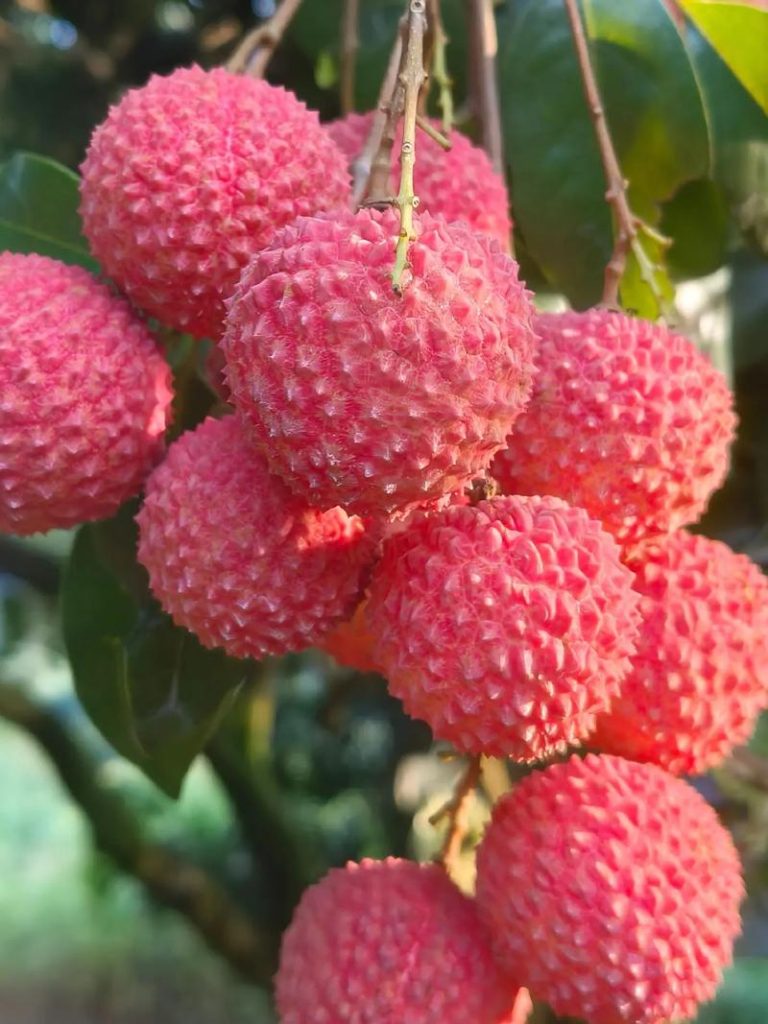
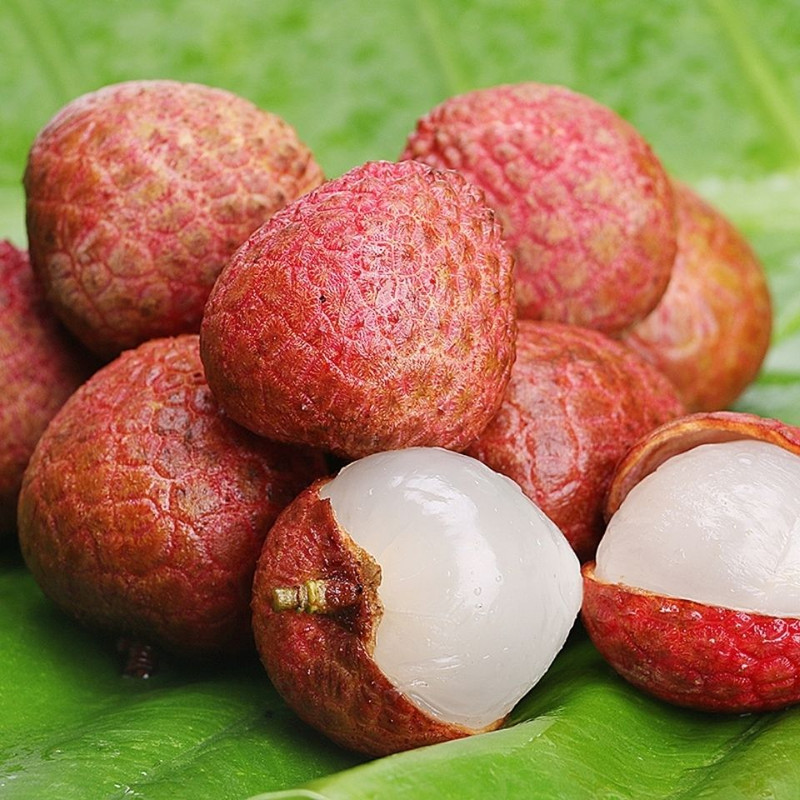
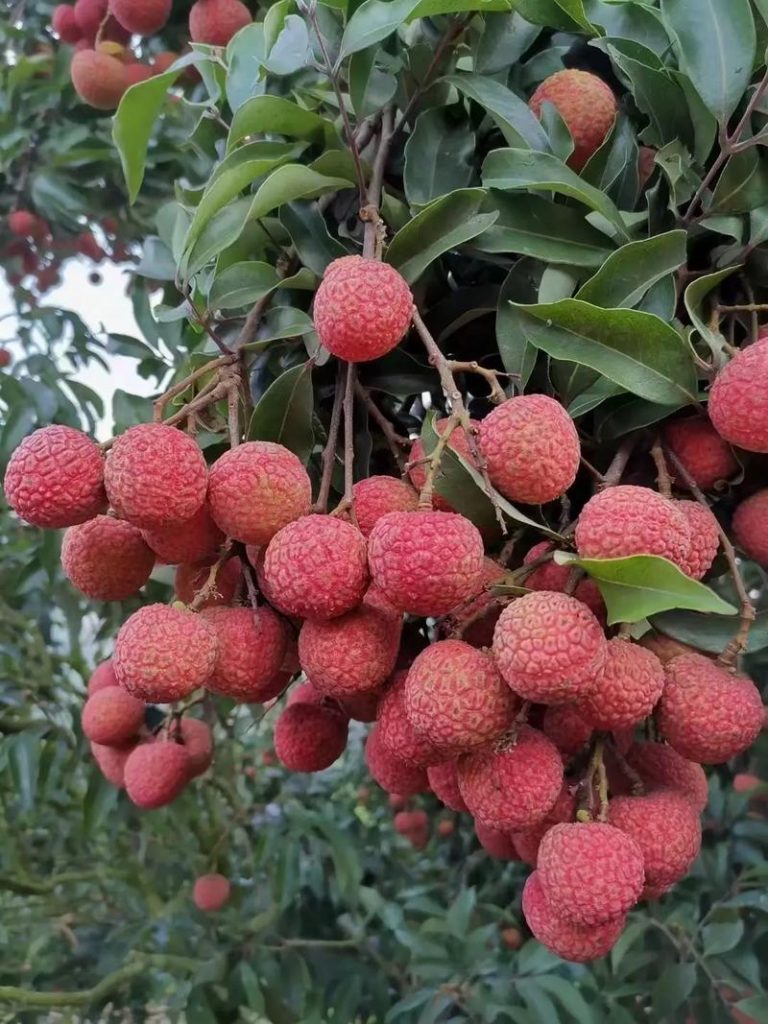
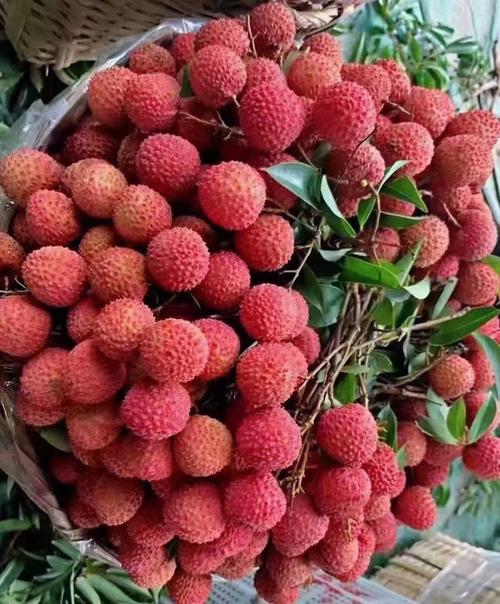
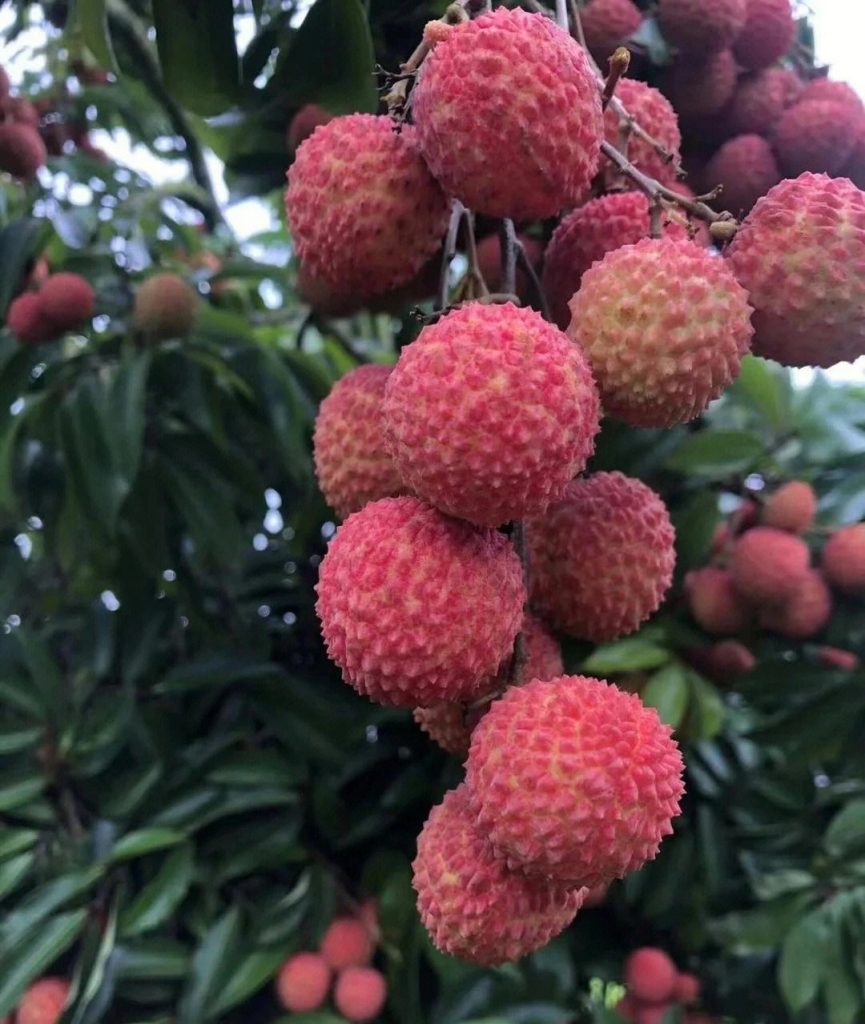
China accounts for roughly 60–70% of global lychee production, yet for many international buyers, sourcing directly from the origin remains opaque. This article breaks down how the real supply base operates, what determines fruit quality and shelf life, and how professional importers structure orders without relying on recycled marketing copy.
1) Where the Fruit Actually Grows (and Why It Matters)
Unlike generic “China supplier” listings, the industry is geographically specialized:
-
Guangdong (mainstream volume): The largest producing province. Early-season and mid-season cultivars dominate here, supplying both fresh export and processing channels.
-
Guangxi (growing export capacity): Increasingly organized farms with good logistics access to ports.
-
Hainan (early season advantage): Offers the earliest harvests due to warmer climate, often commanding premium pricing.
-
Fujian (niche, high-end fruit): Smaller volumes, often associated with boutique cultivars preferred by high-end Asian markets.
The rule of thumb: origin defines harvest window, flavor profile, and logistics feasibility. A serious supplier will always specify orchard location, not just “China lychee.”
2) Cultivar Strategy: Not All Lychees Are Equal
Professional suppliers classify lychees by market fit, not just taste:
| Cultivar | Key Traits | Typical Market |
|---|---|---|
| Guiwei (桂味) | Crisp texture, intense floral aroma, smaller seed | Premium fresh export |
| Nuomici (糯米糍) | Very sweet, soft flesh, small seed | High-end retail |
| Feizixiao (妃子笑) | Bright red-green skin, balanced sweetness, early season | Supermarkets, wholesale |
| Heiye (黑叶) | Dark green leaves, moderate sweetness, stable yield | Processing, lower-price fresh |
A reliable supplier will help you match cultivar to market tolerance rather than pushing whatever is cheapest that week.
3) How the Supply Chain Works (Beyond the Orchard)
Pre-Harvest Control
-
Maturity monitoring: Sugar levels (Brix), skin color, and seed development determine picking dates.
-
Rainfall risk management: Harvesting before or after rainy periods drastically affects post-harvest rot rates.
Post-Harvest Handling (Where Most Failures Happen)
-
Immediate cooling: Field heat must be removed within hours to delay pericarp browning.
-
Fungicide dipping (where permitted): Regulated use depending on destination market.
-
Packaging format:
-
Retail-ready punnets (500g–1kg) with modified atmosphere packaging (MAP) for supermarkets
-
Bulk cartons (3–5kg) for wholesalers and repackers
-
Cold Chain Logistics
-
Air freight: Mainland China → Southeast Asia (24h), Middle East (36–48h), Europe/North America (48–72h).
-
Reefer containers: Used mainly for processed lychees or long-transit destinations with tolerant cultivars.
4) Compliance & Documentation (Non-Negotiable)
Fresh lychee exports require market-specific paperwork:
-
Phytosanitary certificate issued by Chinese authorities
-
Origin declaration
-
Cold treatment records (if required by destination country)
-
Pesticide residue testing reports aligned with importing country MRLs
A supplier who cannot clearly explain these documents is not export-ready.
5) Pricing Logic Importers Must Understand
Price is driven by:
-
Cultivar scarcity (Guiwei > Nuomici > Feizixiao > Heiye)
-
Harvest timing (early season = higher price, peak season = lower)
-
Export grade (size uniformity, skin integrity, sugar level)
-
Logistics mode (air freight doubles landed cost compared to sea freight for processed fruit)
Transparent suppliers provide FOB or CIF breakdowns showing fruit cost, packing cost, and transport cost separately.
6) Red Flags vs Green Flags
| Red Flags | Green Flags |
|---|---|
| Cannot name specific cultivars | Clearly matches cultivars to your market |
| No cold chain explanation | Explains pre-cooling and transit temperature control |
| Only offers “mixed lychee” | Offers structured grading (size, sugar level) |
| Vague on pesticide compliance | Provides recent residue test reports |
| No phytosanitary experience | Has shipped to your target country before |
FAQ (Based on Real Importer Questions)
Q1: When is the best time to import Chinese lychees?
For most markets, May to July covers the main fresh season. Hainan starts earlier (April–May), while Guangdong peaks in June.
Q2: Which cultivar lasts longest during transit?
Feizixiao generally handles air freight better than softer cultivars like Nuomici, but proper pre-cooling and MAP packaging significantly extend shelf life across all types.
Q3: Can I mix cultivars in one shipment?
Technically yes, but most importers separate them by cultivar to avoid quality complaints and simplify retail pricing.
Q4: What certifications should I request?
At minimum: phytosanitary certificate, pesticide residue report aligned with your country’s MRLs, and origin certificate. Organic certification is available but rare and expensive.
Q5: How do I verify supplier reliability without visiting China?
Request recent shipment photos (orchard, packing house, cold storage), speak directly with their export documentation officer, and ask for references from buyers in similar markets.
Q6: What’s the biggest mistake new importers make?
Booking large volumes without confirming cold chain integrity and cultivar suitability, leading to high spoilage and customer complaints.


No reply content