
China computer manufacturers

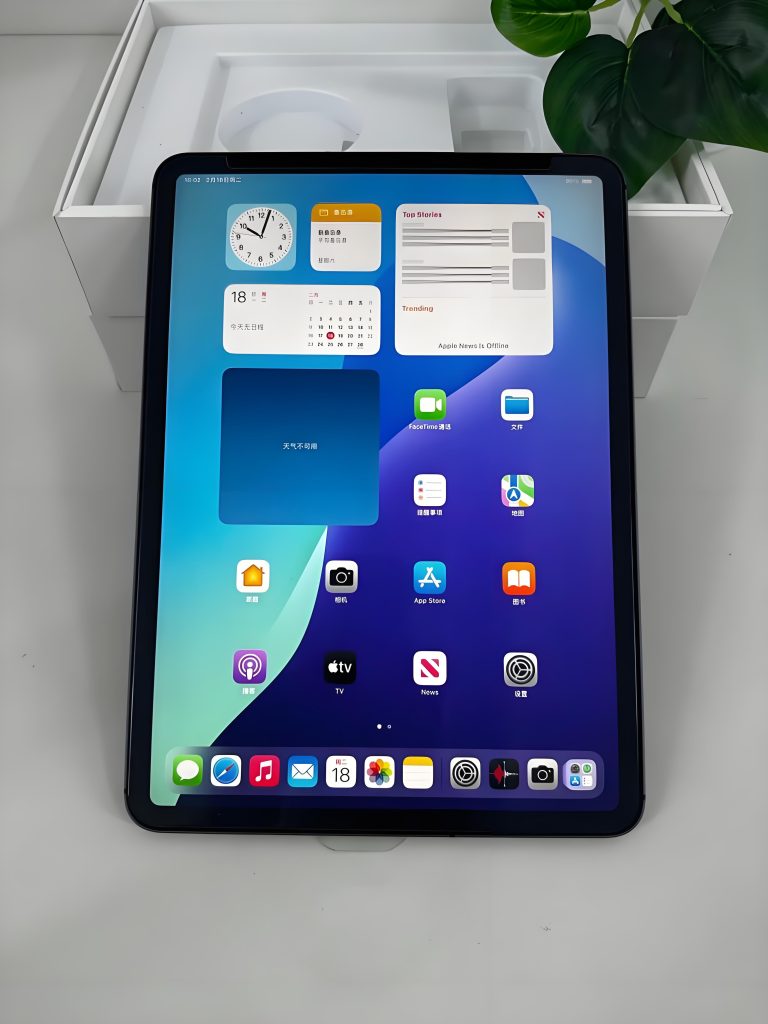
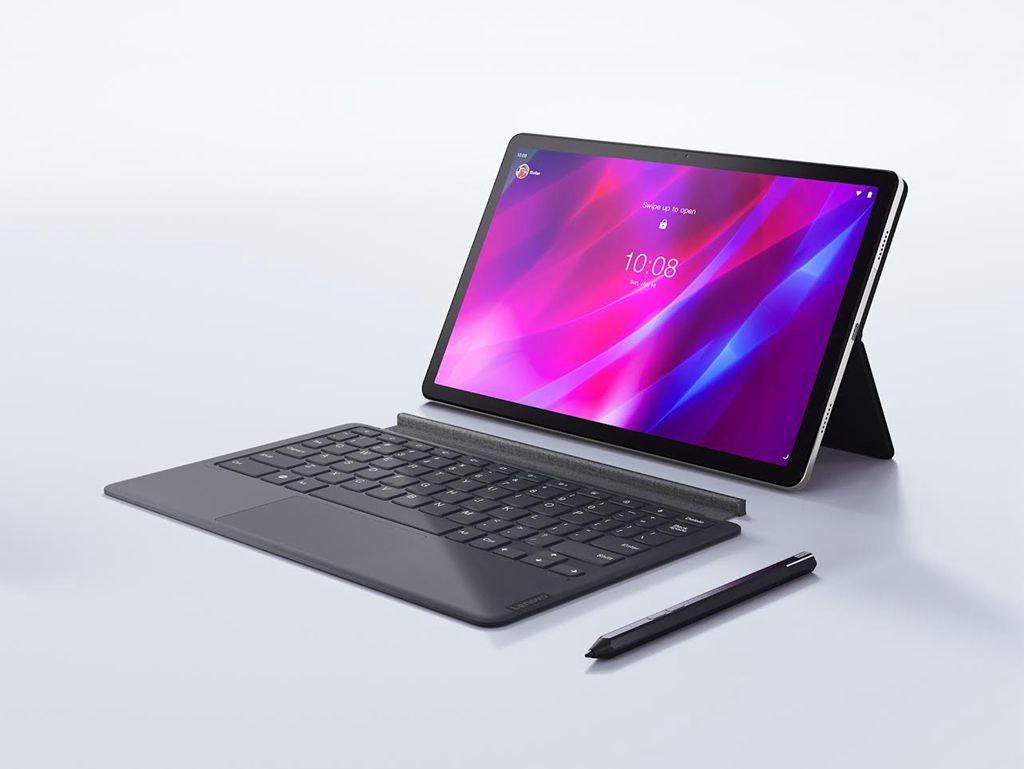
China remains the world’s primary manufacturing hub for tablet PCs, ranging from low-cost educational devices to high-performance Android and Windows-based systems. For importers, the challenge is not finding a supplier—it is identifying which type of supplier matches your product positioning, compliance requirements, and long-term support expectations.
1) Structure of the Supply Base
The tablet industry in China is tiered by engineering capability, not just price:
-
Tier 1 – Brand ODMsThese factories design and manufacture for well-known global brands. They offer turnkey platforms, strong quality systems, and deep regulatory expertise (FCC, CE, UKCA, KC, etc.). Best suited for retailers, telecom operators, and enterprise clients.
-
Tier 2 – Mid-Tier ODM/OEMsFlexible manufacturers serving private-label brands and regional distributors. Capable of customization (ID design, packaging, software branding), but buyers must manage specifications carefully to avoid component downgrades.
-
Tier 3 – Trading Companies & Small AssemblersMostly resellers or light assemblers sourcing from Shenzhen’s electronics ecosystem. Useful for small trial orders, but risky for long-term programs requiring certification maintenance and after-sales support.
Most professional buyers work with Tier 1 or Tier 2, depending on volume and customization needs.
2) Key Subsystems That Define Quality
When evaluating a supplier, you are actually evaluating five core subsystems:
SoC Platform (Performance & Software Lifecycle)
-
Entry-level: Allwinner, Rockchip, Unisoc (cost-effective, mature Android support)
-
Mid-to-high: MediaTek, Qualcomm Snapdragon (better performance, longer software support)
-
Windows tablets: Intel N-series or Core-class processors
A reliable supplier can clearly explain Android version roadmap, security patch commitments, and Google Mobile Services (GMS) certification status.
Display & Touch
-
Panel size (7″, 8″, 10.1″, 11.6″, 13.3″+)
-
Resolution (HD, FHD, 2K)
-
IPS vs TN panels (IPS dominates export-grade tablets)
-
Touch controller quality (ghosting, palm rejection if stylus-supported)
Battery & Power System
-
Cell grade (brand-name cells vs unknown cells)
-
Protection board (overcharge, over-discharge, short-circuit protection)
-
Charging speed (5V/2A, 9V/2A, USB-C PD)
Mechanical Design & Durability
-
Housing material (ABS vs PC+ABS, matte vs glossy finish)
-
Drop-test capability (especially for education/kids tablets)
-
Thermal management (heat dissipation affects CPU throttling)
Software & Compliance
-
Clean Android builds vs heavily customized UI
-
GMS certification (essential for Google Play access)
-
Regulatory documentation (SAR testing, RF reports, DoC, technical files)
3) How a Professional Tablet Project Runs
A structured program typically follows this flow:
-
Specification FreezeDefine OS, screen size, memory/storage, connectivity (Wi-Fi only or 4G/5G), battery capacity, and target certifications.
-
Platform SelectionThe supplier proposes a reference design close to your spec. Changing SoC later is costly—this step must be deliberate.
-
EVT (Engineering Validation Test)Prototype units for hardware verification, display calibration, and RF tuning.
-
DVT (Design Validation Test)Small pilot run focusing on thermal performance, drop tests, and software stability.
-
Certification PhaseLab testing for target markets (FCC/IC for North America, CE for EU, etc.). Firmware and hardware must remain frozen during this stage.
-
MP (Mass Production)Full-scale assembly with IQC, IPQC, and OQC checkpoints. Reliable suppliers provide burn-in testing and sample tear-down reports.
4) Common Cost Drivers Buyers Underestimate
-
Memory grade: eMMC vs UFS storage affects speed and longevity.
-
Panel quality: Same size/resolution can vary widely in brightness and color gamut.
-
Wireless modules: Certified Wi-Fi/BT/GPS modules add cost but ensure compliance.
-
Software maintenance: Ongoing Android security patches are often overlooked in initial pricing.
5) Red Flags vs Green Flags
| Red Flags | Green Flags |
|---|---|
| Cannot explain Android version roadmap | Clear OS upgrade & security patch policy |
| Offers “GMS included” without certification proof | Provides valid GMS license documentation |
| Uses vague terms like “high-quality screen” | Specifies panel brand/model, brightness (nits) |
| No burn-in or aging test mentioned | Documents burn-in duration and failure criteria |
| Extremely low price with no engineering support | Transparent about trade-offs between cost and spec |
FAQ (Buyer-Focused)
Q1: What is the typical MOQ for custom tablets in China?
For private-label projects based on an existing ODM platform, MOQ often starts around 1,000–3,000 units. Fully custom industrial designs usually require 5,000–10,000+ units to justify tooling and NRE costs.
Q2: How long does it take to develop a new tablet model?
A standard ODM-based project takes 3–5 months from specification freeze to mass production. Fully custom mechanical designs can extend to 6–9 months.
Q3: Can I remove Google services to lower cost?
Yes, but only if your target market allows AOSP (Android Open Source Project) without GMS. Many markets (Europe, Latin America, Asia) expect full GMS support.
Q4: What certifications are absolutely necessary?
At minimum:
-
FCC / IC for North America
-
CE + UKCA for Europe/UK
-
KC for South Korea
-
SRRC / CCC for China domestic salesWireless features trigger additional RF and SAR testing.
Q5: How do I protect my software/IP?
Work with suppliers under a Mutual NDA, restrict firmware flashing tools, and request secure boot implementations. Avoid sharing final software on unsecured channels.
Q6: What after-sales support should I expect?
Professional suppliers offer 1–2% spare parts allocation, firmware bug fixes, and documentation updates. Long-term support is more important than initial unit price.


No reply content