
Power Strip Supplier in China
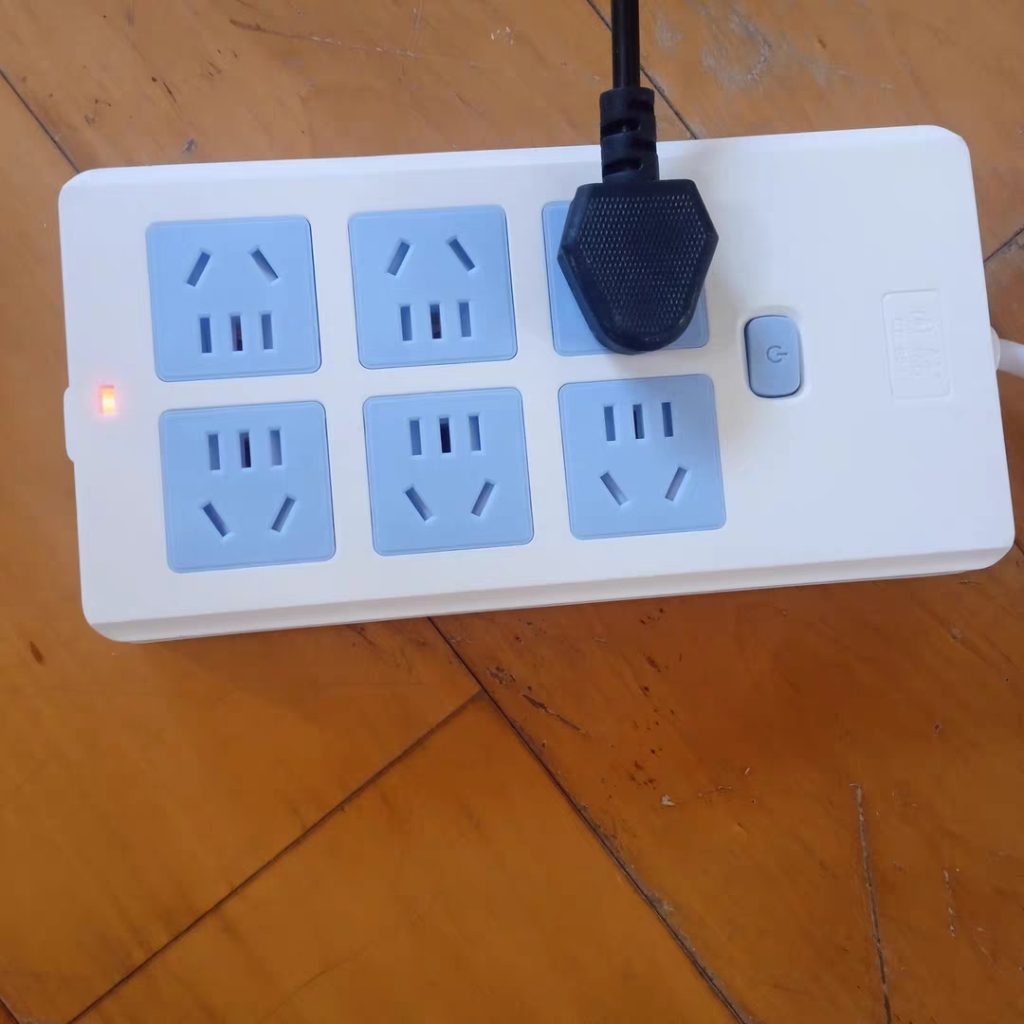
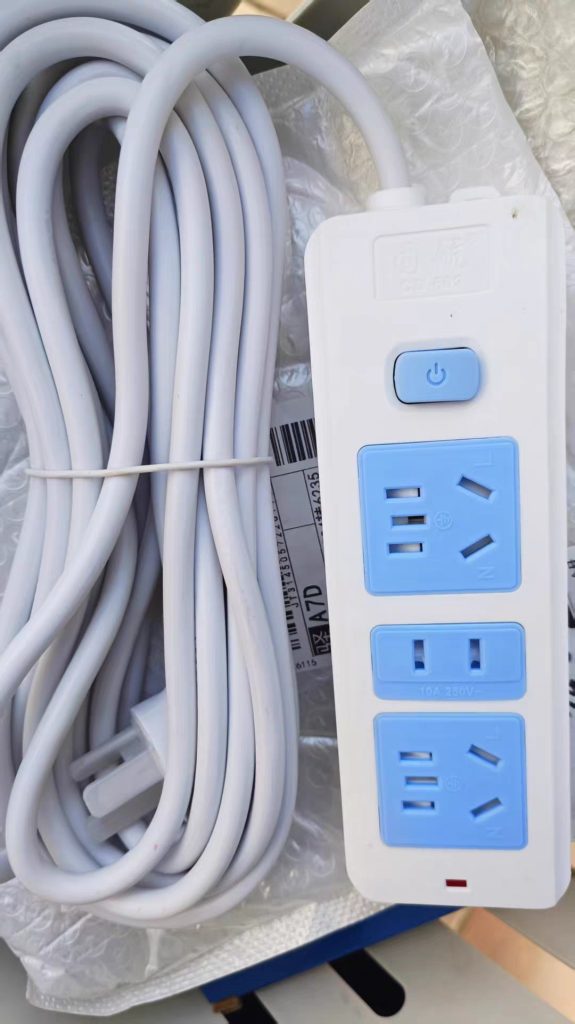
Chinese power strip exporters operate at the intersection of manufacturing, global compliance, and cross-border logistics. Unlike suppliers who focus solely on production, exporters specialize in bridging the gap between factories and international markets—handling certification alignment, documentation, and risk mitigation for buyers who lack local expertise. This article pulls back the curtain on how these exporters work, what separates reliable partners from transactional sellers, and the unspoken realities of exporting power strips from China.
1. The Role of a Power Strip Exporter: More Than Just a Middleman
Exporters are not simply “resellers with passports.” Their core value lies in market-specific adaptation. A factory might produce a technically sound power strip, but an exporter ensures it meets the regulatory, cultural, and commercial demands of a target market:
-
Regulatory Translation: Converting factory specs into compliance with destination standards (e.g., adjusting cord length for U.S. NEC rules or adding childproof shutters for EU EN 62606).
-
Documentation Stewardship: Managing test reports, certificates, and customs paperwork (e.g., ensuring CE DoCs include correct directive references or UL reports list the exact SKU shipped).
-
Risk Buffering: Absorbing risks like production delays, container shortages, or post-shipment compliance disputes (e.g., handling a retailer’s request for additional EMC testing mid-shipment).
In short: Exporters turn “factory output” into “market-ready goods.”
2. How Exporters Build Their Supply Chains
Reliable exporters don’t work with “any factory.” They curate networks based on three criteria:
a. Specialization by Market
Exporters often focus on 1–2 regions (e.g., North America, EU, Southeast Asia) to master their rules. A U.S.-focused exporter, for example, maintains relationships with UL-authorized factories and understands NRTL mark requirements, while an EU-focused one prioritizes CE technical files and RoHS compliance.
b. Vertical Integration (or Lack Thereof)
Top-tier exporters avoid over-reliance on single factories. Instead, they partner with:
-
Tooling specialists (for custom housing molds).
-
Component suppliers (e.g., copper contact makers in Zhejiang, cable manufacturers in Guangdong).
-
Testing labs (to pre-verify compliance before official audits).
This分散 (decentralized) approach prevents bottlenecks—if one factory faces delays, the exporter shifts production to another without disrupting delivery.
c. “Hidden” Quality Controls
Exporters enforce checks factories might skip:
-
Pre-production sample validation: Testing prototypes for real-world use (e.g., plugging in bulky laptop adapters to ensure outlet spacing doesn’t cause overheating).
-
In-process audits: Randomly visiting factories during production to confirm BOM consistency (e.g., checking if the specified V-0 housing is used, not cheaper V-2).
-
Post-production batch testing: Sending 5% of each batch to third-party labs for “spot checks” (even if the factory has its own QC).
3. The Unseen Challenges Exporters Navigate
Exporting power strips involves far more than moving boxes. Here are three under-discussed hurdles:
a. Regulatory Drift
Standards evolve faster than factories update. For example, when the EU revised EN 62606 (child resistance) in 2023, exporters had to re-tool shutters for 30% of their SKUs—while ensuring old stock didn’t mix with new. Those who failed faced customs seizures.
b. Logistics Fragility
Power strips are “bulky but light,” making them vulnerable to shipping cost spikes. Exporters mitigate this by:
-
Negotiating annual freight contracts with carriers.
-
Using “kitting” (packing strips with accessories like cable ties) to maximize container space.
-
Diversifying ports (e.g., avoiding Ningbo during peak season congestion).
c. Post-Sale Liability
If a power strip fails and causes damage, the exporter—not the factory—often fields legal claims. This drives exporters to:
-
Require factories to sign “liability transfer” agreements.
-
Carry product liability insurance (a cost rarely passed to buyers).
-
Maintain batch records for 7+ years (to trace defects to specific production runs).
4. How to Identify a Reliable Exporter (Beyond Sales Talk)
Forget flashy websites. Look for these signs:
| Red Flag | Green Flag |
|---|---|
| Promises “universal certification” (e.g., “CE works everywhere”). | Explains exactly which certifications apply to your target market (e.g., “For Germany, we’ll add GS mark alongside CE”). |
| Offers “free samples” but can’t provide test reports. | Charges for samples but includes a detailed compliance dossier (test summaries, label drafts, DoC template). |
| Avoids discussing post-shipment support. | Outlines a clear protocol for returns, replacements, or retesting if issues arise. |
FAQ: Real Questions Buyers Ask Exporters
Q1: Do I need to work with an exporter, or can I buy directly from a factory?
If you have in-house compliance experts and logistics teams, direct sourcing works. Otherwise, exporters save time and reduce risk—especially for small-to-mid-sized orders (<50k units/year). They handle the “invisible work” (customs clearance, certification updates) so you focus on sales.
Q2: How do exporters price their services?
Most add a 10–25% margin to factory costs, covering compliance, logistics, and risk. Avoid exporters with margins >30% unless they offer unique value (e.g., exclusive access to patented designs).
Q3: Can exporters customize power strips for niche uses?
Yes—but customization depth depends on order size. For 5k+ units, exporters can adjust outlet spacing, add USB-C PD (up to 100W), or integrate smart features (Wi-Fi/Bluetooth). For <1k units, stick to logo/packaging tweaks.
Q4: What’s the biggest mistake buyers make with exporters?
Assuming “cheaper = better.” A low-cost exporter might cut corners on compliance (e.g., using fake test reports) to win bids. Always verify their track record: Ask for references from buyers in your market, and confirm they’ve shipped similar products for 3+ years.
Q5: How long does exporting take from order to delivery?
Typical timelines:
-
Sampling: 7–14 days.
-
Production: 30–45 days (standard) or 60+ days (custom tooling).
-
Shipping: 20–40 days (sea) or 3–7 days (air).Exporters who promise “15-day delivery” for custom orders are likely cutting safety steps.
Chinese power strip exporters are not just “sellers”—they’re partners in navigating a complex global market. By understanding their role, challenges, and what to look for, you’ll avoid costly mistakes and build a supply chain that delivers safe, compliant products—every time.


No reply content