
Decorative wall panels, PVC wall panels for home decoration
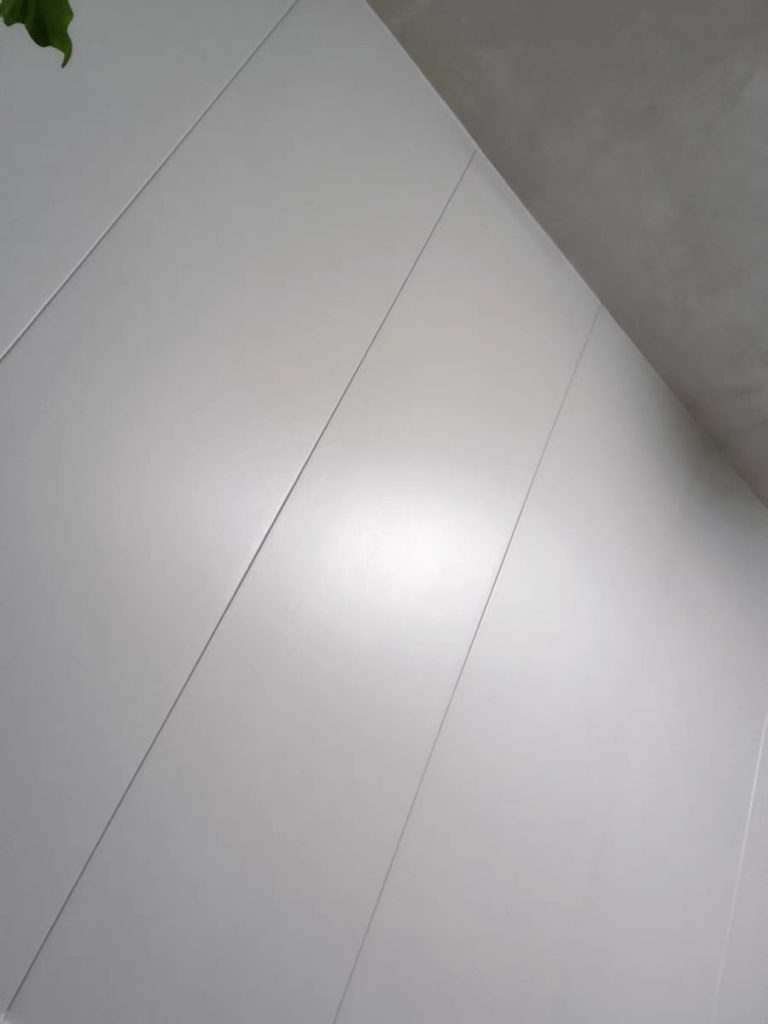
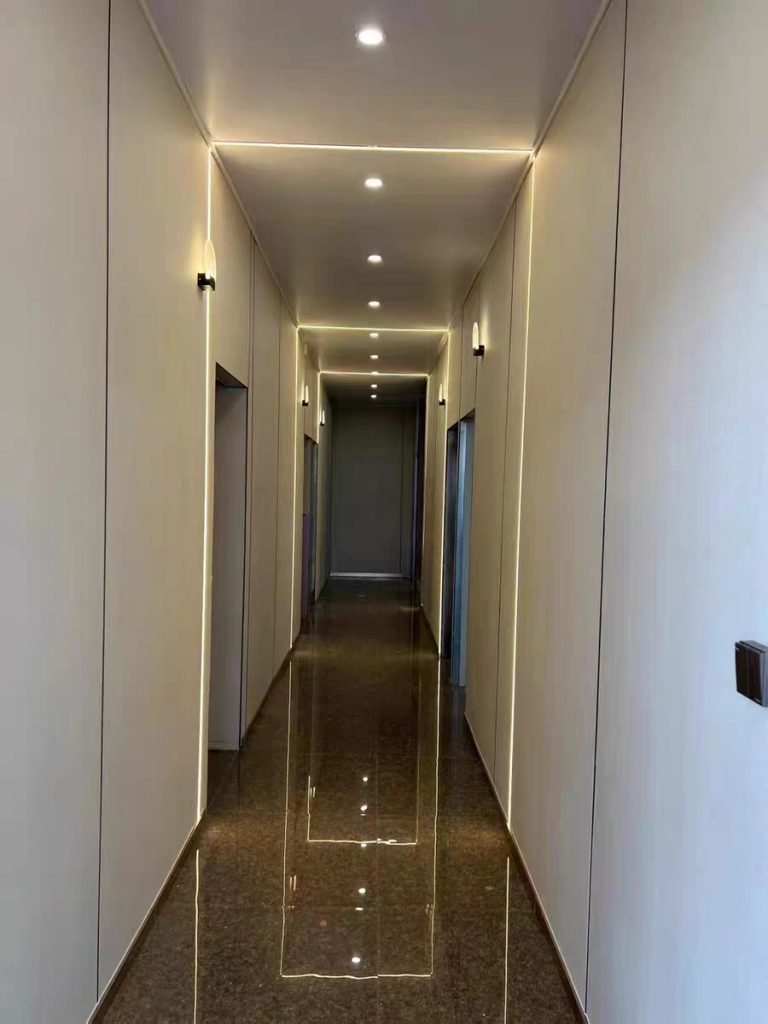
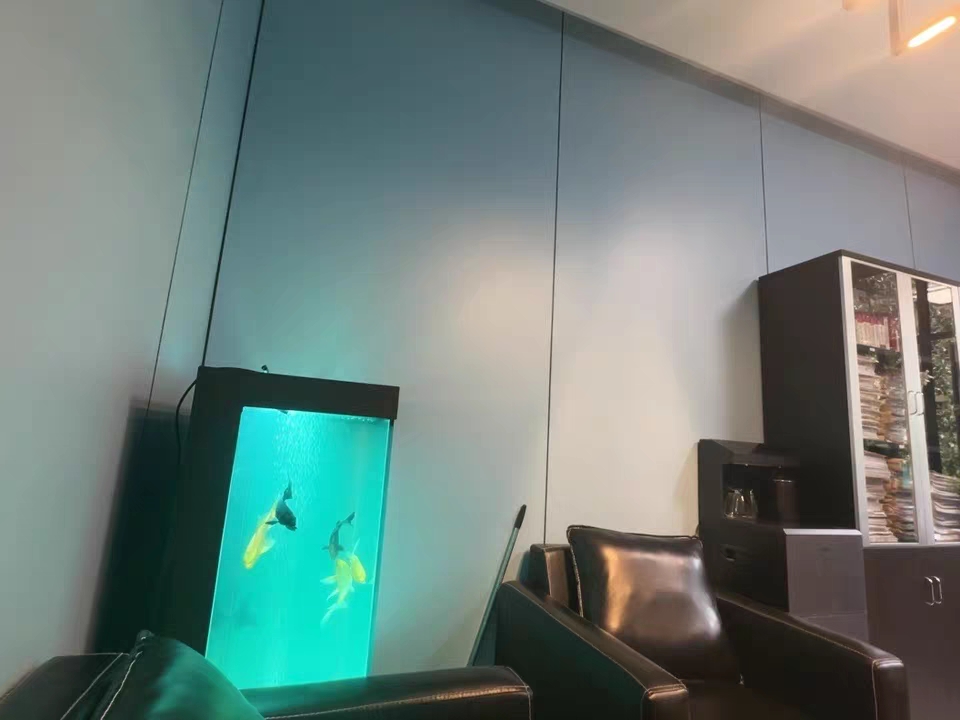
Interior Wall Cladding: The Silent Transformer of Modern Interiors
Walk into any thoughtfully designed space—a cozy apartment, a sleek office, or a vibrant café—and chances are, the walls are doing more than just holding up the ceiling. They’re curating ambiance, absorbing noise, and standing up to daily life’s wear and tear. Enter interior wall cladding: a dynamic, multifunctional solution that has evolved from a niche finishing material to a cornerstone of contemporary interior design. Far more than “pretty panels,” modern cladding blends artistry with engineering to redefine how we experience and interact with our built environments.
What Is Interior Wall Cladding? Beyond Aesthetics
At its simplest, interior wall cladding is a layered finish applied over a wall substrate (drywall, concrete, or brick) to enhance both form and function. Historically associated with luxury (think marble or timber veneers), today’s cladding spans a spectrum of materials—fiber cement, recycled composites, acoustic foams, and even bio-based panels—each engineered to solve specific challenges. Whether the goal is to mute office chatter, resist bathroom mold, or mimic the warmth of oak without the upkeep, cladding delivers targeted solutions without compromising design.
Why Cladding Matters: 4 Non-Negotiable Advantages
In an era where “good enough” no longer cuts it, cladding’s value lies in its ability to address multiple pain points simultaneously:
🎨 Design That Speaks Volumes
Cladding is a designer’s playground. Manufacturers now offer panels in:
-
Textures: Brushed metal, rough-hewn stone, or soft linen-like finishes.
-
Patterns: Geometric grids, organic wood grains, or custom prints (think city skylines or abstract art).
-
Colors: From muted earth tones to bold jewel hues, with many options available pre-pigmented for seamless integration.This flexibility lets spaces tell a story—from a minimalist loft’s clean lines to a boutique hotel’s eclectic vibe.
🔇 Silence the Chaos
Open-plan living, shared offices, and bustling retail spaces often suffer from acoustic fatigue. High-quality cladding tackles this head-on:
-
Fiber cement panels with porous cores absorb 60–80% of mid-frequency noise (like voices or clattering dishes).
-
Acoustic foam-backed cladding goes further, reducing reverberation time in theaters or music studios.The result? Calmer homes, more focused workplaces, and more immersive dining experiences.
🛡️ Built to Outlast Trends
Unlike paint (which chips) or wallpaper (which peels), cladding is a long-term investment:
-
Moisture resistance: Ideal for bathrooms, kitchens, or basements—no more moldy patches or bubbling paint.
-
Scuff-proof: Furniture bumps, pet claws, or accidental spills glide off durable surfaces like fiber cement or PVC.
-
Timeless appeal: Neutral tones and classic textures ensure cladding ages gracefully, avoiding the “dated” look of trendy wallpapers.
♻️ Sustainability Without Compromise
Eco-conscious design is no longer optional. Leading cladding manufacturers prioritize:
-
Recycled content: Panels made from post-industrial wood fibers, plastic waste, or reclaimed metal.
-
Low carbon footprints: Kilns powered by renewable energy or binders with reduced embodied CO₂.
-
End-of-life recyclability: Many panels break down into reusable materials, closing the loop on waste.
Cladding Materials: Matching Performance to Purpose
Not all cladding is created equal. Below is a quick guide to three popular options, tailored to specific needs:
| Material Type | Best For | Key Strengths | Maintenance Tips |
|---|---|---|---|
| Fiber Cement Cladding | Bathrooms, kitchens, high-traffic areas | Waterproof, fire-resistant, sound-absorbing | Wipe with mild soap; avoid abrasive scrubbers. |
| Recycled Composite Panels | Offices, schools, eco-friendly homes | Low VOC, lightweight, customizable prints | Dust with microfiber; spot-clean stains. |
| Acoustic Foam Cladding | Home theaters, recording studios, cafes | Exceptional noise reduction, soft to touch | Vacuum regularly; use water-based cleaners. |
From Homes to Hospitals: Where Cladding Shines Brightest
Cladding’s adaptability makes it a universal solution:
-
Residential: Create a spa-like bathroom with water-resistant panels, or add warmth to a living room with wood-look fiber cement.
-
Commercial: Open-plan offices use sound-absorbing cladding to reduce distractions; retail stores leverage bold patterns to attract customers.
-
Healthcare: Hospitals choose antimicrobial, easy-to-clean cladding in patient rooms and corridors to prevent infections.
Choosing Cladding: A Quick Decision Checklist
Before selecting panels, ask:
-
What’s the space’s primary challenge? (Moisture? Noise? Aesthetics?)
-
What’s the desired lifespan? (Temporary pop-up? Lifetime home feature?)
-
How much upkeep can I commit to? (Low-maintenance vs. periodic deep cleaning.)
The Future of Interior Walls: Smarter, Greener, More Personal
As technology and sustainability converge, interior cladding is poised for exciting evolution:
-
Smart Cladding: Panels with embedded sensors to monitor air quality or adjust lighting.
-
Circular Design: Fully biodegradable panels made from hemp or mycelium (mushroom roots).
-
Hyper-Localization: Factories producing region-specific cladding using local materials (e.g., bamboo in Asia, reclaimed timber in Europe).
In a world where every detail shapes our daily experience, interior wall cladding is far more than a finishing touch—it’s a statement of intention. It says, “This space is built to last, designed to inspire, and mindful of the planet.” Whether you’re renovating a bedroom or designing a corporate campus, cladding transforms walls from background players into the heart of the story.


No reply content