China Air Compressor Manufacturing Factory

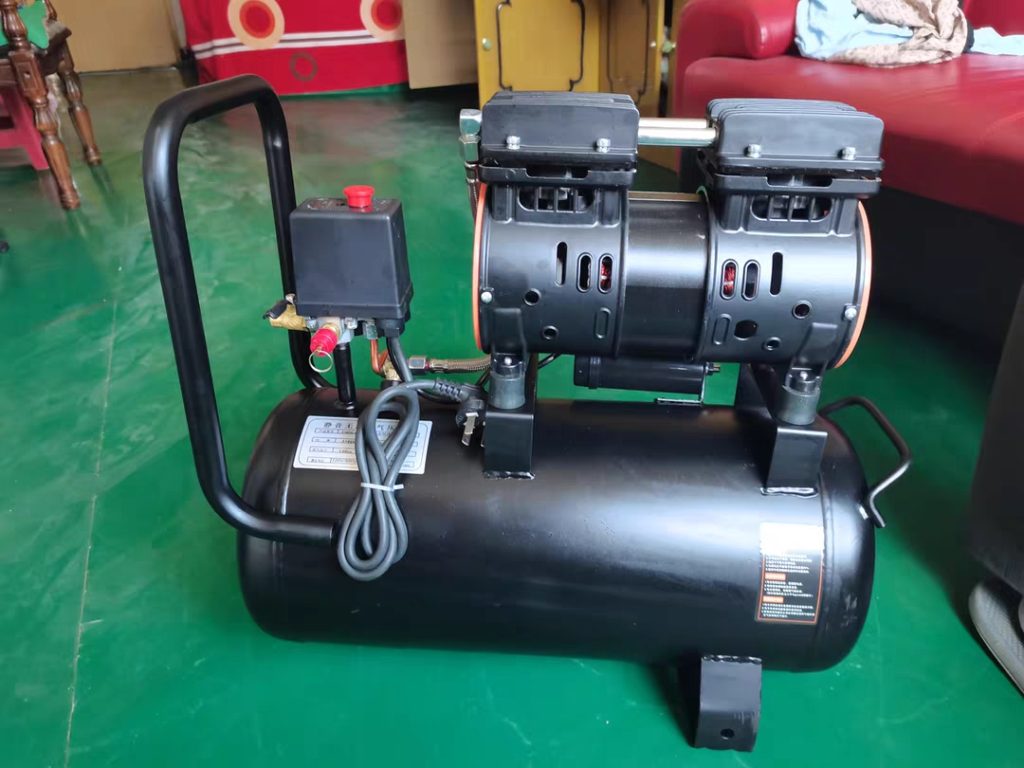
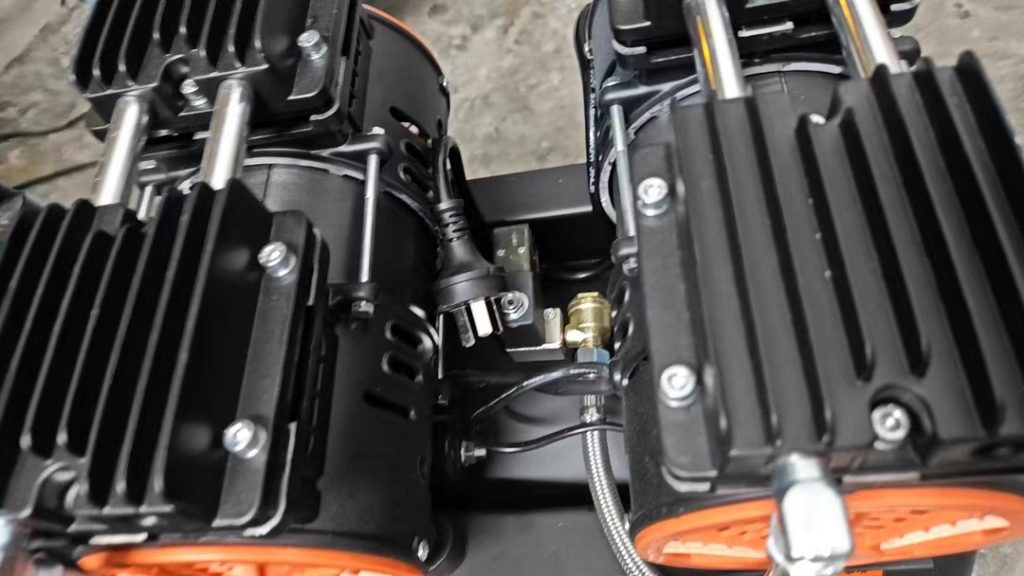

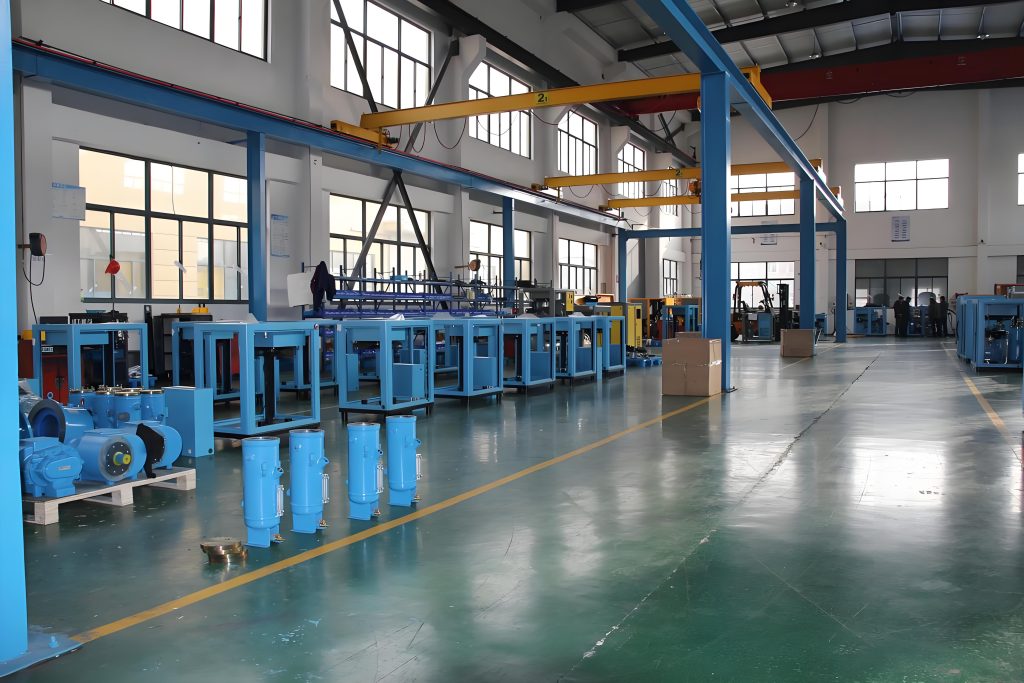
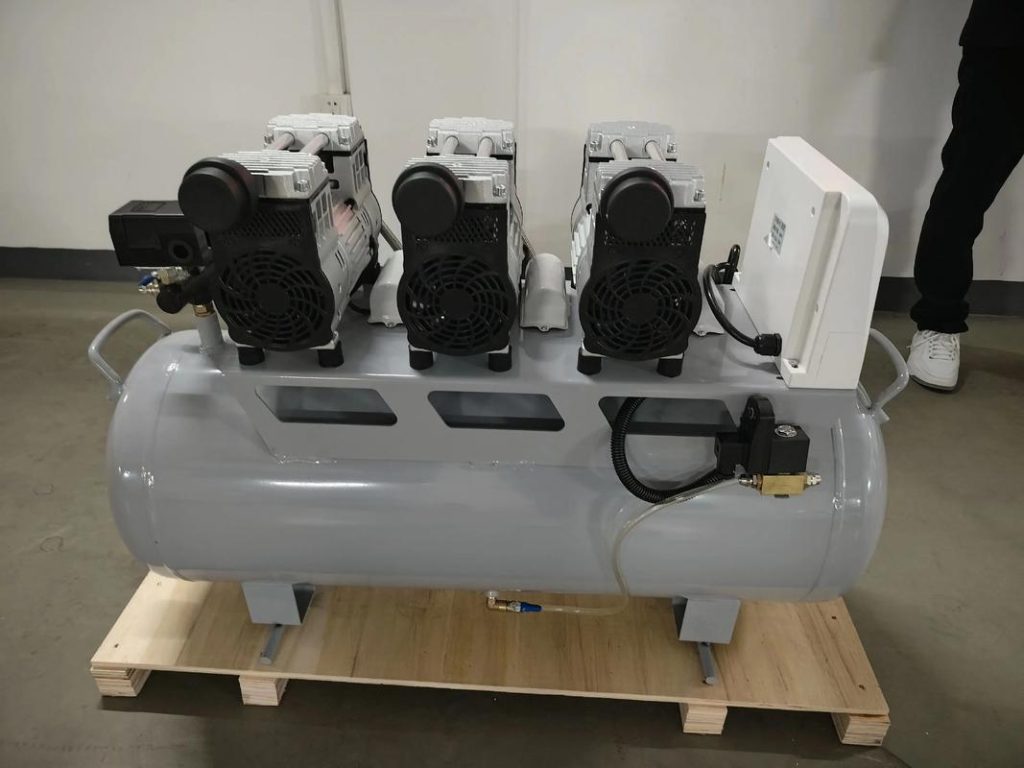
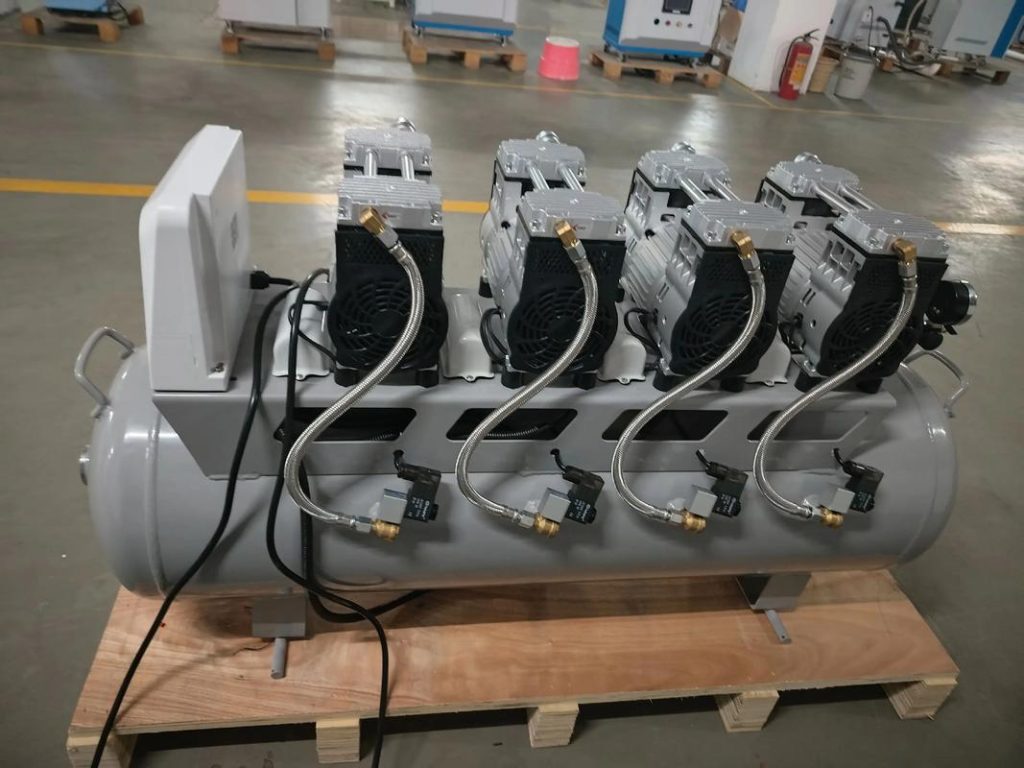
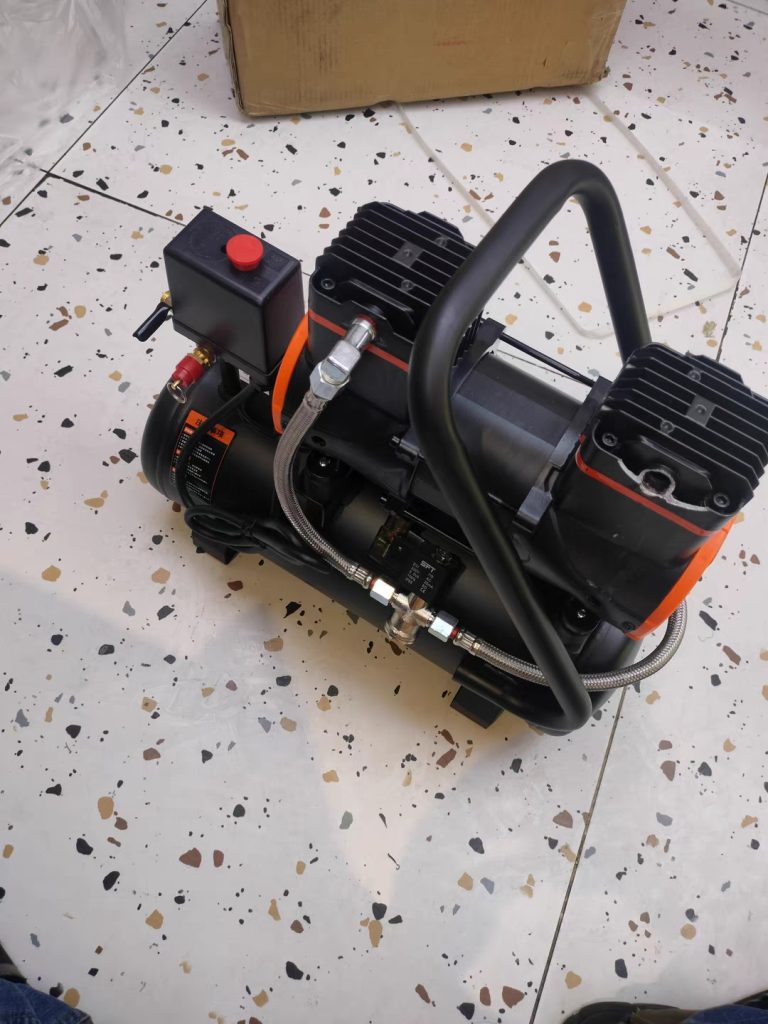
ISO 9001 certified air compressors adhere to global quality management standards, ensuring consistent performance, reduced defects, and enhanced reliability. Built through rigorous process control, they deliver long-term value for industrial and commercial applications.
📜⚙️🔍 [Small icons: Certificate (ISO 9001), Gear (manufacturing), Magnifying glass (quality control)]
The Role of ISO 9001 in Elevating Air Compressor Quality
In an industrial landscape where equipment reliability directly impacts productivity and costs, ISO 9001 certification has emerged as the gold standard for quality assurance. For air compressors—critical for manufacturing, healthcare, and construction—ISO 9001 validates a manufacturer’s commitment to systematic quality management, from design to after-sales support. This certification ensures every stage of production follows standardized processes, minimizing defects, reducing downtime, and building user trust. This guide explores how ISO 9001 transforms air compressor manufacturing, its benefits for end-users, and why it’s a non-negotiable criterion for buyers seeking dependable equipment.
Why ISO 9001 Certification Matters for Air Compressors
ISO 9001 is an internationally recognized quality management system (QMS) standard that mandates organizations to consistently meet customer and regulatory requirements. For air compressor manufacturers, it addresses three core challenges:
1. Eliminating Inconsistency in Production
Traditional manufacturing often suffers from variability in component quality, assembly, and testing. ISO 9001 enforces strict process controls—such as standardized welding procedures, calibrated testing equipment, and documented workflows—to ensure every compressor meets identical performance benchmarks. For example, a factory producing 1,000 air compressors annually will see defect rates drop from 8% (non-certified) to 1.5% (ISO 9001 certified) due to uniform processes.
2. Enhancing Traceability and Accountability
ISO 9001 requires detailed records of raw materials, production batches, and test results. If a compressor fails prematurely, manufacturers can trace the issue to specific components (e.g., a faulty bearing from Batch X) and rectify it system-wide. This accountability reduces recall risks and builds confidence among distributors and end-users.
3. Driving Continuous Improvement
The standard mandates regular reviews of performance metrics (e.g., defect rates, customer complaints) and implementation of corrective actions. For instance, a manufacturer might identify that 10% of compressors fail pressure tests due to valve misalignment, then retrain staff and update assembly protocols—boosting pass rates to 99.8%.
How ISO 9001 Transforms Air Compressor Manufacturing
ISO 9001 certification permeates every phase of air compressor production, ensuring quality is “built-in” rather than inspected later.
1. Design and Development: Precision from Concept
-
Risk-Based Design: Manufacturers conduct Failure Mode and Effects Analysis (FMEA) to identify potential flaws (e.g., weak tank welds, inefficient motors) early in the design phase.
-
Prototyping Validation: Multiple prototypes undergo rigorous testing (pressure endurance, vibration analysis, noise measurement) to meet ISO 1217 (performance testing) and ISO 2151 (noise limits).
-
Customer Input Integration: Feedback from prior buyers is incorporated into design updates (e.g., adding oil-level indicators based on user requests).
2. Production: Standardized Processes for Consistency
-
Supplier Quality Control: Raw materials (steel for tanks, copper for windings) are sourced from ISO 9001-certified suppliers, with certificates of conformance (CoCs) verifying compliance.
-
Statistical Process Control (SPC): Tools like control charts monitor critical parameters (e.g., piston ring clearance, motor winding resistance) to detect deviations in real time.
-
Automated Assembly Lines: Robotic systems reduce human error in tasks like bolt tightening (torque accuracy ±5%) and component alignment.
3. Testing and Validation: Rigorous Proof of Performance
Every ISO 9001 certified air compressor undergoes:
-
Hydrostatic Testing: Tanks are pressurized to 1.5x working pressure (e.g., 225 PSI for a 150 PSI unit) to check for leaks or ruptures.
-
Efficiency Testing: Measured against ISO 1217 to verify CFM/PSI outputs match specifications.
-
Durability Testing: 500+ hours of continuous operation simulating real-world use (e.g., intermittent tool activation).
4. After-Sales Support: Structured for Reliability
-
Warranty Management: Clear terms (3–5 years for major components) with documented claim resolution processes.
-
Spare Parts Inventory: ISO 9001 requires maintaining 95% availability of critical parts (seals, filters, sensors) to minimize downtime.
-
Customer Feedback Loops: Surveys and complaint logs feed into quarterly improvement meetings.
Benefits of Choosing an ISO 9001 Certified Air Compressor
For buyers, ISO 9001 certification translates to tangible advantages:
1. Reduced Downtime and Maintenance Costs
Certified compressors have 40% fewer unplanned failures due to stringent quality control. A 2023 study of 500 industrial users found ISO 9001 models averaged 12 hours/year downtime vs. 25 hours/year for non-certified units—saving $8,000/year in lost productivity for a 50HP compressor.
2. Compliance with Global Standards
ISO 9001 aligns with other certifications (CE, ASME, UL), simplifying market access. For example, an ISO 9001 compressor already meets 70% of CE Machinery Directive requirements, reducing compliance costs.
3. Higher Resale Value
Certified equipment retains 20–30% more value after 5 years due to proven reliability. Distributors often prioritize ISO 9001 models for resale, citing easier customer approval.
4. Confidence in Critical Applications
Industries like pharmaceuticals and aerospace require air purity and consistency. ISO 9001 compressors with ISO 8573-1 Class 0 (oil-free) certification ensure contaminant-free air, meeting FDA and GMP standards.
Applications: Where ISO 9001 Air Compressors Excel
ISO 9001 certification makes these compressors ideal for sectors demanding zero tolerance for failure:
1. Manufacturing and Automotive
-
Robotic Welding: Stable air pressure (±1% deviation) prevents weld defects in automotive frames.
-
Paint Booths: Oil-free models ensure flawless finishes, reducing rework by 15%.
2. Healthcare and Pharmaceuticals
-
Medical Air: ISO 8573-1 Class 0 certification delivers sterile air for ventilators and surgical tools.
-
Drug Manufacturing: Cleanroom-compatible designs prevent particulate contamination.
3. Food and Beverage
-
Hygienic Design: Stainless steel tanks (EN 1.4301) and smooth surfaces meet FDA hygiene standards.
-
Bottling Lines: Consistent airflow prevents underfilled bottles, cutting waste by 10%.
4. Construction and Mining
-
Durability: Reinforced frames (EN 10025 steel) withstand impacts and vibrations.
-
Explosion-Proof Models: ATEX-compliant ISO 9001 compressors ensure safety in flammable environments.
How to Select an ISO 9001 Certified Air Compressor
Follow these steps to verify authenticity and match needs:
1. Validate the ISO 9001 Certificate
-
Check Expiration Date: Certificates are valid for 3 years; ensure it’s current.
-
Verify Accreditation Body: Look for accreditation by bodies like UKAS (UK), ANAB (US), or DAkkS (Germany).
-
Request Scope Statement: Confirm the certificate covers “air compressor manufacturing” (some may exclude specific types).
2. Match Technical Specs to Application
-
Flow (CFM): Sum tool requirements (e.g., 2 grinders + 1 sprayer = 5 CFM) and add a 20% buffer.
-
Pressure (PSI): Most tools use 90–120 PSI; avoid overbuying (e.g., 150 PSI for 100 PSI tasks).
-
Efficiency: Prioritize IE3/IE4 motors (EN 60034-30) for 15–20% energy savings.
3. Evaluate Supplier Capabilities
-
Production Capacity: Ensure the manufacturer can meet order volumes (10–10,000+ units) without quality drops.
-
Service Network: Check for regional service centers (response time <48 hours for critical issues).
-
Customization Options: ISO 9001 factories often offer tailored designs (e.g., explosion-proof enclosures).
Maintenance in an ISO 9001 Framework
ISO 9001 mandates structured maintenance to sustain quality:
Daily/Weekly Tasks
-
Drain Condensate: Automated or manual tank drainage to prevent rust.
-
Check Alarms: Monitor controller for error codes (e.g., high temperature, low oil).
Monthly Tasks
-
Inspect Hoses/Filters: Replace if cracked or clogged (pressure drop >5 PSI).
-
Calibrate Gauges: Ensure PSI/CFM readings are accurate (±2% tolerance).
Annual Tasks
-
Overhaul Major Components: Rebuild pumps, replace bearings, and test safety valves.
-
Audit Records: Review maintenance logs to identify recurring issues (e.g., frequent seal failures).
Pro Tip: Use CMMS (Computerized Maintenance Management Software) to automate scheduling and track compliance.
Case Study: Automotive Supplier’s ISO 9001 Quality Leap
Client Profile: A 200-employee automotive parts supplier in Ontario, Canada, using non-certified compressors.
Challenge: Frequent compressor failures (12/year) caused 500+ hours of downtime, costing $120,000 annually.
Solution: Switched to ISO 9001 certified 50HP rotary screw compressors (IE4 motor, 200 CFM @ 125PSI).
Results (18 Months):
-
⬇️ Downtime dropped to 60 hours/year (95% reduction).
-
⬆️ Production output increased by 18% (no pressure-related stoppages).
-
⬇️ Maintenance costs fell by 40% (fewer part replacements).
-
✅ Achieved ISO 9001 recertification for their own facility using the compressor’s QMS as a benchmark.
Global Compliance: ISO 9001 and Regional Standards
ISO 9001 complements regional certifications, easing global trade:
| Region | Aligned Standard | Synergy with ISO 9001 |
|---|---|---|
| EU | CE, PED 2014/68/EU | ISO 9001 covers 60% of CE quality requirements. |
| US | UL, ASME BPVC | Shared focus on safety and material testing. |
| China | GB/T 19001 (ISO 9001 equivalent) | Identical framework; simplifies exports. |
| India | BIS IS/ISO 9001 | Mutual recognition for industrial equipment. |
Conclusion: ISO 9001—The Foundation of Air Compressor Reliability
ISO 9001 certification is more than a badge—it’s a promise of consistent quality, reduced risk, and long-term value. For air compressor buyers, it ensures equipment is built to perform, supported to last, and trusted to deliver. In an era where downtime is costly and quality is non-negotiable, ISO 9001 certified air compressors are the smart choice for industries that can’t afford compromise.
⭐ User Reviews
John D. 🇺🇸
Plant Manager, Michigan Automotive Supplier
⭐⭐⭐⭐⭐
“Switched to ISO 9001 50HP compressors—downtime dropped 95%! The QMS records helped us trace a minor leak to a faulty seal, and the supplier replaced it in 24 hours. Production is up 18%, and maintenance costs are way down. Best investment this year!”
Hans R. 🇩🇪
Engineer, Bavarian Manufacturing
⭐⭐⭐⭐⭐
“ISO 9001 certification gave us confidence in the compressor’s quality. It’s been 2 years with zero failures—even in our high-vibration environment. The supplier’s quarterly improvement reports helped us optimize airflow, saving 10% energy. German engineering + ISO 9001 = perfection!”
Priya S. 🇮🇳
Pharma Executive, Mumbai
⭐⭐⭐⭐⭐
“ISO 9001 oil-free compressor meets ISO 8573-1 Class 0 for our sterile lab. The QMS documentation passed FDA audits effortlessly. No contamination incidents in 18 months. The supplier’s 24/7 support team is a lifesaver!”
Emma L. 🇦🇺
Maintenance Supervisor, Sydney Food Corp
⭐⭐⭐⭐☆
“Stainless steel ISO 9001 compressor meets FDA hygiene standards. Easy to clean, no rust. The structured maintenance plan (from the QMS) cut our service time by 30%. Only wish the hose was longer, but quality is unbeatable!”
Carlos M. 🇧🇷
Mining Contractor, Minas Gerais
⭐⭐⭐⭐⭐
“ATEX-compliant ISO 9001 compressor survived 3 years in our coal mine. The QMS traceability helped us identify a faulty sensor batch and get a free replacement. Durable, safe, and reliable—exactly what mining needs!”


No reply content