
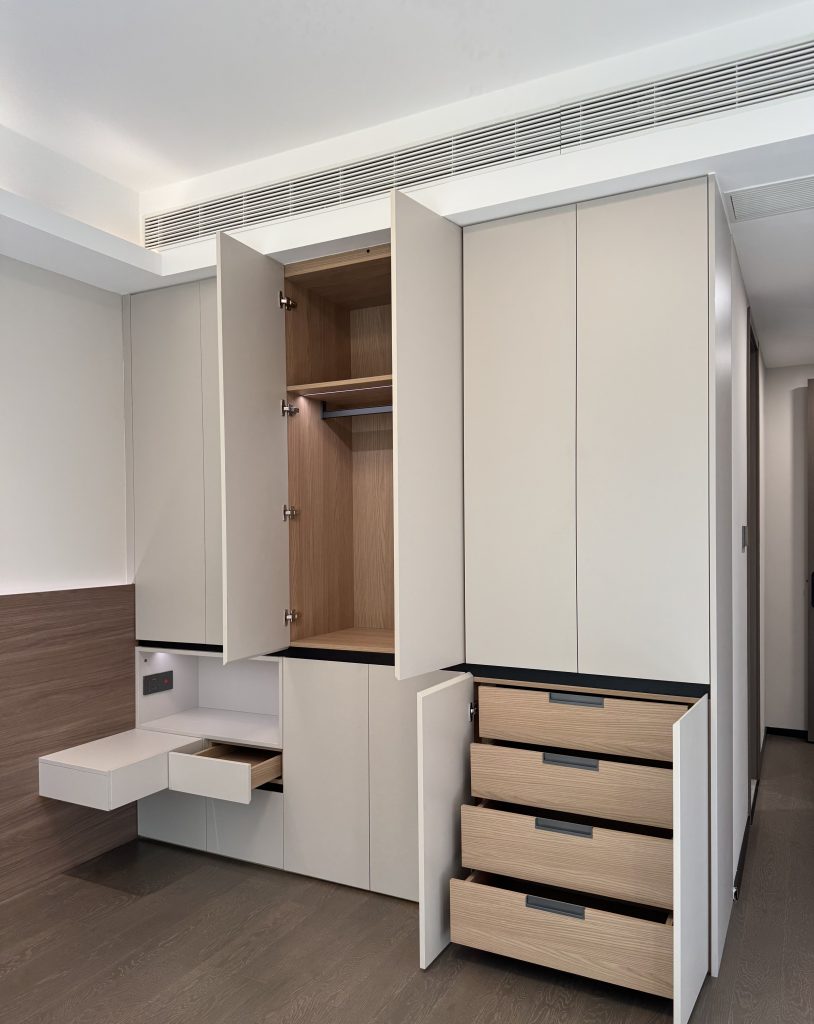
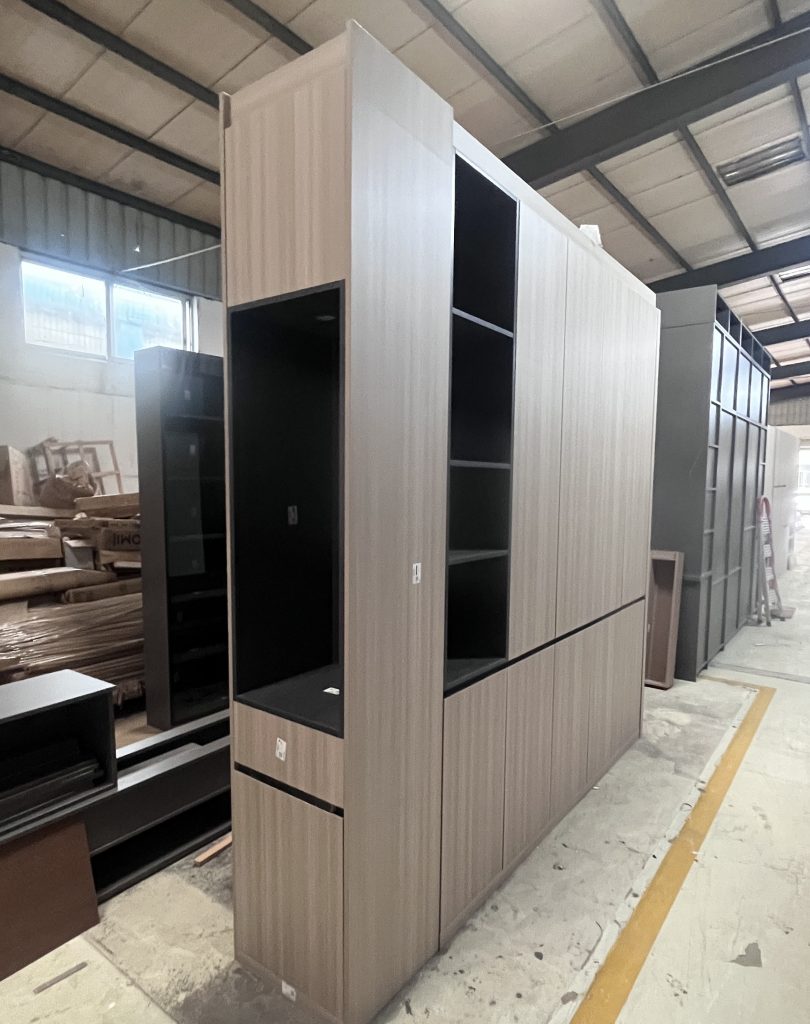
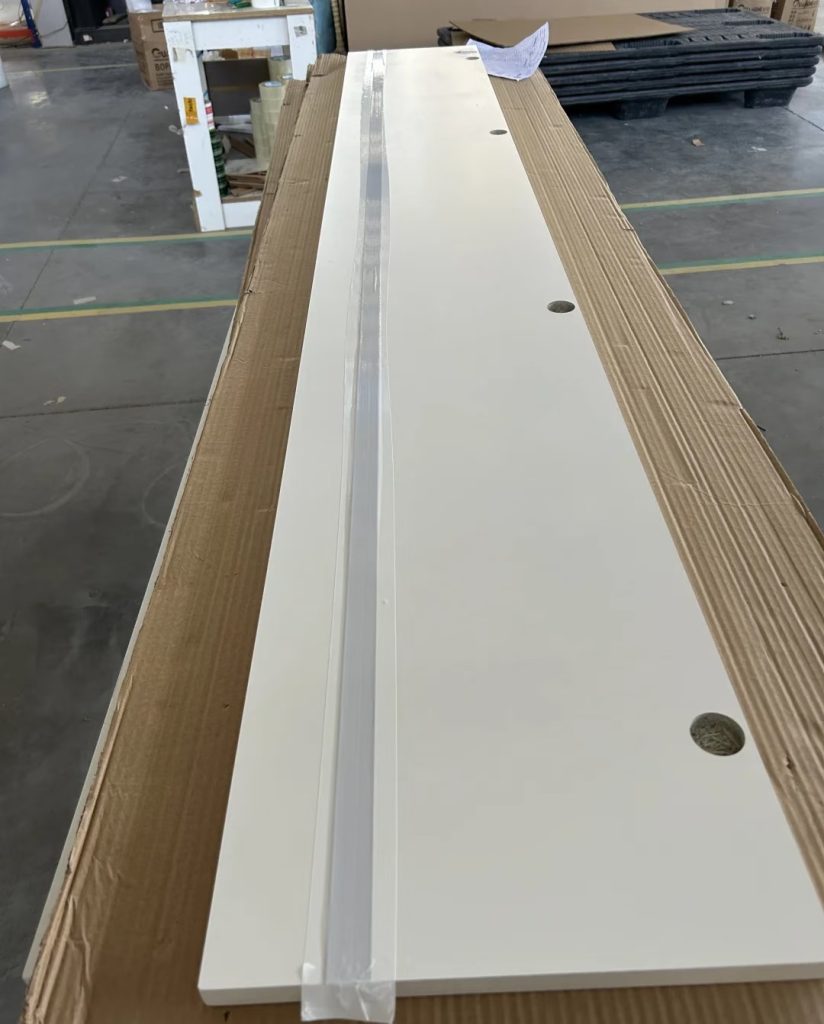
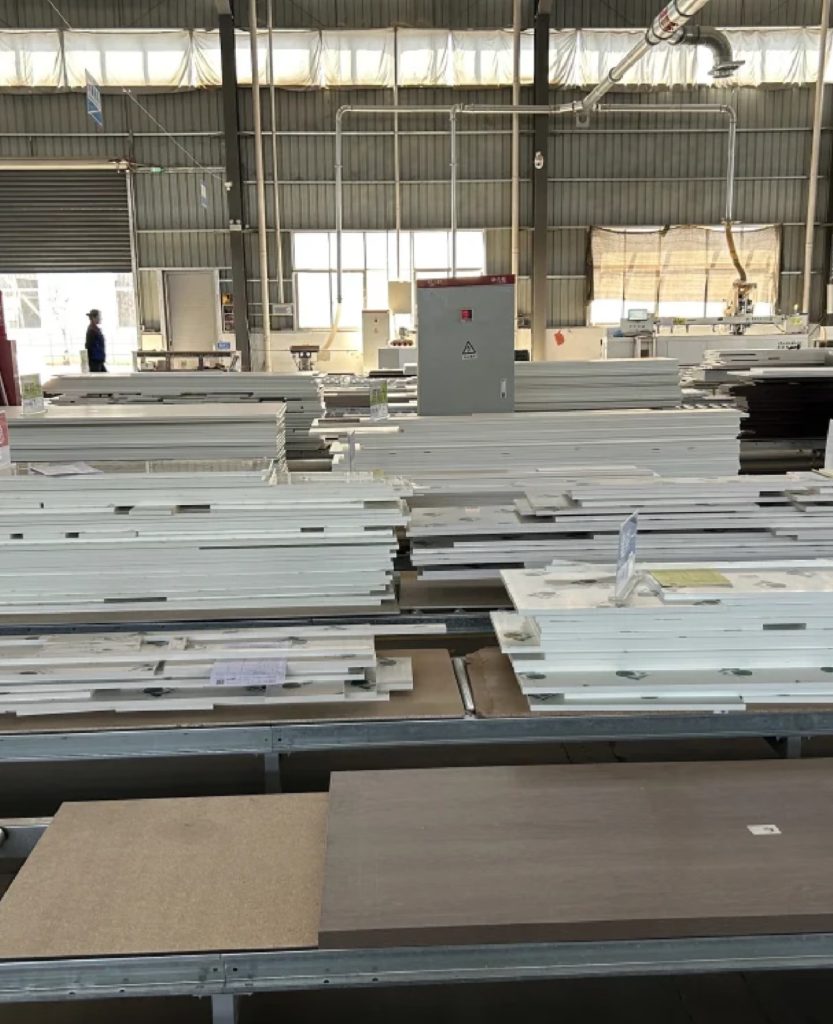
Introduction
The kitchen is no longer just a cooking space — it has become the heart of the home. As interior design trends evolve and homeowners prioritize functionality and aesthetics, kitchen furniture plays a critical role in modern living spaces. From custom kitchen cabinets to modular storage systems, the right kitchen furniture enhances organization, efficiency, and property value.
Whether you are a homeowner planning a renovation, an interior designer sourcing materials, or a distributor working with a kitchen furniture manufacturer, understanding materials, design trends, production processes, and cost factors is essential. This comprehensive guide covers everything you need to know about modern kitchen furniture solutions.
What Is Kitchen Furniture?
Kitchen furniture includes all structural and storage components designed specifically for kitchen spaces, such as:
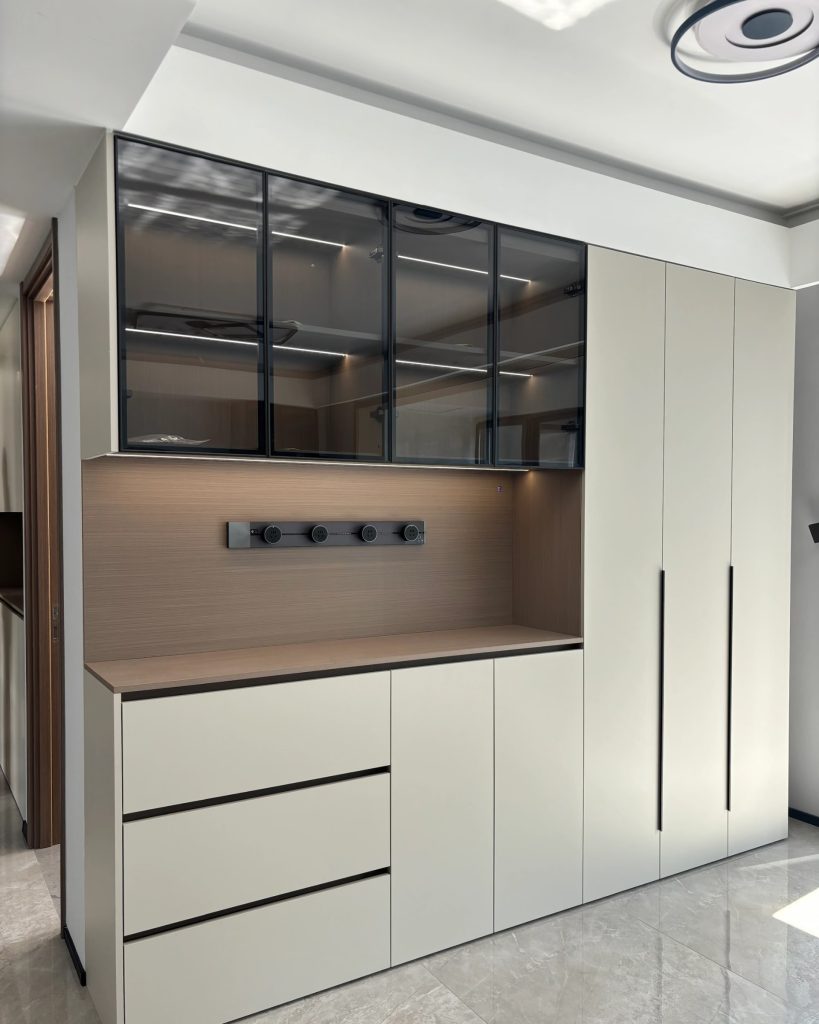
- Kitchen cabinets (base, wall, tall units)
- Kitchen islands
- Pantry cabinets
- Drawer systems
- Open shelving units
- Countertops
- Built-in appliance cabinets
High-quality kitchen furniture combines durability, design appeal, and functional efficiency.
Why Quality Kitchen Furniture Matters
1. Maximizing Space Efficiency
Modern kitchens often face space limitations. Smart storage solutions help optimize:
- Vertical space
- Corner areas
- Hidden compartments
- Multi-functional drawers
2. Improving Aesthetic Appeal
Kitchen cabinets define the visual identity of the entire room. Materials, colors, and finishes significantly influence overall interior style.
3. Enhancing Property Value
Well-designed kitchens increase resale value. Buyers often prioritize kitchen quality when purchasing homes.
4. Long-Term Durability
Quality kitchen furniture resists:
- Moisture
- Heat
- Daily wear and tear
Durability reduces long-term maintenance costs.
Types of Kitchen Furniture
1. Base Cabinets
Installed on the floor and support countertops.
Features:
- Drawer systems
- Pull-out shelves
- Storage baskets
These are essential for daily functionality.
2. Wall Cabinets
Mounted above countertops to maximize vertical space.
Common uses:
- Dish storage
- Glassware storage
- Decorative display
3. Tall Pantry Cabinets
Ideal for:
- Food storage
- Built-in ovens
- Integrated refrigerators
Pantry units enhance storage efficiency.
4. Kitchen Islands
A modern kitchen centerpiece offering:
- Additional workspace
- Seating area
- Storage compartments
- Built-in sink or cooktop
Islands improve workflow and social interaction.
5. Modular Kitchen Systems
Modular furniture allows flexible configuration and easier installation.
Advantages:
- Faster production
- Standardized components
- Scalable solutions
Popular in urban apartments and modern homes.
Materials Used in Kitchen Furniture Manufacturing
Material selection affects durability, cost, and aesthetics.
1. Solid Wood
Advantages:
- Natural appearance
- High durability
- Long lifespan
Disadvantages:
- Higher cost
- Sensitive to humidity
2. MDF (Medium-Density Fiberboard)
Common for painted finishes.
Benefits:
- Smooth surface
- Cost-effective
- Easy to shape
3. Plywood
Highly durable and moisture-resistant.
Often used for cabinet carcasses.
4. Particle Board
Budget-friendly but less durable.
Suitable for low-cost projects.
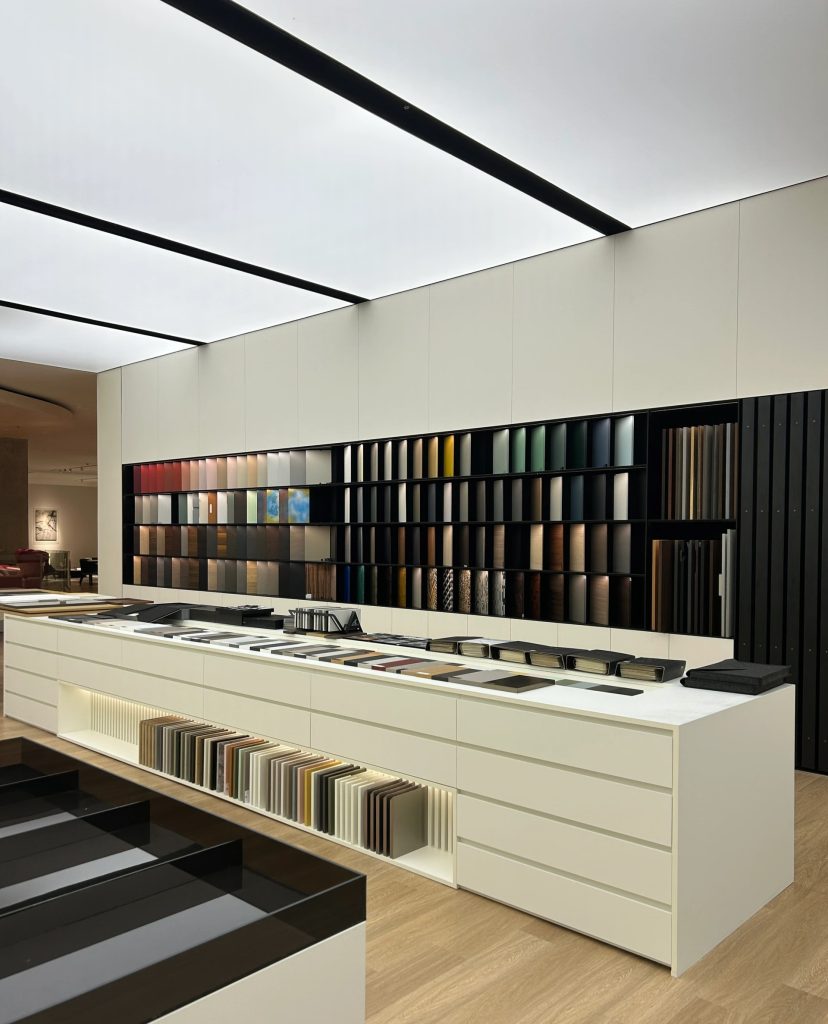
5. Laminate & Veneer Finishes
Provide decorative surface options:
- Matte finish
- Gloss finish
- Wood grain texture
6. Countertop Materials
- Quartz
- Granite
- Marble
- Solid surface
Quartz is popular for durability and low maintenance.
Modern Kitchen Furniture Design Trends
Minimalist Design
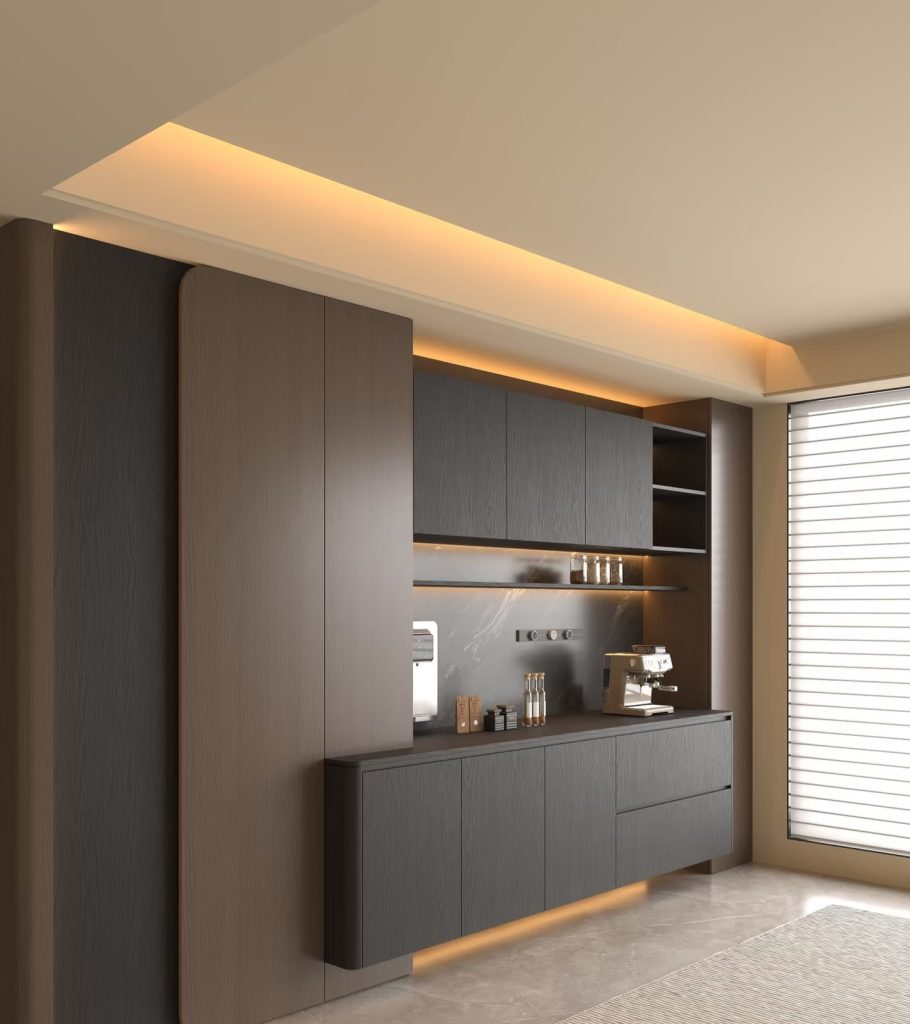
Clean lines, handle-less cabinets, neutral color palettes.
Smart Storage Solutions
- Soft-close drawers
- Pull-out pantry systems
- Corner carousel units
Integrated Appliances
Built-in ovens, hidden refrigerators, seamless design.
Sustainable Materials
Eco-friendly wood, low-VOC finishes, recyclable materials.
Two-Tone Cabinet Designs
Combination of light and dark finishes for visual contrast.
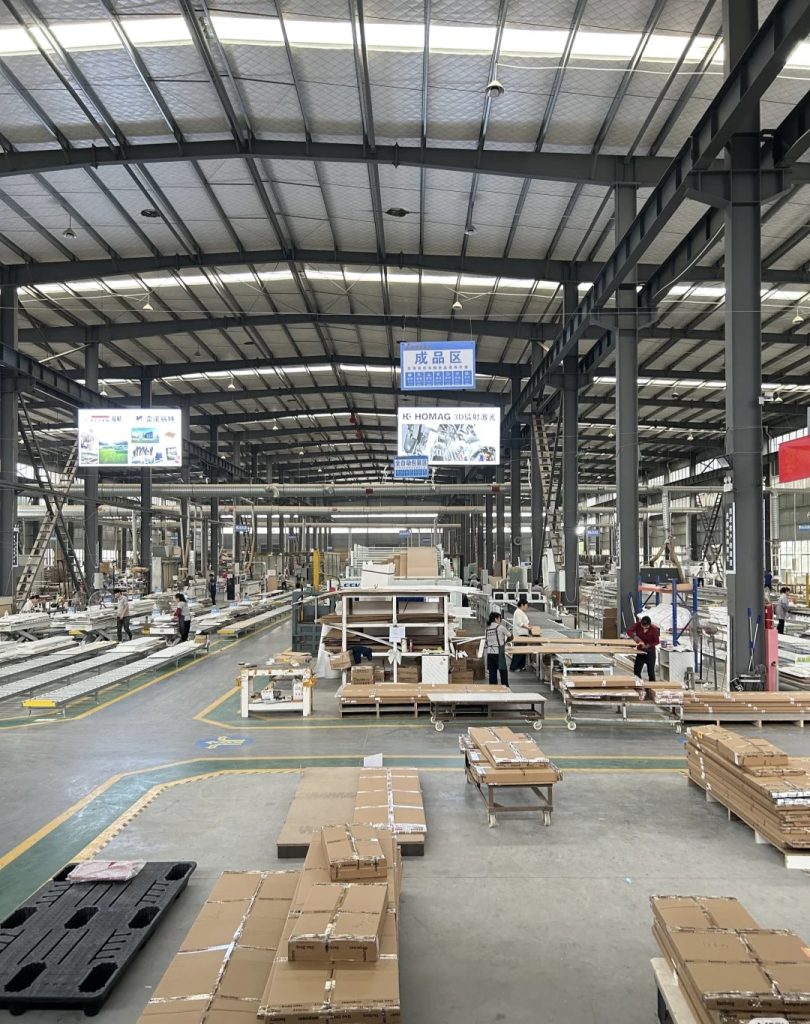
Kitchen Furniture Manufacturing Process
Step 1: Design & Planning
- Layout measurement
- 3D design modeling
- Material selection
- Budget estimation
Accurate measurement is critical.
Step 2: Material Preparation
- Panel cutting
- Surface treatment
- Edge banding
Precision ensures smooth assembly.
Step 3: Assembly
- Cabinet structure assembly
- Hardware installation
- Drawer system integration
High-quality hinges and slides improve durability.
Step 4: Quality Inspection
- Surface inspection
- Structural testing
- Hardware functionality check
Reliable factories implement strict QC standards.
Step 5: Packaging and Shipping
Flat-pack or fully assembled shipping options depending on project requirements.
How to Choose a Reliable Kitchen Furniture Manufacturer
1. Manufacturing Experience
Look for:
- 5+ years production experience
- Export expertise
- Portfolio of completed projects
2. Customization Capability
Professional factories offer:
- Custom sizes
- Color matching
- Hardware selection
- OEM branding
3. Hardware Quality
Check brands of:
- Hinges
- Drawer slides
- Handles
Hardware quality determines long-term usability.
4. Certification and Compliance
Ensure compliance with:
- Environmental standards
- Formaldehyde emission regulations
- Local construction codes
Cost Factors of Kitchen Furniture
Pricing depends on:
- Material type
- Cabinet size and quantity
- Hardware brand
- Surface finish
- Customization complexity
- Installation requirements
Custom kitchens are priced higher than modular standard designs.
Installation Considerations
Professional installation ensures:
- Accurate alignment
- Level countertops
- Secure anchoring
- Safe appliance integration
Improper installation reduces lifespan.
Maintenance Tips for Kitchen Furniture
- Clean surfaces regularly
- Avoid excessive water exposure
- Check hinges and slides annually
- Use appropriate cleaning agents
Proper care extends product lifespan beyond 10–15 years.
Sustainability in Kitchen Furniture Production
Sustainable practices include:
- FSC-certified wood
- Low-VOC paints
- Recyclable packaging
- Efficient material usage
Environmentally responsible products attract modern consumers.
Applications of Kitchen Furniture
Residential Homes
Custom kitchens for villas, apartments, condominiums.
Real Estate Projects
Bulk kitchen furniture for property developments.
Hospitality Industry
Hotel apartment kitchens.
Commercial Spaces
Office pantry areas.
FAQ – Kitchen Furniture
Q1: What is the best material for kitchen cabinets?
Plywood and solid wood offer high durability; MDF is cost-effective for painted finishes.
Q2: How long does custom kitchen production take?
Usually 20–45 days depending on complexity.
Q3: Are modular kitchens better than custom kitchens?
Modular kitchens are cost-effective; custom kitchens offer full flexibility.
Q4: How long does kitchen furniture last?
High-quality cabinets can last 10–20 years with proper maintenance.
Q5: Can kitchen furniture be exported internationally?
Yes. Many manufacturers provide flat-pack export packaging.
Global Market Trends in Kitchen Furniture
Key trends include:
- Open-concept kitchen layouts
- Smart kitchen integration
- Minimalist European style
- Sustainable materials
- Space-saving innovations
Growing urbanization increases demand for efficient kitchen storage solutions.
Why Partner with a Professional Kitchen Furniture Supplier
A reliable supplier offers:
- Integrated design services
- Advanced CNC machinery
- Stable production capacity
- International export experience
- After-sales support
Strong supplier partnerships ensure consistent quality and project success.
Final Thoughts
Kitchen furniture is more than storage — it defines the functionality, aesthetics, and long-term value of modern homes. From custom kitchen cabinets to modular systems, selecting the right materials, design, and manufacturer determines project success.
Whether you are renovating a home, managing a real estate project, or sourcing from a global kitchen furniture manufacturer, prioritize quality, customization capability, and sustainability. With proper planning and reliable supply, kitchen furniture becomes a strategic investment in comfort and property value.


No reply content