
China Chemical Manufacturers
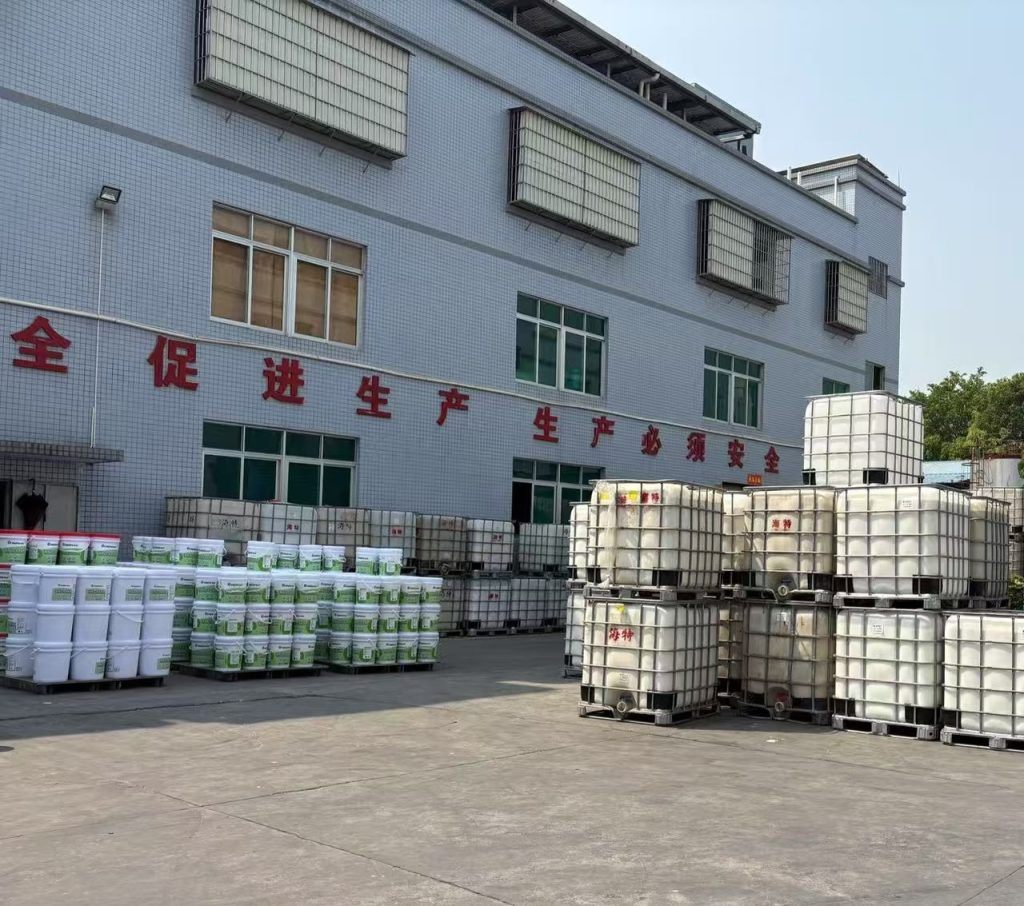
China is an important manufacturing and sourcing market for industrial materials and finished products, including natural rubber latex, synthetic latex, latex foam, latex gloves, and other latex-based products.
For international buyers, finding a suitable latex manufacturer in China involves more than comparing prices. Buyers need to understand the different types of latex, manufacturing processes, product specifications, quality control requirements, and export capabilities.
This guide explains how to source latex products from China, evaluate manufacturers, and establish reliable long-term supplier relationships.
1. Overview of the Latex Manufacturing Industry in China
China’s latex manufacturing industry serves multiple sectors, including healthcare, automotive, construction, textiles, furniture, consumer goods, and industrial production.
Manufacturers may specialize in different areas:
-
Natural rubber latex processing
-
Synthetic latex production
-
Latex foam manufacturing
-
Latex gloves and protective products
-
Latex-based adhesives and coatings
-
Customized latex compounds and formulations
Not every factory produces all these products. Some manufacturers focus on raw latex materials, while others specialize in finished products or industrial applications.
International buyers should identify the exact product category before requesting quotations.
2. Main Types of Latex Products Available in China
Natural Rubber Latex
Natural rubber latex is obtained from rubber trees and processed into liquid latex or concentrated latex for industrial applications.
Common applications include:
-
Rubber gloves
-
Latex foam products
-
Medical and healthcare products
-
Adhesives
-
Rubber-based consumer products
Buyers should confirm the dry rubber content, viscosity, mechanical stability, ammonia content, and other relevant specifications.
Synthetic Latex
Synthetic latex is produced through chemical polymerization processes. Common types include:
-
Styrene-butadiene latex (SBR)
-
Nitrile latex (NBR)
-
Acrylic latex
-
Vinyl acetate-based latex
Different formulations provide different properties, such as adhesion, flexibility, chemical resistance, and water resistance.
Synthetic latex is widely used in paper coating, construction materials, adhesives, textiles, carpets, and industrial applications.
Latex Foam
Latex foam is produced by processing latex into a cellular material.
Typical applications include:
-
Mattresses
-
Pillows
-
Furniture cushions
-
Bedding products
-
Comfort and support materials
Important purchasing specifications include density, hardness, dimensions, resilience, and product standards.
Latex Gloves
Latex gloves are manufactured through dipping processes using natural rubber latex or suitable synthetic materials.
They are used in healthcare, food handling, cleaning, laboratories, and industrial workplaces.
Buyers should confirm the intended application, applicable safety standards, material composition, sizes, and packaging requirements.
3. How Is Latex Manufactured?
The manufacturing process depends on the type of latex product.
For natural rubber latex, the general production process may include:
-
Collection of natural rubber latex.
-
Filtration to remove impurities.
-
Stabilization and preservation.
-
Concentration when required.
-
Quality inspection and testing.
-
Packaging and storage.
For synthetic latex, production generally involves polymerization of selected chemical raw materials, followed by formulation, stabilization, filtration, and quality testing.
Finished products such as gloves and foam require additional manufacturing processes, including molding, dipping, vulcanization, drying, or other product-specific treatments.
4. How to Choose Reliable Latex Manufacturers in China
Selecting a suitable factory is essential for international sourcing.
Consider the following factors:
Manufacturing capability
Confirm whether the supplier operates its own production facilities or acts as a trading company.
Product specifications
Request technical data sheets (TDS), safety data sheets (SDS), and relevant product test reports.
Quality management
Ask about quality inspection procedures, batch consistency, production controls, and applicable certifications.
Production capacity
Confirm monthly output, lead time, minimum order quantity (MOQ), and ability to handle repeat orders.
Export experience
Check whether the manufacturer has experience supplying overseas customers and preparing export documentation.
Sample evaluation
Where possible, obtain samples and evaluate product performance before placing a bulk order.
5. OEM and Customized Latex Manufacturing Services
Some Chinese latex manufacturers provide OEM or customized production services for overseas buyers.
Depending on the product and factory capabilities, customization may include:
-
Product formulation
-
Latex concentration
-
Hardness and density
-
Product dimensions
-
Packaging specifications
-
Private labeling
-
Customized technical requirements
Before starting an OEM project, buyers should provide detailed specifications, target applications, expected order quantities, and quality requirements.
The manufacturer should confirm technical feasibility before mass production.
6. What Affects Latex Product Prices in China?
There is no single price for all latex products. Prices depend on material type, specifications, processing requirements, and order quantities.
The main pricing factors include:
-
Natural or synthetic raw materials.
-
Latex concentration and composition.
-
Product quality and technical specifications.
-
Manufacturing process and energy costs.
-
Packaging requirements.
-
Order quantity and production schedule.
-
Transportation and export arrangements.
For an accurate quotation, buyers should provide the product name, technical specifications, quantity, packaging requirements, and destination country.
7. Export and International Shipping Considerations
Chinese latex manufacturers may supply customers in Asia, Europe, North America, South America, Africa, and the Middle East.
Before arranging international transportation, buyers should confirm the product’s physical and chemical properties.
For liquid latex and chemical-based products, important shipping information may include:
-
Safety Data Sheet (SDS)
-
Chemical composition
-
Flash point, where applicable
-
UN classification, if applicable
-
Packaging type and material
-
Net and gross weight
-
Whether the product is classified as dangerous goods
Not all latex products are classified as dangerous goods. Their transport classification must be determined from the actual product composition and applicable transport regulations.
Depending on the product and destination, transportation may be arranged by sea freight, air freight, or other suitable logistics services.
8. Questions to Ask a Chinese Latex Manufacturer
Before purchasing, international buyers should ask:
-
Are you a manufacturer or trading company?
-
Which types of latex products do you manufacture?
-
Can you provide a technical data sheet and SDS?
-
What is your minimum order quantity?
-
Can you provide product samples?
-
Do you support OEM or customized production?
-
What quality certifications and test reports are available?
-
What is your production lead time?
-
Can you export to my country?
-
What packaging options are available?
These questions help buyers compare suppliers and reduce misunderstandings during procurement.
9. Frequently Asked Questions
Q1: Where can I find latex manufacturers in China?
Buyers can search through B2B sourcing platforms, industry exhibitions, manufacturer websites, and professional sourcing service providers.
Q2: What is the difference between natural latex and synthetic latex?
Natural latex comes from rubber trees, while synthetic latex is manufactured through chemical polymerization. Their properties and applications vary depending on the material and formulation.
Q3: Do Chinese latex manufacturers offer OEM services?
Some manufacturers provide OEM and customized production. Availability depends on the product category, production facilities, and order requirements.
Q4: Can I order latex product samples from China?
Many manufacturers can provide samples. Buyers should confirm sample availability, cost, shipping arrangements, and delivery time directly with the factory.
Q5: What documents should I request when purchasing industrial latex?
Depending on the product, relevant documents may include TDS, SDS, certificates of analysis (COA), inspection reports, and applicable product certifications.
Q6: How can I obtain a quotation from a Chinese latex factory?
Provide the product type, specifications, required quantity, packaging details, and destination country to receive a more accurate quotation.
10. Find Reliable Latex Suppliers in China
Sourcing from China offers international buyers access to different latex materials, manufacturing capabilities, and customized production options.
However, choosing the right supplier requires careful evaluation of product specifications, factory capabilities, quality standards, and export experience.


No reply content