
China Chemical Manufacturers
Latex Products Manufacturers in China: Products, Prices, OEM Services and Wholesale Sourcing Guide
China is a major manufacturing and sourcing destination for a wide range of rubber and latex-based products. Chinese manufacturers supply latex products to international buyers in healthcare, furniture, bedding, automotive, construction, cleaning, and industrial sectors.
For importers, wholesalers, distributors, and brand owners, sourcing latex products from China offers access to different product categories, manufacturing technologies, and customization options.
However, latex products vary significantly in material composition, production processes, performance, and quality standards. Buyers should understand these differences before selecting a manufacturer.
This guide explains the main latex products manufactured in China, their applications, technical specifications, indicative prices, and international purchasing considerations.
1. Main Latex Products Manufactured in China
Chinese manufacturers produce various latex-based products. The main categories include:
Latex Gloves
Latex gloves are manufactured using natural rubber latex or suitable synthetic materials.
Common types include:
-
Medical examination gloves
-
Industrial protective gloves
-
Household cleaning gloves
-
Reusable rubber gloves
-
Disposable latex gloves
Important specifications include glove thickness, size, tensile strength, elongation, powder-free or powdered design, and applicable regulatory compliance.
Latex Mattresses
Latex mattresses are manufactured using natural latex, synthetic latex, or blended materials.
Common features include:
-
Elastic support
-
Pressure distribution
-
Different firmness levels
-
Breathable foam structures
-
Different mattress thicknesses
Buyers should verify the latex composition, density, hardness, dimensions, and applicable product safety requirements.
Latex Pillows
Latex pillows are commonly used in residential, hotel, and bedding markets.
Popular product variations include:
-
Standard latex pillows
-
Contour latex pillows
-
Ergonomic latex pillows
-
Ventilated latex pillows
-
Customized latex pillows
OEM manufacturers may offer different shapes, sizes, firmness levels, covers, and packaging.
Latex Foam Products
Latex foam is used in furniture, bedding, automotive interiors, and cushioning applications.
Products include:
-
Foam sheets
-
Foam blocks
-
Seat cushions
-
Furniture padding
-
Customized foam components
Technical requirements may include density, hardness, resilience, compression characteristics, and dimensions.
Industrial Latex Products
Industrial applications include:
-
Rubber-coated fabrics
-
Latex adhesives
-
Rubber components
-
Industrial dipping products
-
Latex-based coatings
-
Specialized rubber materials
The exact material formulation should be selected according to the intended application.
2. Natural Latex vs Synthetic Latex Products
The material used in latex products directly affects their performance, cost, and suitability.
Comparison |
Natural Latex |
Synthetic Latex |
|---|---|---|
Source |
Natural rubber |
Synthetic polymers |
Elasticity |
Naturally high |
Depends on formulation |
Material consistency |
Depends on raw material and processing |
Controlled through formulation |
Applications |
Bedding, gloves, rubber products |
Gloves, adhesives, coatings |
Processing |
Latex processing and compounding |
Polymerization and formulation |
Purchasing considerations |
Natural rubber content and preservation |
Polymer type and chemical composition |
Some products use blends of natural and synthetic latex. Buyers should request material composition details rather than relying only on general product descriptions.
3. Technical Parameters for Latex Products
Before purchasing, international buyers should establish clear technical requirements.
The following table provides examples of parameters used for different product categories.
Product |
Important Parameters |
|---|---|
Latex Gloves |
Thickness, length, size, tensile strength |
Latex Mattress |
Density, firmness, thickness, dimensions |
Latex Pillow |
Density, hardness, shape, size |
Latex Foam |
Density, compression, resilience |
Liquid Latex |
Dry rubber content, viscosity, pH |
Latex Adhesive |
Solid content, viscosity, bonding strength |
Specific requirements depend on the product design, intended use, and destination market.
Manufacturers should provide relevant TDS, test reports, and product samples where available.
4. Latex Product Prices in China
Latex product prices vary depending on material composition, manufacturing technology, product specifications, order quantity, and packaging.
The following are illustrative budgeting ranges for selected product categories. They are not verified current factory quotations.
Product |
Indicative Price Range |
|---|---|
Disposable Latex Gloves |
USD 0.03–0.12/pair |
Reusable Latex Gloves |
USD 0.30–1.50/pair |
Latex Pillow |
USD 5–25/piece |
Latex Mattress |
USD 80–350/piece |
Latex Foam Sheet |
USD 8–35/sheet |
Liquid Natural Latex |
USD 0.80–2.00/kg |
These ranges are broad planning estimates. They are not directly comparable because specifications, product sizes, latex content, packaging, and order quantities differ.
Factors Affecting Latex Product Prices
Raw Material Costs
Natural rubber and synthetic polymer prices influence manufacturing costs.
Material Composition
Natural latex, synthetic latex, and blended materials have different cost structures.
Product Specifications
Thickness, density, dimensions, hardness, and performance requirements affect prices.
Manufacturing Process
Specialized molding, dipping, foaming, and finishing processes can increase production costs.
Order Quantity
Bulk purchasing may result in different unit prices and packaging arrangements.
Packaging and Branding
Customized packaging, labels, printing, and private labeling may increase costs.
For an accurate quotation, buyers should provide the product specifications, estimated quantity, packaging requirements, and destination country.
5. OEM and Private Label Latex Manufacturing in China
Many international buyers prefer customized latex products rather than standard catalog products.
Depending on factory capabilities, OEM and ODM services may include:
-
Customized product dimensions
-
Material composition
-
Hardness and density
-
Product shape and design
-
Logo printing
-
Customized packaging
-
Private label branding
-
Product development and sampling
Before confirming production, buyers should approve samples and establish written quality specifications.
For large orders, it is advisable to agree on inspection procedures and acceptable quality standards before mass production.
6. Quality Control and Product Testing
Quality control is essential when sourcing latex products for international markets.
Depending on the product, inspection may cover:
Material Inspection
Confirm whether the product uses natural rubber latex, synthetic latex, or a blend.
Dimensional Inspection
Check product length, width, thickness, weight, and other relevant measurements.
Mechanical Testing
Some products require testing for tensile strength, elongation, compression, flexibility, or durability.
Appearance Inspection
Check for holes, cracks, uneven surfaces, discoloration, and manufacturing defects.
Chemical and Safety Testing
For products with specific chemical or medical applications, confirm applicable testing and regulatory requirements.
Buyers should request reports relevant to the actual product and target market.
7. How to Find Reliable Latex Products Manufacturers in China
Choosing the right supplier can help reduce procurement risks and improve long-term supply stability.
Consider these points:
-
Verify the company’s registered business information.
-
Confirm whether it operates its own manufacturing facilities.
-
Review its main product categories.
-
Request product samples.
-
Check available technical documentation.
-
Confirm monthly production capacity.
-
Understand minimum order quantities.
-
Review quality inspection procedures.
-
Confirm OEM and private label capabilities.
-
Check international export experience.
For customized products, buyers should also confirm whether the factory owns the required molds, equipment, and production technology.
8. Packaging and International Shipping
Latex products require different packaging arrangements depending on their physical form and transportation conditions.
Examples include:
-
Individual retail packaging
-
Polybags and cartons
-
Export cartons
-
Vacuum packaging where suitable
-
Palletized shipments
-
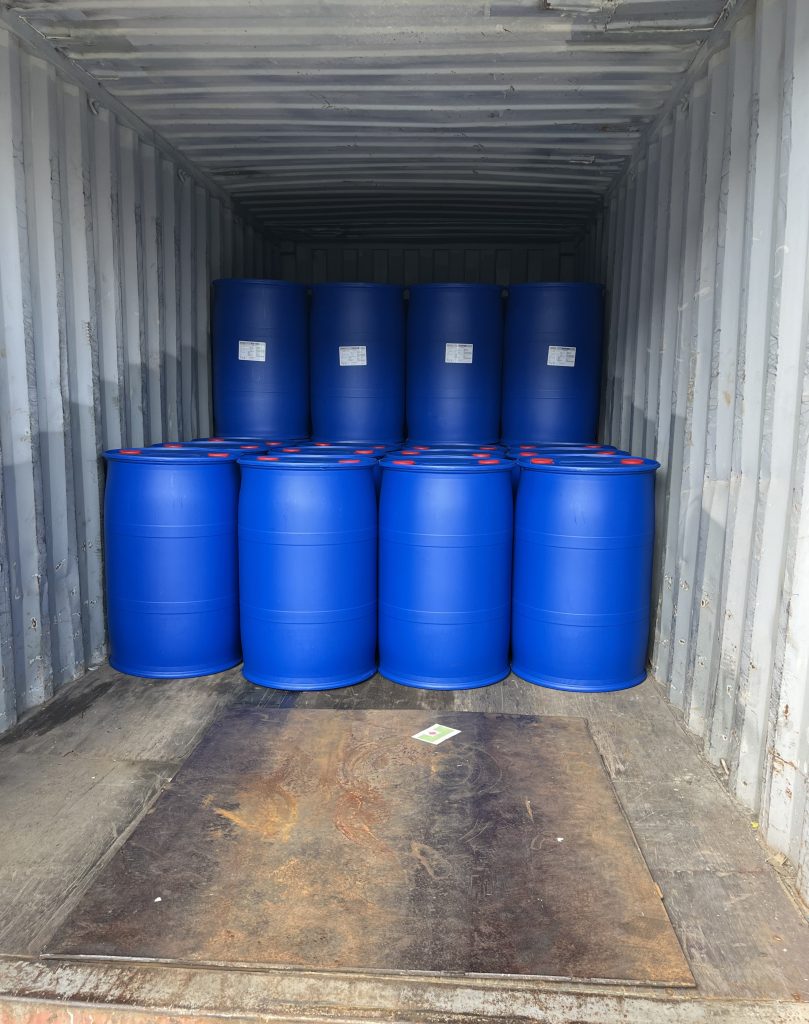
Industrial drums for liquid latex
For liquid latex and latex-based chemical materials, buyers should provide the SDS and confirm transport classification, packaging compatibility, and storage requirements.
Finished latex products such as pillows, mattresses, and gloves have different transportation requirements from liquid chemical materials.
International shipping options may include sea freight, air freight, and other suitable transportation arrangements.
The final shipping cost depends on shipment weight, volume, destination, packaging, and delivery terms.
9. Common Importing Mistakes When Buying Latex Products
International buyers should avoid several common purchasing mistakes.
Choosing by Price Alone
A lower quotation may involve different material composition, specifications, or quality levels.
Not Checking Material Composition
Natural and synthetic latex products may have different performance characteristics.
Skipping Sample Approval
Ordering bulk quantities without evaluating samples increases quality risks.
Ignoring Certification Requirements
Certain medical, healthcare, and consumer products may require specific market approvals and testing.
Not Confirming Packaging
Incorrect packaging can increase damage, storage, and transportation risks.
Unclear Product Specifications
Always confirm the agreed product parameters in writing before production begins.
10. Frequently Asked Questions
Q1: What latex products can I import from China?
Common products include latex gloves, mattresses, pillows, foam sheets, adhesives, industrial rubber components, and liquid latex materials.
Q2: Do Chinese latex manufacturers offer OEM services?
Some manufacturers provide OEM and private label services, including customized sizes, shapes, materials, logos, and packaging.
Q3: What is the MOQ for latex products?
MOQ depends on the product type, manufacturing process, customization requirements, and factory policies.
Q4: How much do latex products cost in China?
Prices vary by material, specifications, order quantity, and product category. Buyers should request quotations based on detailed specifications.
Q5: How can I verify a latex manufacturer’s quality?
Request samples, technical data sheets, test reports, factory information, and quality control documentation.
Q6: Can latex products be shipped internationally?
Yes. Finished products and liquid latex materials can be exported subject to applicable packaging, customs, safety, and transportation requirements.
Q7: What information should I provide when requesting a quotation?
Provide the product name, material requirements, dimensions, quantity, packaging, customization requirements, and destination country.
11. Wholesale Latex Products from China
China offers a wide selection of latex products for international wholesalers, distributors, retailers, and industrial buyers.
Whether you are sourcing latex gloves, mattresses, pillows, foam materials, or industrial latex products, selecting a suitable manufacturer requires careful evaluation of product specifications, material composition, quality control, and production capabilities.
A clear purchasing plan helps manufacturers provide more accurate quotations and reduces misunderstandings during production.
Request a Latex Product Quotation
To obtain a suitable manufacturing proposal, prepare the following information:
-
Product category
-
Natural or synthetic latex requirements
-
Product dimensions and specifications
-
Estimated order quantity
-
OEM or private label requirements
-
Packaging specifications
-
Destination country
-
Required certifications or testing documents


No reply content