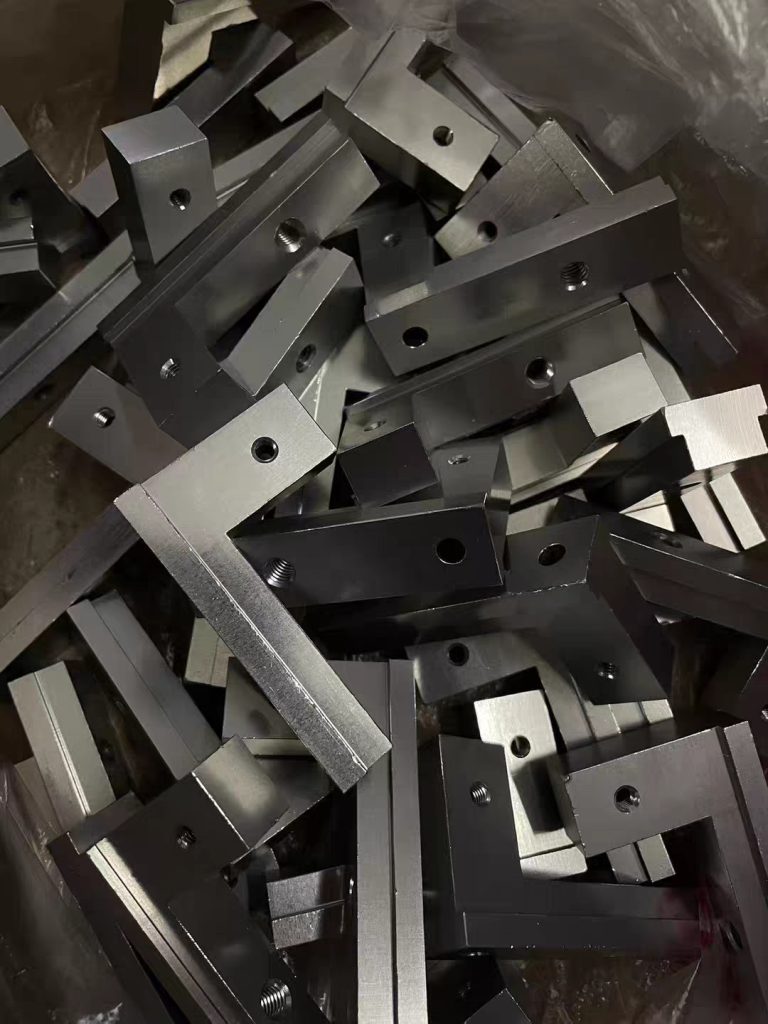
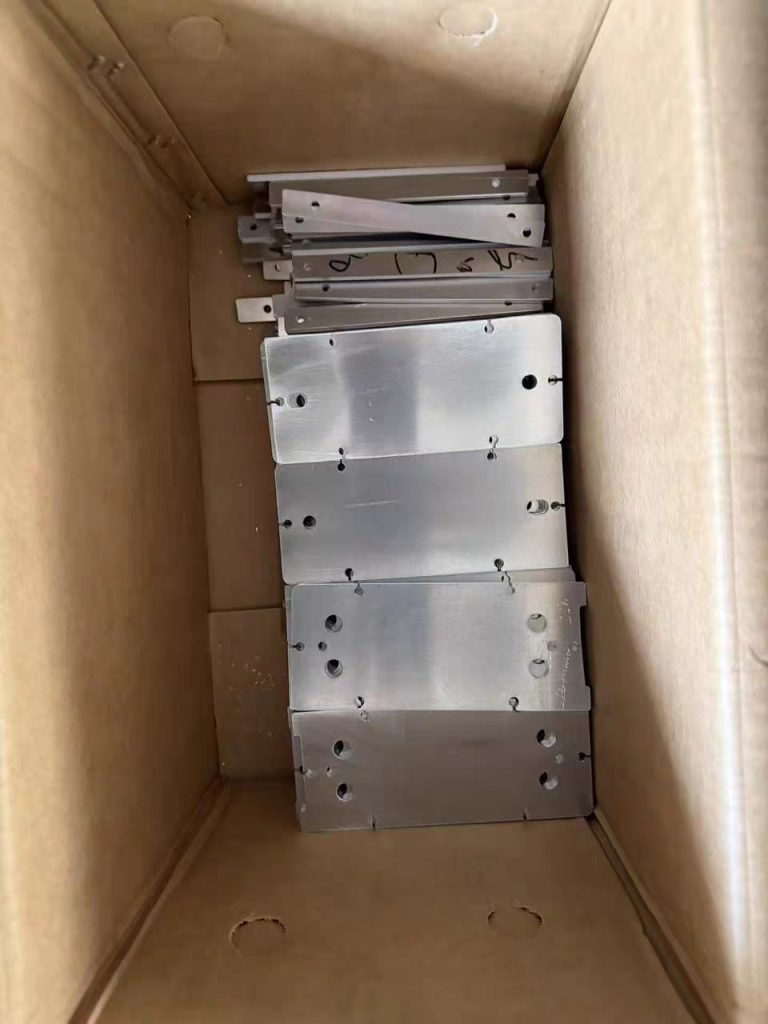
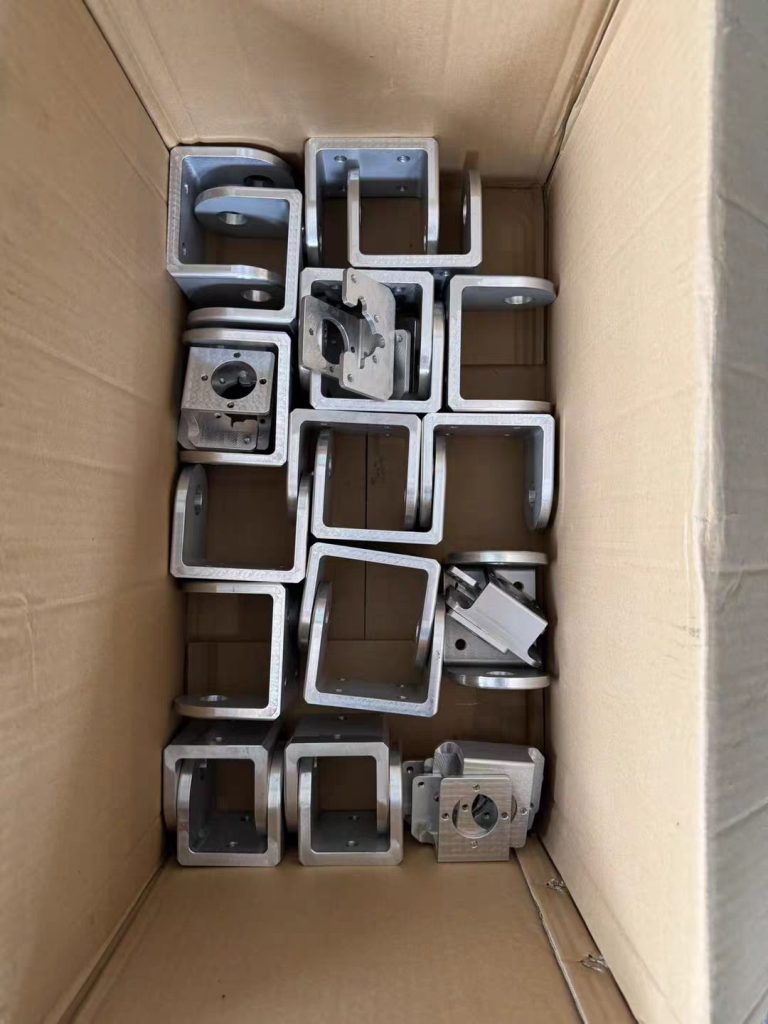
In the world of procurement, there are few words more stressful than “Waiting on Machining.”
You’ve promised your customer a delivery date. Your assembly line is scheduled. But your supplier’s response to “When will the parts be ready?” is vague: “We are running a bit behind schedule.”
At our facility, we believe lead time transparency is as important as dimensional accuracy. To help you plan better, we are pulling back the curtain on exactly what determines the speed of your order—and how to get precision parts in as little as 48 hours.
The 5 Hidden Bottlenecks That Delay Your Parts
Most buyers think machining time is the only factor. In reality, these five stages usually cause delays:
-
Design Freeze & RFQ Cycles: Going back-and-forth on DFM (Design for Manufacturability) feedback.
-
Raw Material Sourcing: Waiting for a specific alloy (like 7075-T6 or 316L) to arrive from the mill.
-
Machine Queue Time: Waiting for a machine with the right axis configuration (3-axis vs. 5-axis).
-
Secondary Operations: The “hidden” time spent on deburring, anodizing, or heat treatment.
-
Final QC & Documentation: CMM inspection and generating material certs (MTC).
Our “Rapid Response” Workflow
To eliminate these bottlenecks, we have optimized our process for speed without sacrificing quality:
Process Stage |
Traditional Supplier |
Our Accelerated Service |
|---|---|---|
Quote Turnaround |
24-48 Hours |
< 4 Hours (for standard parts) |
Material Prep |
Order from warehouse |
In-stock inventory (Over 500 tons of metals) |
Programming |
Manual CAM setup |
Standardized Macro Libraries |
Inspection |
Post-production CMM |
In-process probing (Renishaw systems) |
Typical Lead Times for Precision CNC Parts
While every part is unique, here is our standard benchmark for parts up to 300mm:
-
Prototype (1-5 pcs): 3-5 Business Days
-
Bridge Production (6-50 pcs): 7-10 Business Days
-
Mass Production (50+ pcs): 15-20 Business Days


No reply content