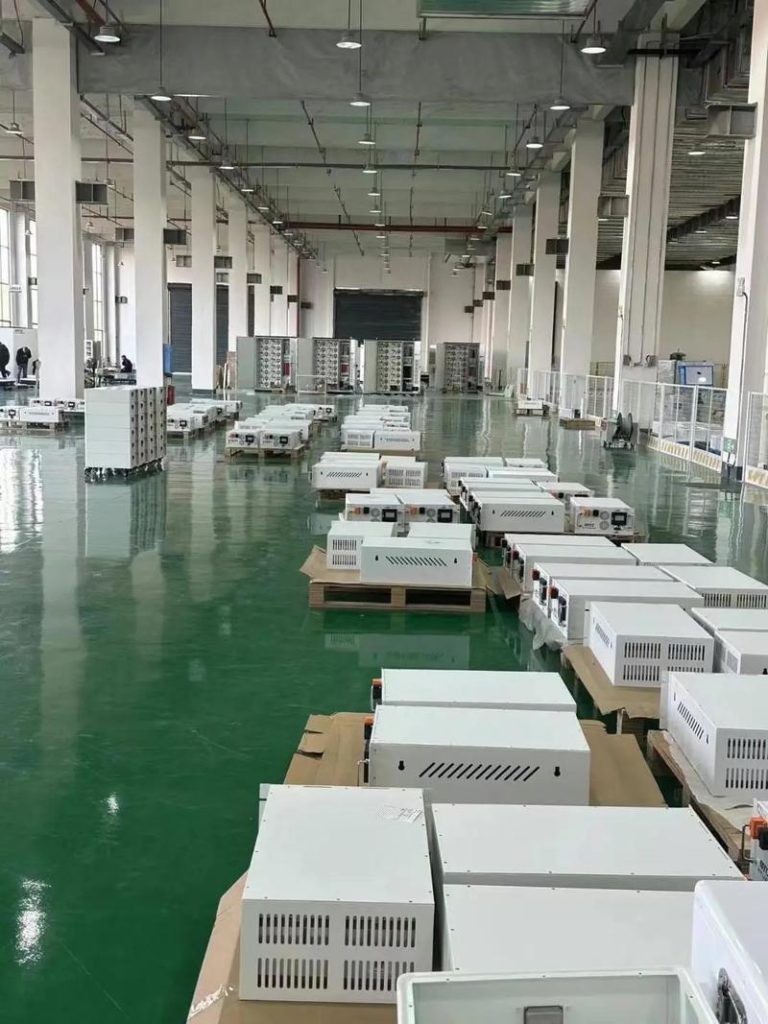
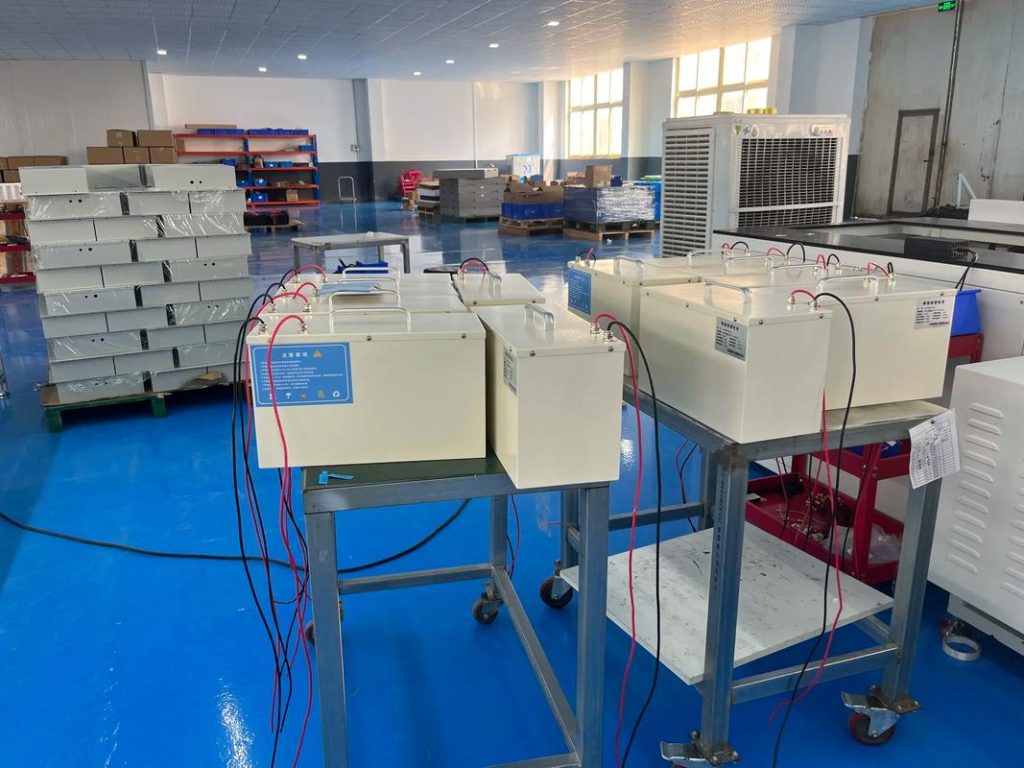
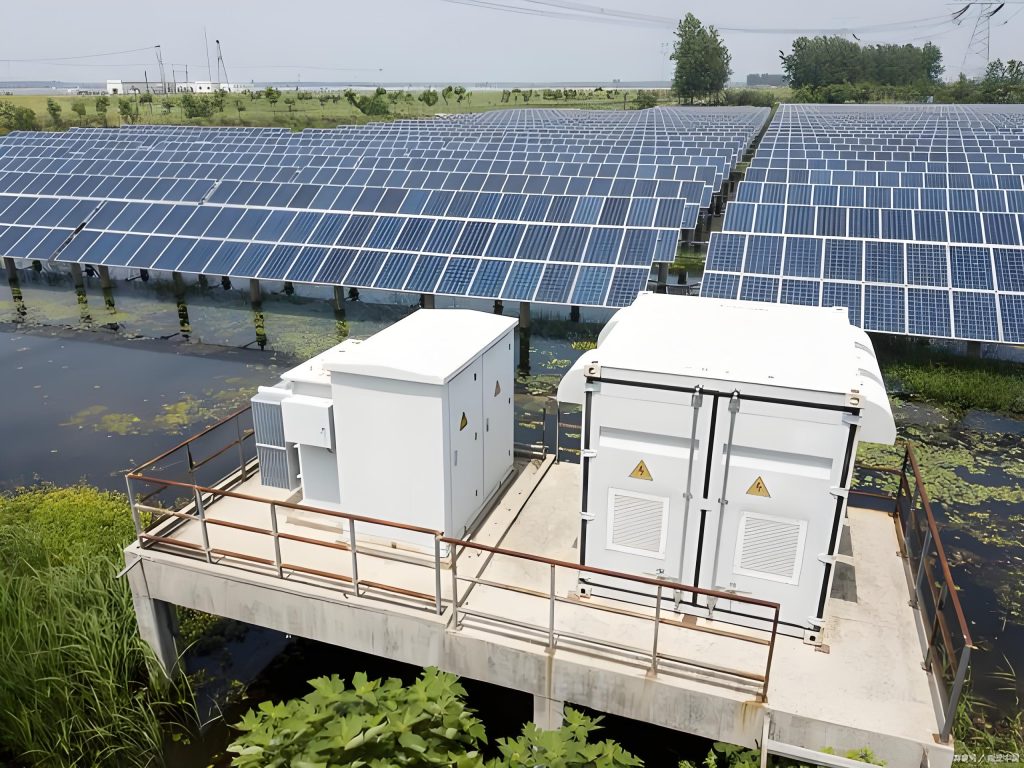
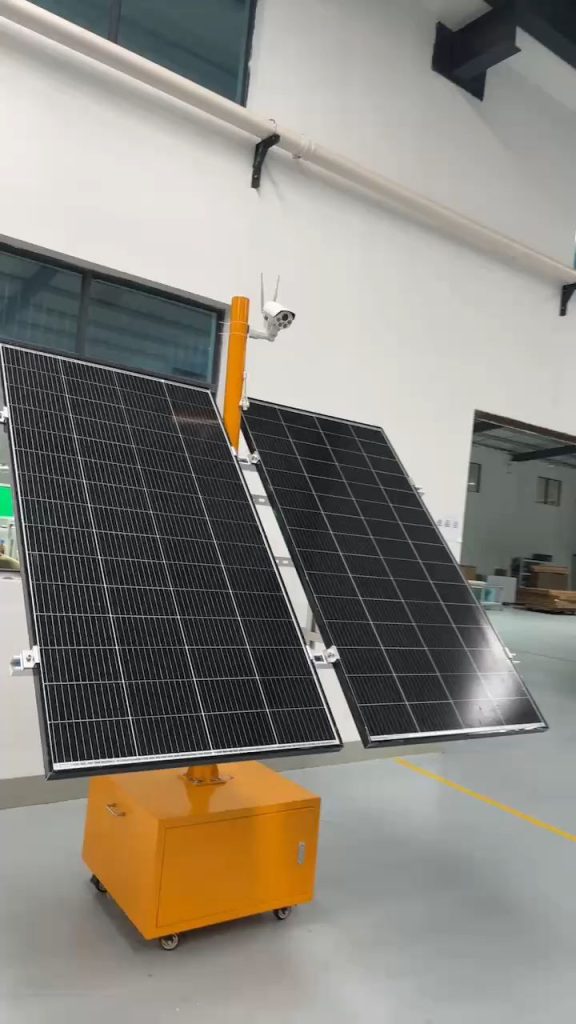
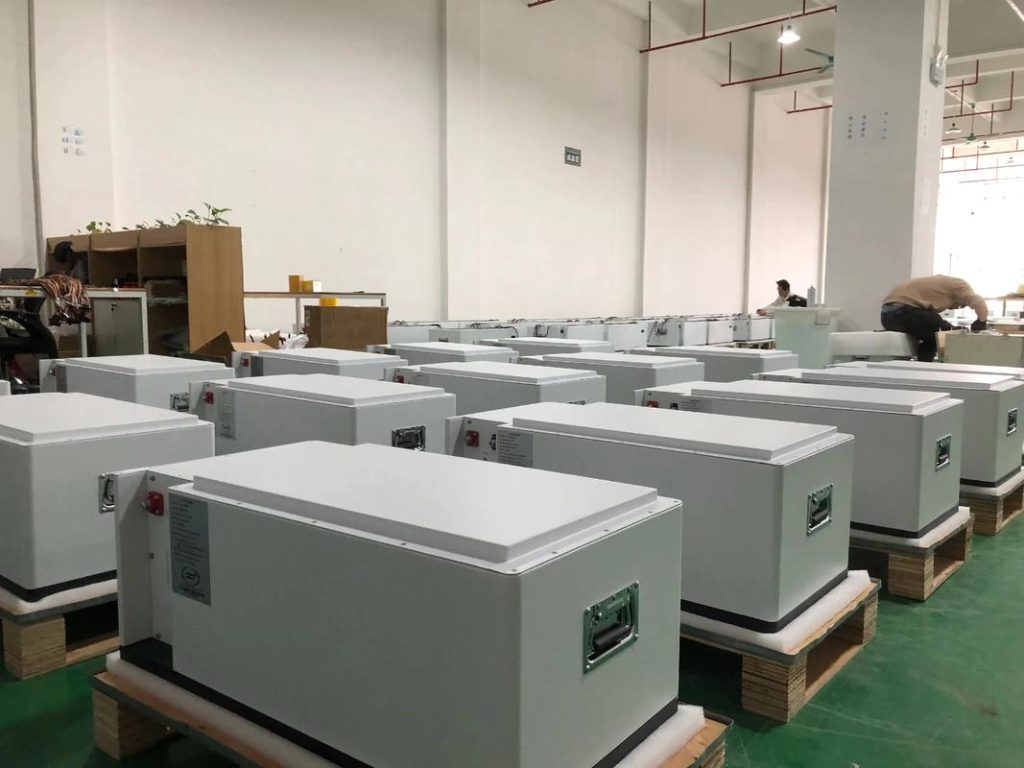
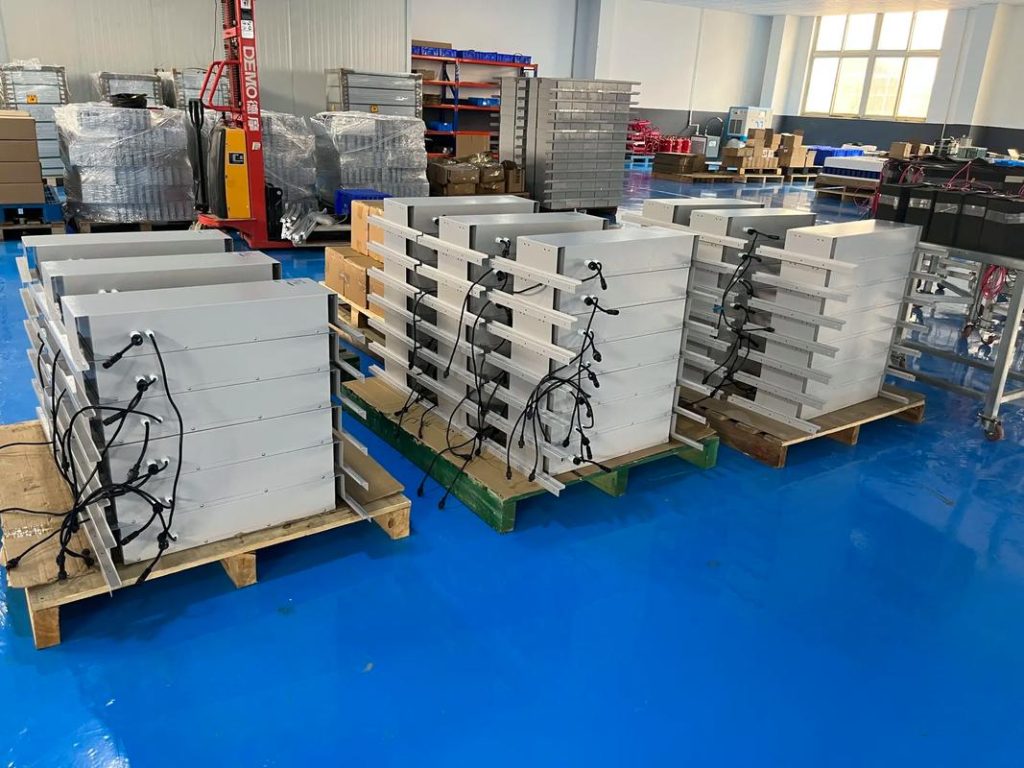
When choosing a solar energy storage system, battery technology plays a decisive role in performance, safety, lifespan, and total cost. Among all options available today, lithium-ion batteries and LFP (LiFePO₄) batteries are the two most commonly used solutions for solar energy storage.
This article compares lithium battery vs LFP battery for solar energy storage, helping homeowners, installers, and commercial buyers understand the differences and choose the right battery technology for their applications.
Why Battery Type Matters in Solar Energy Storage
Solar energy storage systems are designed for daily charge and discharge cycles over many years. Unlike portable electronics, solar batteries must deliver:
- Long cycle life
- High safety and stability
- Consistent performance
- Low maintenance requirements
The wrong battery choice can lead to reduced system lifespan, safety risks, and higher long-term costs.
What Is a Lithium-Ion Battery?
Lithium-ion batteries are a broad category of rechargeable batteries commonly used in consumer electronics, electric vehicles, and energy storage systems. In solar applications, lithium-ion batteries are valued for their high energy density and compact size.
Common lithium-ion chemistries include:
- NMC (Nickel Manganese Cobalt)
- NCA (Nickel Cobalt Aluminum)
What Is an LFP (LiFePO₄) Battery?
LFP batteries, also known as lithium iron phosphate batteries, are a specific type of lithium battery designed for higher safety and longer cycle life. They have become increasingly popular in residential and commercial solar energy storage systems.
LFP technology is widely used in:
- Home energy storage systems
- Commercial and industrial battery storage
- Off-grid solar systems
Lithium Battery vs LFP Battery: Key Differences
1. Safety Performance
LFP Battery
- Excellent thermal stability
- Lower risk of overheating
- More resistant to thermal runaway
Lithium-Ion (NMC/NCA)
- Higher energy density
- Requires advanced thermal management
- More sensitive to high temperatures
➡️ LFP batteries are generally considered safer for solar energy storage, especially for indoor and residential installations.
2. Cycle Life
Cycle life directly affects battery lifespan and return on investment.
- LFP battery: 6,000+ cycles
- Lithium-ion (NMC): 3,000–4,000 cycles
➡️ LFP batteries typically last longer in daily solar charge-discharge applications.
3. Energy Density
- Lithium-ion (NMC): Higher energy density, smaller size
- LFP: Slightly lower energy density, larger physical size
➡️ For space-limited applications, lithium-ion batteries may be more compact, while LFP prioritizes longevity and safety.
4. Depth of Discharge (DoD)
- LFP batteries: Up to 90–95%
- Lithium-ion batteries: Typically 80–90%
Higher DoD means more usable energy from the same battery capacity.
5. Cost and Long-Term Value
While lithium-ion batteries may have a lower upfront cost in some cases, LFP batteries often offer lower total cost of ownership due to their longer lifespan and reduced replacement frequency.
Typical Product Specifications Comparison
LFP Battery for Solar Energy Storage
- Nominal voltage: 48V / 51.2V
- Capacity range: 5 kWh – 500 kWh+
- Cycle life: ≥6,000 cycles
- Operating temperature: -10°C to 50°C
- Depth of discharge: Up to 95%
Lithium-Ion Battery (NMC) for Solar Storage
- Nominal voltage: 48V / High-voltage options
- Capacity range: 5 kWh – 300 kWh
- Cycle life: 3,000–4,000 cycles
- Operating temperature: 0°C to 45°C
- Depth of discharge: 80–90%
Which Battery Is Better for Different Applications?
Home Solar Energy Storage
LFP batteries are preferred due to their safety, long lifespan, and stable performance in daily cycling.
Commercial and Industrial Energy Storage
LFP batteries are widely used for peak shaving, load shifting, and backup power because of their durability and scalability.
Space-Constrained Installations
Lithium-ion batteries with higher energy density may be suitable where installation space is extremely limited.
OEM and Customization Considerations
Both lithium-ion and LFP batteries can be supplied as OEM solar energy storage solutions, including:
- Custom capacity design
- Voltage configuration
- System integration with inverters
- Private-label branding
For most OEM solar energy storage projects, LFP batteries are becoming the mainstream choice.
Frequently Asked Questions (FAQ)
Q1: Is LFP battery safer than lithium-ion battery?
Yes. LFP batteries offer better thermal stability and lower risk of overheating, making them safer for solar energy storage.
Q2: Which battery lasts longer for solar applications?
LFP batteries typically last longer due to their higher cycle life.
Q3: Are LFP batteries more expensive?
Upfront cost may be similar or slightly higher, but LFP batteries usually offer lower long-term cost due to longer lifespan.
Q4: Can both battery types be used in solar energy storage systems?
Yes. Both can be used, but system design and application requirements determine the best option.
Q5: Which battery type is better for off-grid solar systems?
LFP batteries are generally better for off-grid systems due to their durability and deep discharge capability.
Final Verdict
When comparing lithium battery vs LFP battery for solar energy storage, LFP batteries stand out for safety, longevity, and long-term value. While traditional lithium-ion batteries still have advantages in energy density, LFP technology has become the preferred choice for most residential and commercial solar energy storage systems.
Choosing the right battery technology ensures system reliability, safety, and maximum return on investment.


No reply content