
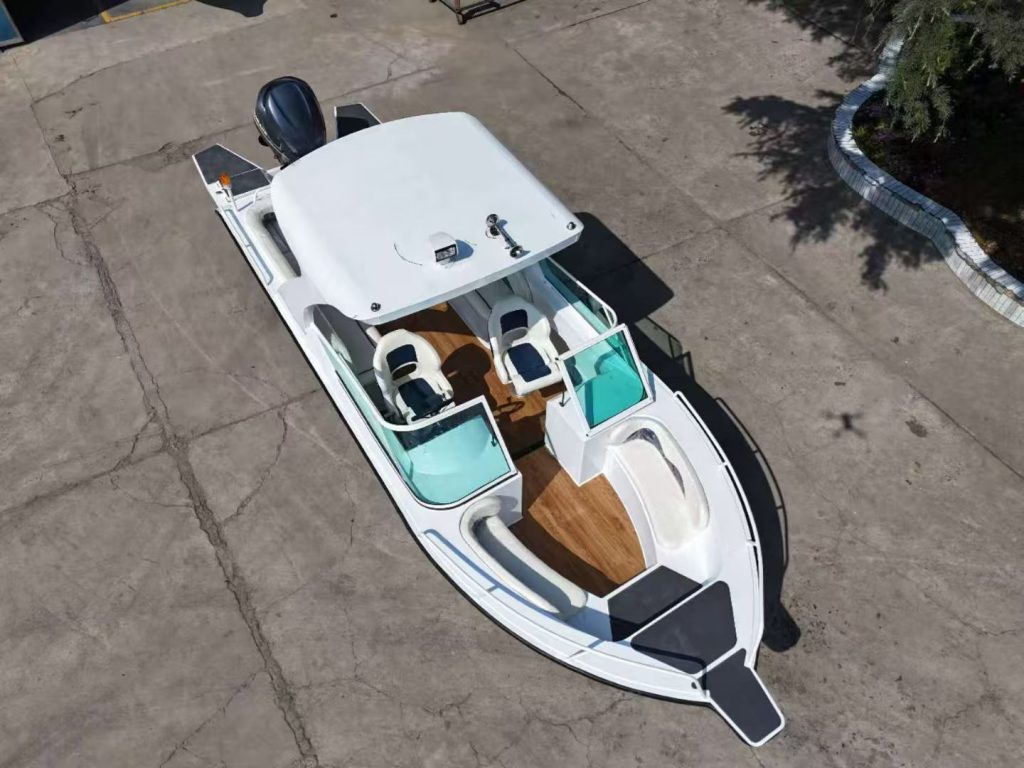
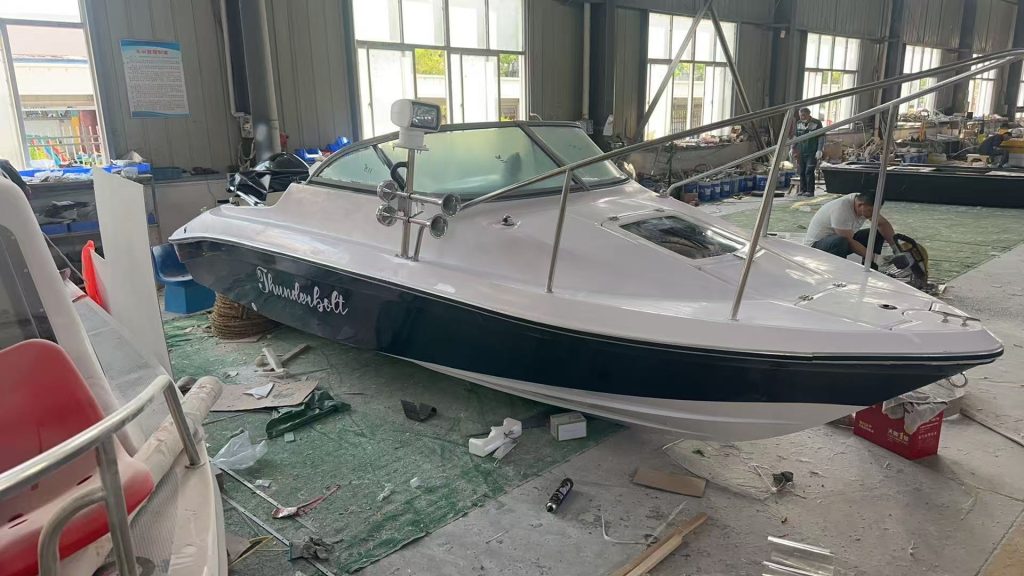
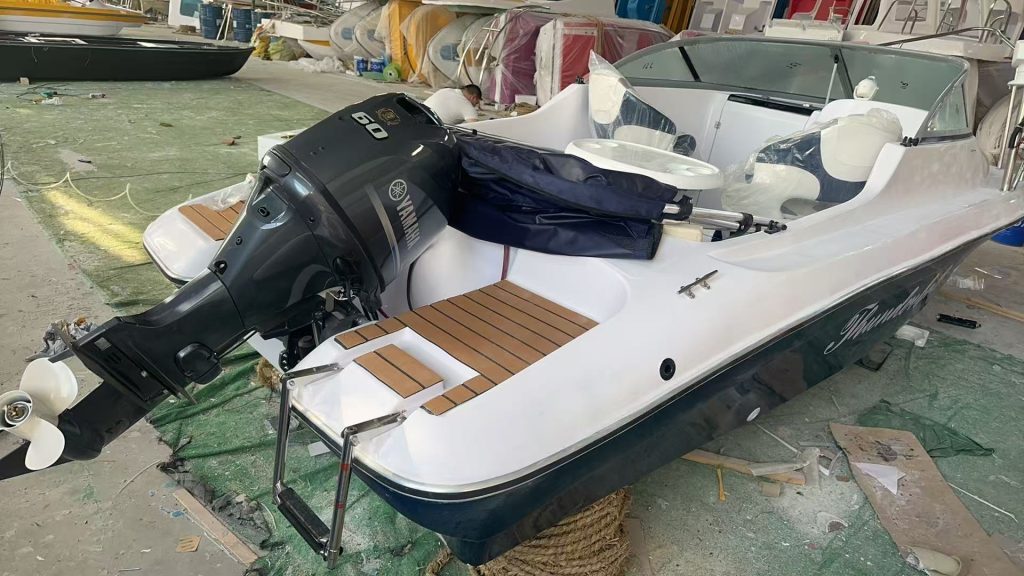
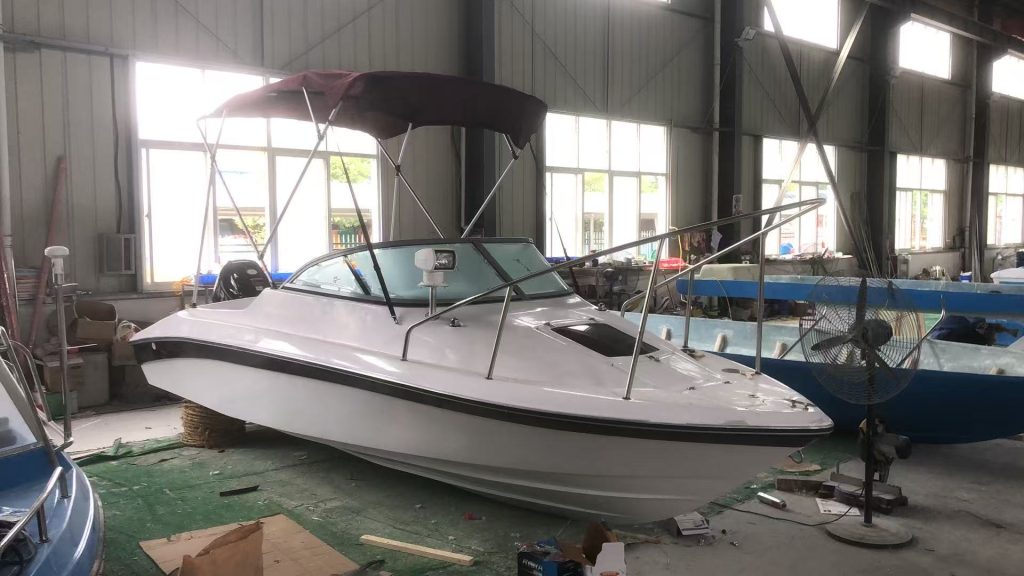
Experienced Yacht Builder and Marine Engineering Specialist
We are a professional yacht manufacturer and marine engineering company specializing in custom luxury yachts, performance motor yachts, aluminum expedition vessels, fiberglass cruising yachts, and semi-custom superyacht construction. With extensive expertise in naval architecture, composite hull engineering, propulsion system integration, interior joinery craftsmanship, marine electronics installation, and international maritime compliance, we deliver high-performance, seaworthy, and aesthetically refined yachts to global private owners and commercial operators.This comprehensive guide is based on real shipyard production experience, marine structural engineering knowledge, and international yacht export project management. It follows E-E-A-T principles (Experience, Expertise, Authoritativeness, Trustworthiness) to provide accurate and professional insights for yacht buyers, brokers, investors, and marine industry professionals.
Advanced Yacht Design and Manufacturing for Luxury, Performance, and Long-Range Cruising
Modern yachts are no longer simple leisure boats—they represent the fusion of marine engineering, luxury interior design, hydrodynamic science, and precision manufacturing. From sleek motor yachts to ocean-crossing expedition vessels, today’s yacht construction industry integrates innovation, sustainability, and advanced technology.
If you are searching for:
- Custom luxury yacht builder
- Fiberglass motor yacht manufacturer
- Aluminum expedition yacht shipyard
- Semi-custom superyacht construction company
- High-performance offshore yacht supplier
- Turnkey yacht design and build solution
This in-depth article explores yacht classifications, hull materials, propulsion systems, onboard technologies, customization processes, safety compliance, export logistics, cost factors, and long-term ownership considerations.
🚤 1. Types of Modern Yachts
🛥 Motor Yachts
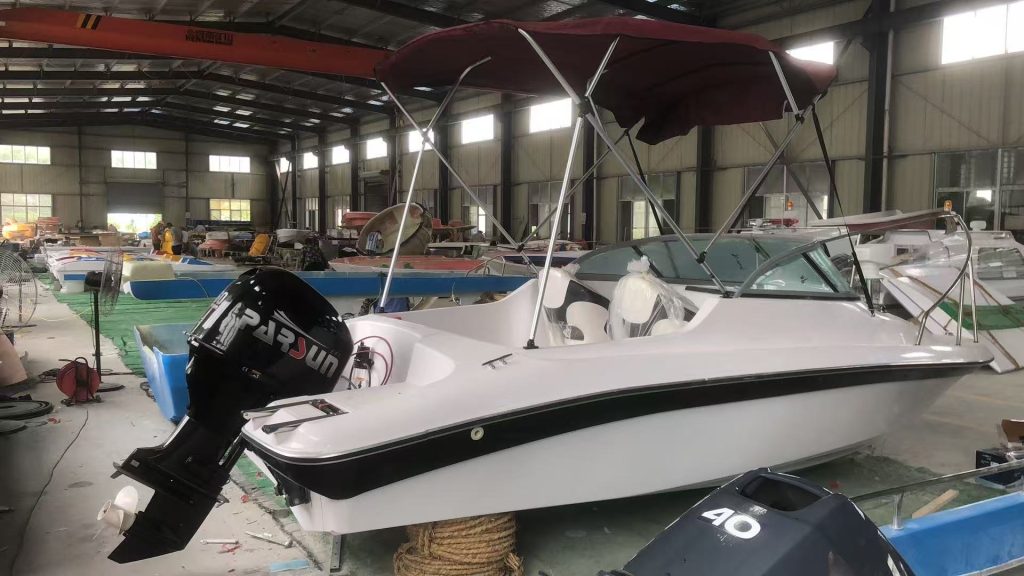
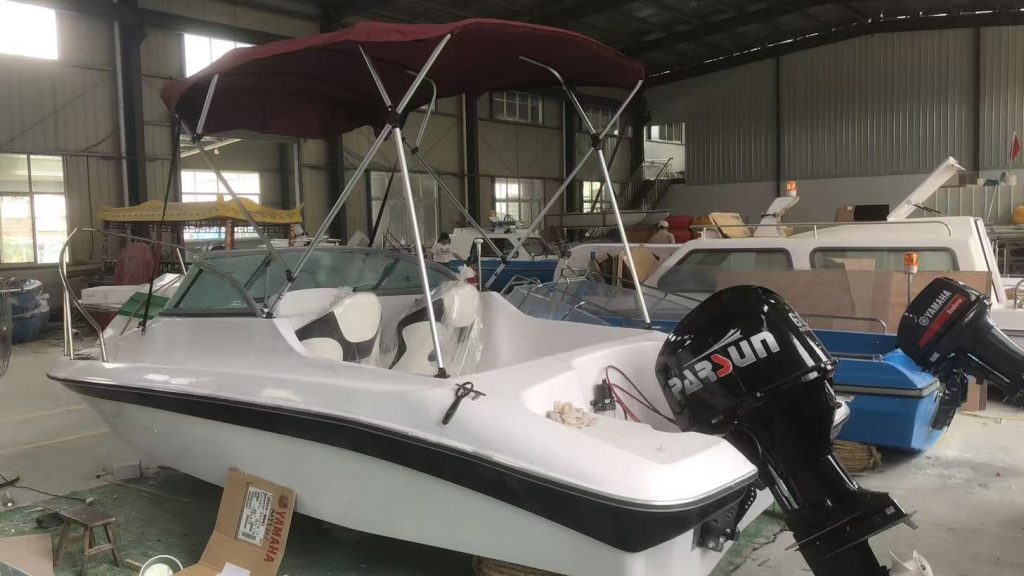
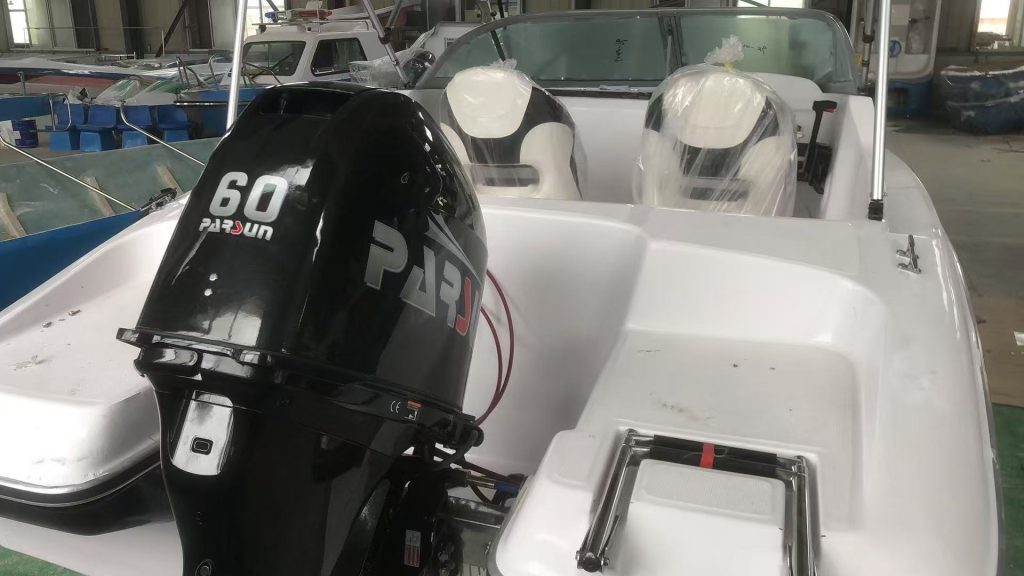
Motor yachts are powered by inboard or outboard engines and are known for speed, comfort, and versatility.
Key Characteristics:
- Planing or semi-displacement hull design
- Flybridge or sport bridge options
- Large interior salon and cabins
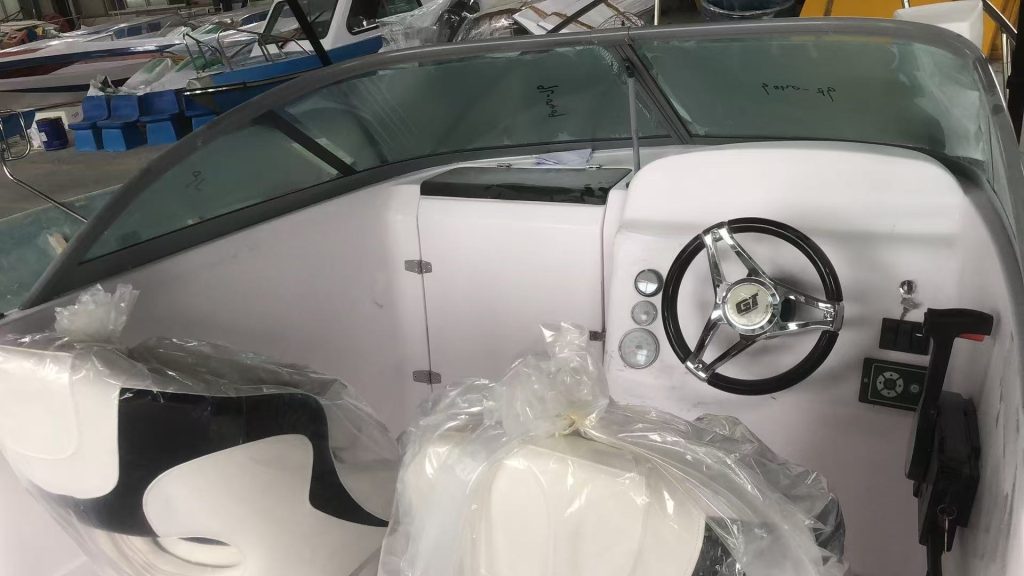
- Advanced navigation systems
- Suitable for coastal and offshore cruising
They are popular for private leisure and charter markets.
🌊 Expedition and Explorer Yachts
Explorer yachts are designed for long-range ocean voyages and remote destinations.
Features:
- Steel or aluminum hull construction
- Reinforced structural frame
- High fuel capacity
- Stabilization systems
- Ice-class optional design
Ideal for global cruising enthusiasts seeking endurance and safety.
🏝 Luxury Superyachts
Superyachts exceed 24 meters and emphasize luxury and customization.
Onboard Amenities:
- Jacuzzi or swimming pool
- Beach club platform
- Master suite with panoramic windows
- Cinema room
- Professional galley
- Crew quarters
These vessels represent the highest level of marine craftsmanship.
🧱 2. Hull Construction and Material Engineering
The hull is the structural backbone of a yacht.
⚓ Fiberglass (FRP) Construction
- Lightweight and corrosion-resistant
- Mold-based precision shaping
- Lower maintenance cost
🏗 Aluminum Hull Design
- Strong yet lightweight
- Suitable for high-speed yachts
- Corrosion-resistant with proper coating
🔩 Steel Hull Fabrication
- Superior durability
- Ideal for long-range expedition yachts
- Enhanced structural integrity
Material choice affects performance, durability, and cost.
⚙ 3. Propulsion Systems and Performance Optimization
Professional yacht engineering focuses on propulsion efficiency.
Engine Options:
- Twin diesel inboard engines
- IPS pod drive systems
- Waterjet propulsion
- Hybrid diesel-electric systems
Performance Considerations:
- Fuel efficiency
- Cruising speed vs maximum speed
- Noise reduction
- Vibration isolation
Advanced propulsion enhances comfort and range.
🧭 4. Navigation and Marine Electronics Integration
Modern yachts integrate advanced electronics.
Standard Equipment:
- GPS chartplotters
- Radar systems
- AIS tracking
- Autopilot systems
- Sonar depth finders
Optional Smart Systems:
- Digital yacht monitoring
- Satellite communication
- Remote vessel control
- Integrated entertainment networks
Reliable electronics ensure safe navigation.
🛋 5. Interior Design and Custom Joinery Craftsmanship
Luxury yachts require expert interior planning.
Interior Elements:
- Marine-grade hardwood cabinetry
- Leather and fabric upholstery
- Stone countertops
- Custom lighting systems
- Acoustic insulation
Professional interior design balances elegance and weight distribution.
🌡 6. Climate Control and Onboard Comfort
Yachts operate in varying climates.
Comfort Systems:
- Marine air conditioning
- Freshwater desalination systems
- Central heating systems
- Stabilizers to reduce roll
Comfort significantly enhances onboard experience.
🔐 7. Safety Standards and Maritime Compliance
Yacht manufacturing must comply with international regulations.
Common Certifications:
- CE certification (Europe)
- ABS classification
- RINA certification
- MCA compliance for charter yachts
Compliance ensures safety and global operability.
🏭 8. Yacht Construction Process
Professional yacht shipyards follow structured procedures:
- Naval architecture design
- 3D modeling and engineering analysis
- Hull lamination or welding
- Mechanical system installation
- Electrical wiring and integration
- Interior installation
- Sea trial testing
- Final inspection and delivery
Sea trials verify structural integrity and performance metrics.
🌍 9. Export and International Yacht Delivery
Yachts may be delivered via:
- Direct sea voyage
- Yacht transport ship
- Containerized shipment (smaller vessels)
Proper insurance and documentation are essential.
💰 10. Factors Influencing Yacht Pricing
Cost depends on:
- Yacht size and length
- Hull material
- Engine configuration
- Interior customization
- Onboard technology
- Certification requirements
- Brand positioning
Superyachts require substantial engineering and luxury finishing investments.
🔧 11. Maintenance and Long-Term Ownership
Owning a yacht involves ongoing maintenance.
Regular Maintenance:
- Engine servicing
- Hull inspection
- Anti-fouling coating renewal
- Electrical system checks
- Safety equipment inspection
Professional maintenance ensures vessel longevity and resale value.
🌱 12. Sustainability in Modern Yacht Building
Marine sustainability is increasingly important.
Innovations:
- Hybrid propulsion systems
- Solar panel integration
- Eco-friendly antifouling coatings
- Wastewater treatment systems
Green technology improves environmental responsibility.
📈 13. Future Trends in Luxury Yacht Engineering
Emerging trends include:
- Hydrogen fuel research
- Autonomous navigation systems
- Lightweight carbon composite hulls
- Smart yacht automation
- Enhanced energy storage systems
Technological evolution continues shaping the industry.
🤝 14. Why Choose an Experienced Yacht Builder?
Partnering with a professional shipyard provides:
- Naval architecture expertise
- Advanced composite manufacturing capability
- Compliance with maritime standards
- Custom interior craftsmanship
- Reliable after-sales support
- Global delivery experience
Professional builders ensure safety, durability, and long-term value.
FAQ – Luxury Yacht Manufacturing and Ownership
1. How long does it take to build a custom yacht?
Production timelines vary based on size and complexity. Smaller motor yachts may take 6–12 months, while custom superyachts can require 18–36 months.
2. What hull material is best for long-range cruising?
Steel and aluminum are preferred for expedition yachts due to strength and durability in open-ocean conditions.
3. Are yachts suitable for commercial charter operations?
Yes, but they must comply with specific charter certifications such as MCA regulations.
4. How often should a yacht undergo maintenance?
Routine inspections are recommended annually, with engine servicing based on usage hours.
5. Can yachts be customized completely?
Yes. From layout configuration to interior materials and onboard technology, most high-end yachts are fully customizable.
Conclusion: Precision Engineering Meets Luxury Marine Craftsmanship
Modern yacht construction integrates advanced naval engineering, innovative materials, luxury interior design, and strict maritime compliance. Whether commissioning a performance motor yacht, long-range expedition vessel, or custom superyacht, partnering with an experienced yacht manufacturer ensures safety, quality, and lasting value.
For a personalized yacht proposal, please provide:
- Desired yacht length
- Intended cruising region
- Preferred hull material
- Custom interior requirements
- Performance expectations
- Budget range
Our marine engineering and design team will develop a tailored yacht solution aligned with your vision and operational needs.


No reply content