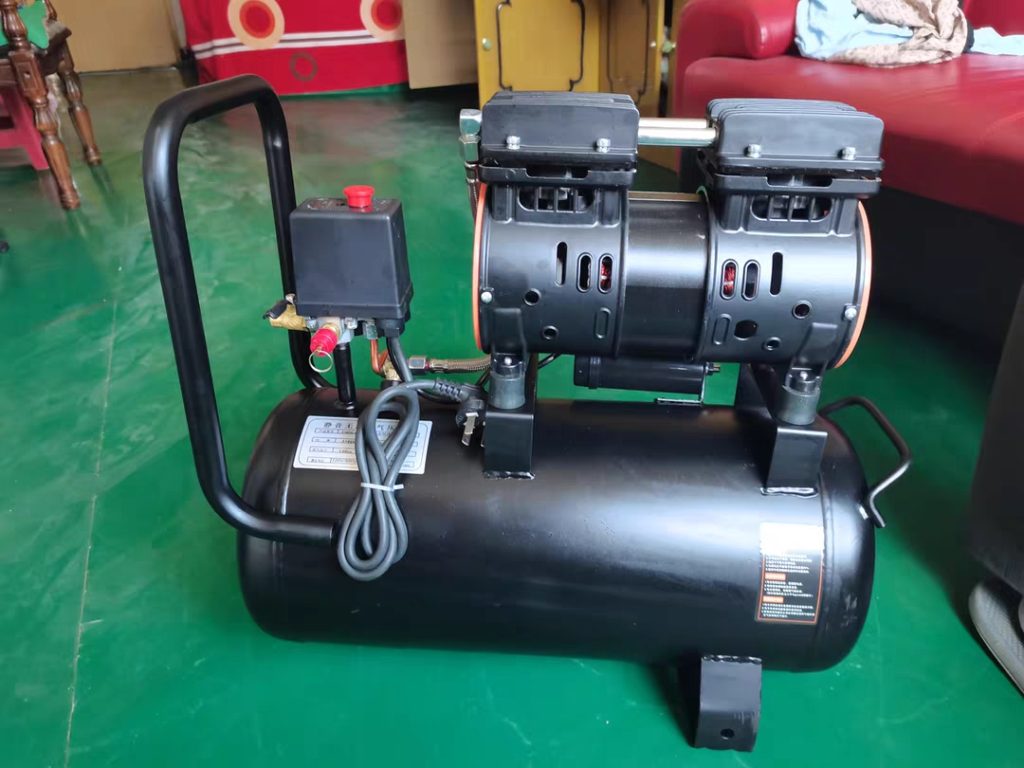
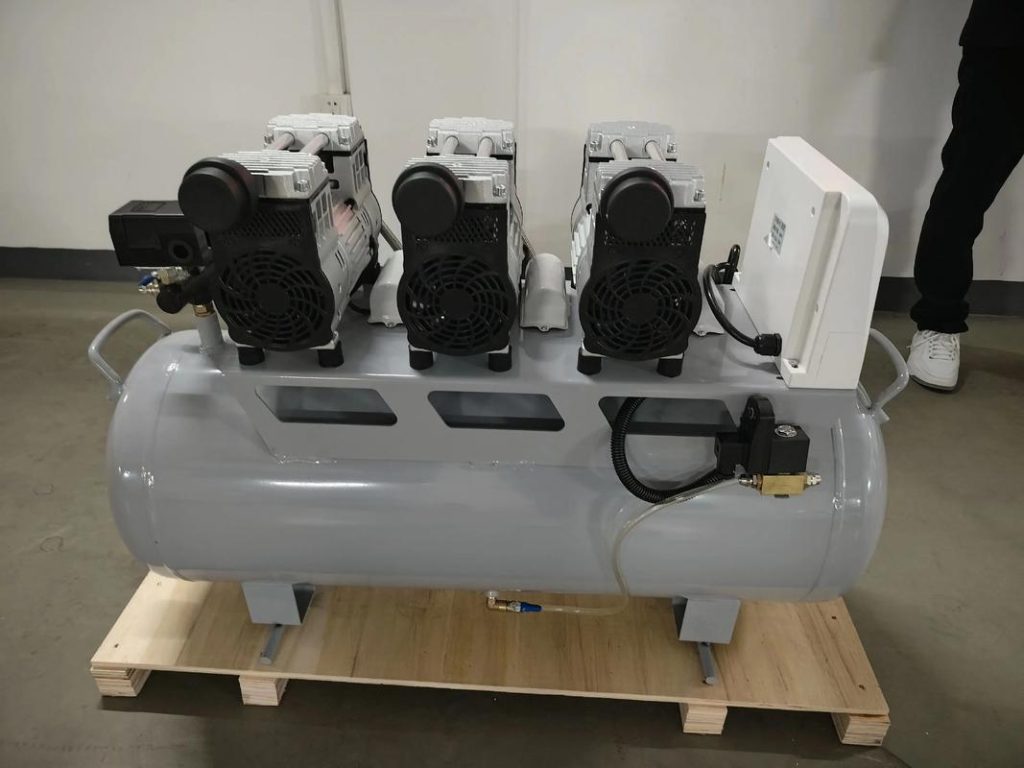
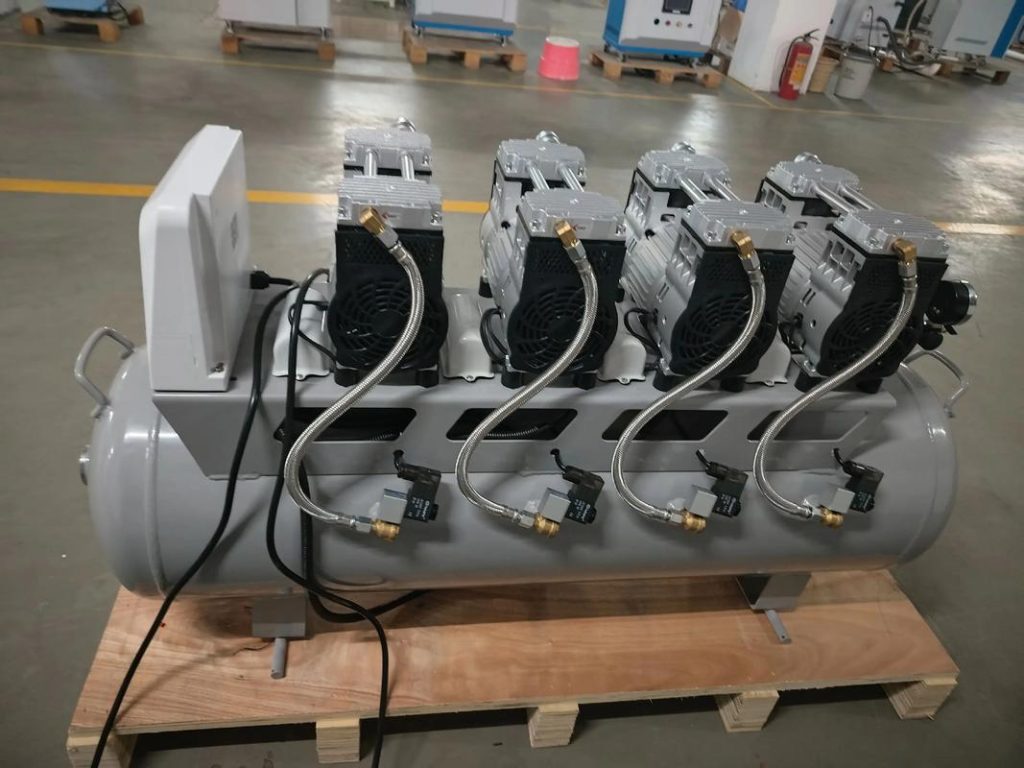
Compressed air is a vital resource in modern manufacturing. Choosing a reliable supplier requires examining technical expertise, production experience, quality assurance processes, and lifecycle performance for consistent operational excellence.
Introduction: Compressed Air as the Backbone of Industry
Compressed air powers automation, pneumatic machinery, robotics, and production systems. While many buyers focus on initial cost, selecting suppliers based on reliability, engineering capability, and operational performance ensures sustainable, long-term efficiency. This article provides an experience-driven guide using E-E-A-T principles—Experience, Expertise, Authoritativeness, and Trustworthiness—to help industrial buyers make informed choices.
Section 1: Key Industrial Air Compressor Types
Before evaluating suppliers, it is crucial to understand compressor categories:
Rotary Screw Compressors
- Continuous operation, stable airflow
- High energy efficiency
- Common in automotive, electronics, and packaging industries
Oil-Free Compressors
- Essential for pharmaceutical, food, and electronics production
- Ensures contaminant-free air
- Requires precise manufacturing tolerances
Piston/Reciprocating Compressors
- Intermittent or low-volume operations
- Cost-effective for workshops and smaller factories
- Less suitable for continuous industrial use
Portable Diesel Compressors
- Outdoor applications and construction sites
- Mobility and durability
- Suitable for temporary industrial needs
Understanding compressor types ensures alignment with operational requirements.
Section 2: Experience – Proven Track Record
Experience is the foundation of reliability. Suppliers with extensive manufacturing experience demonstrate:
- 10+ years of industrial compressor production
- Multiple product generations and iterative design improvements
- Case studies in varied industrial environments
- Lessons learned from operational challenges
Experienced suppliers refine: rotor profiles, cooling channels, oil-air separation, vibration, and noise reduction. Real-world experience ensures consistent industrial performance.
Section 3: Expertise – Engineering Excellence
Expertise differentiates engineering-driven suppliers from assembly-focused ones.
Airend Design
- Precision rotor machining
- Surface durability treatments
- Bearing load distribution and dynamic balancing
- Pressure-flow optimization
Energy Efficiency
- Specific power optimization (kW/m³/min)
- Integration of variable frequency drives
- Load-based energy control
- Idle-loss reduction
Cooling System Design
- Optimized airflow and heat dissipation
- Oil and air temperature stability
- Adaptation to extreme climates
Suppliers with strong technical expertise provide quantitative explanations of performance rather than marketing claims.
Section 4: Authoritativeness – Standards and Compliance
Authoritative suppliers demonstrate structured management:
- ISO 9001 or equivalent quality systems
- Pressure vessel compliance
- Electrical safety verification
- Documented SOPs and production traceability
Structured management ensures consistent, high-quality manufacturing across all units.
Section 5: Trustworthiness – Transparency and Quality Assurance
Trustworthy suppliers provide transparency:
- Technical documentation and performance reports
- Noise and energy testing results
- Continuous load and endurance testing
- Clear warranty and service policies
Quality control workflow:
- Material inspection
- CNC verification
- Assembly calibration
- Leak testing
- Full-load performance check
- Endurance assessment
- Final inspection and documentation
- Export packaging
Third-party audits or virtual inspections increase trust and reliability.
Section 6: Lifecycle Cost – Beyond Initial Price
Total cost of ownership includes:
- Energy consumption
- Maintenance and service intervals
- Spare parts replacement
- Downtime and lost productivity
- Efficiency degradation
Energy efficiency is the largest cost factor; high-quality suppliers reduce operational expenses over time.
Section 7: After-Sales Support
Reliable after-sales infrastructure ensures continuity:
- Spare parts inventory
- Technical manuals
- Remote diagnostics
- Clear warranty and service response times
Suppliers prioritizing support minimize downtime and protect industrial investment.
Section 8: Customization and Operational Flexibility
Advanced suppliers provide tailored solutions:
- Voltage/frequency adaptation
- Climate-specific configurations
- Control panel language customization
- Energy-saving upgrades
- Remote monitoring
Flexibility reflects engineering depth and operational maturity.
Section 9: Risk Assessment
Warning signs include:
- Vague technical specifications
- Limited performance or energy data
- Poor spare parts availability
- Weak communication
- Unclear warranty policies
Proactive risk assessment prevents operational disruptions.
Section 10: Structured Supplier Evaluation
Objective evaluation uses a scoring framework:
| Category | Weight | Key Metrics |
|---|---|---|
| Experience | 20% | Years, case studies |
| Expertise | 25% | Airend performance, engineering depth |
| Compliance | 15% | ISO certification, SOPs |
| Quality Control | 20% | Testing transparency, documentation |
| After-Sales Support | 10% | Spare parts, response time |
| Energy Efficiency | 10% | Specific power, operational stability |
This ensures data-driven supplier selection.
Section 11: Insights from Industrial Buyers
Industrial buyers prioritize:
- Stable air pressure and flow
- Low operational noise and vibration
- Predictable maintenance schedules
- Reliable spare parts supply
- Transparent technical communication
Consistency is the key indicator of a supplier’s value.
Conclusion: Achieving Operational Excellence
Selecting an air compressor supplier is a strategic, long-term industrial decision. Reliable suppliers demonstrate:
- Proven industrial experience
- Deep engineering expertise
- Structured quality and management systems
- Transparent performance documentation
- Robust after-sales support
Final Insight: Suppliers chosen with E-E-A-T principles and lifecycle evaluation reduce energy costs, prevent downtime, and ensure predictable operational performance for years. Strategic selection enables sustainable industrial growth.
FAQ
Q1: Why prioritize engineering expertise over price?
Engineering depth ensures efficiency, reliability, and reduced lifecycle costs.
Q2: What defines a trustworthy supplier?
Transparent documentation, testing procedures, and clear warranty policies indicate reliability.
Q3: Should lifecycle cost guide selection?
Yes. Energy, maintenance, and downtime often outweigh initial equipment costs.
Q4: Are factory inspections necessary?
Yes. Physical or virtual audits validate manufacturing and quality control.
Q5: How can technical depth be evaluated?
Request airend specifications, performance curves, cooling system data, and quantitative explanations.


No reply content