
Introduction: The Dynamic Pulse of Sino-Indonesian Trade
As we navigate through 2026, the trade corridor between China and Indonesia has transformed into a high-speed engine for regional growth. With Indonesia’s entry into a more mature phase of the Regional Comprehensive Economic Partnership (RCEP) and the continued success of the Belt and Road Initiative (BRI), bilateral trade has transcended traditional commodities to include high-tech electronics, new energy vehicles (NEVs), and a massive e-commerce influx.
For businesses shipping from China to the “Emerald of the Equator,” logistics is no longer just a cost center—it is a strategic differentiator. However, Indonesia remains one of the world’s most challenging customs environments. As your freight forwarding partner, I present this 2026 guide to help you navigate the complexities of shipping, compliance, and last-mile delivery.
1. The RCEP 2026 Advantage: Slashing Duties and Delays
In 2026, the RCEP agreement is a powerful tool for cost optimization. Most industrial goods from China now qualify for significant tariff reductions or complete exemptions in Indonesia.
The Power of “Form RCEP”
Previously, most shippers relied on the Form E (ACFTA). Today, the RCEP Certificate of Origin offers even greater flexibility, especially for goods with components sourced from multiple member states.
- Self-Certification: In 2026, many “Approved Exporters” can now self-certify their origin, bypassing traditional paper-heavy applications and reducing pre-shipment lead times by 2–3 days.
- Electronic Data Exchange: Indonesia’s customs system (CEISA) is now more tightly integrated with China’s GACC, allowing for “Paperless Clearance” that ensures your cargo doesn’t sit idle at Tanjung Priok while waiting for original documents to arrive by courier.
2. Navigating the “Red Ribbon” and Customs Compliance
Indonesia is famous for its “Lampu Merah” (Red Ribbon)—periods of intense customs scrutiny. In 2026, compliance is not just a suggestion; it is the only way to survive.
The 2026 Regulatory Landscape
- Permendag No. 47/2025: This recent regulation has tightened the import of used goods and certain raw materials. If you are shipping second-hand machinery or textiles, your documentation must be 100% accurate to avoid mandatory re-export or seizure.
- Standardization of Units: Per the 2026 customs updates, all export units must be standardized. Any discrepancy between the Packing List and the physical cargo can trigger a “Red Channel” inspection, which can delay your shipment by 14–21 days.
- HS Code Precision: Indonesian Customs now utilize AI-driven risk profiling. If your HS Code is misclassified to avoid a higher duty bracket, the system flags it instantly. We provide a Pre-Import HS Code Audit to ensure your PIB (Import Declaration) is bulletproof.
3. Choosing Your Mode: Speed vs. Archipelago Logistics
Indonesia’s geography—over 17,000 islands—requires a multimodal mindset.
A. Ocean Freight: The Scalability Champion
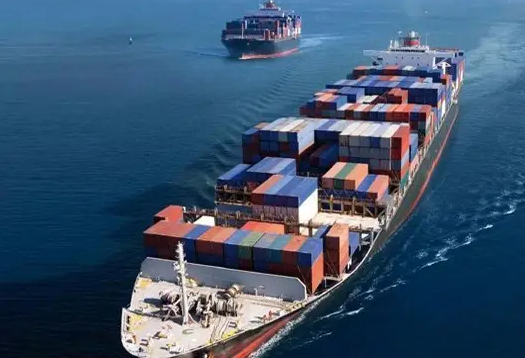
Ocean freight remains the primary choice for the “Three New” exports—EVs, batteries, and solar panels.
- FCL (Full Container Load): Direct sailings from Shanghai, Ningbo, and Shenzhen to Jakarta (Tanjung Priok) or Surabaya (Tanjung Perak) are now optimized. In Feb 2026, a 40HQ container from Shenzhen to Jakarta averages $975–$1,150.
- LCL (Less than Container Load): For e-commerce startups, our LCL consolidation service in Guangzhou offers rates as low as $5 per CBM, making it the most accessible entry point to the Indonesian market.
B. Air Freight: The Tech-Sector Lifeline
With Indonesia’s “Vision 2045” pushing for digital industrialization, air freight is vital for high-value components.
- Transit Time: 3–5 days door-to-door.
- 2026 Pricing: Air freight to Soekarno-Hatta (CGK) for volumes over 1,000kg is roughly $2.10–$2.40 per kg. This is ideal for medical devices and urgent automotive spare parts.
C. The DDP (Delivered Duty Paid) Revolution
For those who want to avoid the “Customs Headache,” our DDP Sea and Air services are the industry standard in 2026. We handle the export, freight, taxes (VAT is currently 11%), and final-mile delivery, giving you a fixed “All-In” price.
4. Port Intelligence: Beyond Jakarta
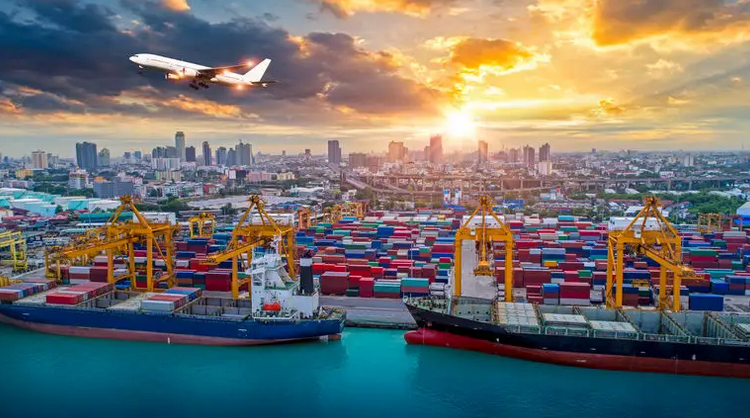
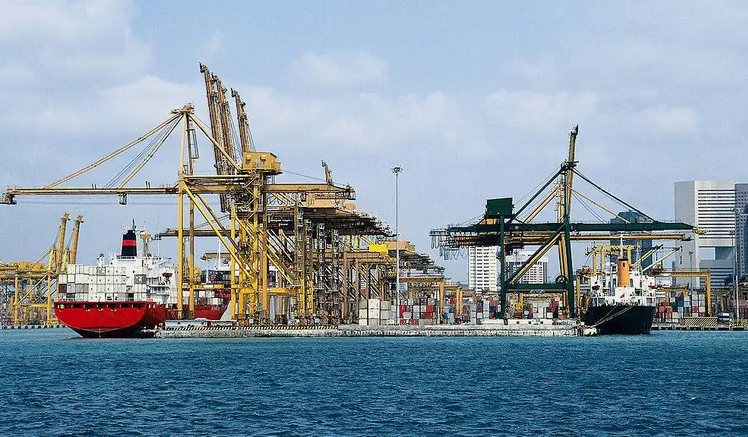
While Tanjung Priok handles the majority of cargo, 2026 has seen the rise of regional hubs:
- Khalifa Port (Banten): Reducing the load on Jakarta and offering faster access to the western industrial zones.
- Patimban Port: Now a mature hub for automotive exports and imports, providing a “Green Lane” for car manufacturers.
- The “Two Countries, Twin Parks” Strategy: We offer specialized logistics for industrial zones like the Minyuan Industrial Park, where customs procedures are streamlined for companies operating within the park.
5. Risk Management: The 2026 Peak Season Outlook
Logistics is about predicting the unpredictable.
- The CNY Surge (Feb 17, 2026): Because both China and the Chinese-Indonesian community celebrate, the mid-February period is a logistical “Blank Spot.” The Forwarder’s Tip: Book your space by mid-January to avoid the 40% rate spike.
- Ramadan and Eid Al-Fitr: In 2026, Ramadan begins in early March. Port productivity in Indonesia traditionally slows down by 20% during this month, and trucking capacity during the “Mudik” (homecoming) season becomes extremely tight.
6. Digitalization: The “Invisible” Supply Chain
In 2026, a forwarder’s value is in their dashboard, not just their warehouse.
- Real-Time Visibility: We provide GPS-enabled container tracking. You no longer have to ask “Where is my ship?”—you see it on your phone.
- Blockchain Documentation: We utilize e-Bills of Lading to prevent document loss and ensure that as soon as the ship berths in Jakarta, the “Telegraphic Release” is instantaneous.
7. Sustainability: The Green Corridor
As Indonesia moves toward its “Net Zero” goals, we offer Eco-Logistics options. From utilizing LNG-powered vessels on the China-ASEAN route to using electric trucks for the final mile in Jakarta, we help our clients meet their corporate ESG (Environmental, Social, and Governance) requirements.
Conclusion: Why Local Expertise Wins
Shipping from China to Indonesia is not a commodity; it is a specialized craft. The “cheapest” quote often becomes the most expensive after accounting for “Red Ribbon” delays, storage fees, and customs fines.
As your freight forwarder, my mission is to provide you with a stress-free supply chain. We handle the complexity of the HS codes, the volatility of the sea rates, and the strictness of the Indonesian customs audits so that you can focus on your core mission: growing your brand in the most exciting economy in Southeast Asia.
Quick Comparison: 2026 China-Indonesia Shipping
|
Mode |
Transit Time |
Cost Level |
Best For |
|---|---|---|---|
|
Sea FCL (Jakarta) |
8–12 Days |
$ |
Construction, Machinery, EVs |
|
Sea LCL |
12–18 Days |
$ |
Retail, Fashion, Furniture |
|
Air Freight |
3–5 Days |
$$$ |
High-tech, Pharma, Urgent Samples |
|
DDP (Door-to-Door) |
10–15 Days |
All-in |
E-commerce, New Importers |


No reply content