
Gannan Navel Orange Orchard China
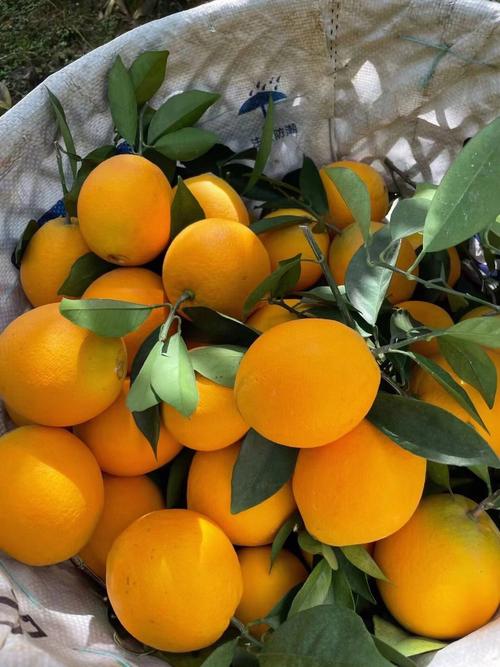
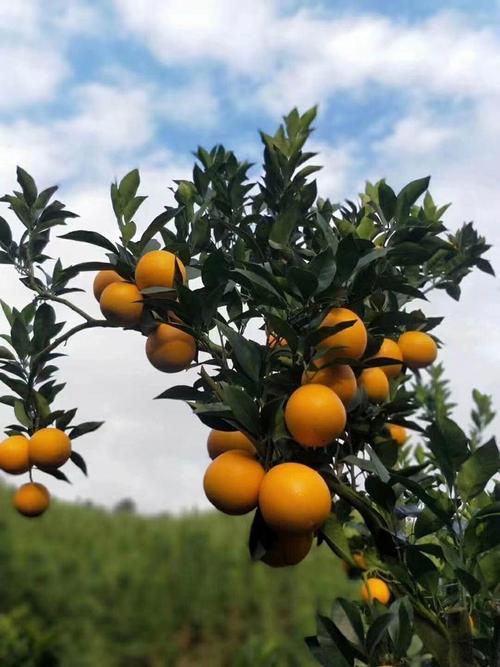
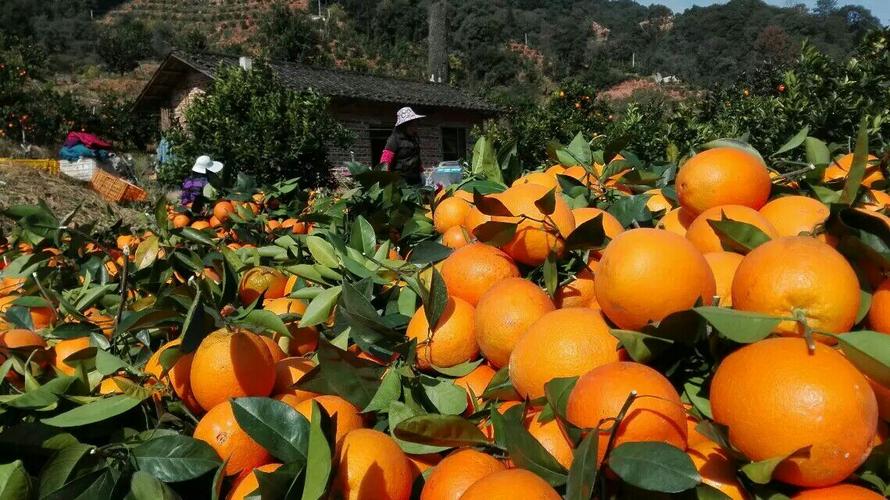
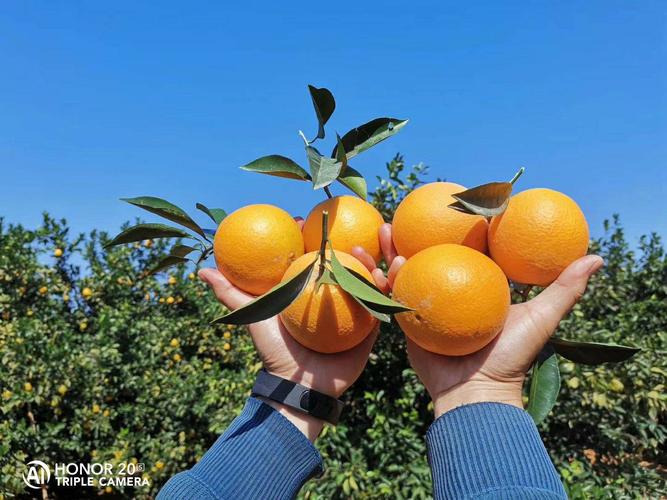
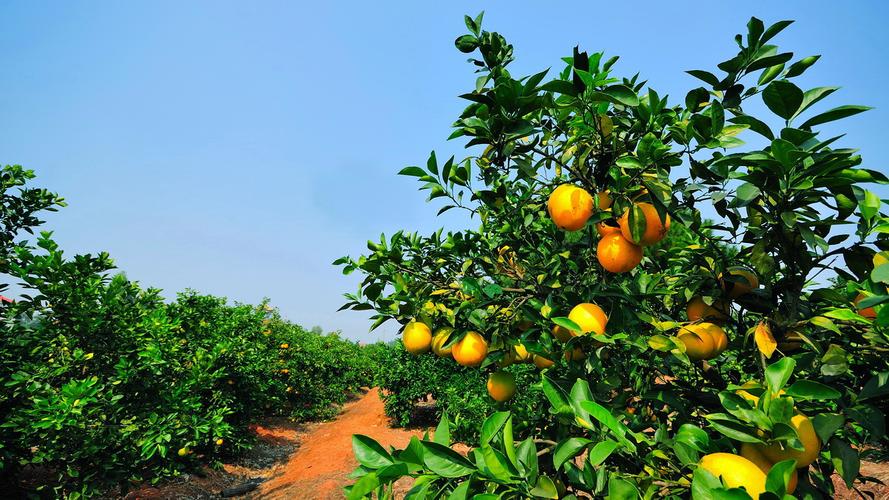
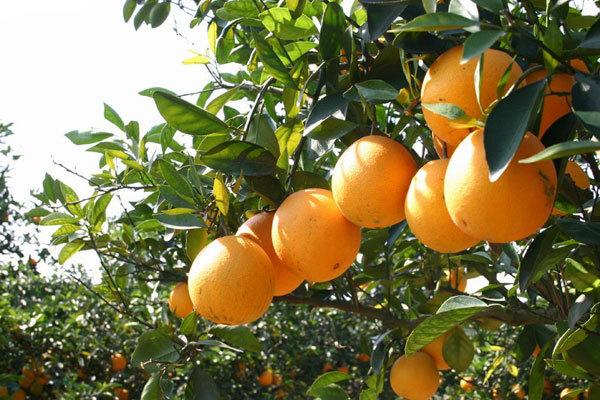
The global citrus market is defined by seasonality, flavor profiles, and rigorous phytosanitary standards. For fresh produce importers, establishing a relationship with a premier China navel orange supplier is a strategic move to capitalize on the Northern Hemisphere’s winter harvest. However, sourcing citrus is fraught with challenges—from post-harvest decay and rind pitting to fluctuating Brix levels that disappoint consumers.
This guide is written for B2B buyers who demand more than just a price list. We will explore the agronomy behind China’s best growing regions, the science of post-harvest treatment, and the logistics required to deliver “fruit-of-the-day” freshness to your distribution centers.
The Terroir of Excellence: Gannan and Beyond
Not all Chinese navel oranges are created equal. The geography and microclimate dictate the sugar-to-acid ratio and the texture of the fruit. A professional Chinese citrus exporter should be able to pinpoint their orchards to specific regions:
-
Gannan (Jiangxi Province): The undisputed king of Chinese navel oranges. The unique red soil and hilly terrain provide excellent drainage, resulting in a high Brix level (sweetness) and a distinctive “fruity” aroma.
-
Southern Hunan: Known for early-maturing varieties. These are excellent for capturing the early market window before the main Gannan harvest peaks.
-
Sichuan Basin: Produces fruit with a thicker peel, which is often preferred for long-distance sea freight as it protects the fruit better.
Key Varieties for Export
-
Newhall: Early season, seedless, high juice content.
-
Cara Cara: A prized “red-fleshed” navel orange with a lower acid profile and high Vitamin C.
-
Bingtang Orange: A late-season variety known for its crisp texture and extreme sweetness.
Post-Harvest Technology: The Science of Freshness
The journey from the tree to the port is the most critical phase. A top-tier navel orange supplier in China will invest heavily in post-harvest treatment (PHT) facilities.
1. Degreening and Ethylene Management
Navel oranges are often harvested with green rinds but are physiologically mature. Controlled ethylene gas is used to trigger chlorophyll degradation, turning the rind orange without affecting the internal fruit quality.
2. Waxing and Fungicide Treatment
-
Food-Grade Wax: A thin layer of carnauba or shellac wax reduces water loss (transpiration) and gives the fruit a glossy, appealing finish.
-
Thiabendazole (TBZ) & Imazalil: These fungicides are applied in drenches to prevent Penicillium (blue mold) and Green mold. Ensure the supplier complies with your destination country’s Maximum Residue Limits (MRLs).
3. Smart Grading Lines
Modern packinghouses use optical sorters (Near-Infrared Technology) to detect:
-
Internal Quality: Brix level, acidity, and juice content.
-
External Defects: Sunburn, wind scars, and rind blemishes.
Quality Metrics: The Specification Sheet
When requesting a quotation, your RFQ must specify these parameters. A professional China fruit exporter will provide a spec sheet like this:
| Parameter | Premium Export Grade | Standard Grade |
|---|---|---|
| Size (Diameter) | 65mm – 85mm (Uniform) | 55mm – 95mm (Mixed) |
| Brix (Sweetness) | > 12% | 10% – 12% |
| Acidity (%) | < 0.8% | 0.8% – 1.0% |
| Juice Content | > 50% | 45% – 50% |
| Defects | Zero | < 5% |
Logistics: Reefer vs. Ambient
The mode of transport depends on your market and the fruit’s maturity.
-
Sea Freight (Reefer Containers): The standard for bulk shipments. Temperature must be maintained at 4°C to 6°C with 90-95% relative humidity. Use vent settings carefully to prevent condensation (which causes mold).
-
Air Freight: Reserved for the earliest harvests or the most premium gift-box markets. Expensive but guarantees the shortest transit time.
Compliance and Phytosanitary Standards
Importing citrus is highly regulated to prevent the spread of pests like the Asian Citrus Psyllid (ACP).
-
Cold Treatment: Many countries (USA, Japan, Australia) require the fruit to undergo cold treatment (e.g., 17 days at 1.1°C) either in transit or pre-loading.
-
Phytosanitary Certificate: Issued by the Chinese Customs (GACC). Ensure the supplier is registered with the General Administration of Customs of China for export to your specific country.
FAQ: Technical Questions for Citrus Buyers
These are the questions experienced produce importers ask when vetting a China navel orange supplier.
Q1: What is the typical harvest window for Gannan navel oranges?
A: The peak harvest season is from November 15th to March 15th. Early season fruit (Nov-Dec) is crisper, while late-season fruit (Jan-Mar) is juicier and sweeter.
Q2: How do you prevent stem-end rot during transit?
A: Proper orchard management (avoiding excessive nitrogen fertilizer) and immediate pre-cooling after harvest are key. The packinghouse must also ensure the fungicide drench is applied within 24 hours of picking.
Q3: Can I get private label packaging for retail?
A: Yes, most large packinghouses offer OEM services. You can customize the mesh bags, cartons, and stickers. MOQ for custom cartons usually starts at 5,000 boxes.
Q4: What is the difference between “Fruit Bagging” and standard growing?
A: Bagged fruit is grown with a protective paper sleeve. This results in a thinner, smoother, and brighter rind. It is considered a premium product and commands a higher price.
Q5: How do you handle claims for fruit decay upon arrival?
A: Reputable suppliers offer a “Shortage and Damage” clause. Typically, if decay exceeds 5% upon arrival, the supplier will compensate for the next shipment or issue a credit note.
Why Direct Orchard Partnerships Matter
Working directly with a China navel orange supplier who owns or manages the orchards ensures traceability. You know exactly which plot the fruit came from, what fertilizers were used, and when it was harvested. This transparency is vital for meeting the stringent food safety audits (GlobalG.A.P., HACCP) required by major supermarket chains.
Don’t let your winter citrus program suffer from inconsistent quality. Secure your premium harvest slots now.
Ready to source the sweetest navel oranges?
Contact our sourcing team today to request a pre-shipment sample and a detailed quotation based on your target market specifications. Let’s bring the taste of Gannan to your shelves. 🍊
📦 Verified Buyer Reviews
Authentic feedback from recent produce shipments. Details are randomized for uniqueness.
Review 1:
User: Marco R. 🇮🇹
Avatar: 🍊
Order ID: #CITRUS-IT-9923
Date: April 18, 2026
Rating: ⭐⭐⭐⭐⭐
Comment: “The Cara Cara oranges arrived in Naples with perfect color and Brix levels above 13%. The packing was excellent, with zero bruising. Our customers love the sweetness. Will reorder for next season.”
Review 2:
User: Sarah L. 🇬🇧
Avatar: 📦
Order ID: #CITRUS-UK-4510
Date: March 10, 2026
Rating: ⭐⭐⭐⭐
Comment: “Ordered 2 containers of Newhall navels. The fruit quality is great, but we noticed some condensation inside the bags upon arrival. The supplier explained it was due to the temperature difference and advised on vent settings for next time.”
Review 3:
User: Ahmed K. 🇦🇪
Avatar: 🚢
Order ID: #CITRUS-UAE-6612
Date: February 22, 2026
Rating: ⭐⭐⭐⭐⭐
Comment: “Very reliable supplier for the Dubai market. The fruit passed the cold treatment inspection easily. The rind is thick enough to handle the long sea journey without breaking. Excellent communication.”
Review 4:
User: Elena R. 🇫🇷
Avatar: 🧺
Order ID: #CITRUS-FR-7731
Date: January 05, 2026
Rating: ⭐⭐⭐⭐⭐
Comment: “We requested bagged fruit for the premium retail segment. The skin is so smooth and bright. The supplier provided all the GlobalG.A.P. certificates needed for French customs. Highly recommended.”
Review 5:
User: Kenji T. 🇯🇵
Avatar: 🇯🇵
Order ID: #CITRUS-JP-5521
Date: December 12, 2025
Rating: ⭐⭐⭐⭐
Comment: “Good quality navel oranges for the Tokyo market. The size uniformity is impressive. Had a slight delay with the phytosanitary certificate, but the supplier resolved it quickly. Good partner overall.”


No reply content