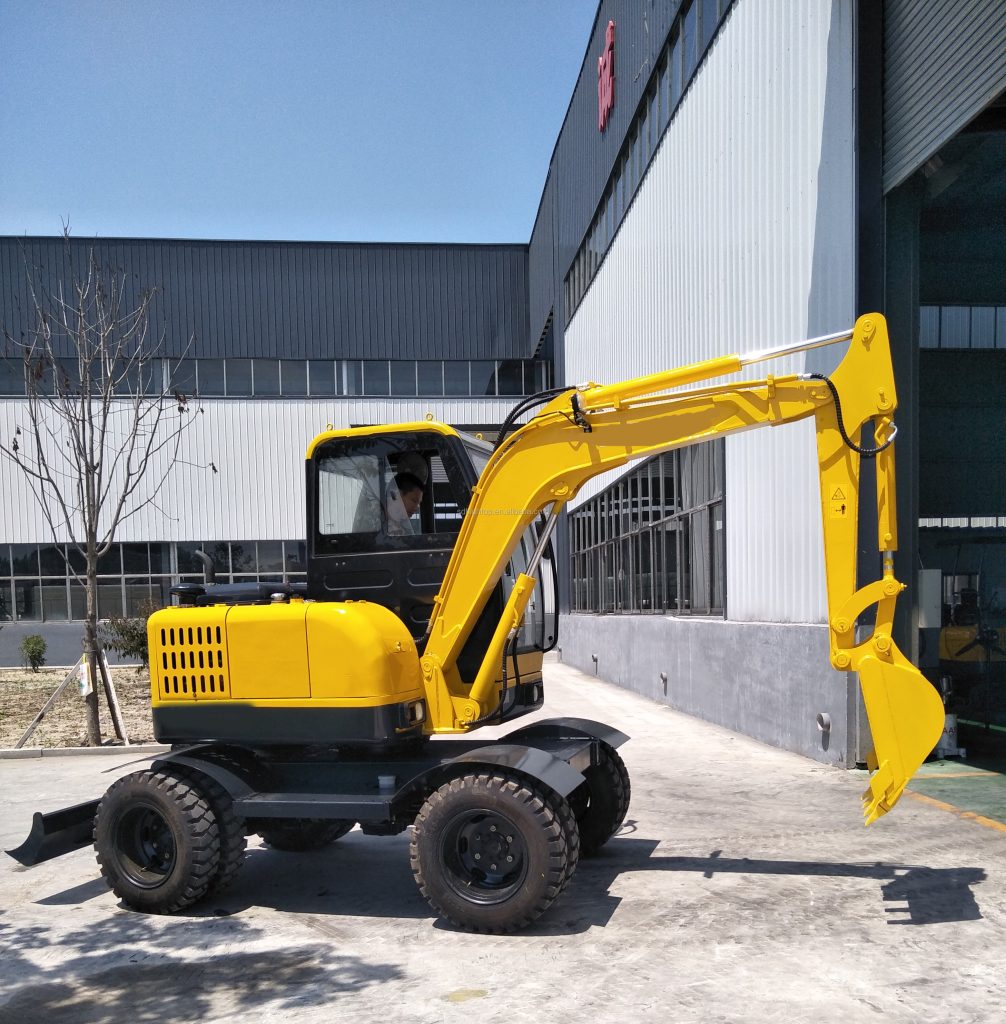
Mini excavators are essential tools for orchard management, helping farmers and landscapers dig fruit tree holes efficiently and accurately. Choosing the right mini excavator can save time, reduce labor costs, and improve planting success rates.
Introduction
Planting fruit trees is a labor-intensive process that requires precision, efficiency, and care. Traditional methods using manual labor or basic machinery can be time-consuming and physically exhausting, especially when dealing with large orchards or hard soil. This is where mini excavators for digging fruit trees come in. Compact, versatile, and powerful, these machines are designed to handle soil excavation tasks quickly while minimizing damage to the surrounding area.
Why Choose a Mini Excavator for Fruit Trees?
-
Compact Size for Tight Spaces
Orchards often have limited space between trees and rows. Mini excavators are small enough to maneuver between trees without damaging roots, branches, or irrigation systems. Their reduced footprint ensures minimal disruption to existing plants. -
High Efficiency and Speed
Compared to manual digging, mini excavators can complete a planting hole in a fraction of the time. This allows farmers to plant more trees in less time, boosting productivity during critical planting seasons. -
Precision Digging
Adjustable buckets and advanced hydraulic systems make mini excavators precise. Operators can control depth, width, and angle to match the specific requirements of different fruit tree species. -
Reduced Labor Costs
Using a mini excavator can significantly reduce the need for manual labor. One operator can handle the work that would otherwise require multiple workers with shovels and spades, saving money and time. -
Versatility
Beyond digging holes for fruit trees, mini excavators can handle other orchard tasks, such as trenching for irrigation, removing stumps, leveling soil, and even transporting seedlings or small materials.
Features to Look for in a Mini Excavator
When choosing a mini excavator for fruit tree planting, consider the following features:
- Operating Weight: Lightweight models (1–3 tons) are ideal for small orchards or areas with soft soil. Heavier models offer more power for tougher ground.
- Bucket Capacity: Smaller buckets (0.05–0.2 m³) allow precise hole digging without over-excavating.
- Hydraulic Control: Smooth hydraulic operations make digging and positioning accurate, protecting delicate tree roots.
- Track Type: Rubber tracks minimize soil compaction and damage to grass or soft soil areas.
- Attachments: Some models offer interchangeable buckets, augers, or rippers for added versatility.
Best Practices for Digging Fruit Tree Holes
-
Measure and Mark the Planting Area
Ensure proper spacing between trees according to the species’ growth requirements. Mark the digging spots before starting to avoid mistakes. -
Use the Right Bucket Size
The hole should be slightly larger than the root ball of the tree. Too large a hole may cause soil settling; too small may restrict root growth. -
Control Depth Carefully
Most fruit trees require planting holes 12–24 inches deep depending on species. Mini excavators allow precise depth control to ensure healthy root development. -
Avoid Soil Compaction
When digging, avoid compacting the surrounding soil. Use the excavator to gently lift soil rather than pushing or hammering, preserving soil structure. -
Post-Digging Preparation
After digging, loosen the bottom soil and mix in compost or fertilizer to enhance tree growth. This ensures that the mini excavator supports long-term orchard productivity, not just quick digging.
Benefits of Mini Excavators for Commercial Orchards
For commercial orchard operations, efficiency is critical. A mini excavator for digging fruit trees offers several advantages:
- Time-Saving: Plant hundreds of trees in days instead of weeks.
- Consistent Hole Quality: Ensures uniform tree spacing and depth.
- Durable and Reliable: Designed to withstand repeated use in various soil conditions.
- Operator-Friendly: Easy to operate with minimal training, reducing dependency on skilled labor.
Top Tips for Maintenance
To keep your mini excavator running smoothly:
- Check hydraulic oil and filters regularly.
- Inspect tracks and undercarriage for wear and tear.
- Lubricate pivot points and bucket pins.
- Clean the machine after use to prevent soil buildup.
Proper maintenance ensures longevity and consistent performance for orchard tasks.
Conclusion
Investing in a mini excavator for digging fruit trees is a smart decision for both small-scale gardeners and commercial orchard owners. These machines combine efficiency, precision, and versatility, reducing labor costs and increasing productivity. Whether planting new orchards or maintaining existing ones, a mini excavator can transform the way you manage your fruit trees.
Call to Action: If you’re ready to improve your orchard efficiency, explore our range of mini excavators designed specifically for fruit tree planting. Maximize productivity and enjoy hassle-free planting today!


No reply content