
Introduction: Why Mini Umbrellas Dominate Modern Urban Markets
In today’s fast-paced cities, portability has become a defining factor in everyday consumer products. Among rain protection solutions, mini umbrellas have evolved from simple convenience items into highly engineered products designed for durability, aesthetics, and brand identity.
From commuters in Tokyo to office workers in London and travelers across Southeast Asia, compact umbrellas are now a daily carry essential. For importers and international brands, sourcing reliable mini umbrellas is no longer about price alone—it is about engineering consistency, material performance, and manufacturing credibility.
As a China-based umbrella manufacturer serving global buyers for many years, we have seen first-hand how the mini umbrella segment continues to grow in both retail demand and OEM customization complexity.
What Defines a High-Quality Mini Umbrella?
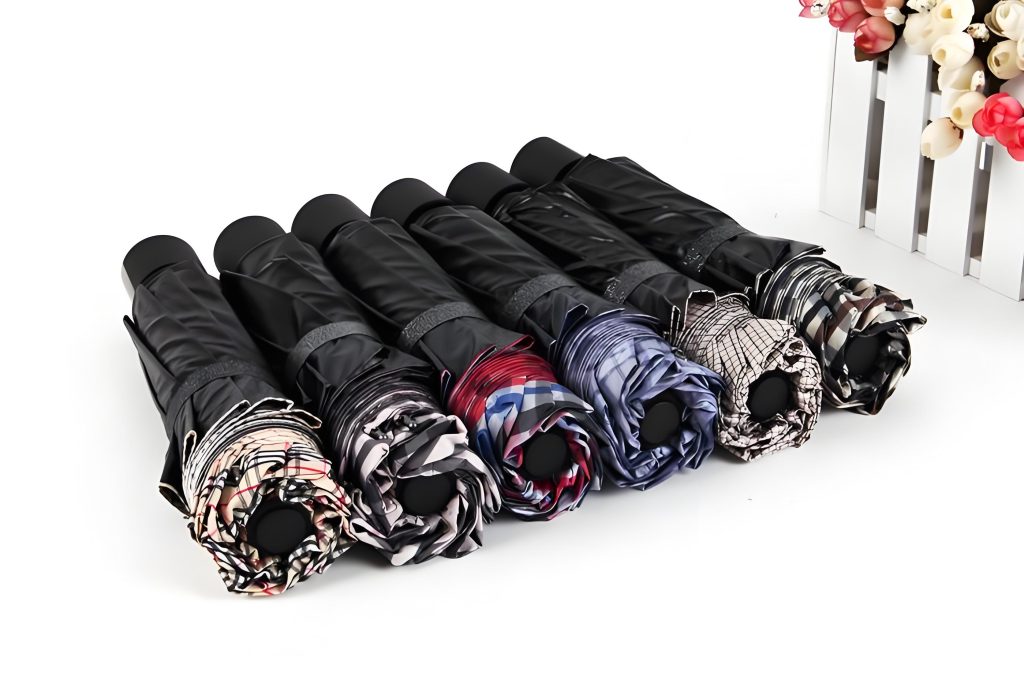
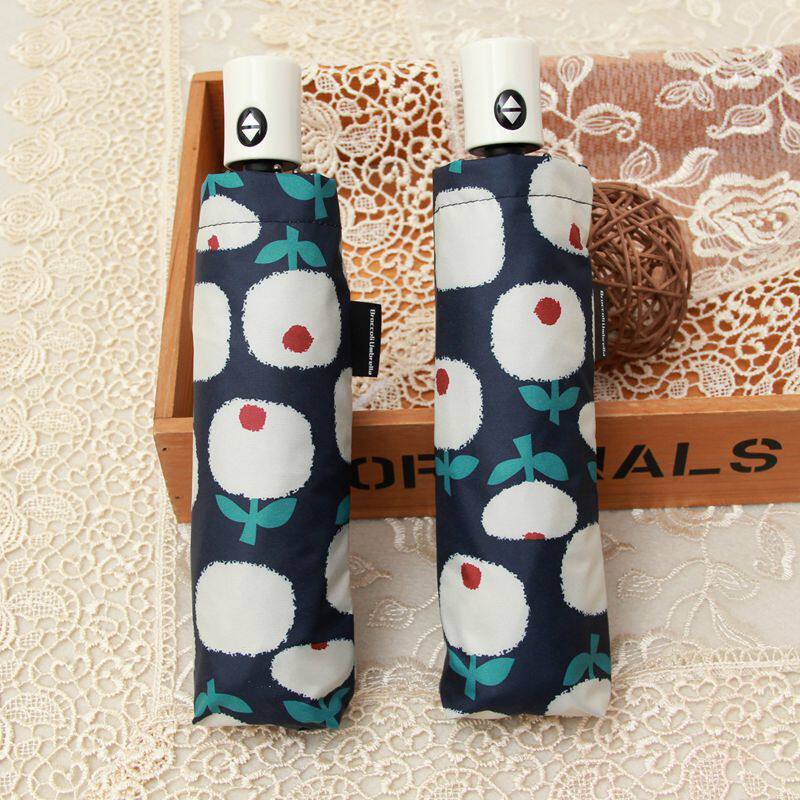
Mini umbrellas are typically defined by their folded length, lightweight structure, and compact storage design, but quality differentiation happens in the details.
Core Size Parameters
| Specification Item | Typical Range |
|---|---|
| Folded Length | 17–23 cm |
| Open Canopy Diameter | 90–105 cm |
| Weight | 180–280 g |
| Folding Structure | 3-fold / 5-fold |
| Rib Count | 6 ribs / 8 ribs |
A well-designed mini umbrella must balance compactness and wind resistance, which is one of the biggest engineering challenges in this category.
Structural Engineering: Frame, Ribs, and Shaft Systems
Rib Materials Comparison
| Material | Strength | Weight | Cost | Application |
|---|---|---|---|---|
| Fiberglass | High | Light | Medium | Wind-resistant models |
| Aluminum Alloy | Medium | Very light | Low | Entry & travel umbrellas |
| Steel | Very high | Heavy | Low | Budget durability models |
| Carbon Fiber | Extremely high | Ultra-light | High | Premium mini umbrellas |
Most international buyers now prefer fiberglass + aluminum hybrid rib systems, offering excellent rebound performance in sudden wind conditions while keeping total weight low.
Shaft Design Options
- Aluminum telescopic shafts for lightweight portability
- Steel shafts with anti-corrosion coating for high humidity markets
- Multi-section reinforced shafts to reduce wobble after repeated folding
Canopy Fabric Technologies for Mini Umbrellas
Fabric choice directly impacts UV protection, waterproof rating, and longevity.
Common Fabric Types
- 190T / 210T Pongee – Soft texture, excellent print clarity
- Polyester with PU coating – High waterproof rating
- RPET recycled fabric – Sustainability-focused markets
- Silver / Black UV coating – UPF 50+ sun protection
Waterproof Performance Standards
| Test Standard | Performance Level |
|---|---|
| Hydrostatic Pressure | ≥ 800 mm |
| Water Repellency | Grade 4–5 |
| Color Fastness | Level 4+ |
| UV Protection | UPF 30–50+ |
Wind Resistance in Compact Umbrellas: A Technical Challenge
Mini umbrellas face higher failure rates due to shorter ribs and smaller leverage radius. Advanced solutions include:
- Double-layer vented canopy designs
- Flexible fiberglass ribs with memory rebound
- Anti-inversion rib joint structures
- Reinforced rib tip stitching
Wind tunnel testing and real-world simulation are now essential steps before mass production for overseas markets.
Folding Mechanisms: Manual vs Automatic Mini Umbrellas
Manual Open / Close
- Lighter weight
- Fewer mechanical failure points
- Ideal for budget retail and travel use
Auto Open / Auto Close
- Spring-loaded precision system
- Requires higher assembly accuracy
- Preferred in premium and corporate gift markets
Tolerance control during assembly is critical to avoid spring fatigue or button failure after repeated use.
Customization Capabilities for Overseas Brands
Mini umbrellas are among the most custom-branding-friendly umbrella categories.
Customizable Elements
- Canopy logo printing (silk screen / digital / heat transfer)
- Handle shape and material (ABS, rubberized, wooden)
- Handle logo engraving or pad printing
- Wrist strap branding
- Sleeve printing and packaging customization
MOQ Reference (Typical)
| Custom Item | MOQ |
|---|---|
| Logo Printing | 300–500 pcs |
| Custom Fabric Color | 1,000 pcs |
| New Handle Mold | 3,000–5,000 pcs |
| Custom Packaging | 500 pcs |
Quality Control Standards for Export Mini Umbrellas
Reliable manufacturers implement multi-stage QC processes:
- Incoming material inspection
- Frame tension testing
- Opening/closing cycle test (≥ 3,000 cycles)
- Wind resistance simulation
- Fabric waterproof testing
- Final random inspection (AQL 2.5 / 4.0)
These steps significantly reduce post-shipment claims and improve long-term buyer trust.
Mini Umbrellas vs Other Umbrella Types: Practical Comparison
| Feature | Mini Umbrella | Folding Umbrella | Stick Umbrella |
|---|---|---|---|
| Portability | ★★★★★ | ★★★★☆ | ★★☆☆☆ |
| Wind Resistance | ★★★☆☆ | ★★★★☆ | ★★★★★ |
| Weight | Very Light | Medium | Heavy |
| Branding Space | Medium | Medium | Large |
| Travel Friendly | Excellent | Good | Poor |
Mini umbrellas dominate urban retail, travel, and e-commerce channels due to portability advantages.
Applications Across Global Markets
Mini umbrellas are widely used in:
- Daily commuter retail
- Airline amenity kits
- Corporate promotional gifts
- E-commerce private label brands
- Hotel & resort welcome packages
- Outdoor lifestyle accessories
Different regions prioritize different features—UV protection in Australia, wind resistance in Europe, ultra-lightweight design in Japan.
Packaging and Logistics Considerations
Compact size significantly reduces shipping volume and storage costs.
Export Packaging Options
- Individual OPP sleeve
- Printed retail box
- Gift box with EVA insert
- Bulk carton packaging
Mini umbrellas are ideal for high container utilization efficiency, especially for mixed SKU shipments.
Building Trust as a Long-Term Manufacturing Partner (E-E-A-T)
Experience
Years of serving international umbrella buyers across wholesale, retail, and OEM channels.
Expertise
In-house engineering teams for frame structure, fabric testing, and logo durability optimization.
Authoritativeness
Export experience to Europe, North America, Southeast Asia, and Middle East markets with compliance awareness.
Trustworthiness
Transparent communication, stable quality control, and consistent production timelines.
Technical Specification Table (Example)
| Item | Specification |
|---|---|
| Model Type | 5-Fold Mini Umbrella |
| Open Diameter | 95 cm |
| Folded Length | 18.5 cm |
| Rib Material | Fiberglass |
| Shaft | Aluminum Alloy |
| Fabric | 210T Pongee |
| UV Rating | UPF 50+ |
| Weight | 210 g |
FAQ: Mini Umbrella Manufacturing & Sourcing
Q1: What is the most popular mini umbrella size for Europe?
A folded length between 18–20 cm with an open diameter of around 95–100 cm is most commonly requested.
Q2: Can mini umbrellas be truly windproof?
While compact size limits extreme wind performance, reinforced fiberglass ribs and vented designs significantly improve resistance.
Q3: Are recycled fabrics reliable for umbrellas?
Yes. High-quality RPET pongee fabrics now meet waterproof and color fastness standards required by major retail brands.
Q4: What certifications are required for export?
Common requirements include REACH, CA65, and color fastness testing, depending on destination markets.
Q5: How long does OEM production usually take?
Typical lead time is 25–35 days after sample confirmation.
Conclusion: Mini Umbrellas as a Strategic Product Category
Mini umbrellas are no longer simple accessories—they are engineered consumer products combining portability, durability, and branding value. For importers and global brands, choosing the right manufacturing partner determines not only product quality, but also long-term market competitiveness.
A professional mini umbrella factory offers more than production—it provides design insight, material expertise, and stable supply chain support for evolving international markets.


No reply content