
China Customized OEM Arts & Crafts Gift Manufacturer
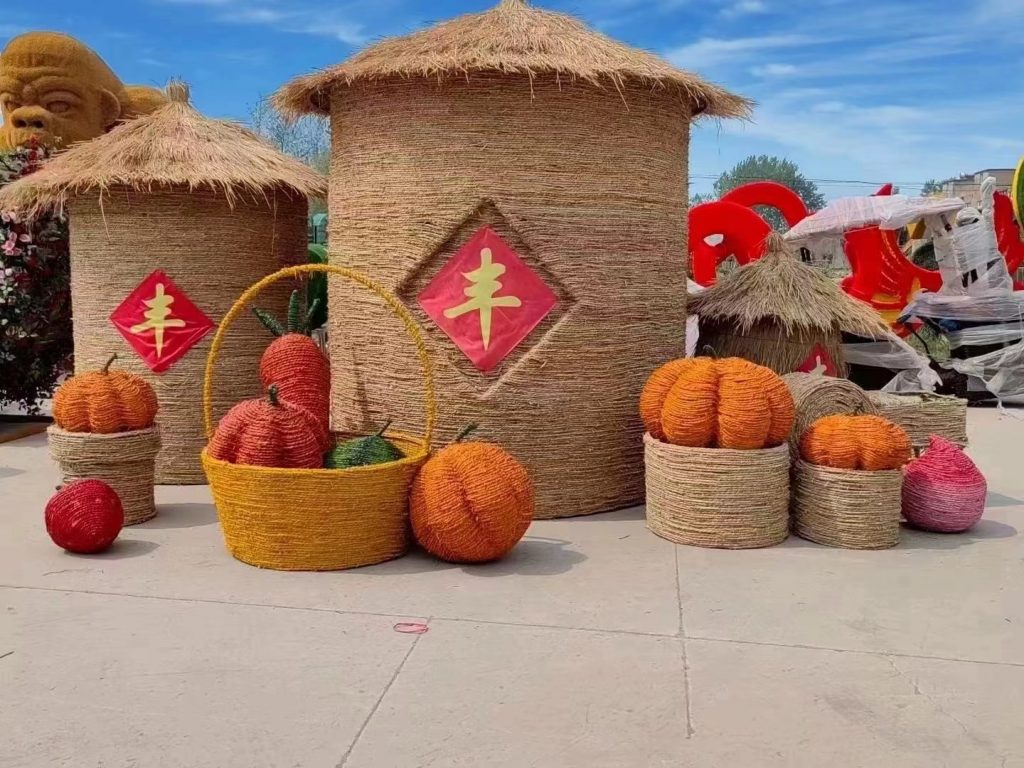
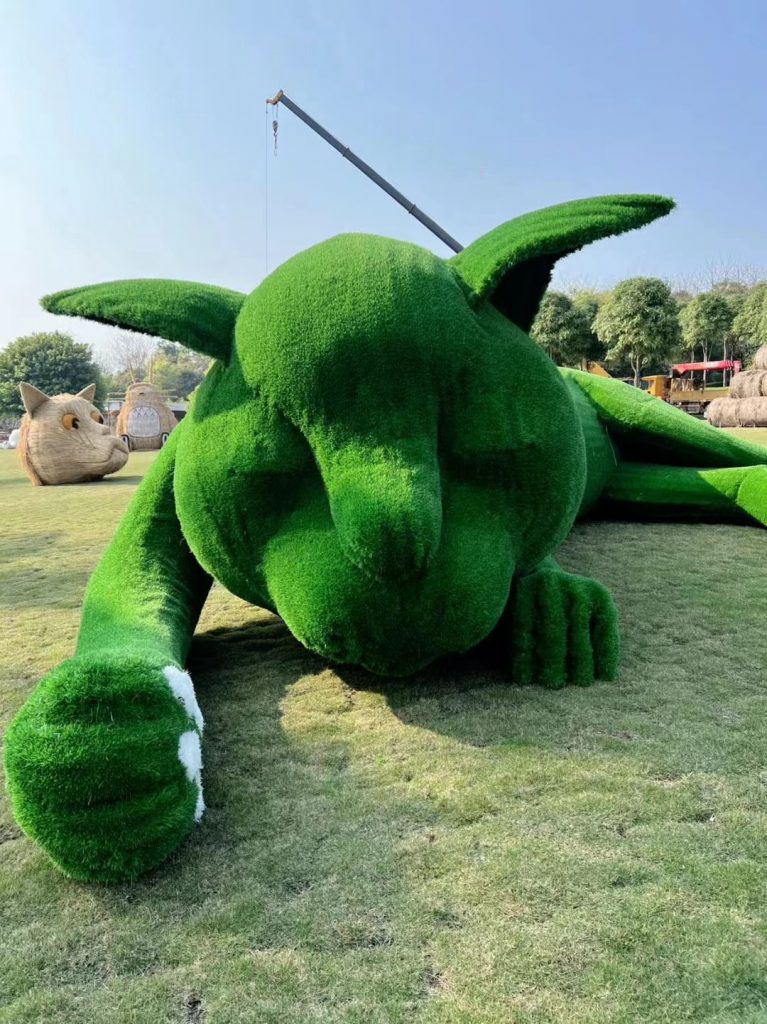

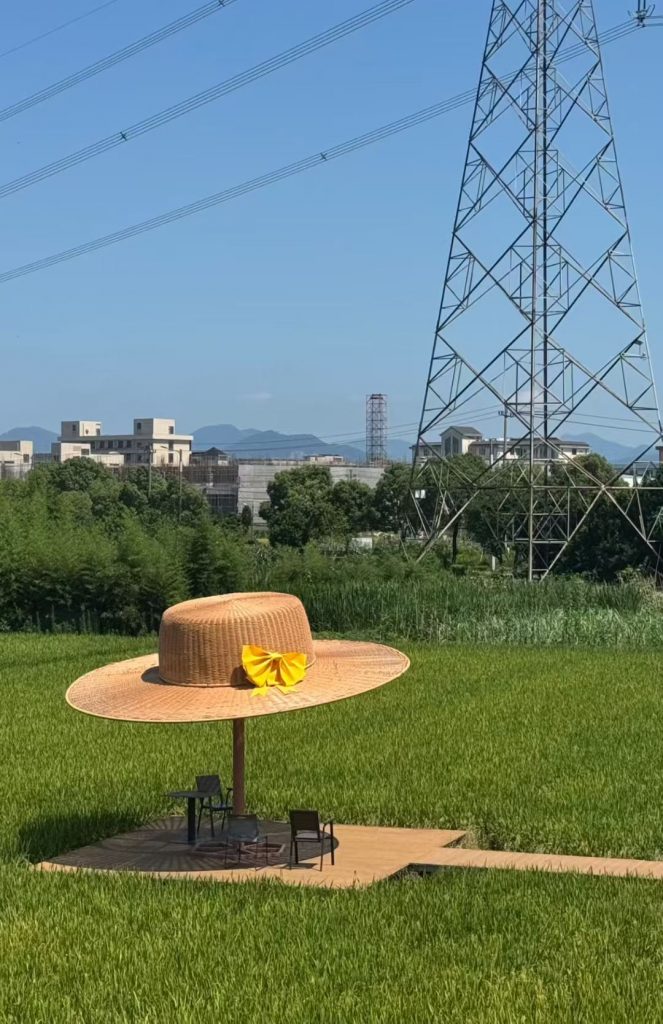
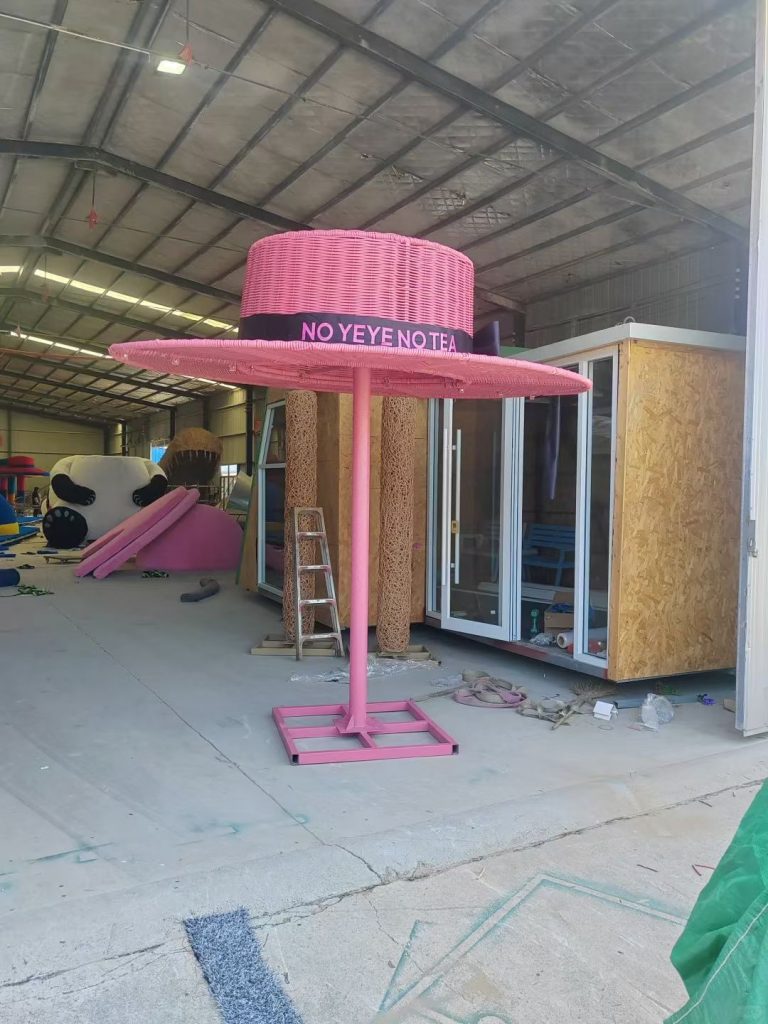
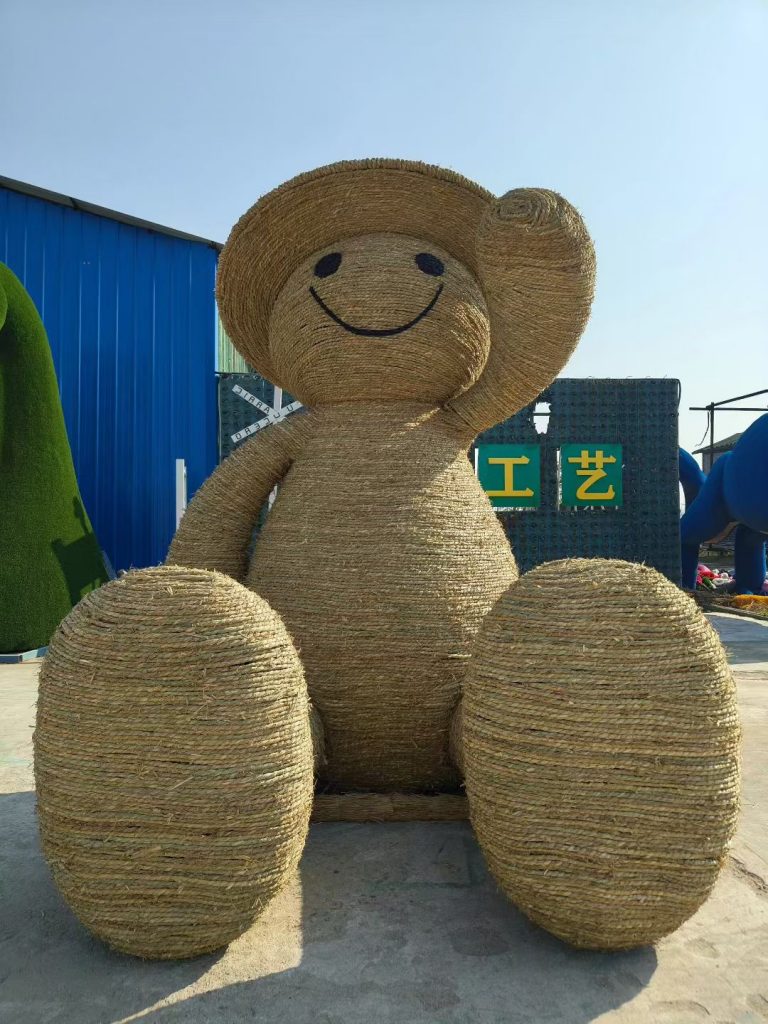
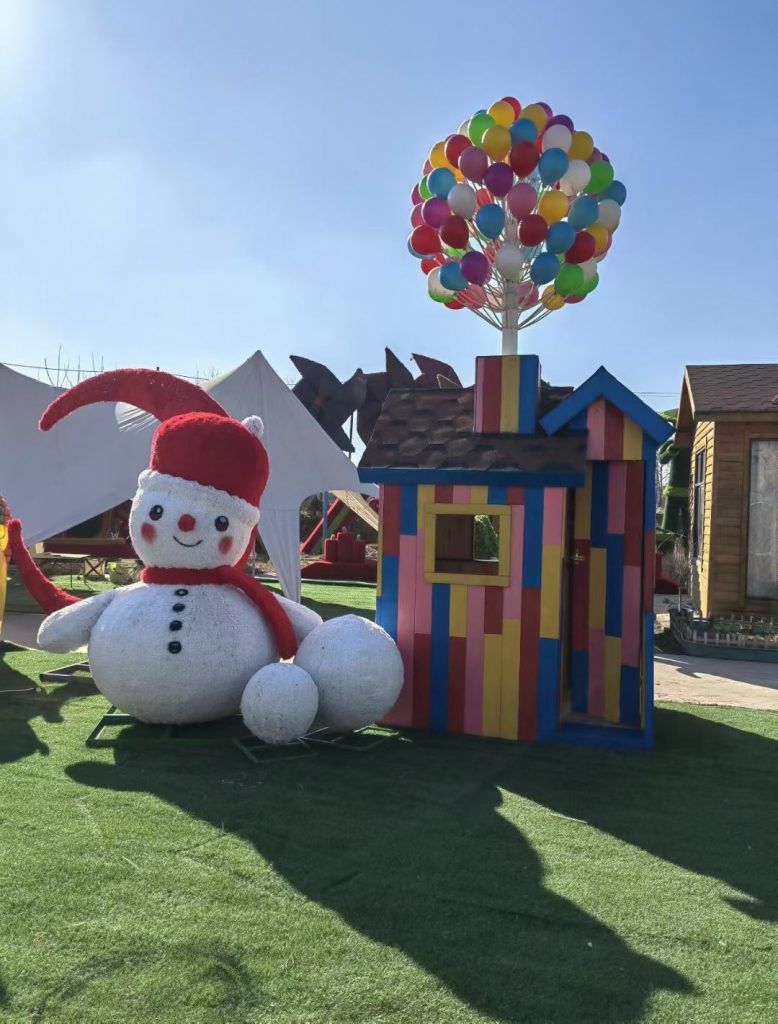
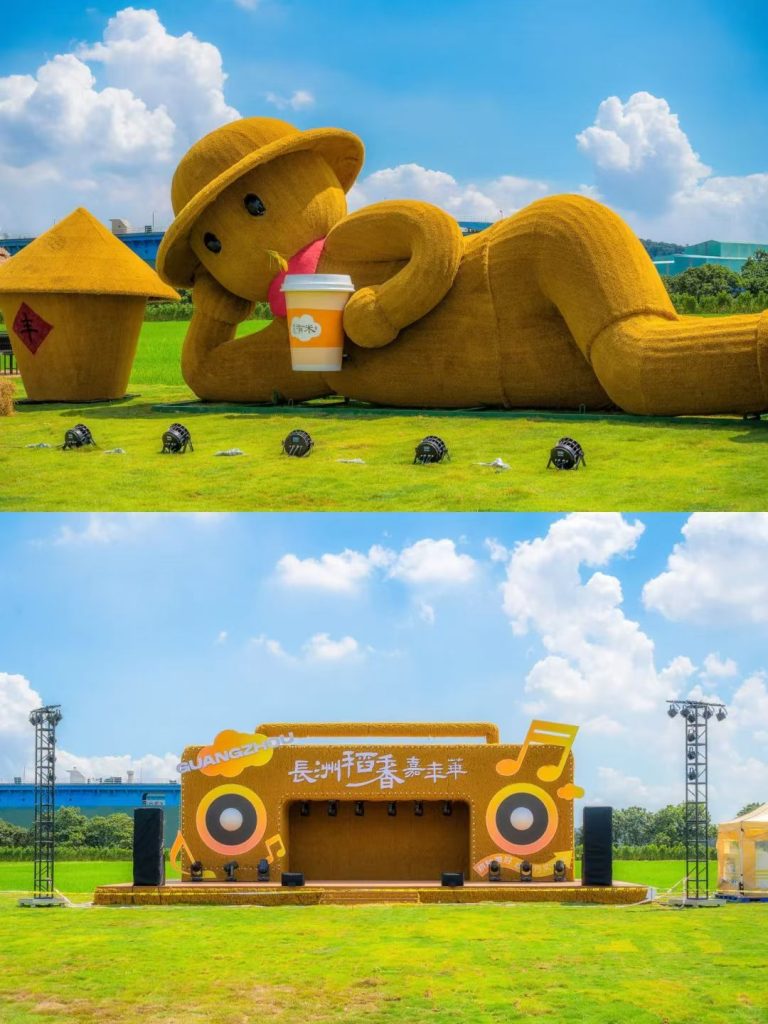

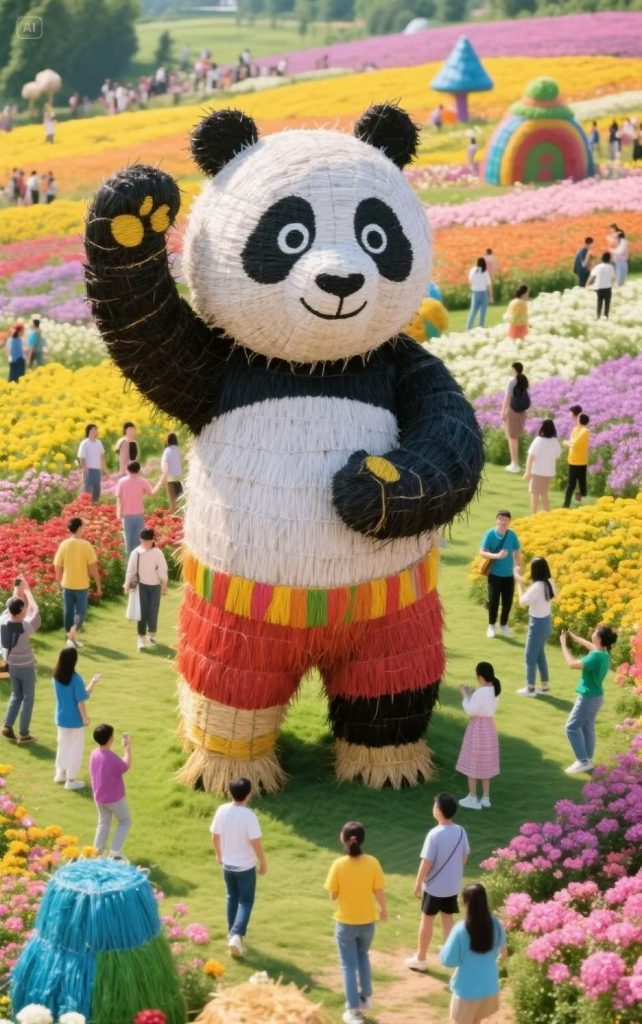
In recent years, commercial spaces—from shopping malls and retail stores to corporate lobbies and urban plazas—have increasingly embraced public art as a tool to differentiate themselves, engage audiences, and foster emotional connections. Among the most dynamic and accessible forms of this art is modern cartoon public art installations. Blending the whimsical, nostalgic appeal of cartoons with contemporary design principles, these installations transcend traditional static sculptures or paintings, offering immersive, interactive, and visually striking experiences that redefine how people interact with commercial environments.
This article explores the rise of modern cartoon public art in commercial spaces, examining its cultural significance, design strategies, impact on user behavior, and best practices for implementation. A dedicated FAQ section addresses common questions about this emerging art form, providing practical insights for businesses, artists, and curators.
The Evolution of Public Art in Commercial Contexts
Public art has long been a fixture of urban landscapes, from ancient Greek statues to Renaissance murals. However, its role in commercial settings has evolved significantly. Historically, commercial art was often limited to functional signage or generic decor, prioritizing sales over artistic expression. Today, the focus has shifted toward creating experiential environments where art serves as a bridge between brands and consumers, enhancing brand identity while enriching public life.
Cartoons, with their universal language of humor, emotion, and storytelling, have emerged as a particularly effective medium for this shift. Unlike abstract or classical art, cartoons resonate across age groups, cultures, and backgrounds, making them ideal for diverse commercial audiences. Modern interpretations of cartoons—incorporating digital technology, sustainable materials, and interactive elements—further amplify their relevance, transforming passive viewers into active participants.
Defining Modern Cartoon Public Art Installations
A modern cartoon public art installation is a large-scale, site-specific artwork that reinterprets cartoon aesthetics through contemporary techniques. Key characteristics include:
-
Narrative Depth: Unlike standalone cartoon images, these installations tell stories or evoke emotions through composition, color, and symbolism. For example, an installation might depict a community of animated characters collaborating to build a “dream city,” reflecting themes of unity and innovation.
-
Interactivity: Many installations invite physical or digital engagement, such as touch-sensitive surfaces, motion-activated animations, or augmented reality (AR) overlays that allow users to “enter” the cartoon world.
-
Technological Integration: LED lighting, projection mapping, kinetic mechanisms, and IoT sensors are often used to create dynamic, ever-changing displays. A cartoon character might “wink” when passersby approach, or a scene could transition from day to night based on real-time weather data.
-
Sustainability: Reflecting global environmental concerns, modern installations increasingly use recycled materials (e.g., reclaimed wood, plastic waste), solar-powered components, or biodegradable elements.
Why Commercial Spaces Embrace Cartoon Art Installations
The adoption of modern cartoon art in commercial settings is driven by several strategic benefits:
1. Enhancing Brand Identity and Differentiation
In competitive markets, brands seek unique ways to stand out. A well-designed cartoon installation can become a signature element of a space, reinforcing brand values like playfulness, creativity, or community. For instance, a tech company might install a futuristic cartoon cityscape to communicate innovation, while a children’s bookstore could feature a whimsical forest of animated storybook characters to emphasize imagination.
2. Driving Foot Traffic and Engagement
Cartoon art’s visual appeal naturally draws attention. Studies show that visually stimulating environments increase dwell time by up to 30%, encouraging visitors to explore more of a space. Interactive installations further boost engagement: a 2023 survey found that 68% of shoppers were more likely to share photos of interactive art on social media, amplifying organic marketing reach.
3. Fostering Emotional Connections
Cartoons tap into collective memories and emotions—nostalgia for childhood favorites, joy from humorous scenarios, or inspiration from heroic characters. By evoking these feelings, installations create positive associations with the space, increasing customer loyalty. A café featuring a cozy cartoon kitchen scene, for example, might make patrons feel “at home,” encouraging repeat visits.
4. Supporting Community Building
Public art installations act as gathering points, fostering social interaction. Families take photos together, friends gather to admire details, and strangers bond over shared appreciation. This sense of community aligns with the growing demand for “third places” (spaces beyond home and work) that promote connection.
Design Principles for Effective Cartoon Installations
Creating a successful modern cartoon installation requires balancing artistic vision with practical considerations. Below are key design principles:
1. Align with Space and Audience
The installation must complement the physical environment and target audience. A high-end luxury mall might opt for sleek, minimalist cartoon characters with metallic accents, while a family-friendly amusement park could use bold, colorful figures with exaggerated expressions. Scale is also critical: an installation in a large atrium needs sufficient size to be visible from afar, whereas one in a narrow corridor might rely on intricate details.
2. Prioritize Storytelling
Every element of the installation should contribute to a cohesive narrative. Consider the characters’ roles, the setting, and the underlying message. For example, an installation promoting sustainability might feature cartoon animals building a treehouse from recycled materials, with each animal representing a different eco-friendly habit (e.g., a rabbit watering plants, a bird collecting plastic).
3. Integrate Technology Thoughtfully
Technology enhances interactivity but should never overshadow the art itself. Motion sensors, for instance, can trigger subtle animations (e.g., a character waving) rather than overwhelming displays. AR features should be intuitive—users should understand how to activate them without instructions.
4. Ensure Durability and Safety
Commercial spaces see high foot traffic, so installations must withstand wear and tear. Use weather-resistant materials for outdoor spaces, and avoid sharp edges or small parts that could pose risks to children. Regular maintenance checks (e.g., cleaning, repairing lights) are essential to preserve the installation’s quality.
5. Embrace Inclusivity
Design for diverse audiences, including people with disabilities. Ensure wheelchair accessibility, provide tactile elements for visually impaired visitors, and use color palettes that are easy to distinguish for those with color blindness.
Case Studies: Iconic Modern Cartoon Installations
To illustrate these principles, consider two hypothetical yet representative examples:
Case Study 1: “The Whimsy Market” at a Urban Shopping Mall
-
Concept: A vibrant indoor market where animated fruit and vegetable characters run stalls, selling “fresh ideas” (metaphorical products like books, art, and workshops).
-
Design Elements: Life-sized characters made from recycled cardboard, with LED-lit “stalls” powered by solar panels. Motion sensors trigger characters to wave or call out friendly greetings. An AR app lets users “pick” virtual produce, which unlocks discounts at partner stores.
-
Impact: Increased mall foot traffic by 25% in the first three months, with 40% of visitors reporting they spent more time exploring due to the installation. Social media posts using the hashtag #WhimsyMarket garnered 50,000+ impressions.
Case Study 2: “Eco-Heroes Plaza” at a Corporate Campus
-
Concept: A series of interactive sculptures depicting cartoon animals (a fox, a turtle, a bee) working together to clean a polluted river.
-
Design Elements: Kinetic mechanisms allow the animals to “clean” the river (represented by a flowing water feature) when visitors turn a crank. Solar-powered lights change color based on real-time air quality data. Educational plaques explain each animal’s ecological role.
-
Impact: Boosted employee satisfaction scores by 18%, with many citing the plaza as a favorite spot for breaks. The installation also served as a backdrop for corporate sustainability events, reinforcing the company’s commitment to green initiatives.
Challenges and Solutions in Implementation
While rewarding, installing modern cartoon art in commercial spaces presents challenges:
Challenge 1: Budget Constraints
High-quality installations can be expensive, especially with advanced technology.
Solution: Opt for modular designs that can be expanded over time, or partner with local artists to reduce costs. Crowdfunding or sponsorships (e.g., from eco-brands for a sustainability-themed piece) may also help.
Challenge 2: Maintenance Demands
Interactive elements require regular upkeep.
Solution: Choose durable materials and low-maintenance technology (e.g., solar power instead of frequent battery changes). Train staff to perform basic repairs, and schedule professional inspections quarterly.
Challenge 3: Balancing Art and Commerce
Some businesses fear art will distract from sales.
Solution: Integrate the installation with commercial goals—for example, place it near a new product launch area, or use AR features to direct users to specific stores.
The Future of Modern Cartoon Public Art in Commercial Spaces
As technology advances, the possibilities for cartoon installations will expand. Emerging trends include:
-
AI-Generated Art: Algorithms could create unique cartoon characters based on visitor input, ensuring each experience is personalized.
-
Biodegradable Installations: Artists are experimenting with mushroom-based mycelium or algae-based plastics that decompose naturally after a set period.
-
Haptic Feedback: Wearable devices might let users “feel” the texture of cartoon objects, adding a sensory dimension to the experience.
Conclusion
Modern cartoon public art installations represent a powerful fusion of creativity, technology, and commerce. By transforming commercial spaces into immersive, emotionally resonant environments, they not only enhance brand value but also enrich public life. As businesses continue to prioritize experiential marketing, these installations will play an increasingly vital role in shaping the future of retail, hospitality, and urban design.
FAQ: Modern Cartoon Public Art Installations in Commercial Spaces
1. What is the difference between a modern cartoon art installation and a traditional sculpture?
A traditional sculpture is typically static, focusing on form and material, while a modern cartoon installation emphasizes narrative, interactivity, and technology. It often tells a story, invites participation, and uses dynamic elements (e.g., lights, movement) to create a multi-sensory experience.
2. How do I choose the right theme for a commercial space?
Start by defining your brand values and target audience. If your brand is playful and family-oriented, a whimsical theme with bright colors and relatable characters works well. For a tech-focused space, consider futuristic or educational themes. Always align the theme with the space’s purpose—e.g., a wellness center might use calming, nature-inspired cartoons.
3. Are interactive installations worth the extra cost?
Yes. Interactive elements significantly boost engagement: studies show they increase dwell time by 20–40% and encourage social sharing (which acts as free marketing). Even simple interactions (e.g., touch sensors, motion-activated sounds) can make an installation memorable.
4. What materials are best for durability?
For indoor spaces, fiberglass, acrylic, and recycled plastics are lightweight and durable. Outdoor installations require weather-resistant materials like stainless steel, powder-coated aluminum, or treated wood. Avoid materials prone to fading (e.g., untreated fabric) unless protected by UV coatings.
5. How can I measure the success of an installation?
Track metrics like foot traffic (before/after installation), social media mentions (using branded hashtags), and visitor surveys (ask about engagement levels and emotional responses). For retail spaces, monitor sales in nearby areas to see if the installation drives purchases.
6. Can small businesses afford modern cartoon installations?
Absolutely. Start with smaller, modular pieces (e.g., a single interactive character) or collaborate with local art schools for affordable custom designs. Digital installations (e.g., projection mapping on walls) can also be cost-effective compared to physical sculptures.
7. How do I ensure the installation is inclusive?
Design for accessibility: include ramps for wheelchairs, tactile elements for visually impaired visitors, and clear signage in multiple languages. Test the installation with diverse groups (e.g., families, seniors, people with disabilities) to identify barriers.
8. What role does lighting play in these installations?
Lighting enhances mood and visibility. Use warm tones for cozy spaces, cool tones for futuristic themes, and dynamic lighting (e.g., color-changing LEDs) to highlight interactive elements. Avoid glare, which can detract from the experience.
9. Can cartoon installations be temporary?
Yes. Temporary installations (lasting weeks to months) are great for seasonal campaigns or pop-up events. They allow flexibility to update themes and test audience reactions before committing to permanent pieces.
10. How do I find artists skilled in modern cartoon installations?
Look for artists with portfolios that blend illustration, 3D modeling, and interactive design. Attend art fairs, collaborate with local galleries, or post calls for proposals on creative platforms. Prioritize artists who understand commercial contexts and can balance art with practicality.


No reply content