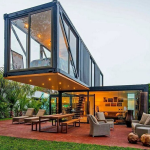
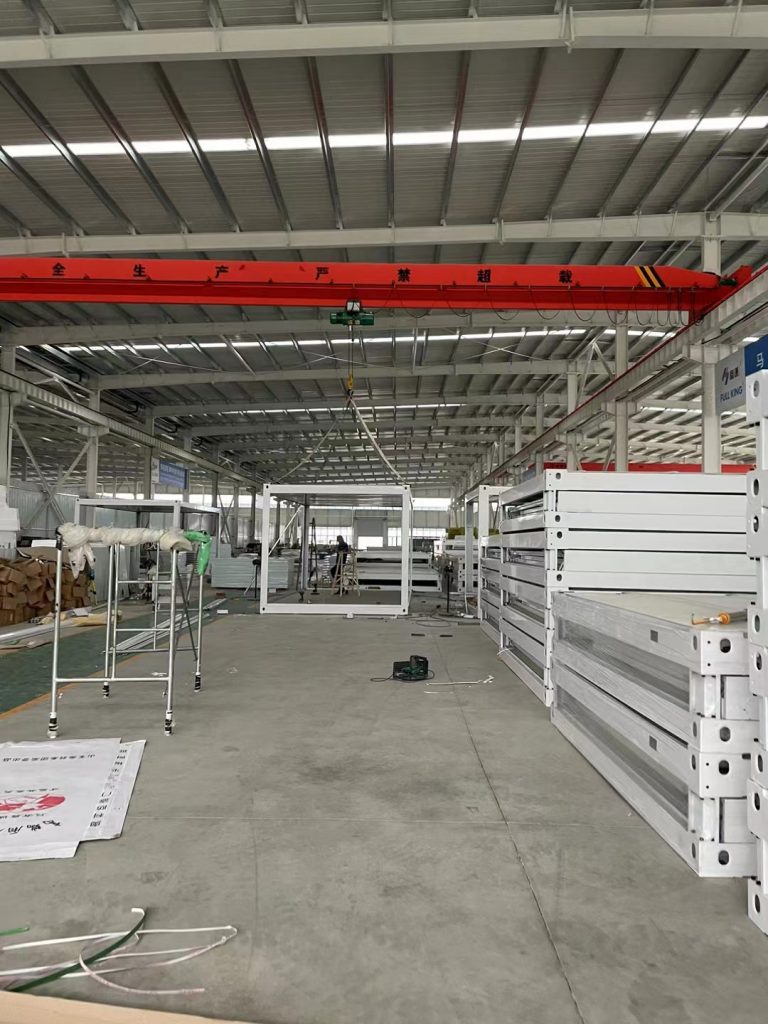

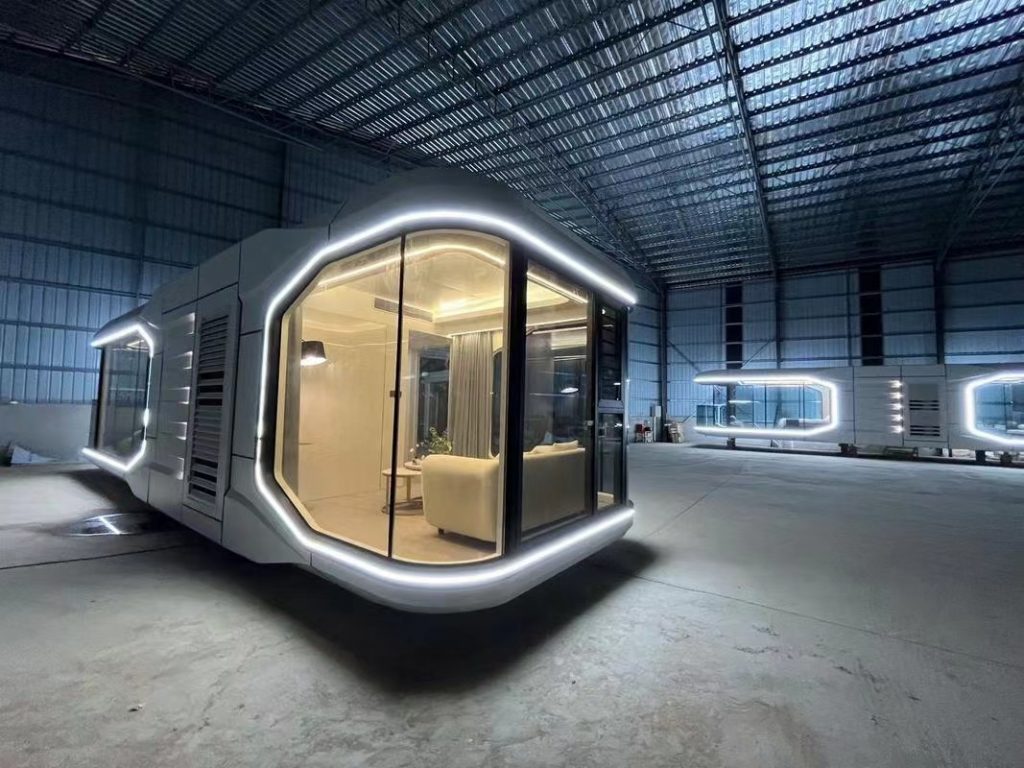
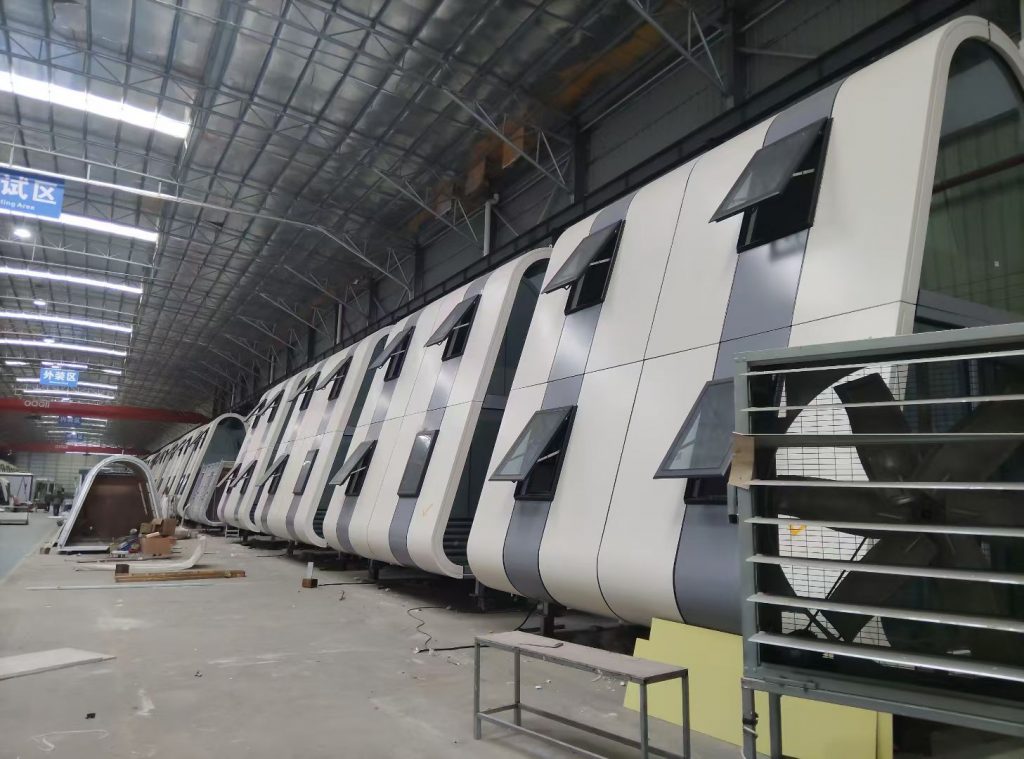
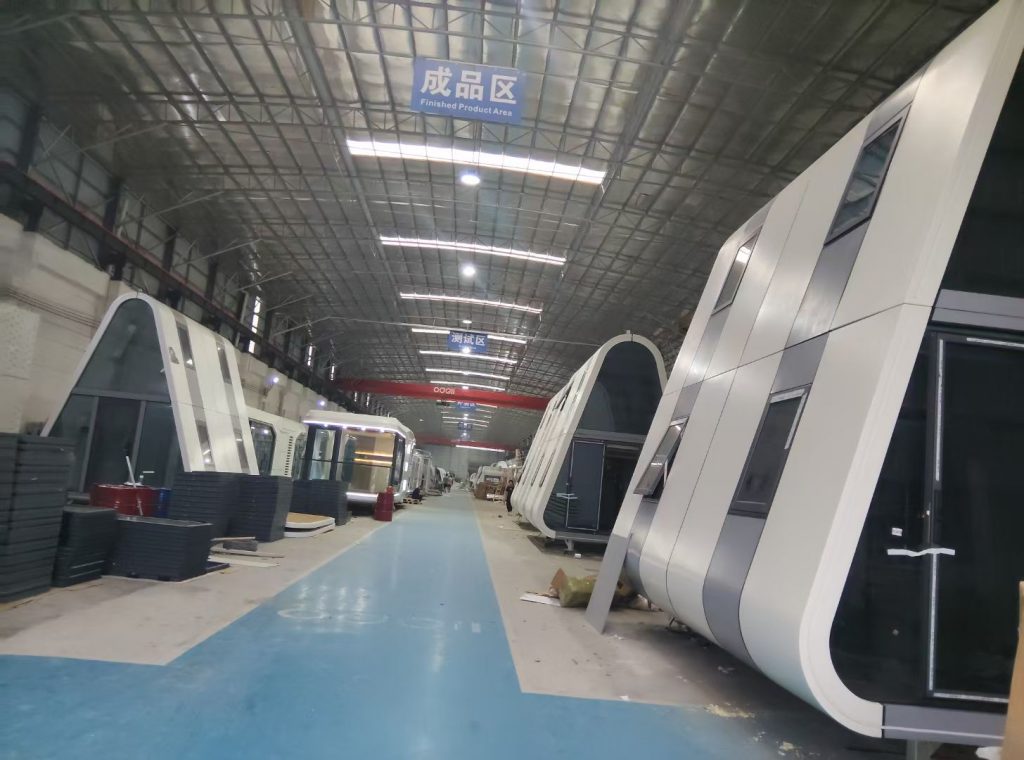
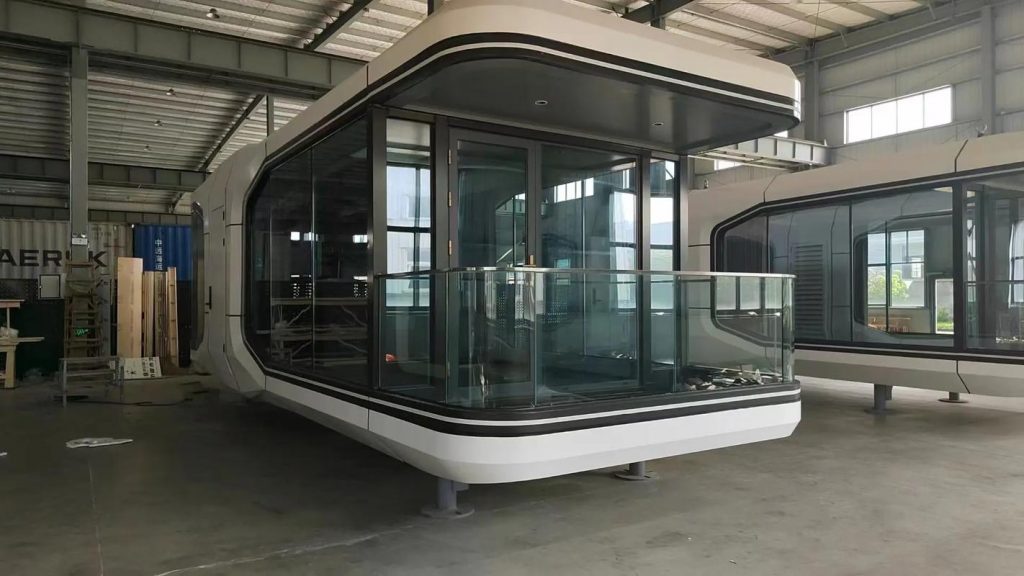
Professional Modular Building Manufacturer with Global Project Experience
We are an experienced mobile housing and prefabricated modular building manufacturer specializing in steel-structure portable homes, expandable container houses, detachable flat-pack housing units, modular villas, and site office accommodations. With extensive engineering expertise in structural steel systems, thermal insulation design, seismic compliance, transportation logistics, and on-site installation management, we deliver durable and code-compliant mobile housing solutions for residential, commercial, industrial, and emergency applications worldwide.This in-depth guide is based on real production, export, and installation experience. It follows E-E-A-T principles (Experience, Expertise, Authoritativeness, Trustworthiness) to provide accurate technical insights for developers, contractors, government buyers, distributors, and private clients seeking reliable movable housing solutions.
Innovative Portable Housing Systems for Residential, Commercial, and Remote Applications
Mobile homes have evolved far beyond traditional trailer-style dwellings. Today’s prefabricated movable houses integrate structural engineering, modern insulation systems, modular design principles, and architectural aesthetics to create high-performance, energy-efficient living and working spaces.
If you are searching for:
- Expandable container house manufacturer
- Prefabricated steel structure mobile home supplier
- Modular portable villa factory
- Flat-pack detachable housing unit exporter
- Temporary site accommodation building manufacturer
- Relocatable modular housing solution provider
This comprehensive article explores product categories, construction materials, structural systems, thermal performance, customization options, transportation logistics, installation processes, pricing factors, regulatory considerations, and long-term durability.
🏠 1. Types of Mobile and Modular Housing Systems
🚚 Expandable Container Houses
Expandable container houses feature fold-out side walls that increase interior space after transportation.
Key Features:
- Compact shipping size
- Rapid on-site deployment
- Integrated bathroom and kitchen options
- Steel frame structural integrity
- Suitable for temporary or semi-permanent use
These units are popular for emergency housing and remote work sites.
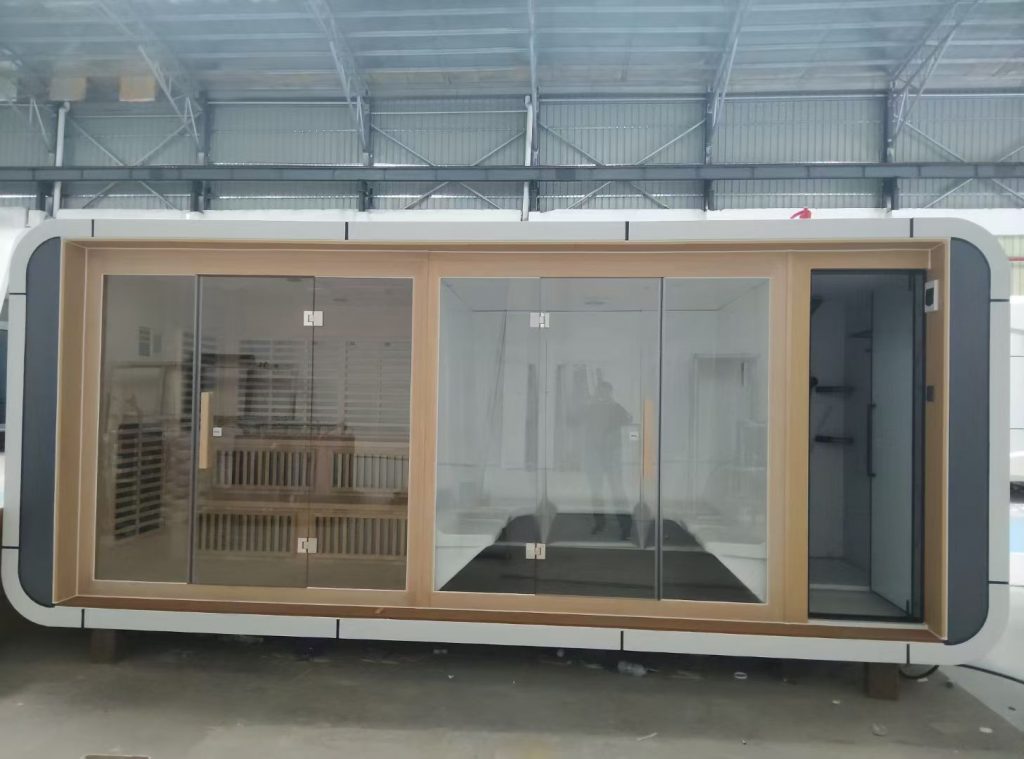
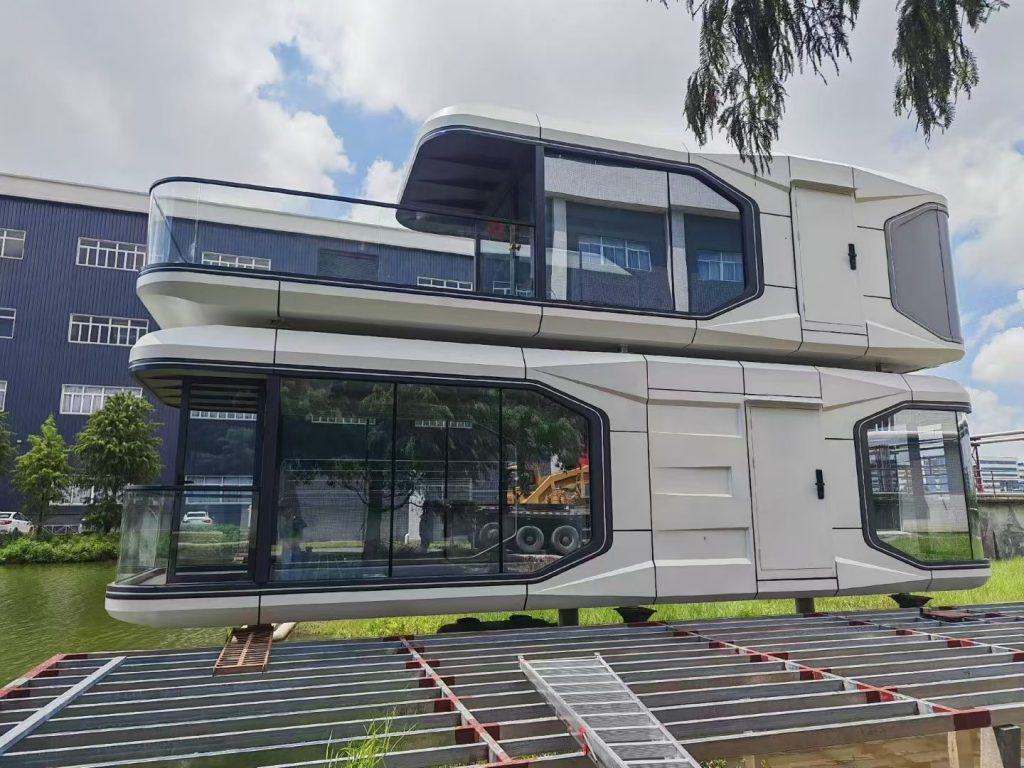
🏗 Modular Prefabricated Homes
Modular homes are factory-built in sections and assembled on-site.
Advantages:
- Controlled factory quality
- Faster construction timeline
- Customizable floor plans
- Enhanced insulation performance
- Compliance with residential building standards
They are widely used for residential communities and commercial developments.
📦 Flat-Pack Detachable Houses
Flat-pack systems are shipped disassembled and assembled at the destination.
Applications:
- Construction site offices
- Mining camp accommodations
- Temporary classrooms
- Workforce dormitories
Efficient shipping reduces transportation costs.
🧱 2. Structural Engineering and Material Systems
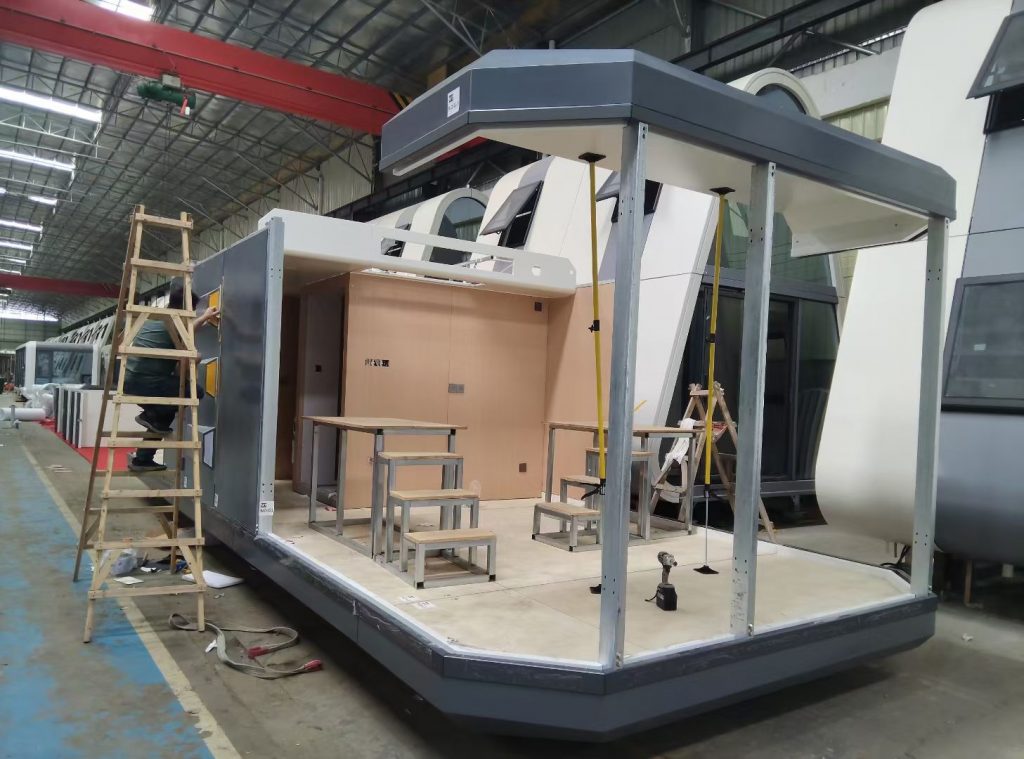
Professional mobile housing manufacturing requires strong yet lightweight materials.
🏗 Steel Frame Structure
- Galvanized light steel framing
- Welded heavy-duty steel base chassis
- Anti-corrosion treatment
- Seismic-resistant design
🧊 Wall and Roof Panels
- Sandwich panels with polyurethane insulation
- Rock wool fire-resistant panels
- EPS insulation panels
- Weatherproof exterior cladding
Thermal insulation performance plays a critical role in energy efficiency.
🌡 3. Thermal Insulation and Energy Efficiency
Mobile houses are designed for diverse climate conditions.
Insulation Options:
- PU foam core panels (high thermal resistance)
- Rock wool (fireproof and sound insulation)
- Double-glazed aluminum windows
- Insulated doors
Proper insulation reduces heating and cooling costs significantly.
🔌 4. Electrical and Plumbing Integration
Modern mobile homes can include:
- Pre-installed electrical wiring
- LED lighting systems
- Plumbing pipelines
- Bathroom fixtures
- Kitchen cabinetry
- Solar-ready electrical configuration
Factory pre-installation reduces on-site labor time.
🏘 5. Residential Applications of Portable Homes
Mobile houses are increasingly used for:
- Backyard guest houses
- Vacation cabins
- Rural housing
- Affordable housing projects
- Granny flats
- Tiny home communities
Their mobility and cost efficiency make them attractive alternatives to traditional construction.
🏢 6. Commercial and Industrial Applications
Mobile and modular housing supports:
- Construction site offices
- Oil and gas worker camps
- Military accommodations
- Disaster relief shelters
- Medical isolation units
- Tourism eco-lodges
Rapid deployment capability is essential in time-sensitive projects.
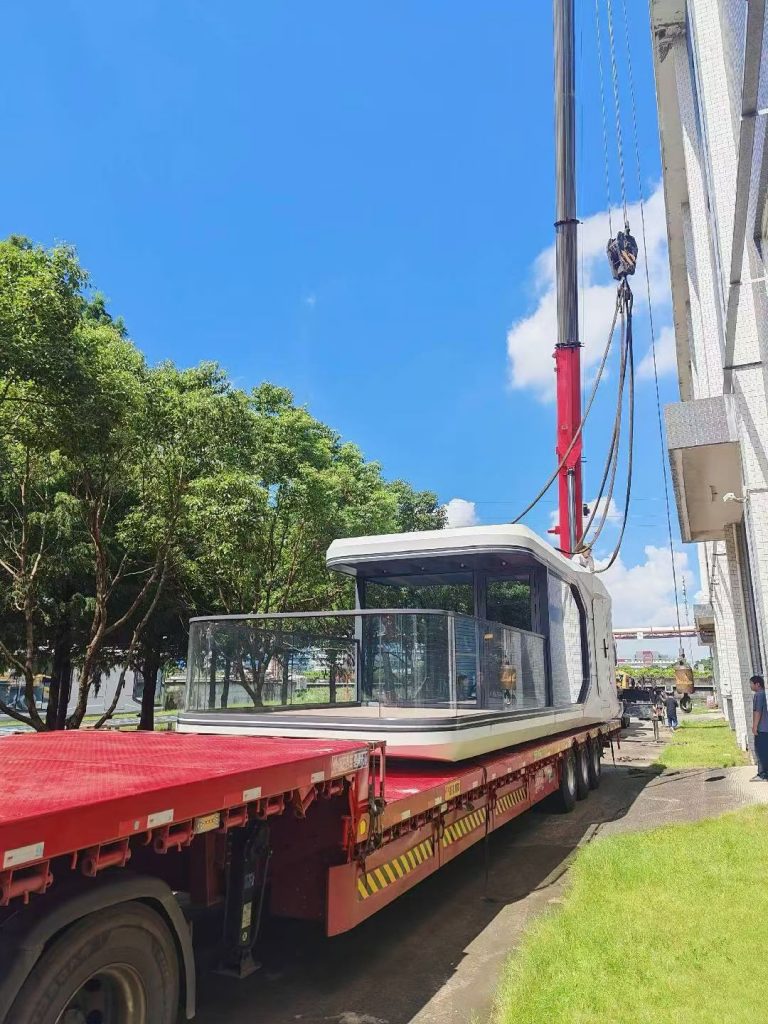
🚛 7. Transportation and Installation Process
🚢 Shipping Options:
- 20ft or 40ft container transport
- Flat rack shipment
- Bulk modular stacking
🏗 Installation Steps:
- Foundation preparation
- Steel frame placement
- Wall panel installation
- Roof assembly
- Electrical connection
- Final inspection
Installation typically takes 1–3 days depending on size.
💰 8. Cost Factors of Mobile Housing Solutions
Pricing depends on:
- Size and floor plan
- Structural thickness
- Insulation type
- Interior finish level
- Plumbing and electrical customization
- Transportation distance
- Local building requirements
Expandable container houses are generally more economical than custom modular villas.
🌍 9. Sustainability and Environmental Benefits
Prefabricated housing reduces:
- Construction waste
- On-site labor emissions
- Material overuse
- Construction time
Steel structures are recyclable, enhancing environmental sustainability.
🔐 10. Safety and Regulatory Compliance
Professional manufacturers follow:
- Wind resistance standards
- Seismic compliance
- Fire resistance ratings
- Electrical safety regulations
- Structural load-bearing calculations
Regulations vary by country and must be reviewed before installation.
🎨 11. Customization and Interior Design Options
Clients can customize:
- Floor plan layout
- Exterior color
- Interior wall finish
- Flooring material
- Bathroom configuration
- Kitchen modules
- Air conditioning system
Customization increases user comfort and market appeal.
🧰 12. Durability and Maintenance
High-quality mobile houses can last 15–25 years with proper maintenance.
Maintenance Recommendations:
- Inspect structural joints annually
- Check waterproof sealing
- Clean roof drainage system
- Maintain electrical wiring
- Repaint exterior every few years
Durable coatings extend lifespan significantly.
📈 13. Future Trends in Movable and Modular Housing
Emerging developments include:
- Smart home integration
- Solar energy integration
- Off-grid power systems
- AI climate control
- Sustainable green materials
- Stackable multi-story modular complexes
Technology continues reshaping portable living solutions.
🤝 14. Why Choose a Professional Mobile Housing Manufacturer?
Benefits include:
- Structural engineering expertise
- Certified material sourcing
- Factory quality control
- Global export experience
- Reliable project timeline
- Technical after-sales support
Professional execution ensures long-term safety and performance.
FAQ – Mobile Homes and Modular Housing Solutions
1. Are mobile homes suitable for permanent residence?
Yes, when designed with proper insulation, structural strength, and compliance with local building codes, they can serve as permanent housing.
2. How long does production take?
Standard expandable container houses: 7–15 days
Custom modular villas: 20–40 days
Production depends on complexity and order quantity.
3. Can the house be relocated after installation?
Yes. Many models are designed for relocation, especially container-based systems.
4. What foundation is required?
Options include:
- Concrete slab
- Steel beam foundation
- Pier foundation
Foundation choice depends on local soil conditions and regulations.
5. Are mobile homes energy-efficient?
With proper insulation panels, double-glazed windows, and optional solar integration, mobile homes can achieve high energy efficiency levels.
Conclusion: Scalable, Flexible, and Sustainable Mobile Housing Solutions
Modern mobile houses and prefabricated modular homes provide efficient, cost-effective, and flexible building alternatives for residential, commercial, and industrial use. Through advanced steel structure engineering, insulation optimization, and factory-controlled production, these movable housing solutions offer durability, fast installation, and customizable design.
Partnering with an experienced mobile housing manufacturer ensures compliance, structural safety, quality materials, and smooth international logistics.
For a customized quotation, please provide:
- Required size and layout
- Intended usage
- Installation country
- Insulation preference
- Quantity needed
Our engineering team will deliver a tailored mobile housing solution aligned with your project goals and budget requirements.


No reply content