
Introduction
The global housing market is facing significant challenges — rising construction costs, labor shortages, urban population growth, and increasing demand for sustainable living. In response, modular homes have emerged as one of the most innovative and practical housing solutions. By combining factory-based precision manufacturing with on-site assembly efficiency, modular housing offers speed, cost control, durability, and design flexibility.
Whether you are a real estate developer, government housing planner, investor, or homeowner considering a prefabricated modular house, understanding how modular homes work is essential. This comprehensive guide covers construction methods, materials, costs, customization options, benefits, regulations, and future trends shaping the modular housing industry.
What Are Modular Homes?
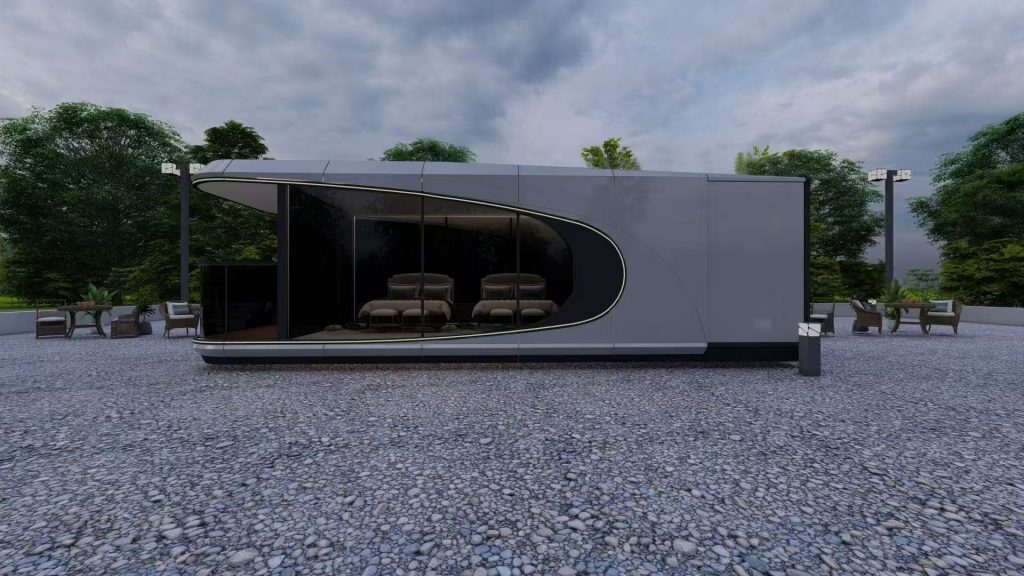
Modular homes are prefabricated houses built in factory-controlled environments and transported to the final site for assembly. Unlike traditional on-site construction, modular homes are produced in sections (modules) that are later connected to form a complete structure.
Key characteristics:
- Built in factory settings
- Constructed in modules or sections
- Assembled on permanent foundations
- Comply with local building codes
Modular homes differ from mobile homes because they are permanent structures installed on foundations.
How Modular Homes Are Built
Step 1: Design and Planning
The process begins with:
- Architectural layout design
- 3D modeling and structural engineering
- Material selection
- Budget planning
Modern modular home manufacturers often use digital design software to optimize space and efficiency.
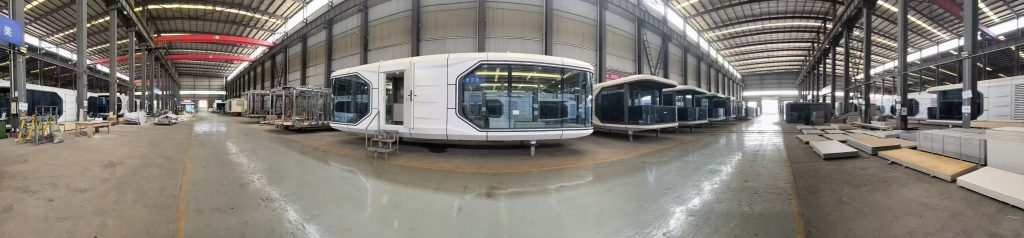
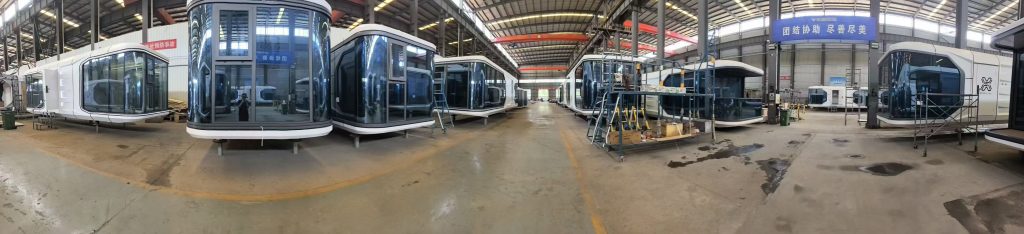
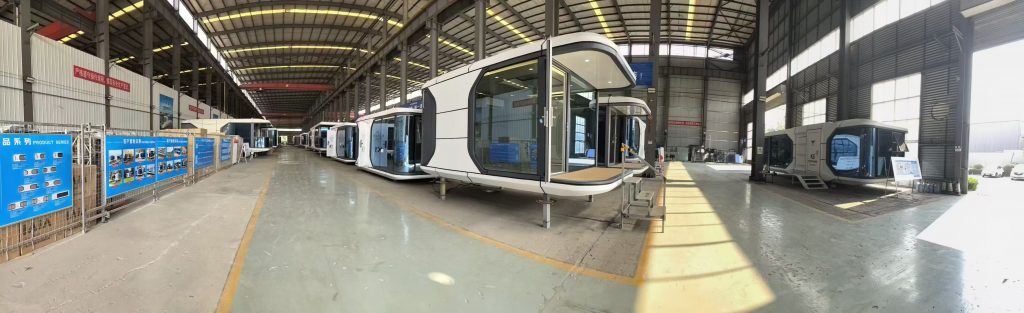
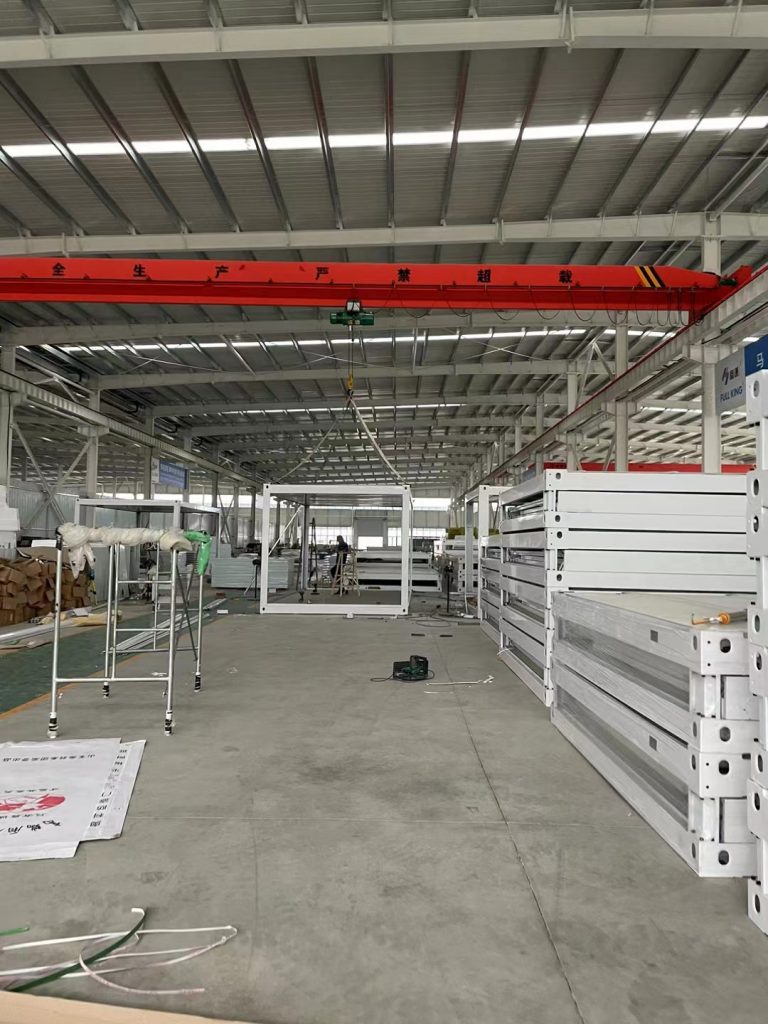
Step 2: Factory Production
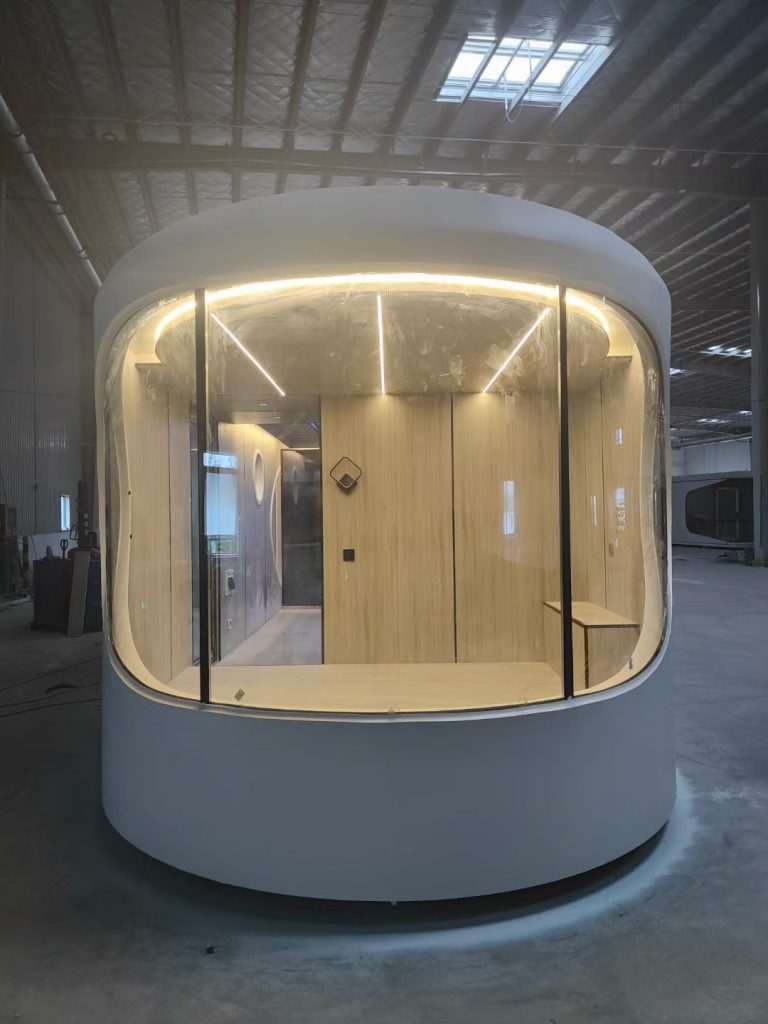
Modules are constructed in controlled environments where:
- Structural frames are assembled
- Walls, floors, and ceilings are installed
- Electrical and plumbing systems are pre-installed
- Insulation and exterior finishes are applied
Factory production ensures precision, reduces weather-related delays, and improves quality control.
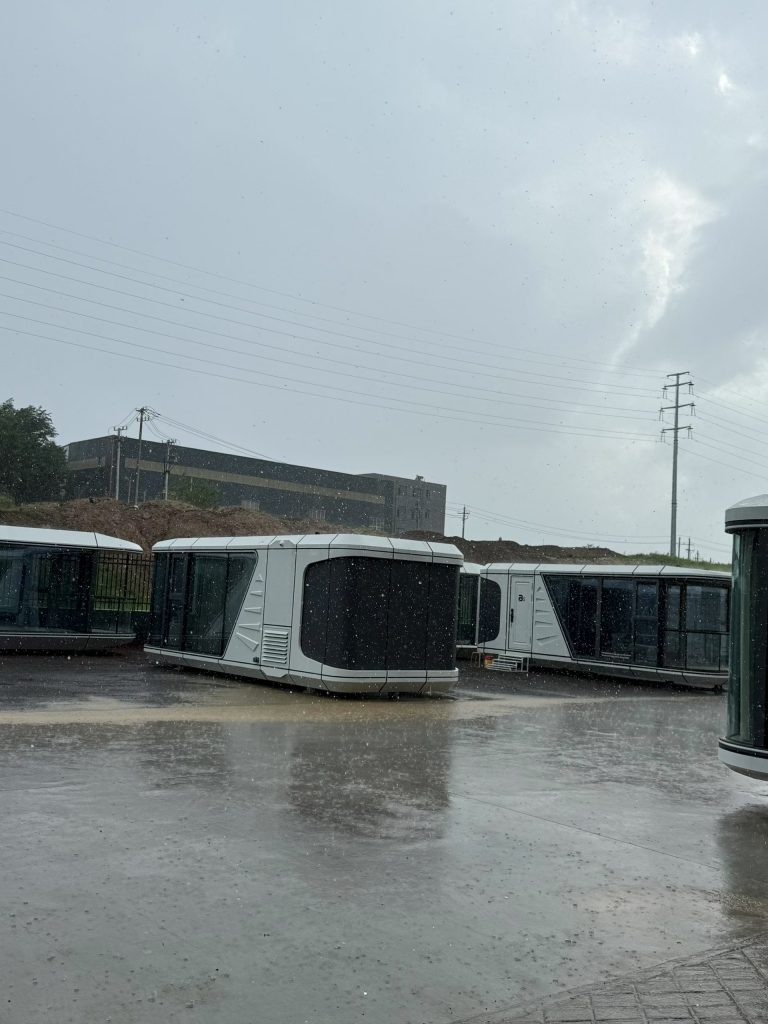
Step 3: Transportation
Completed modules are transported via truck or container to the construction site.
Careful logistics planning ensures:
- Safe delivery
- Structural protection
- Efficient installation scheduling
Step 4: On-Site Assembly
Once delivered:
- Modules are placed on prepared foundations
- Sections are connected
- Final utility connections are completed
- Interior finishing and inspection take place
Assembly typically takes days rather than months.
Types of Modular Homes
Single-Module Homes
Compact and cost-effective, suitable for:
- Small families
- Vacation homes
- Temporary housing
Multi-Module Homes
Larger structures composed of multiple connected modules.
Ideal for:
- Family residences
- Luxury villas
- Multi-bedroom layouts
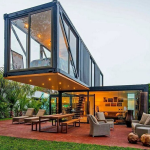
Container-Based Modular Homes
Repurposed or engineered steel containers used as modules.
Popular for:
- Modern minimalist designs
- Eco-conscious housing
- Remote site projects
Panelized Modular Homes
Built using prefabricated wall panels instead of full modules.
Advantages:
- Flexible design
- Easier transportation
- Lower shipping volume
Materials Used in Modular Housing
Material choice affects durability, cost, and climate performance.
Structural Frame
- Steel frame
- Light gauge steel
- Wood frame
Steel offers higher durability and resistance to pests and moisture.
Exterior Wall Systems
- Insulated sandwich panels
- Fiber cement boards
- Metal cladding
- Vinyl siding
Insulation Materials
- Rock wool
- Polyurethane foam
- EPS panels
Good insulation improves energy efficiency.
Roofing Options
- Metal roofing
- Asphalt shingles
- Composite roofing systems
Benefits of Modular Homes
1. Faster Construction Time
Modular homes can reduce construction timelines by 30–50% compared to traditional methods.
2. Cost Efficiency
Factory production:
- Reduces labor costs
- Minimizes material waste
- Improves purchasing efficiency
3. Quality Control
Controlled factory environments ensure:
- Consistent standards
- Precise measurements
- Strict inspection processes
4. Sustainability
Modular construction reduces:
- Material waste
- Energy consumption
- Environmental impact
5. Design Flexibility
Modern modular homes offer:
- Custom layouts
- Luxury finishes
- Smart home integration
Cost Factors of Modular Homes
Pricing depends on:
- Size and layout
- Material selection
- Structural system
- Customization level
- Transportation distance
- Foundation type
- Local installation costs
Average global price range:
- $50–$150 per square foot depending on location and specifications
Modular Homes vs Traditional Construction
| Feature | Modular Homes | Traditional Homes |
|---|---|---|
| Construction Time | Faster | Longer |
| Weather Delays | Minimal | Significant |
| Labor Requirement | Lower | Higher |
| Cost Control | Predictable | Variable |
| Waste Production | Lower | Higher |
Regulations and Compliance
Modular homes must comply with:
- Local building codes
- Structural safety standards
- Fire resistance requirements
- Energy efficiency regulations
Working with certified modular home manufacturers ensures compliance.
Applications of Modular Housing
Residential Projects
- Private villas
- Urban housing developments
- Affordable housing programs
Emergency and Disaster Relief
Rapid deployment housing for:
- Natural disaster recovery
- Temporary worker housing
Commercial and Institutional
- Schools
- Healthcare clinics
- Offices
Sustainability and Energy Efficiency
Modern modular homes incorporate:
- Solar panel systems
- Energy-efficient windows
- Smart HVAC systems
- High-performance insulation
Energy-efficient modular homes reduce long-term operational costs.
Smart Technology Integration
Advanced modular homes may include:
- Smart lighting systems
- Security automation
- Energy monitoring systems
- Integrated EV charging
Technology enhances comfort and efficiency.
Choosing a Reliable Modular Home Manufacturer
When selecting a supplier, consider:
1. Manufacturing Experience
Look for:
- Completed project portfolio
- Export capability
- Industry certifications
2. Engineering Support
Professional manufacturers provide:
- Structural calculations
- Wind resistance analysis
- Seismic compliance
3. Customization Options
Choose suppliers offering:
- Flexible floor plans
- Material customization
- Exterior finish options
4. Quality Control System
Ensure the factory implements:
- Material inspection
- Structural testing
- Pre-delivery inspection
Maintenance and Lifespan
With proper maintenance, modular homes can last:
- 30–50 years or longer
Routine maintenance includes:
- Roof inspection
- Sealant replacement
- Structural checks
Global Market Trends in Modular Housing
Current trends include:
- Affordable housing demand
- Urban micro-living solutions
- Sustainable construction
- Rapid development projects
- Modular luxury homes
Governments increasingly support modular housing initiatives to address housing shortages.
FAQ – Modular Homes
Q1: Are modular homes durable?
Yes, when built with steel or quality wood frames, they meet structural standards similar to traditional homes.
Q2: Can modular homes be customized?
Yes. Layout, finishes, materials, and exterior designs can be tailored.
Q3: How long does installation take?
On-site assembly can be completed within days to weeks depending on complexity.
Q4: Are modular homes energy efficient?
Yes, especially when equipped with proper insulation and modern HVAC systems.
Q5: Can modular homes be expanded later?
Many modular systems are designed for future expansion.
Why Invest in Modular Housing Solutions
Modular homes represent the future of efficient and sustainable construction. They combine:
- Speed
- Quality control
- Cost predictability
- Environmental responsibility
Developers benefit from scalable production, while homeowners gain modern, affordable housing options.
Final Thoughts
Modular homes are transforming the construction industry by offering a faster, smarter, and more sustainable approach to housing. From affordable residential units to high-end modular villas, prefabricated housing solutions provide flexibility and long-term value.
Whether you are a developer sourcing large-scale housing solutions or a homeowner exploring modern prefabricated options, partnering with an experienced modular home manufacturer ensures quality, safety, and project success.
As urbanization and sustainability demands continue to grow, modular housing will remain a key driver of innovation in global construction.


No reply content