As housing prices continue to rise globally, buyers, investors, and developers are searching for smarter, more efficient construction solutions. One option that is gaining massive attention is modular housing. But how does it really compare to traditional houses?
In this article, we will explore the key differences between modular homes and traditional construction, focusing on cost, durability, flexibility, construction speed, and long-term value.
What Is a Modular Home?
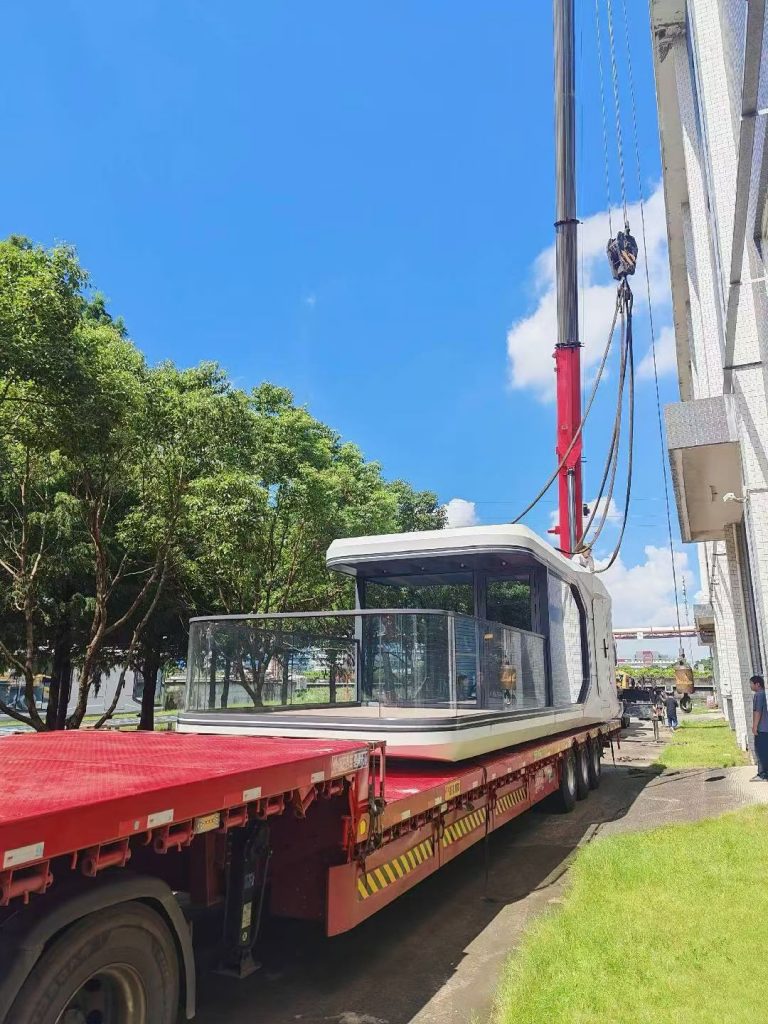
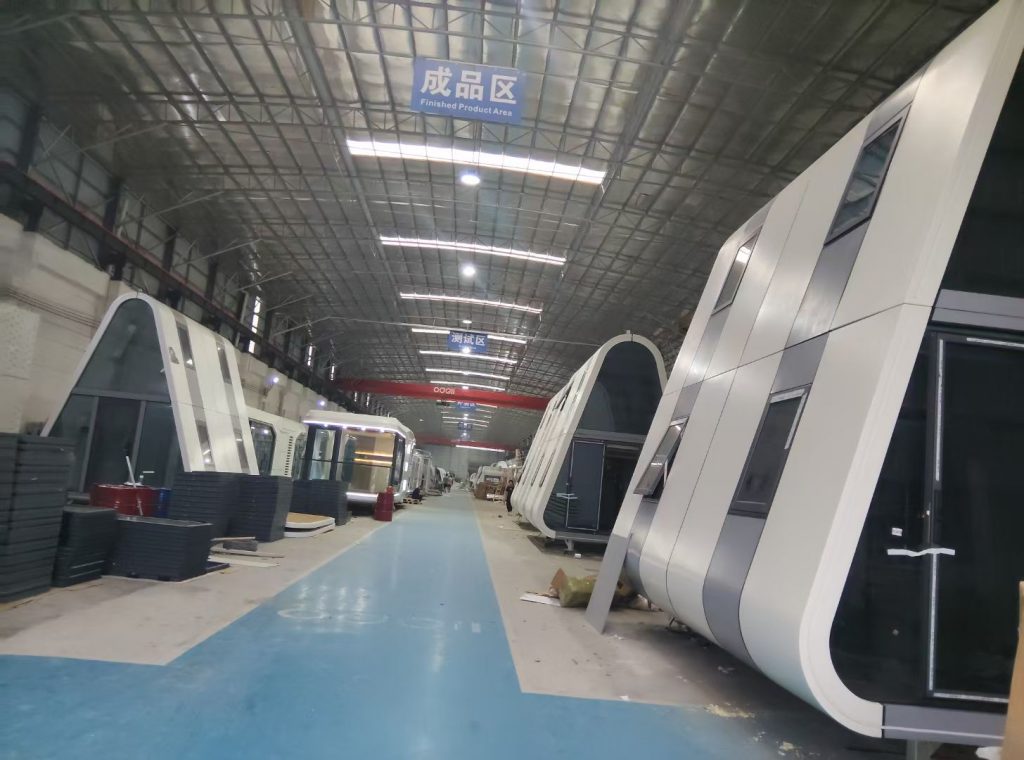
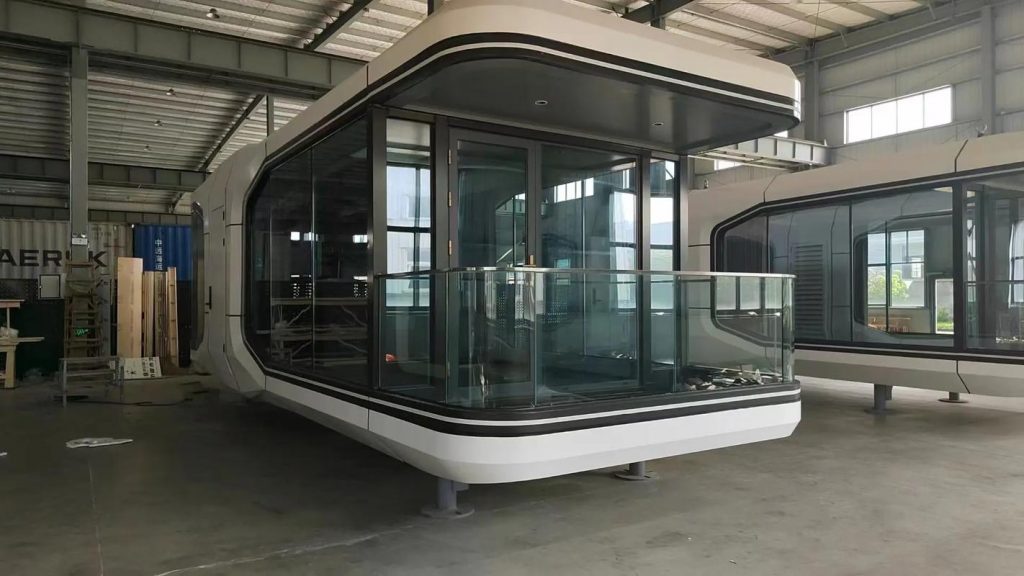
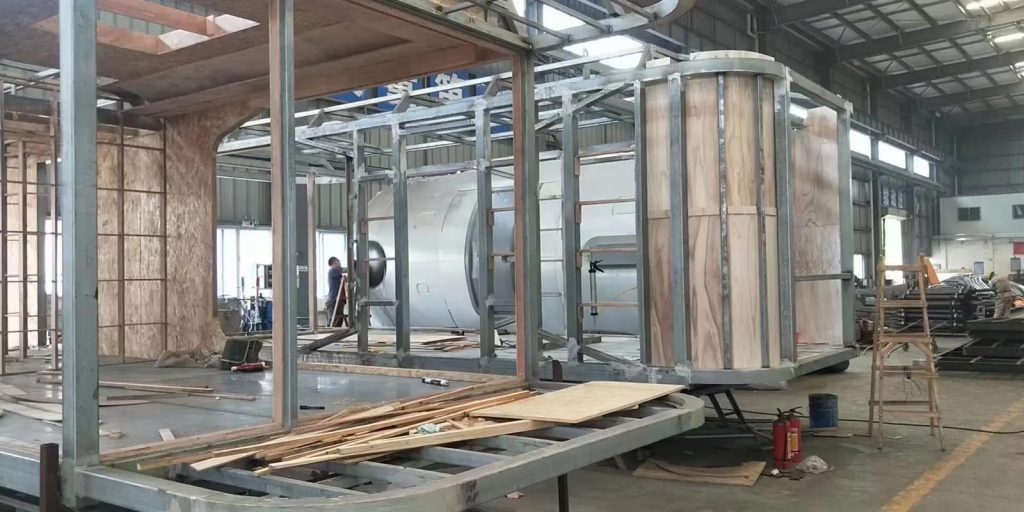
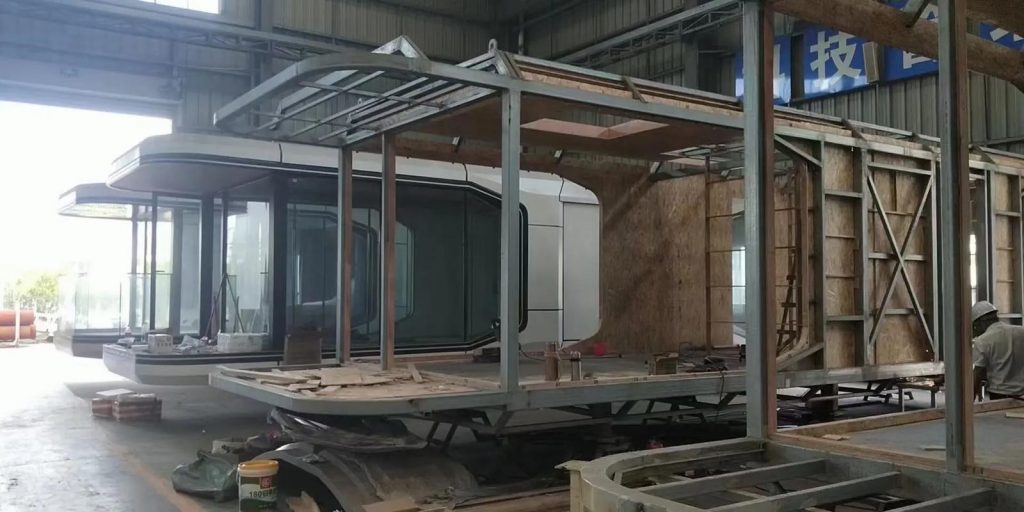
A modular home is built in a controlled factory environment using prefabricated modules. These modules are then transported to the site and assembled into a complete building.
Unlike mobile homes, modular houses are permanent structures that comply with local building codes and standards. They can be single-story or multi-story and customized for residential, commercial, or industrial use.
Construction Speed: Modular Wins
One of the biggest advantages of modular homes is speed.
Traditional houses usually take:
- 6–12 months to complete
- Often delayed by weather, labor shortages, and material supply issues
Modular homes, on the other hand:
- Are built in factories while site preparation happens simultaneously
- Can be completed in 4–8 weeks
- Face no weather interruptions
This speed reduces labor costs and allows owners to move in or rent out much faster.
Cost Comparison: Modular vs Traditional
Cost is one of the main reasons people choose modular homes.
Traditional Houses:
- High labor costs
- Material waste
- Long project timelines
- Frequent budget overruns
Modular Homes:
- Standardized production
- Bulk material purchasing
- Minimal waste
- Predictable pricing
On average, modular homes cost 20%–40% less than traditional homes with similar sizes and features.
Design Freedom: More Than You Think
Many people assume modular homes are limited in design. This is a misconception.
Modern modular construction supports:
- Open floor plans
- High ceilings
- Large glass windows
- Smart home systems
- Luxury kitchens and bathrooms
- Custom façades
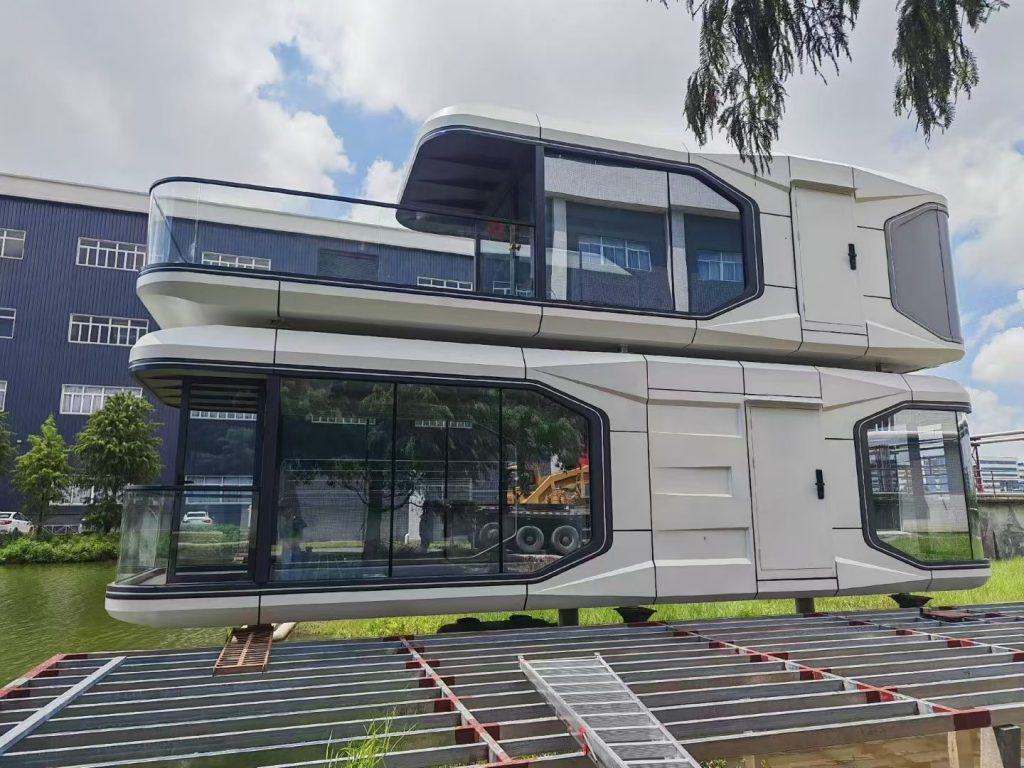
- Multi-story layouts
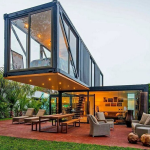
From modern minimalism to classic styles, modular homes can be tailored to nearly any aesthetic preference.
Strength and Durability
Modular homes are engineered to survive transportation, lifting, and installation. This means they are often stronger than traditional homes.
They typically feature:
- Reinforced steel frames
- High-load-bearing structures
- Fire-resistant wall panels
- Earthquake-resistant designs
- Wind-load tested roofing systems
These homes are built to meet or exceed national building standards.
Energy Efficiency and Comfort
Because modular homes are assembled in factories, insulation and sealing are far more precise than on-site construction.
This results in:
- Better thermal insulation
- Fewer air leaks
- Lower heating and cooling costs
- Reduced energy consumption
Many modular homes also support:
- Solar panel integration
- Rainwater collection
- Smart temperature systems
Scalability: Build Now, Expand Later
One major advantage of modular homes is scalability.
You can start with a small unit and later expand by adding more modules. This is ideal for:
- Growing families
- Businesses
- Hotels
- Schools
- Clinics
- Worker accommodations
Traditional houses rarely offer this level of flexibility.
Maintenance and Long-Term Value
Modular homes use modern materials that are designed for longevity.
This includes:
- Anti-corrosion steel
- Moisture-resistant wall panels
- Termite-resistant flooring
- Fireproof insulation
As a result, maintenance costs are often lower than traditional homes.
Why Investors Are Choosing Modular Homes
For investors, modular homes provide:
- Faster project completion
- Quicker rental income
- Lower construction risk
- Predictable costs
- Scalable development
These advantages make modular housing ideal for real estate developers and government housing projects.
The Future of Housing
With urbanization, housing shortages, and sustainability becoming global issues, modular construction is no longer an alternative—it is becoming the standard.
Governments, NGOs, and private developers are increasingly adopting modular systems for:
- Affordable housing
- Disaster relief
- Remote area housing
- Workforce accommodation
Final Verdict
So which is the smarter investment: modular or traditional?
For most buyers and developers, modular homes clearly win in terms of:
- Cost efficiency
- Speed
- Quality control
- Sustainability
- Flexibility
Modular housing is not just a building method—it is a smarter way to build.
⭐⭐⭐⭐⭐ Customer Reviews
-
👤 Michael R. – 🇺🇸 USA
⭐⭐⭐⭐⭐
Very solid structure and excellent finishing. -
👤 Isabella T. – 🇨🇦 Canada
⭐⭐⭐⭐⭐
Fast delivery and professional team. -
👤 James W. – 🇦🇺 Australia
⭐⭐⭐⭐⭐
Our modular home feels stronger than our old house. -
👤 Oliver B. – 🇬🇧 United Kingdom
⭐⭐⭐⭐⭐
Great design options and smooth installation. -
👤 Hassan A. – 🇶🇦 Qatar
⭐⭐⭐⭐⭐
Perfect for hot climates. -
👤 Daniel K. – 🇩🇪 Germany
⭐⭐⭐⭐⭐
Very high-quality materials. -
👤 Sophie M. – 🇫🇷 France
⭐⭐⭐⭐⭐
Beautiful interior and quiet rooms. -
👤 Carlos N. – 🇪🇸 Spain
⭐⭐⭐⭐⭐
Good value for money. -
👤 Yuki S. – 🇯🇵 Japan
⭐⭐⭐⭐⭐
Extremely precise manufacturing. -
👤 Ahmed E. – 🇪🇬 Egypt
⭐⭐⭐⭐⭐
Excellent insulation. -
👤 Thabo L. – 🇿🇦 South Africa
⭐⭐⭐⭐⭐
Easy to install and maintain. -
👤 Giulia R. – 🇮🇹 Italy
⭐⭐⭐⭐⭐
Very stylish and modern. -
👤 Lucas P. – 🇧🇷 Brazil
⭐⭐⭐⭐⭐
Our clients love these homes. -
👤 Noor H. – 🇦🇪 UAE
⭐⭐⭐⭐⭐
Premium quality. -
👤 Erik J. – 🇳🇴 Norway
⭐⭐⭐⭐⭐
Very warm in winter.


No reply content