Container House Co., Ltd
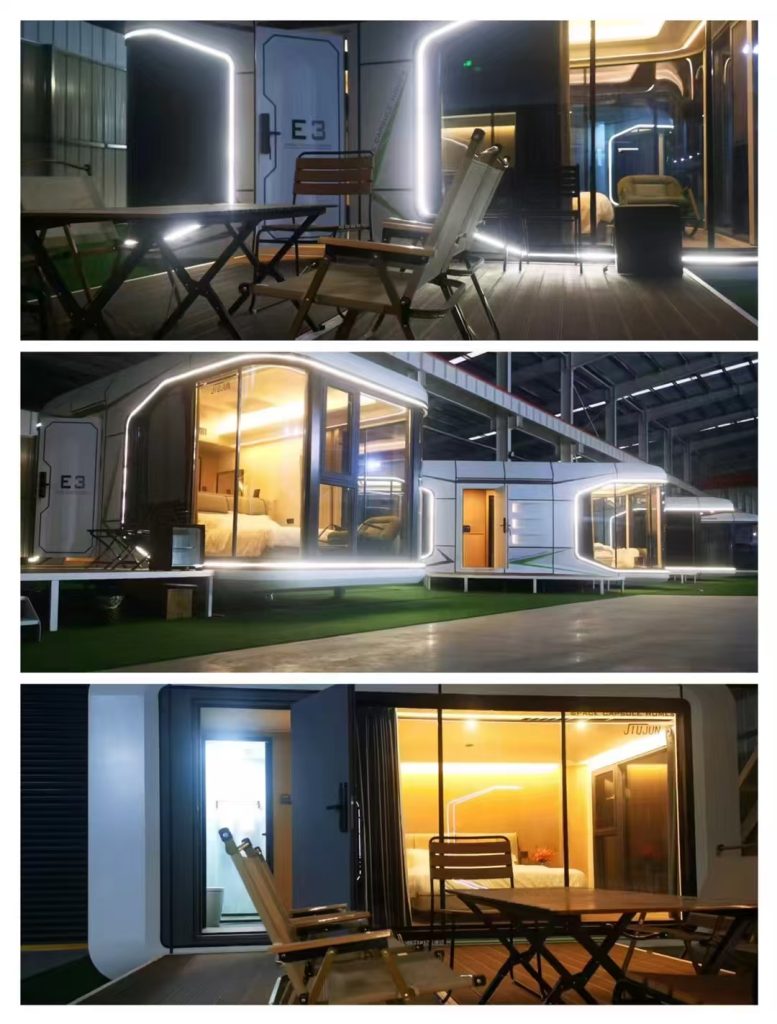
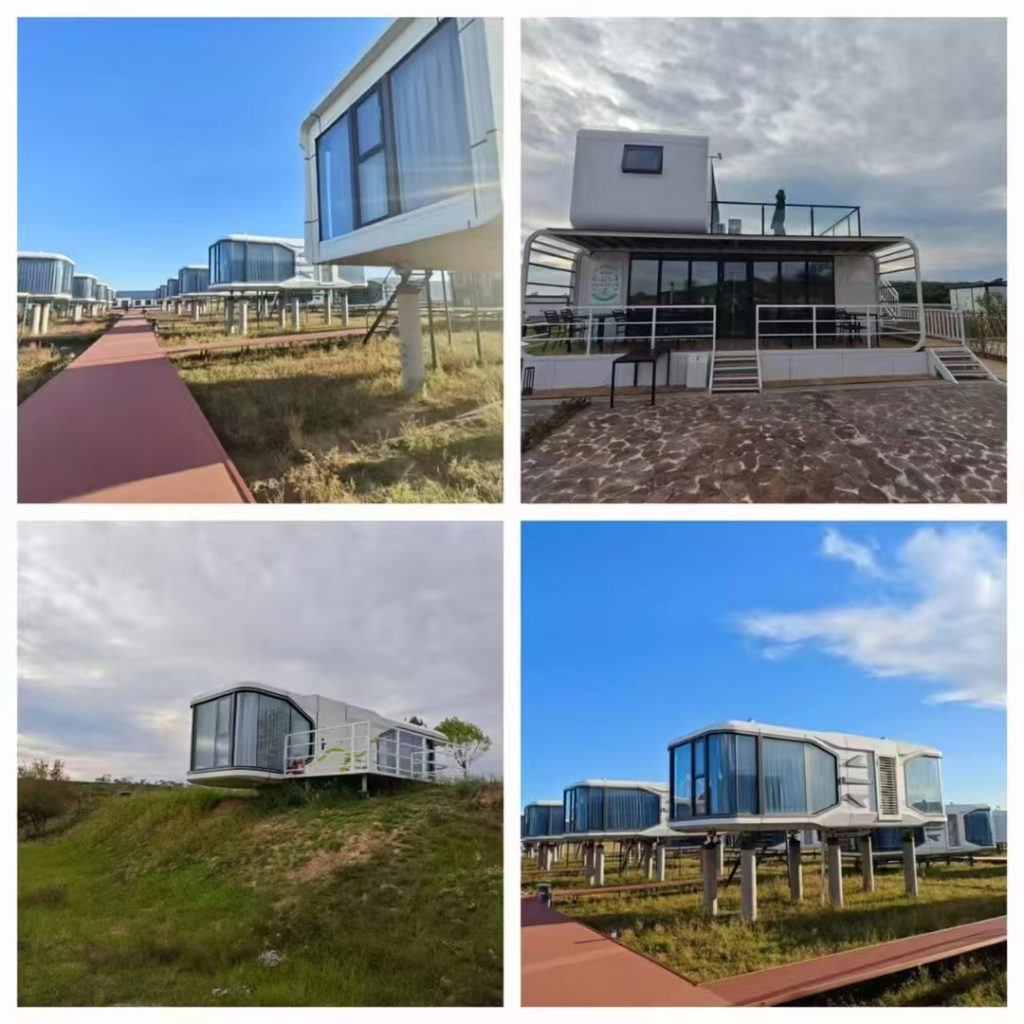
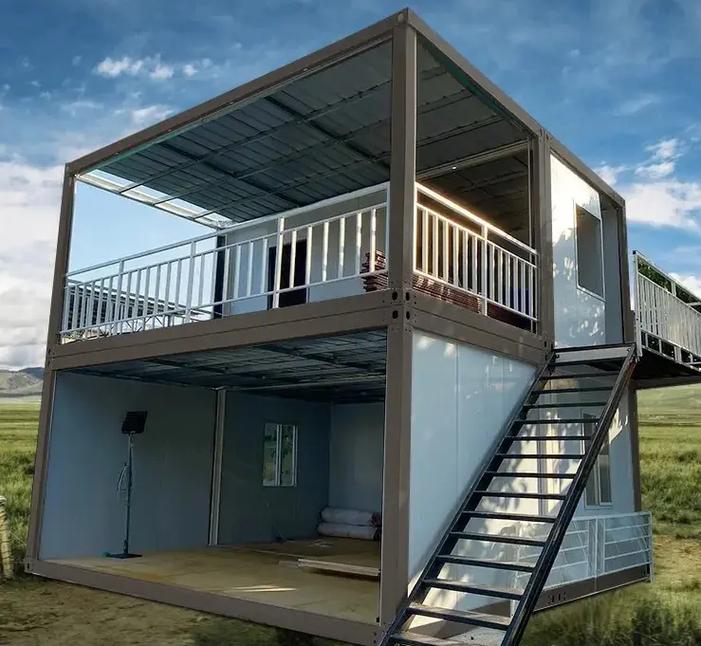
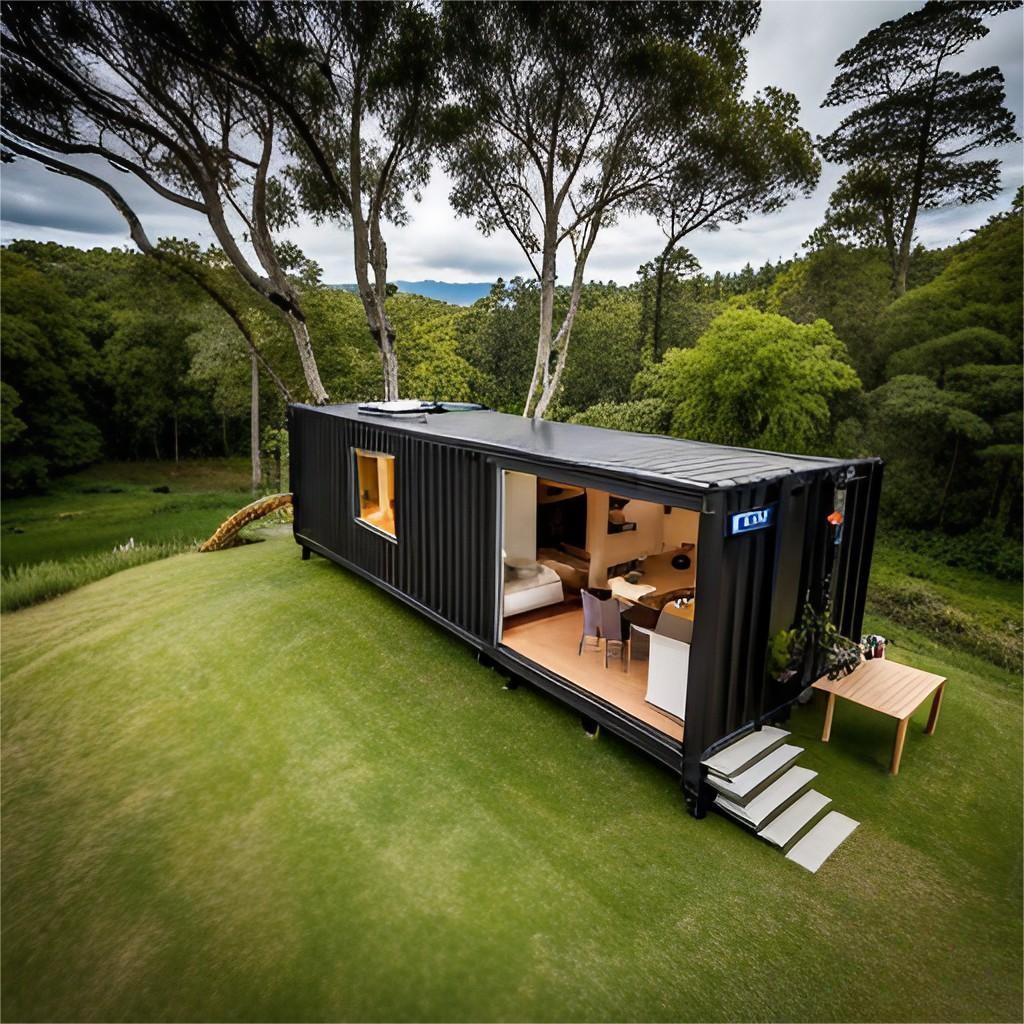
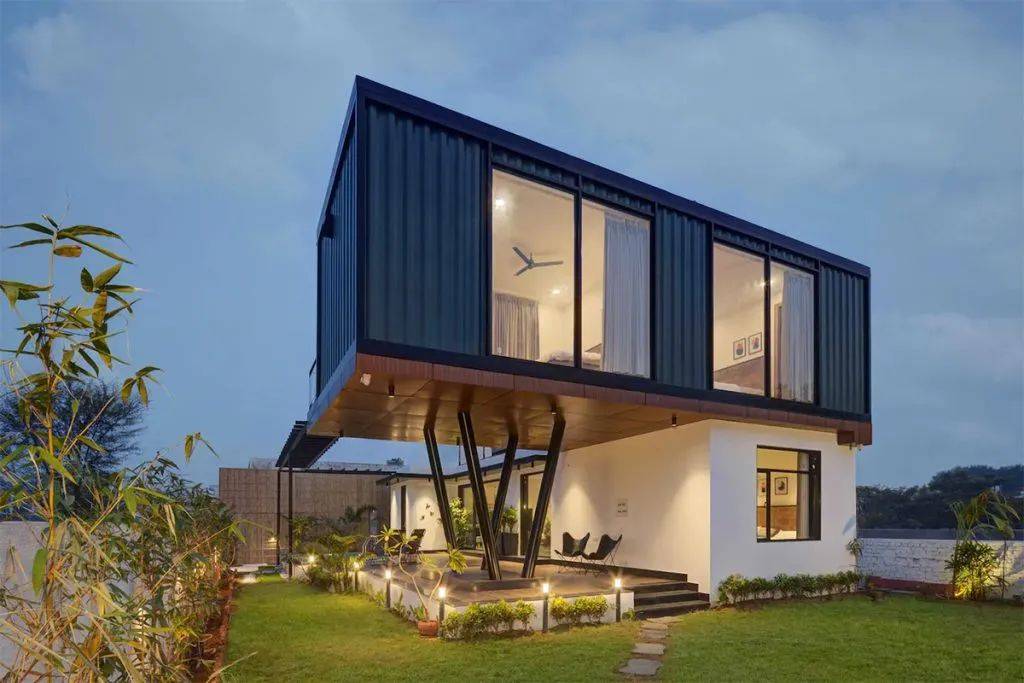
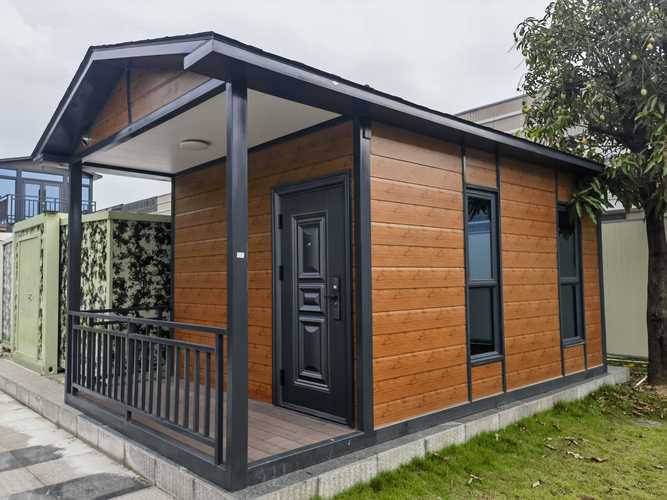
In an era where travel demand is surging and environmental consciousness is at an all-time high, modular space capsule lodging has emerged as a groundbreaking solution that harmonizes innovation with ecological responsibility. These compact, self-contained units are redefining how travelers engage with destinations, offering a sustainable alternative to traditional hotels and cabins. Designed for rapid deployment, energy efficiency, and minimal environmental footprint, space capsule lodgings are reshaping the hospitality landscape while catering to the growing demand for immersive, responsible tourism experiences. This article explores their transformative potential, core features, and role in shaping the future of travel.
Design Philosophy: Fusion of Futurism and Ecology
Space capsule lodgings reject conventional architectural norms by merging aerospace-inspired engineering with organic aesthetics. Their design philosophy revolves around three pillars: modularity, durability, and biophilic integration.
-
Aerodynamic Form and Lightweight MaterialsInspired by spacecraft design, capsules adopt streamlined silhouettes to minimize wind resistance and energy consumption. Exterior cladding combines weather-resistant composites with reclaimed timber or stone accents, ensuring durability without sacrificing visual appeal. Solar-reflective coatings and passive cooling systems further enhance energy efficiency, while low-VOC paints and non-toxic sealants prioritize indoor air quality.
-
Biophilic IntegrationCapsules are engineered to coexist with their environments rather than dominate them. Curved roofs mimic natural landforms, while floor-to-ceiling glazing frames panoramic views of forests, mountains, or urban skylines. Vegetated façades and rooftop gardens soften their visual impact, creating a symbiotic relationship with local ecosystems.
-
Compact, Functional LayoutsDespite their small footprint (typically 30–80 square meters), capsules maximize space through multifunctional design. Modular furniture systems, retractable beds, and foldable workstations adapt to changing needs. Open-plan layouts eliminate wasted space, while hidden storage solutions maintain clutter-free interiors.
Core Features: Enabling Sustainable Tourism
The magic of space capsule lodgings lies in their integration of advanced technologies that prioritize energy efficiency, water conservation, and waste reduction.
1. Renewable Energy Systems
Capsules harness renewable energy through a combination of solar panels, small wind turbines, and kinetic energy harvesters. Solar cells embedded into curved roofs generate electricity, while vertical-axis wind turbines capture breezes generated by passing vehicles or natural airflow. Excess energy is stored in lithium-iron-phosphate (LFP) batteries, ensuring uninterrupted power even during cloudy days or at night.
2. Closed-Loop Water Management
Water scarcity is addressed through a three-stage system:
-
Rainwater Harvesting: Curved roofs channel precipitation into underground storage tanks.
-
Greywater Recycling: Filtration systems treat wastewater from sinks and showers for reuse in irrigation or toilet flushing.
-
Atmospheric Water Generation: In arid regions, hygroscopic materials absorb moisture from the air, condensing it into potable water.
3. Smart Environmental Controls
An AI-driven central hub regulates temperature, humidity, and air quality. Sensors monitor occupancy and adjust settings dynamically—for example, dimming lights in unoccupied areas or activating cooling vents when temperatures rise. Circadian rhythm lighting mimics natural daylight cycles, enhancing sleep quality and productivity.
4. Zero-Waste Construction
Capsules are prefabricated in factories using precision engineering to minimize material waste. Modular components are precision-cut to fit together seamlessly, reducing on-site construction time by 60% compared to traditional builds. Post-occupation, 95% of materials—including steel frames and composite panels—are recyclable, aligning with circular economy principles.
Applications in Sustainable Tourism
Space capsule lodgings are revolutionizing how we conceptualize travel accommodations, offering unparalleled versatility across diverse scenarios.
1. Glamping and Luxury Eco-Resorts
-
Elevated Comfort: Replace traditional tents with capsule lodgings featuring plush bedding, private bathrooms, and ambient lighting.
-
Site Preservation: Capsules’ small footprints (as low as 20 m²) minimize land disruption, protecting natural habitats while accommodating high guest capacity.
-
Year-Round Appeal: Insulated walls and heating systems enable operation in colder seasons, extending revenue streams.
2. Remote and Off-Grid Destinations
Digital nomads and adventure travelers adopt capsules as mobile offices or base camps. Equipped with high-speed Wi-Fi, ergonomic desks, and noise-canceling pods, these units enable productivity in scenic yet isolated locations. Solar-powered variants operate entirely off-grid, making them ideal for mountain cabins or desert research stations.
3. Disaster Relief and Temporary Housing
Governments and NGOs deploy capsules as emergency shelters after natural disasters. Their rapid assembly (within 48 hours) and durability against earthquakes and floods make them vital for crisis response. Modular designs allow customization for specific needs—medical pods with sterile environments or family units with expanded living spaces.
4. Urban and Resort Integration
In high-demand tourist hubs, capsules offer a sustainable alternative to traditional hotels. Compact designs maximize land use, while smart booking systems enable dynamic pricing and rapid turnover. Resorts use capsules for VIP suites, staff quarters, or pop-up event spaces.
Sustainability Advantages: A Closer Look
-
Carbon-Neutral ConstructionFactory-built capsules minimize on-site waste, with 90% of materials recyclable. Low-carbon concrete and FSC-certified timber further reduce environmental impact.
-
Energy EfficiencyStudies indicate that capsules achieve 67% less energy consumption compared to traditional buildings, thanks to passive design strategies and renewable energy integration.
-
Biodiversity PreservationCapsules’ elevated platforms prevent soil erosion, while native landscaping minimizes irrigation needs. Vegetated roofs attract pollinators, supporting local ecosystems.
-
Water ConservationClosed-loop systems reduce water usage by up to 50%, critical in drought-prone regions.
Challenges and Innovative Solutions
While space capsule lodgings offer immense promise, challenges persist:
-
Transportation LogisticsOversized modules require specialized trailers or helicopters for delivery to remote sites. Solutions include regional manufacturing hubs and foldable designs that reduce transport dimensions.
-
Regulatory ComplianceZoning laws and building codes often lag behind modular construction advancements. Advocacy for updated regulations and certification programs (e.g., LEED for modular buildings) is critical.
-
Public PerceptionMisconceptions about capsule durability and comfort persist. Transparent marketing—highlighting certifications, user testimonials, and performance data—can shift perceptions.
Future Trends: The Evolution of Capsule Tourism
Emerging innovations promise to elevate space capsule lodgings into integral components of sustainable urban and rural ecosystems:
-
AI-Powered PersonalizationMachine learning algorithms analyze guest preferences to adjust settings—from preferred room temperature to curated local activity suggestions.
-
Augmented Reality (AR) ExperiencesTransparent AR windows overlay digital information onto natural vistas, such as identifying wildlife or displaying historical landmarks.
-
Modular EcosystemsCapsules designed for interconnectivity—via shared green spaces, communal energy grids, or digital collaboration hubs—foster social cohesion while preserving individual privacy.
-
Carbon-Negative MaterialsResearch into mycelium-based insulation and algae-covered façades aims to create capsules that actively sequester carbon dioxide.
Conclusion
Space capsule lodgings represent a paradigm shift in sustainable tourism, merging futuristic design with ecological responsibility. By reimagining how we inhabit spaces—from bustling cities to untouched wilderness—they offer a scalable blueprint for reducing humanity’s environmental footprint. As technology advances and societal attitudes evolve, these lodgings will not just be dwellings but catalysts for a greener, more connected world. For developers, policymakers, and eco-conscious travelers alike, investing in space capsule lodgings is not merely a trend—it’s a commitment to harmonizing progress with planetary preservation.


No reply content