
Gannan Navel Orange Orchard China
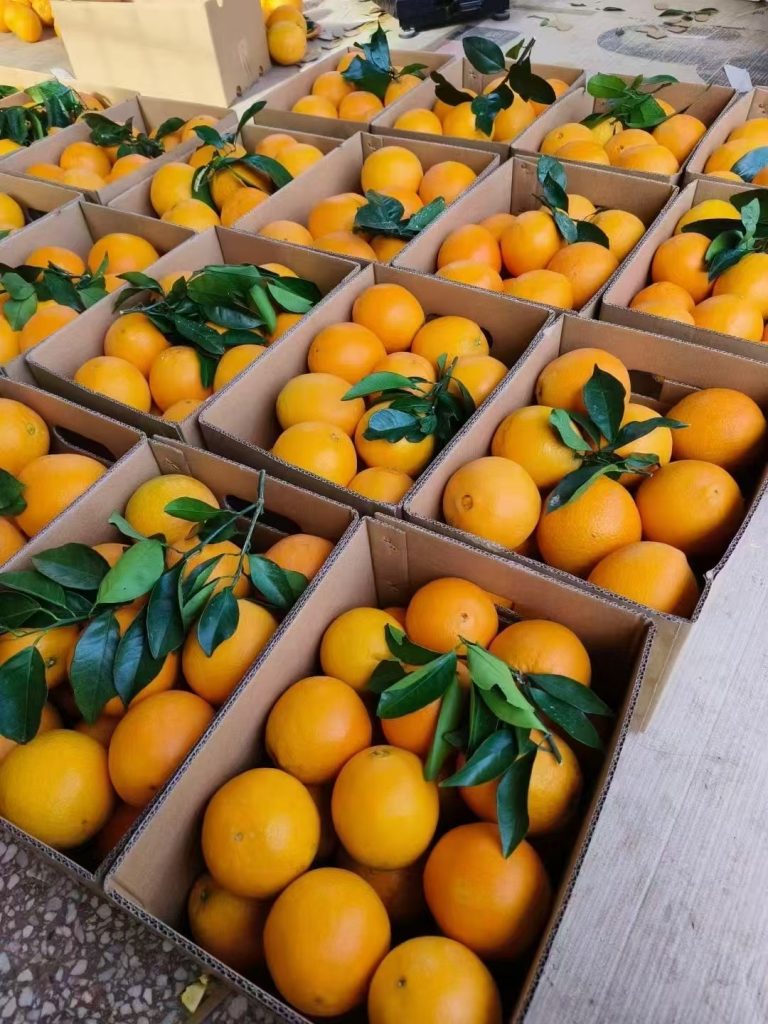
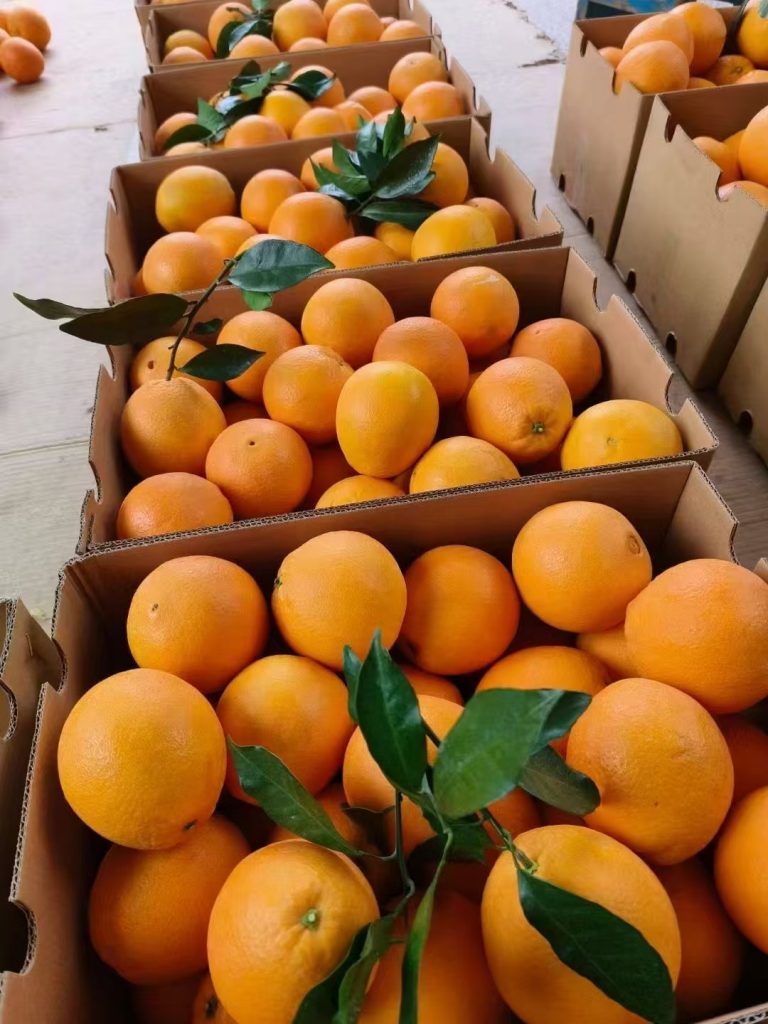
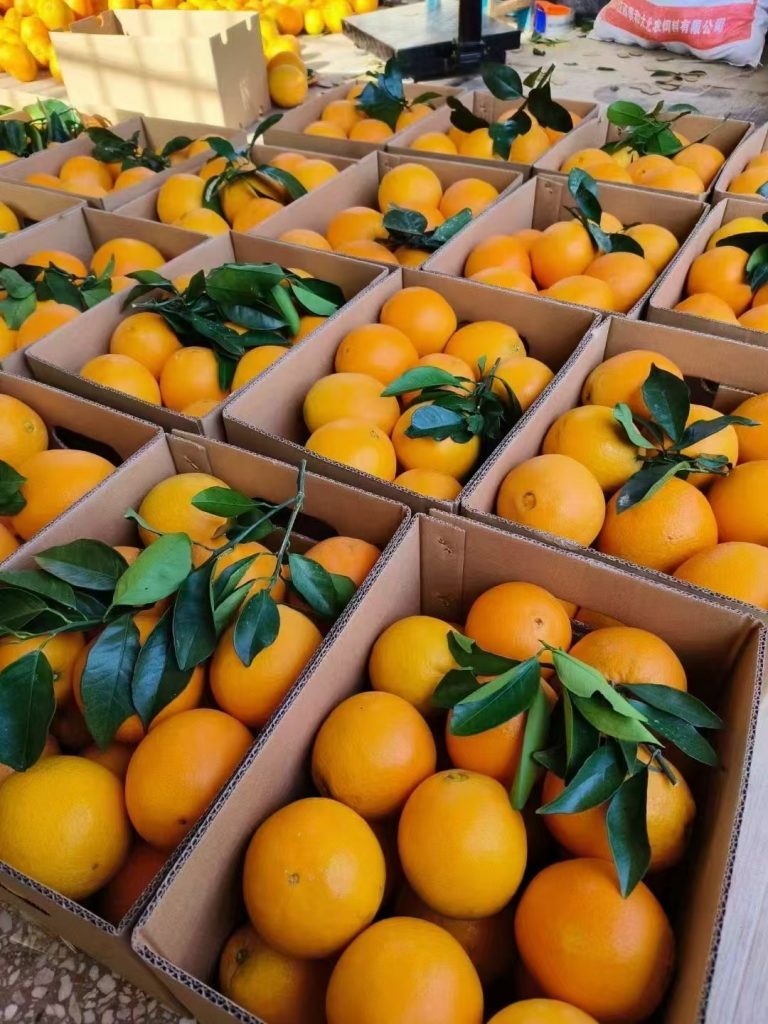
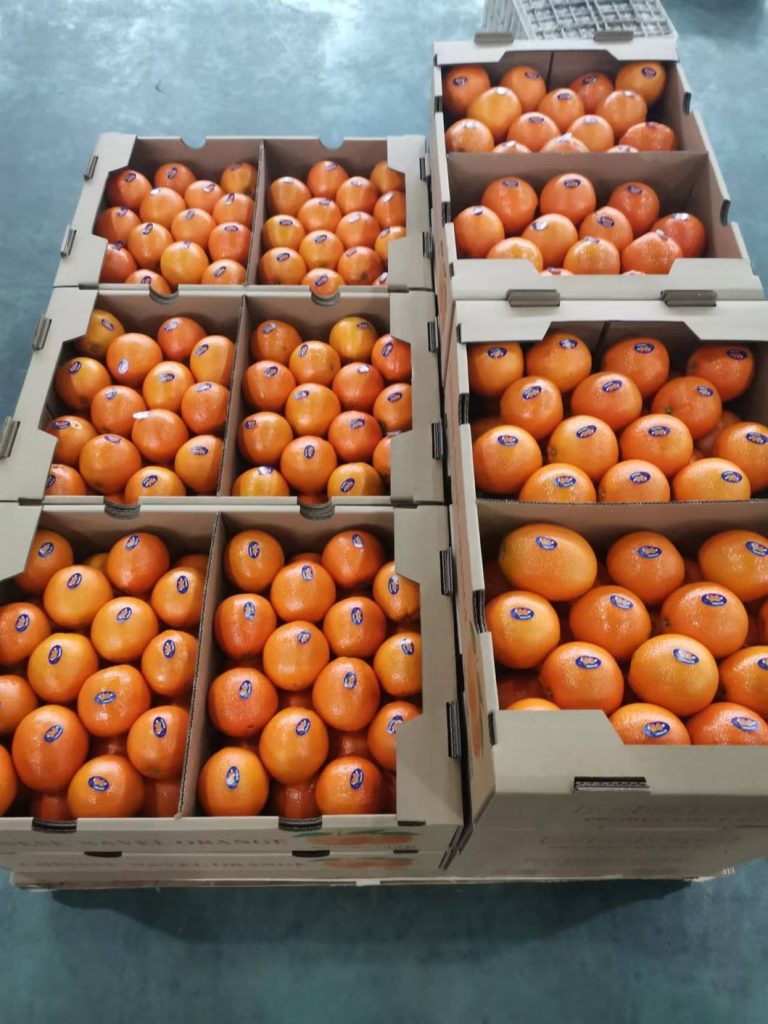
For navel orange growers, 2026 feels like a loop: another season of falling prices, rising costs, and the gnawing question, “How do I keep my farm afloat?” But what if this year’s struggles could fuel your most resilient season yet? This guide—crafted for growers searching “how to profit from navel oranges in a low-price market,” “navel orange farming challenges 2024,” and “boosting navel orange value”—blends cutting-edge research, real farmer wins, and actionable steps to turn adversity into advantage.
The Cold Truth: Why Prices Keep Dropping (and Where Hope Lives)
Let’s start with the hard facts. The 2024 International Citrus Council Report confirms:
-
Global navel orange production hit 14.2 million tons—a 9% spike from 2022—fueled by record yields in Spain, Peru, and California.
-
Meanwhile, demand growth stalled at 3%, creating a 2.1-million-ton surplus that’s crushing wholesale prices.
Market |
2021 Wholesale Price |
2024 Wholesale Price |
Decline |
|---|---|---|---|
U.S. (Florida) |
$1.75/lb |
$1.25/lb |
-28% |
EU (Italy) |
€1.90/lb |
€1.35/lb |
-29% |
Brazil (São Paulo) |
R$6.80/kg |
R$4.90/kg |
-28% |
But here’s the silver lining: consumers are hungry for “meaningful” produce. A 2024 Mintel survey found 81% of global shoppers now prioritize fruits with clear sustainability stories or links to local communities. This demand gap is where you can carve out higher profits—even in a flooded market.
6 Game-Changing Strategies to Maximize Profits
1. Harness AgTech: Cut Costs, Boost Yields
Forget “old-school” farming. Modern tools turn inefficiencies into savings:
-
Drone Scouting: Use drones with multispectral cameras (2,500/year rental) to detect pest outbreaks or nutrient deficiencies early. A Texas farm reduced pesticide use by 40% and saved 1,200/acre.
-
AI Yield Predictions: Platforms like FarmLogs analyze weather, soil, and historical data to forecast yields. This lets you negotiate better prices with buyers by guaranteeing supply.
-
Solar-Powered Micro-Irrigation: Install solar panels (5,000–10,000 upfront) to run drip systems. A California farm cut energy costs by 60% and retained 25% more water in droughts.
2. Target “Unconventional” Buyers: Beyond Supermarkets
Wholesalers aren’t your only option. Tap into niche markets hungry for your fruit:
-
Health Food Brands: Companies like RXBar or Orgain pay premiums for organic, cold-pressed navel orange juice (up to 3.50/lb vs. 1.20/lb wholesale).
-
Luxury Hotels & Restaurants: High-end venues seek “story-driven” ingredients. A Florida farm now supplies 15 hotels with branded “Sunrise Navel Oranges” at $2.80/lb—40% above market rates.
-
School & Corporate Wellness Programs: Partner with local schools or offices for “Fresh Fruit Fridays.” Contracts guarantee steady sales and often include delivery fees.
3. Rebrand as “Climate-Smart”: Certifications = Cash
Climate change is a selling point—if you frame it right:
-
Carbon Neutral Certification: Use cover crops or reduced tillage to offset emissions. A Chilean farm earned “Carbon Neutral” status and charged 2.20/lb vs. 1.50/lb conventional.
-
Drought-Resilient Labeling: Highlight water-saving practices (e.g., “Grown with 50% Less Water”). Shoppers in arid regions (e.g., Arizona, Australia) pay 15% more for this badge.
4. Turn Surplus into “Hero Products”
Don’t dump extra fruit—transform it:
-
Frozen Segments: Partner with smoothie brands or grocery freezers. Frozen navel segments sell for 1.80/lb vs. 1.20/lb fresh.
-
Homemade Preserves Kits: Sell “Grower-Made” kits with your oranges, sugar, and recipe cards. A Washington farm made 12,000/year from these 15 kits.
5. Leverage Government & NGO Support
Many programs exist to buoy farmers:
-
USDA’s Farm Service Agency (FSA): Offers low-interest loans for tech upgrades or storage facilities. A Georgia grower used an FSA loan to buy a CA storage unit, cutting spoilage from 12% to 5%.
-
EU’s Common Agricultural Policy (CAP): Provides grants for sustainable practices. A Spanish farm received €20,000 to install solar irrigation—paying back in 3 seasons.
6. Build a “Tribe” of Loyal Buyers
Repeat customers are your safety net:
-
Subscription Boxes: Offer “Navel Orange of the Month” with farm stories, recipes, and free shipping. A New Zealand farm grew subscriptions to 400 families, generating $80,000/year.
-
Farm Visits & Workshops: Host “Orange Harvest Days” or juicing classes. A Vermont farm earns $5,000/year from tours and doubles direct sales.
Success Story: A South African Farm’s 80% Profit Surge
Groenkloof Citrus, a 75-acre navel orange farm in Limpopo, faced a 20% price drop in 2023. Here’s their playbook:
-
AgTech Adoption: Used drones and AI to cut pest costs by 35% and boost yields by 18%.
-
Luxury Hotel Partnerships: Supplied 10 high-end lodges with branded oranges at $2.90/lb.
-
Subscription Boxes: Launched “Groenkloof Gold” boxes, selling 200/month at $45/box (40% margin).
Result: Net profit jumped from 180,000 to 324,000—an 80% increase despite lower market prices.
Your 2024 Action Plan: Start Today
-
Pick One Tech Tool: Rent a drone or try FarmLogs to cut costs or boost yields.
-
Contact a Niche Buyer: Reach out to a local health brand or hotel—offer samples.
-
Apply for Grants: Check FSA (U.S.), CAP (EU), or local ag agencies for funding.


No reply content