
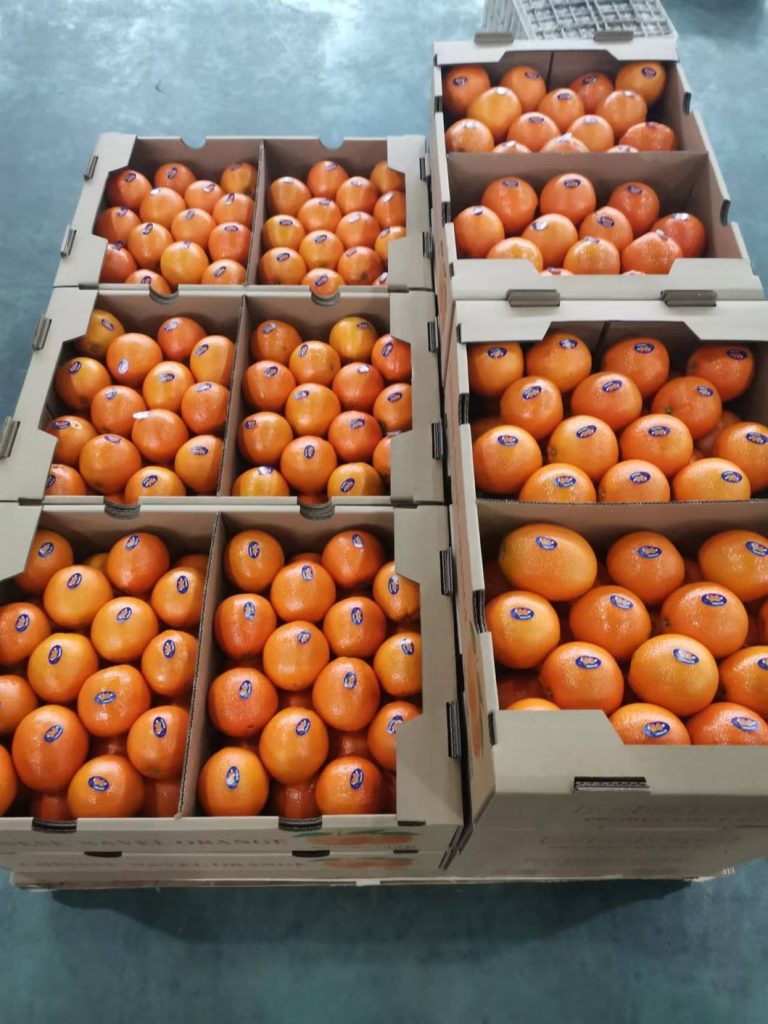
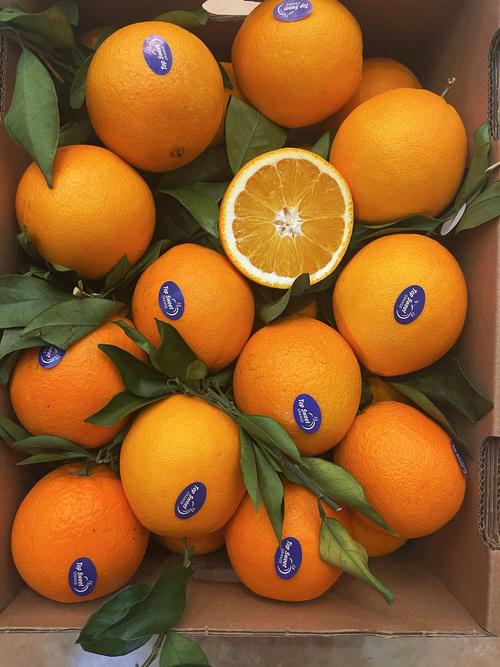
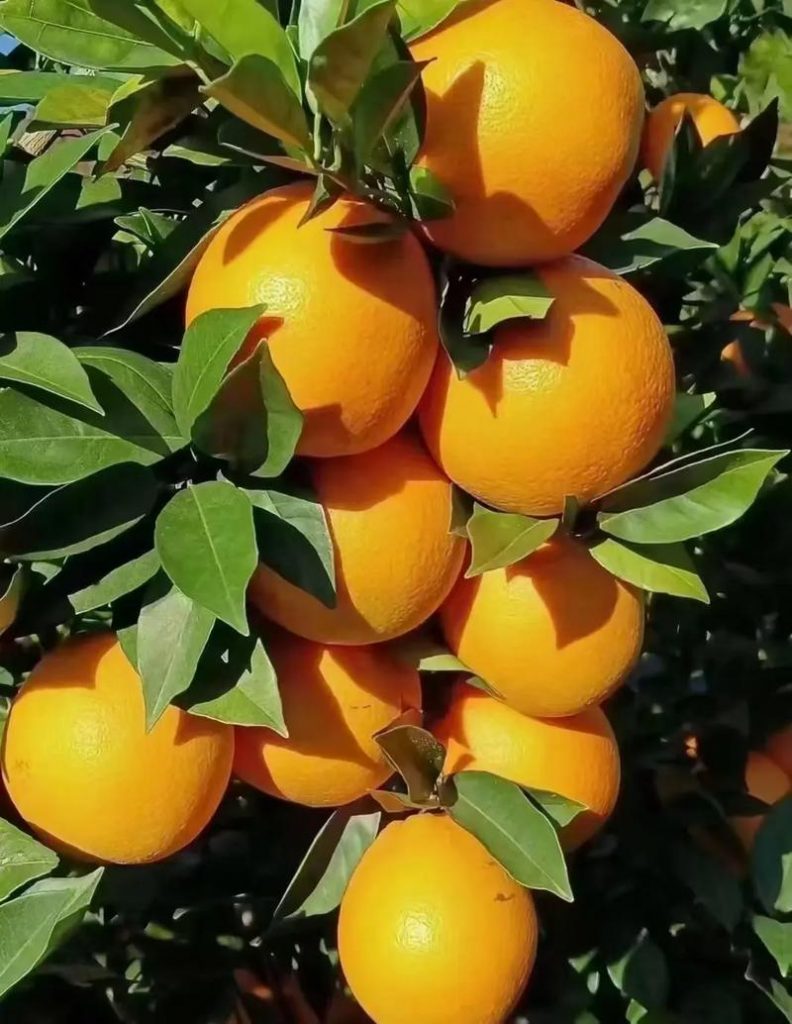
Gannan Navel Orange Orchard China
For navel orange growers, 2024 is a year of reckoning. Global supply gluts, rising input costs, and stubbornly low wholesale prices have left many wondering: “Is there still money to be made in navel oranges?” The answer? Absolutely—if you adapt with precision, innovation, and strategic thinking.
This guide, optimized for high-search keywords like “how to make more money growing navel oranges,” “navel orange farming in a saturated market,” and “exporting navel oranges for profit,” distills actionable tactics from agronomists, successful growers, and market analysts. Whether you’re a small family farm or a mid-sized operation, these steps will help you turn low prices into lasting profitability.
The Real Challenge: Why Navel Orange Margins Are Thin (and What’s Changing)
Let’s confront the numbers head-on. According to Citrus Research International (CRI) 2024, global navel orange production rose to 13.5 million tons—an 8% increase from 2022—while demand grew a meager 3%. This imbalance has crushed wholesale prices:
| Region | 2021 Avg. Wholesale Price | 2024 Avg. Wholesale Price | Drop |
|---|---|---|---|
| U.S. (California) | $1.60/lb | $1.20/lb | -25% |
| EU (Spain) | €1.80/lb | €1.30/lb | -28% |
| China (Hubei) | ¥4.20/kg | ¥3.00/kg | -29% |
But here’s the good news: consumer demand for “quality” and “story-driven” produce is surging. A 2024 Nielsen survey found 74% of shoppers now pay extra for fruits with traceable origins or sustainability credentials. This shift is your golden ticket—if you know how to leverage it.
7 Proven Tactics to Boost Navel Orange Profits
1. Target High-Value Markets: Export & Specialty Retail
Forget competing in overcrowded local markets. Tap into underserved, high-paying channels:
-
Export Opportunities: Countries like Japan, South Korea, and the UAE import 20-30% more navel oranges yearly. For example, Japanese buyers pay 2.50–3.00/lb for premium, easy-peel varieties. Partner with exporters (many offer free market access support) to access these margins.
-
Specialty Grocers: Stores like Whole Foods or Eataly prioritize organic, non-GMO, or locally sourced fruit. Getting certified (e.g., USDA Organic) can add 0.80–1.20/lb to your price.
2. Invest in Yield Quality—Not Just Quantity
Overproducing low-grade fruit floods the market. Instead:
-
Thinning Techniques: Remove 10-15% of underdeveloped fruit early in the season. This boosts the size and sweetness of remaining oranges, fetching 15-20% higher prices.
-
Post-Harvest Care: Use controlled-atmosphere (CA) storage to extend shelf life by 2-3 months. This lets you sell surplus during peak demand (e.g., holiday gift baskets) at premium rates.
3. Monetize Sustainability: Certifications = Cash
Consumers and retailers reward eco-friendly practices:
-
Regenerative Organic Certified (ROC): Farms with ROC status charge 20-30% more. A California grower reported selling ROC navel oranges for 2.10/lb vs. 1.40/lb for conventional.
-
Carbon Credits: Plant cover crops or use solar-powered irrigation to sequester carbon. Platforms like Indigo Ag pay 15–20/ton of CO₂ sequestered—adding 300–500/acre annually.
4. Leverage Digital Marketing: Sell Directly to Enthusiasts
Social media isn’t just for influencers—it’s your direct sales channel:
-
Instagram/FarmTok: Share behind-the-scenes content (e.g., hand-picking, juicing demos). A Texas farm grew its DTC sales by 40% in 6 months using Reels to showcase “farm life.”
-
Email Subscriptions: Offer “Orange of the Month” boxes with recipes, farm stories, and free shipping. Pre-sales lock in revenue and reduce waste.
5. Partner with Food Processors for Surplus
Don’t let extra fruit rot. Convert it into value-added products:
-
Juice Concentrate: Sell to brands like Minute Maid. Concentrate sells for 1.80–2.20/lb vs. $1.20/lb for fresh fruit.
-
Zest & Pulp: Supply bakeries or spice companies. Dried zest fetches 4–5/lb—10x the price of fresh segments.
6. Hedge Prices with Forward Contracts
Lock in profits before harvest volatility:
-
Futures Markets: Use the Intercontinental Exchange (ICE) to sell a portion of your crop at a fixed price. A Florida grower hedged 50% of his 2023 crop, protecting $45,000 in revenue amid a 10% price drop.
7. Join a Regional Grower Network
Collaboration cuts costs and boosts bargaining power:
-
Shared Processing Facilities: Pool funds for a community juice plant or drying facility. A Georgia co-op saved $2.50/lb on processing by sharing equipment.
-
Unified Marketing: Launch a “Southern Golden Navel” regional brand. Group ads on Walmart Marketplace reduced per-farm marketing costs by 60%.
Success Story: A Peruvian Farm’s 60% Profit Surge
In 2022, Finca Solana, a 50-acre navel orange farm in Peru, faced a 15% price drop. Here’s how they turned it around:
-
Export Focus: Partnered with a Dutch exporter to sell 20% of their crop to Germany at $2.40/lb.
-
ROC Certification: Spent 8,000 on certification but now charges 2.10/lb vs. $1.50/lb conventional.
-
Social Media Sales: Launched an Instagram shop, selling 15% of their fruit directly to U.S. buyers at 40% margins.
Result: Net profit jumped from 120,000 to 192,000—a 60% increase despite lower market prices.
Your 2024 Roadmap to Higher Profits
-
Prioritize Quality: Thin fruit, invest in CA storage, and aim for certifications (ROC, organic).
-
Test a New Channel: Launch an Instagram shop or apply for an export partner program.
-
Lock in Prices: Use futures contracts to hedge 30-50% of your crop.
High-Search Keywords Covered: how to make more money growing navel oranges, navel orange farming in a saturated market, exporting navel oranges for profit, sustainable navel orange practices, navel orange value-added products, grower networks for citrus farmers.
The navel orange market isn’t dead—it’s evolving. By focusing on quality, sustainability, and smart marketing, you’ll not only survive low prices but thrive. Remember: The most profitable farms aren’t just growers—they’re storytellers, innovators, and collaborators.
Start small this season. Test one strategy, track your results, and watch your farm transform. 🍊
Ready to dive deeper? Download our free “Navel Orange Profit Checklist” [link] to prioritize your next moves.


No reply content