
China solar power generation and energy storage manufacturing
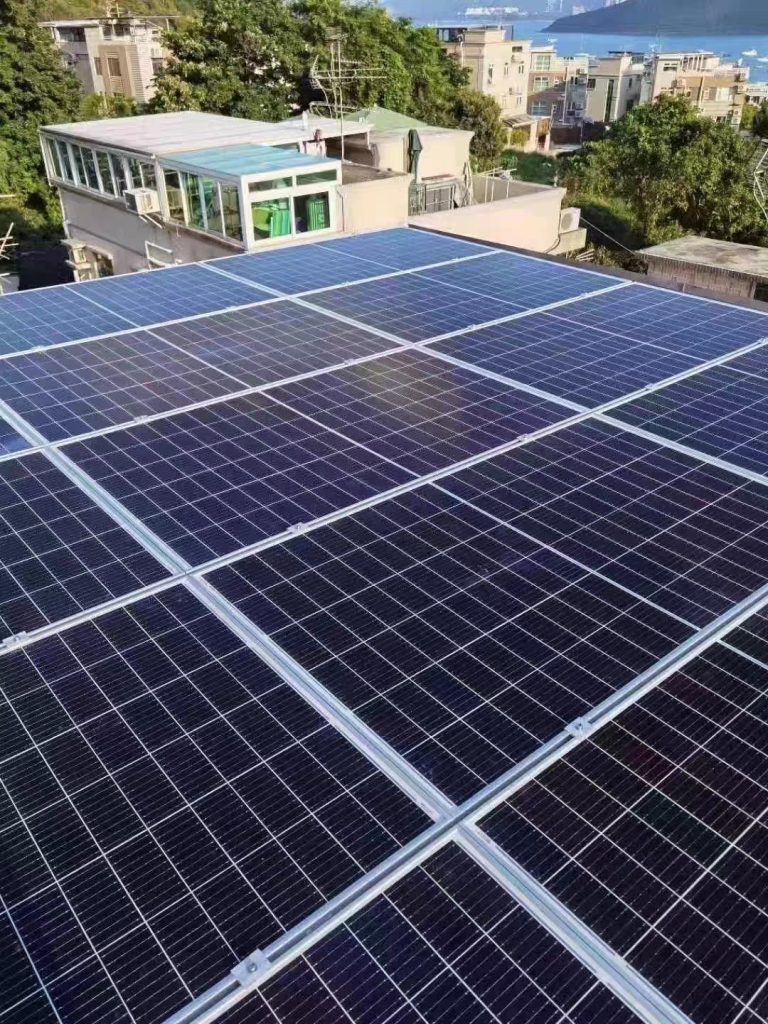
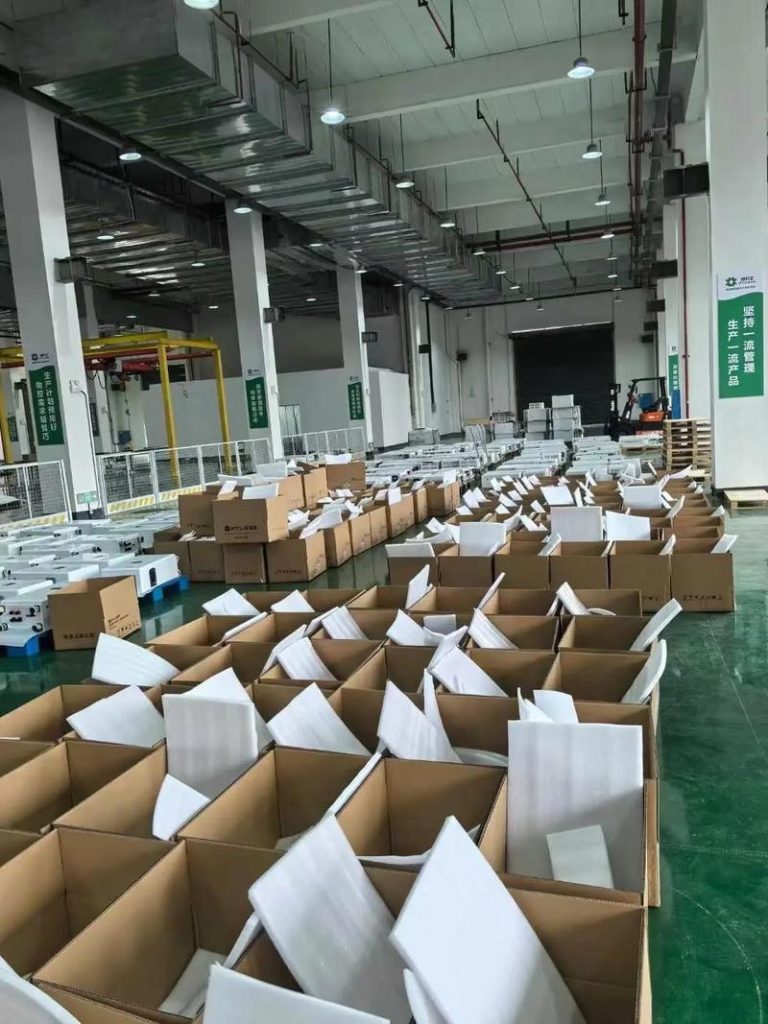
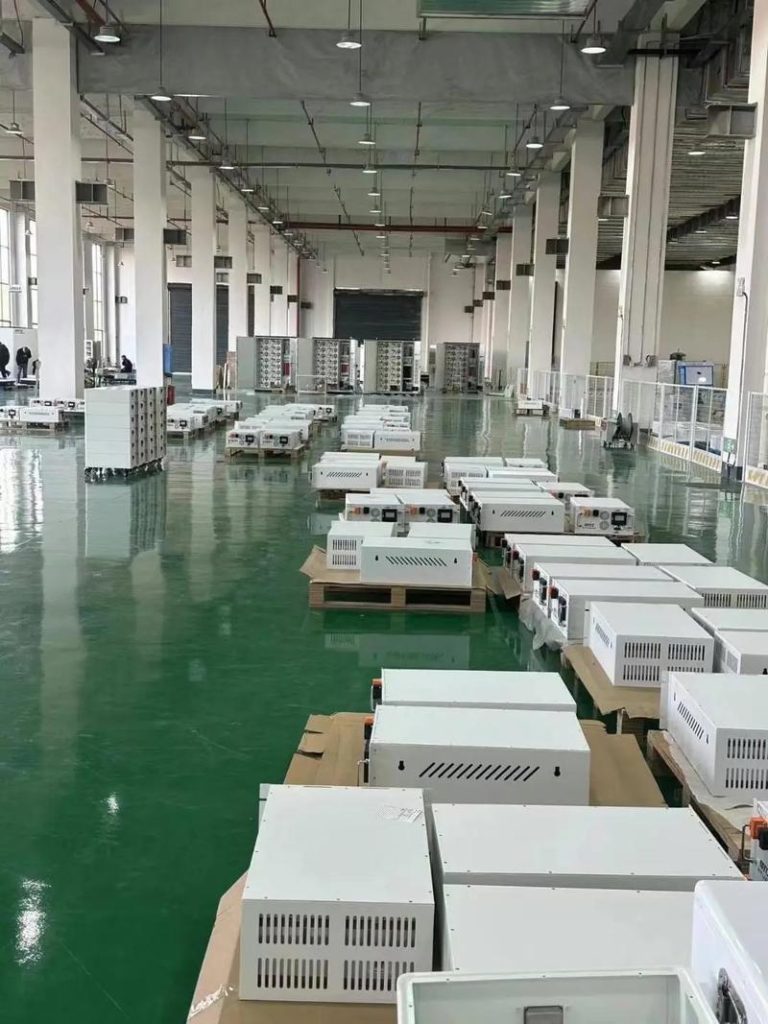
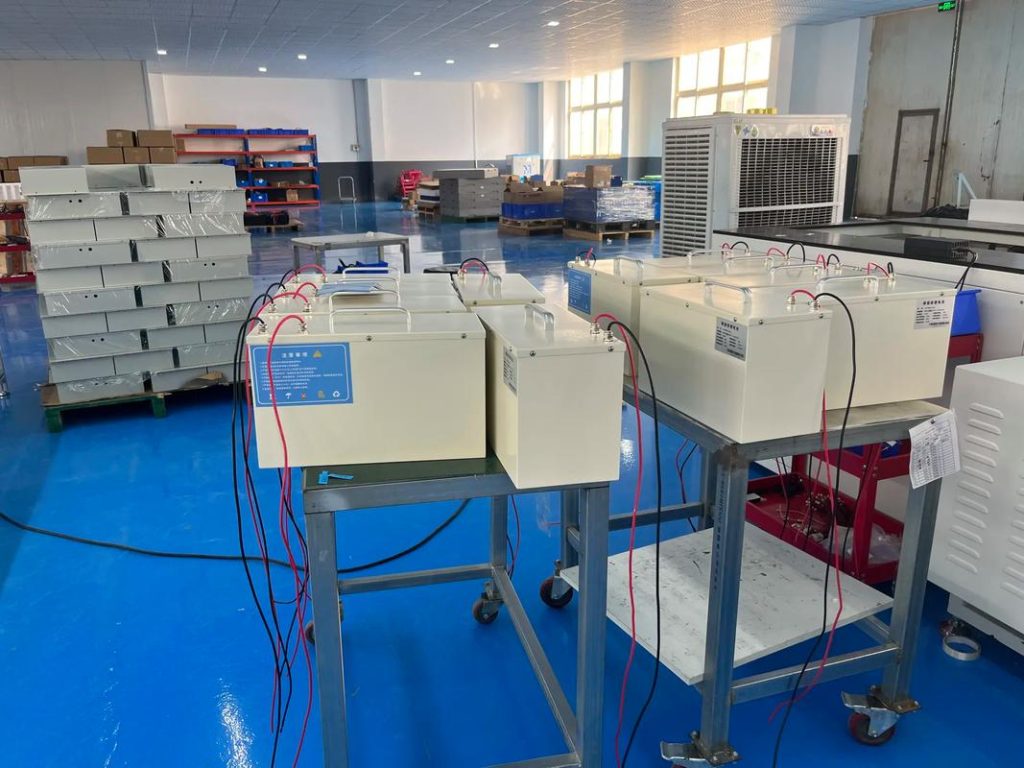
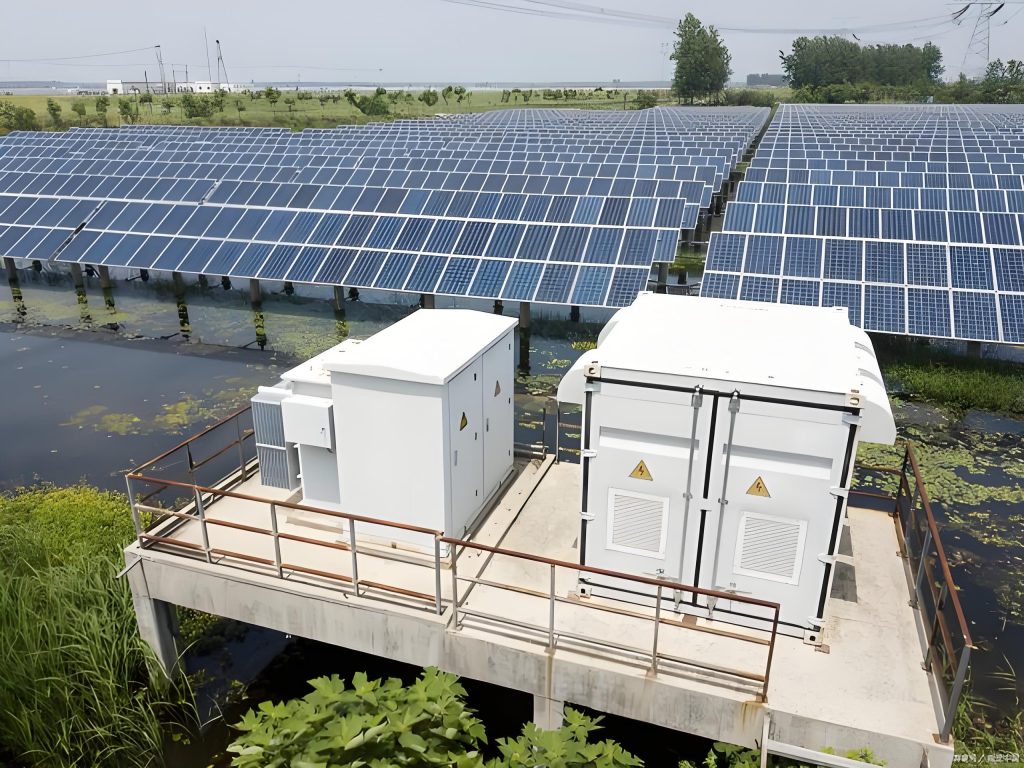
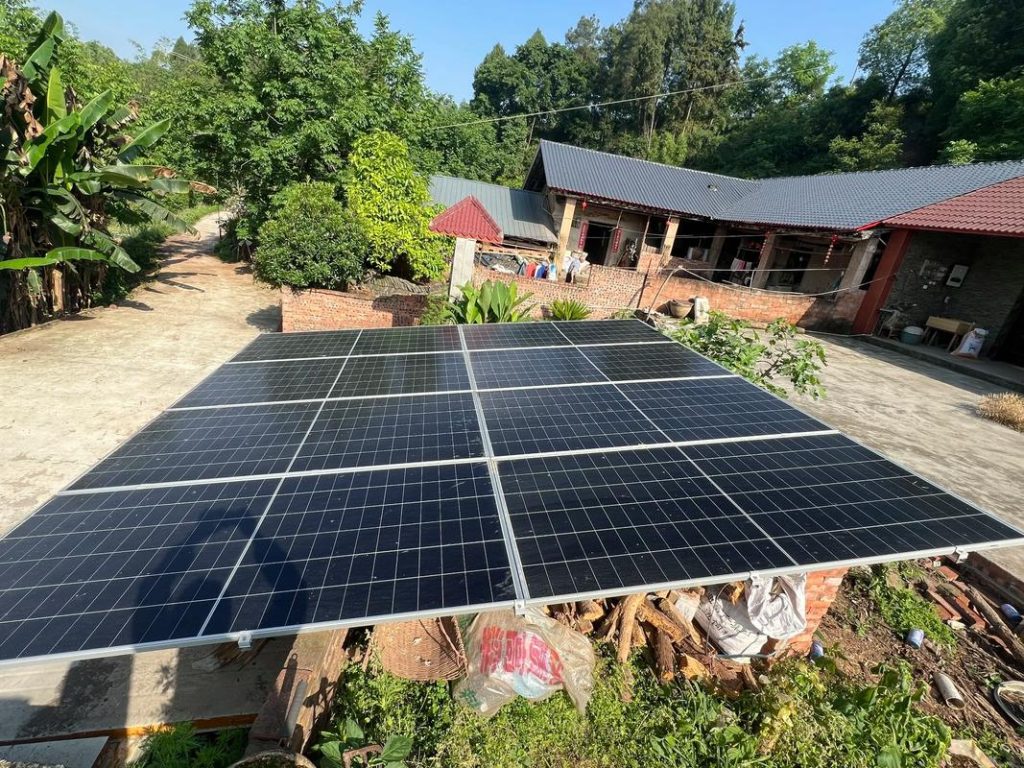
The global shift toward renewable energy has positioned China as a dominant force in solar panel manufacturing, with its products powering homes, businesses, and utility-scale projects worldwide. However, with hundreds of manufacturers operaNavigating Excellence: How to Identify Top-Quality Chinese Solar Panels for Your Energy Needsting in the country, selecting the right solar panels can feel overwhelming. This comprehensive guide explores the key factors defining quality in Chinese solar panels, helping you make informed decisions without relying on brand names alone. From technological innovation to durability standards, we break down what truly matters when evaluating solar panels manufactured in China.
Why Chinese Solar Panels Dominate the Global Market
China accounts for over 80% of global solar panel production, driven by decades of investment in manufacturing infrastructure, supply chain optimization, and R&D. This dominance stems from several advantages:
-
Scale Economies: Massive production volumes reduce per-unit costs, making solar energy more accessible globally.
-
Vertical Integration: Many manufacturers control the entire supply chain—from polysilicon refining to module assembly—ensuring quality control and cost efficiency.
-
Government Support: Policies like the Made in China 2025 initiative have prioritized advanced manufacturing, including solar technology.
While brand reputation varies, understanding the technical and operational benchmarks of high-quality Chinese solar panels is critical for buyers seeking reliability and performance.
Key Criteria for Evaluating Solar Panel Quality
When assessing solar panels—regardless of origin—focus on five core metrics. These criteria apply universally to Chinese manufacturers and help distinguish premium products from lower-tier alternatives.
1. Conversion Efficiency: Maximizing Energy Output
Conversion efficiency refers to the percentage of sunlight a panel converts into usable electricity. Higher efficiency means less space required for the same power output, making it ideal for residential roofs or areas with limited land.
Industry Benchmarks:
-
Monocrystalline Silicon Panels: Leading Chinese manufacturers achieve efficiencies of 21–23%, with some experimental models exceeding 25%.
-
Polycrystalline Silicon Panels: Typically range from 17–19%, offering a cost-effective option for large-scale projects.
-
Thin-Film Panels: Less common but valued for flexibility and performance in high-temperature environments (efficiencies: 10–13%).
What to Look For: Check manufacturer datasheets for STC (Standard Test Conditions) efficiency ratings. Premium panels often highlight NOCT (Nominal Operating Cell Temperature) efficiency, which reflects real-world performance better.
2. Durability and Longevity: Built to Withstand Decades of Use
Solar panels must endure harsh weather—extreme temperatures, humidity, hail, and UV exposure—for 25+ years. Quality Chinese manufacturers invest heavily in materials and testing to ensure longevity.
Critical Durability Features:
-
Frame Material: Anodized aluminum frames resist corrosion and mechanical stress. Avoid panels with thin or untreated steel frames.
-
Glass Quality: Tempered, anti-reflective glass protects cells while maximizing light absorption. Some manufacturers use double-glass designs for added durability.
-
Encapsulation: High-quality EVA (ethylene-vinyl acetate) or POE (polyolefin elastomer) layers prevent moisture ingress and cell degradation.
-
Certifications: Look for IEC 61215 (durability) and IEC 61730 (safety) certifications, which validate performance under extreme conditions.
Warranty Terms: Reputable manufacturers offer product warranties of 12–15 years and performance guarantees of 25–30 years (with annual degradation rates ≤0.55%). Be wary of brands offering shorter warranties or vague terms.
3. Manufacturing Standards: Precision and Consistency
Consistency in production directly impacts panel performance. Top Chinese manufacturers adhere to strict quality control protocols, including:
-
Automated Production Lines: Robotic assembly reduces human error and ensures uniformity in cell placement and soldering.
-
EL (Electroluminescence) Testing: Every panel undergoes EL imaging to detect micro-cracks or defects invisible to the naked eye.
-
PID (Potential Induced Degradation) Resistance: Advanced encapsulation prevents voltage-induced efficiency loss, critical for humid climates.
Supply Chain Transparency: Ask about polysilicon sourcing and cell manufacturing. Panels using high-purity monocrystalline silicon (≥99.999%) generally outperform those with lower-grade materials.
4. Technological Innovation: Staying Ahead of the Curve
Leading Chinese solar panel manufacturers prioritize R&D to improve performance and reduce costs. Key innovations to watch for include:
-
PERC (Passivated Emitter and Rear Cell) Technology: Enhances light absorption by adding a passivation layer to the rear of cells, boosting efficiency by 1–2%.
-
Half-Cut Cells: Splitting cells in half reduces resistive losses, improving shade tolerance and power output.
-
Bifacial Panels: Capture sunlight on both sides, increasing total energy yield by 10–30% in reflective environments (e.g., snowy or sandy areas).
-
Smart Modules: Integrated power optimizers or microinverters allow individual panel monitoring, simplifying maintenance.
Manufacturers that invest in these technologies often publish white papers or case studies demonstrating their benefits.
5. Environmental and Social Responsibility
Sustainability is increasingly important to buyers. High-quality Chinese solar panel manufacturers often:
-
Recycle Waste Materials: Recover silicon, silver, and glass from production scrap.
-
Use Low-Carbon Processes: Some factories run on renewable energy and employ water-saving techniques.
-
Adhere to Labor Standards: Certifications like ISO 14001 (environmental management) and SA8000 (social accountability) signal ethical practices.
Red Flags to Avoid When Sourcing Solar Panels
Not all Chinese solar panels meet global standards. Watch for these warning signs:
-
Unrealistically Low Prices: Panels priced significantly below market averages may use inferior materials or cut corners in testing.
-
Lack of Certifications: Absence of IEC, CE, or UL marks suggests the product hasn’t been independently verified.
-
Vague Datasheets: Reliable manufacturers provide detailed specifications, including temperature coefficients, fire ratings, and mechanical load limits.
-
No Local Support: Choose manufacturers with international distribution networks or local service partners to handle installation and warranty claims.
How to Select the Right Solar Panels for Your Project
-
Assess Your Energy Needs: Calculate your average daily kWh usage to determine the required panel wattage.
-
Evaluate Site Conditions: Consider shading, roof orientation, and climate. Bifacial or high-temperature panels may be better for specific locations.
-
Compare Quotes: Request multiple quotes that include panel efficiency, warranty terms, and installation costs.
-
Check Reviews and Case Studies: Look for independent reviews or testimonials from other users in similar climates.
-
Prioritize Long-Term Value: A slightly higher upfront cost for a premium panel can pay off in 25+ years of reliable energy production.
The Future of Chinese Solar Panel Manufacturing
As global demand for solar energy grows, Chinese manufacturers are focusing on:
-
N-Type Solar Cells: Offer higher efficiency and better low-light performance than traditional P-type cells.
-
Perovskite Tandem Cells: Experimental technology that could push efficiencies beyond 30% in the coming decade.
-
Recycling Infrastructure: Developing closed-loop systems to recover materials from end-of-life panels.
These trends suggest that the quality gap between top-tier and average Chinese solar panels will continue to widen, making due diligence more important than ever.
Conclusion
Selecting the best Chinese solar panels requires looking beyond marketing claims and focusing on measurable performance indicators. Prioritize efficiency, durability, certifications, and technological innovation to ensure a long-lasting, high-yield investment. By partnering with reputable manufacturers that adhere to global standards, you can harness China’s solar manufacturing prowess while avoiding common pitfalls. Whether for residential, commercial, or utility-scale projects, the right solar panels will deliver clean energy reliably for decades to come.
For further guidance, consult with certified solar installers or energy consultants who can assess your specific needs and recommend panels that align with your budget and goals. Remember: the “best” solar panel is the one that balances performance, cost, and longevity for your unique application.


No reply content