
Introduction: The Resilience of the “Silk-Med” Route
In the global supply chain landscape of 2026, the trade corridor between China and Israel remains a vital artery of innovation and consumption. Israel’s demand for Chinese-made electric vehicles (EVs), sophisticated electronics, and raw construction materials has reached an all-time high, even as the logistical methods of reaching the Mediterranean have undergone a radical transformation.
As a freight forwarder operating in this space, I see that shipping from China to Israel in 2026 is no longer a “set-and-forget” operation. It is a high-stakes chess match involving Red Sea security variables, SII (Standards Institution of Israel) compliance, and the “Smart Port” evolutions in Haifa and Ashdod. This guide serves as a strategic roadmap for businesses looking to master this essential trade lane.
1. The 2026 Shipping Reality: Cape of Good Hope vs. Suez
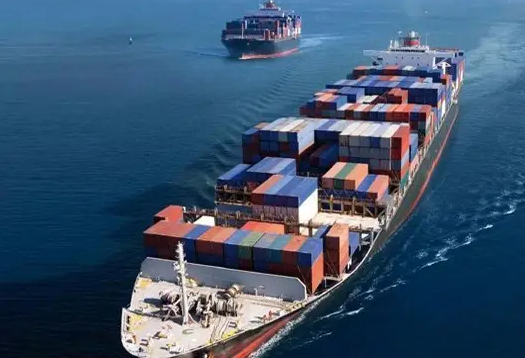
The most significant change in 2026 remains the routing of ocean freight. While early 2026 saw a cautious reintroduction of some vessels to the Suez Canal, the majority of “Mega-Vessel” carriers (Maersk, MSC, HMM) still favor the Cape of Good Hope routing for predictability.
The Transit Time Paradox
- Via Cape of Good Hope: Transit times from Shanghai/Ningbo to Haifa now average 45–60 days. The extended journey adds roughly 12–17 days compared to pre-2024 schedules.
- Via Suez Canal: For carriers willing to transit the Red Sea, transit remains around 30–35 days, but with significantly higher insurance premiums and “War Risk” surcharges.
- Forwarder’s Strategy: In 2026, we advise clients to “Buffer” their inventory. If you are shipping seasonal goods for the Passover or High Holiday seasons, you must book at least 8 weeks in advance to account for the longer southern route.
2. Navigating Israeli Customs: The 2026 Updates
Israel’s customs environment is highly digitized but remains one of the world’s strictest regarding product standards.
The $150 De Minimis Shift
A major update effective early 2026 is the stabilization of the B2C import threshold.
- New Threshold: The VAT and customs duty exemption for personal imports has officially been solidified at $150 USD (increased from the long-standing $75).
- Impact: This has fueled a surge in “Small Parcel” consolidation from platforms like AliExpress and Temu. As forwarders, we use “Micro-fulfillment” strategies to bundle these parcels, ensuring they clear Ben Gurion (TLV) airport in bulk while maintaining individual tax compliance.
The SII (Standards Institution of Israel) Hurdle
Perhaps the biggest cause of “Stuck Cargo” is the SII Safety Mark.
- Electronics & Toys: In 2026, Israel has updated its EMC (Electromagnetic Compatibility) requirements. Foreign CE or FCC marks are often not enough; a local test report or an SII-approved CB (Certification Body) report is mandatory.
- Labeling: Every item must have a Hebrew label listing the importer’s name, address, and model number. Failure to do this in the China factory results in “Relabeling Fines” at the port of Ashdod, which can cost hundreds of dollars per pallet.
3. Choosing Your Mode: The 2026 Performance Matrix
The China-Israel route offers three distinct “speeds” of delivery.
A. Ocean Freight: The Economic Backbone
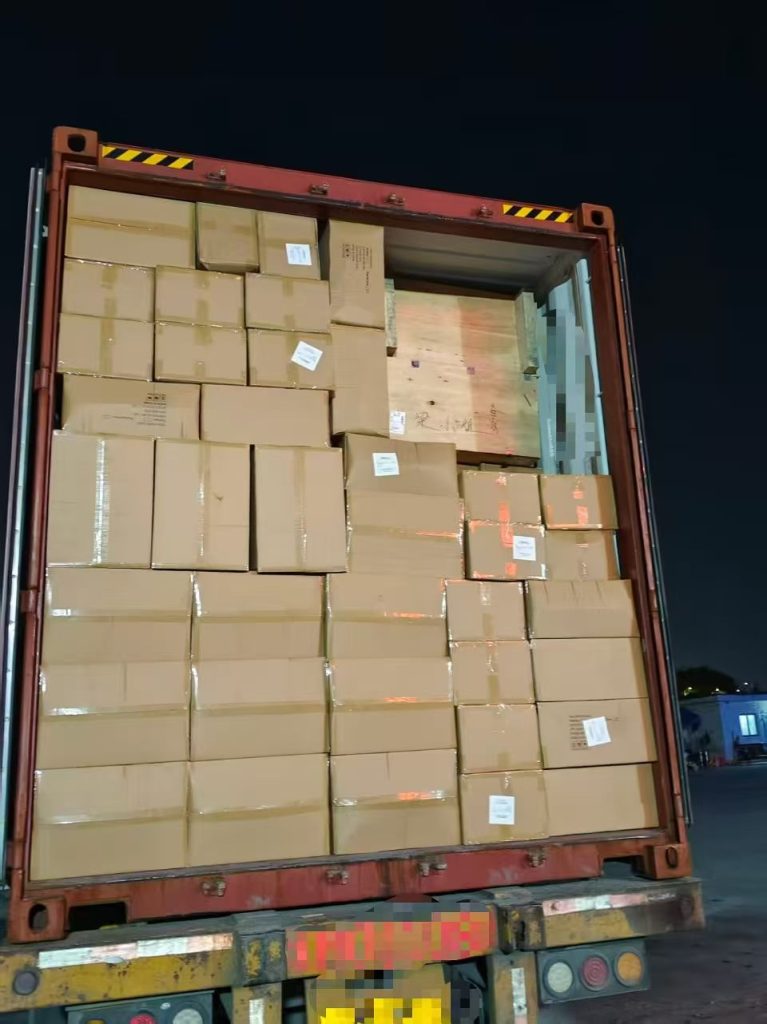
Despite the longer transit via Africa, sea freight remains the only viable option for heavy industrial cargo and EVs.
- 2026 Rates (Feb Estimates): FCL (Full Container Load) rates for a 20GP from Shenzhen to Ashdod are currently hovering around $1,750–$2,150, depending on the carrier’s Suez-risk appetite.
- The LCL Advantage: For SMEs, our LCL (Less than Container Load) consolidation in Ningbo offers a cost-effective entry point, with rates around $65–$80 per CBM.
B. Air Freight: The Tech-Sector Lifeline
For the high-tech corridor between Shenzhen and Tel Aviv, air freight is non-negotiable.
- Transit: 3–7 days door-to-door.
- Cost: Rates to TLV (Ben Gurion) for shipments over 1,000kg have settled at approximately $6.80–$7.50 per kg.
- Strategic Use: We recommend air freight for high-value components, fashion samples, and urgent medical supplies where the “Opportunity Cost” of a 60-day sea voyage is too high.
C. The “DDP” (Delivered Duty Paid) Solution
In 2026, the most popular product we offer is “Air-DDP” or “Sea-DDP.” * How it works: We handle everything—China pickup, international freight, Israeli customs clearance, and the payment of all taxes/GST.
- Why it’s winning: It removes the “Customs Headache” from the Israeli importer, allowing them to receive goods as easily as a local delivery.
4. Port Logistics: Haifa vs. Ashdod vs. Eilat
In 2026, Israel’s port infrastructure has reached a new level of efficiency.
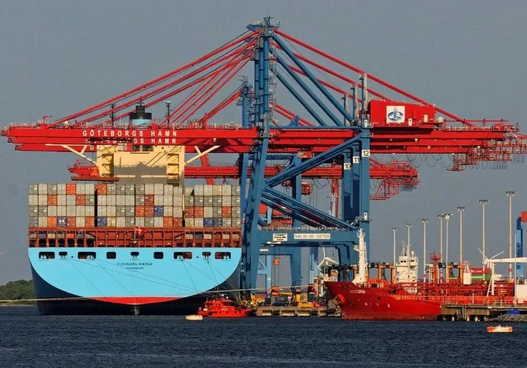
- The Bay Port (Haifa): Operated by SIPG (Shanghai International Port Group), this is the most “China-friendly” terminal. It features automated cranes that can offload a 20,000 TEU vessel in record time.
- Ashdod Port: Still the primary gateway for the South and Jerusalem. It remains the preferred hub for construction materials and bulk commodities.
- The Port of Eilat: While smaller, it has become a strategic “Alternative” for RORO (Roll-on/Roll-off) vessels carrying Chinese EVs, bypassing the need to enter the Mediterranean if Red Sea tensions permit.
5. Seasonal Planning: The “Triple Peak” Strategy
Shippers on this route must navigate three major peak seasons that can skyrocket rates:
- Chinese New Year (Feb 17, 2026): China shuts down. Factories close for 2–3 weeks. Action: Ship by mid-January to avoid the “Blank Sailing” season.
- Passover (April 2026): Israeli demand for consumer goods peaks. Local trucking capacity in Israel becomes tight.
- The Q4 Rush: Combining China’s “Golden Week” with the global holiday rush.
6. Digitalization: The “Invisible” Supply Chain
In 2026, a freight forwarder’s value is as much about data as it is about delivery.
- e-Bills of Lading (eBL): We have transitioned to 90% paperless documentation. This prevents the “Courier Delay” where the ship arrives in Haifa, but the paperwork is still in a courier pouch in Hong Kong.
- AI-Driven Tracking: Our clients now receive “Predictive Delay” alerts. If a storm is brewing off the coast of South Africa, our system automatically recalculates the ETA for the Ashdod arrival.
7. How to Choose Your Forwarder for Israel
If you are vetting a partner for this route in 2026, look for these “Green Flags”:
- Dual-Market Presence: Do they have a dedicated Hebrew-speaking desk? Understanding the “Israeli Business Mindset” is as important as understanding the “Chinese Factory Mindset.”
- SII Pre-Check: Will they look at your product photos and specs before you ship? A forwarder who doesn’t understand SII standards is just a booking agent.
- Flexible Routing: Can they switch you from Suez to Cape, or Sea to Air, at a moment’s notice?
Conclusion: Bridging the Dragon and the Lion
The China-Israel trade lane is a testament to economic resilience. Whether it is a container of solar panels for the Negev or a pallet of microchips for a Tel Aviv startup, the flow of goods requires more than just a boat—it requires a strategy.
As your freight forwarder, my mission is to provide you with that strategy. We manage the complexity of the Cape routing, the strictness of the Israeli standards, and the volatility of the global markets so that you can focus on your core mission: growing your business in one of the world’s most innovative economies.
Quick Reference: 2026 Shipping Guide (China to Israel)
|
Mode |
Transit Time |
Cost Level |
Best Suited For |
|---|---|---|---|
|
Sea (FCL – Cape) |
45–60 Days |
$ |
Construction, EVs, Bulk Retail |
|
Sea (LCL) |
50–65 Days |
$ |
SMEs, Furniture, Non-urgent Stock |
|
Sea (Suez – if available) |
30–35 Days |
$$ |
Mid-range Retail, Automotive Parts |
|
Air Freight |
3–7 Days |
$$$$ |
High-tech, Pharma, Urgent Samples |
|
DDP (Door-to-Door) |
Varies |
All-in |
E-commerce, New Importers |


No reply content