Guangzhou Home Appliance Co. Ltd.
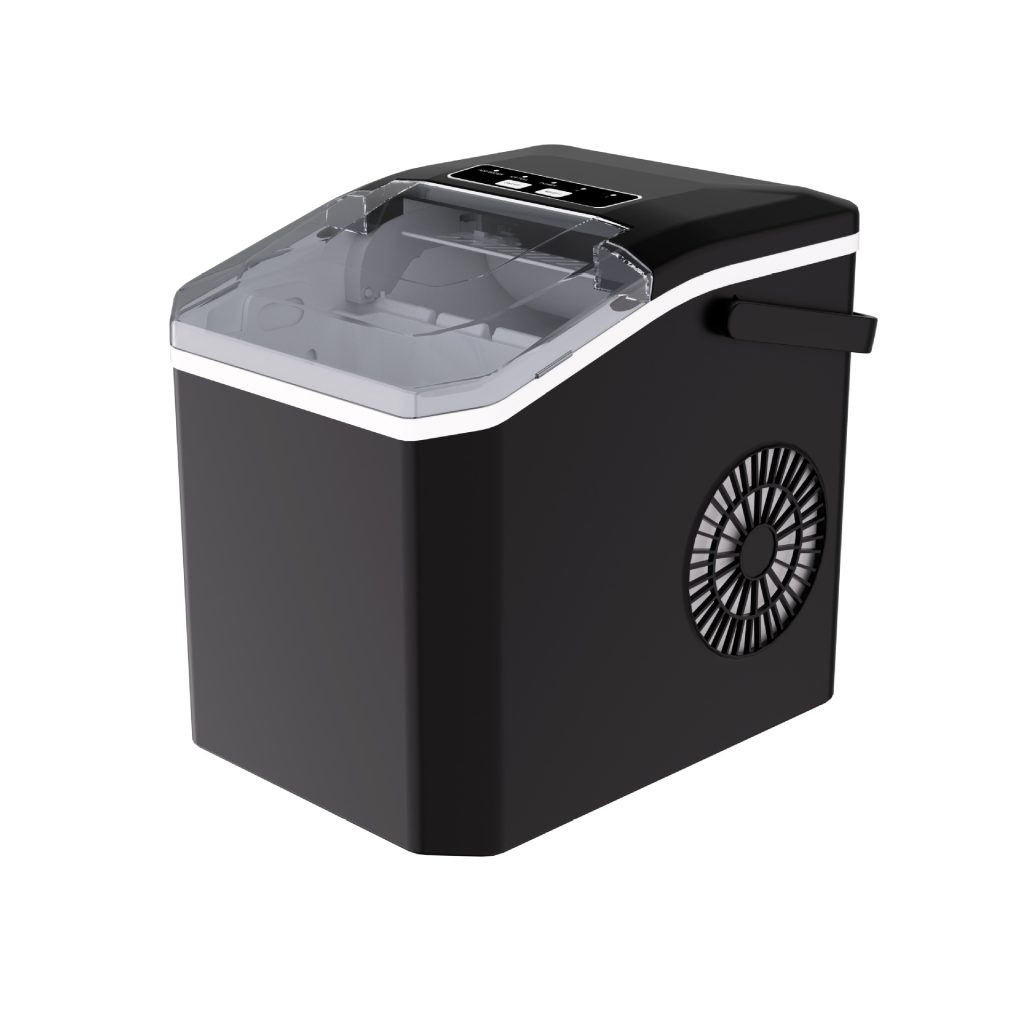
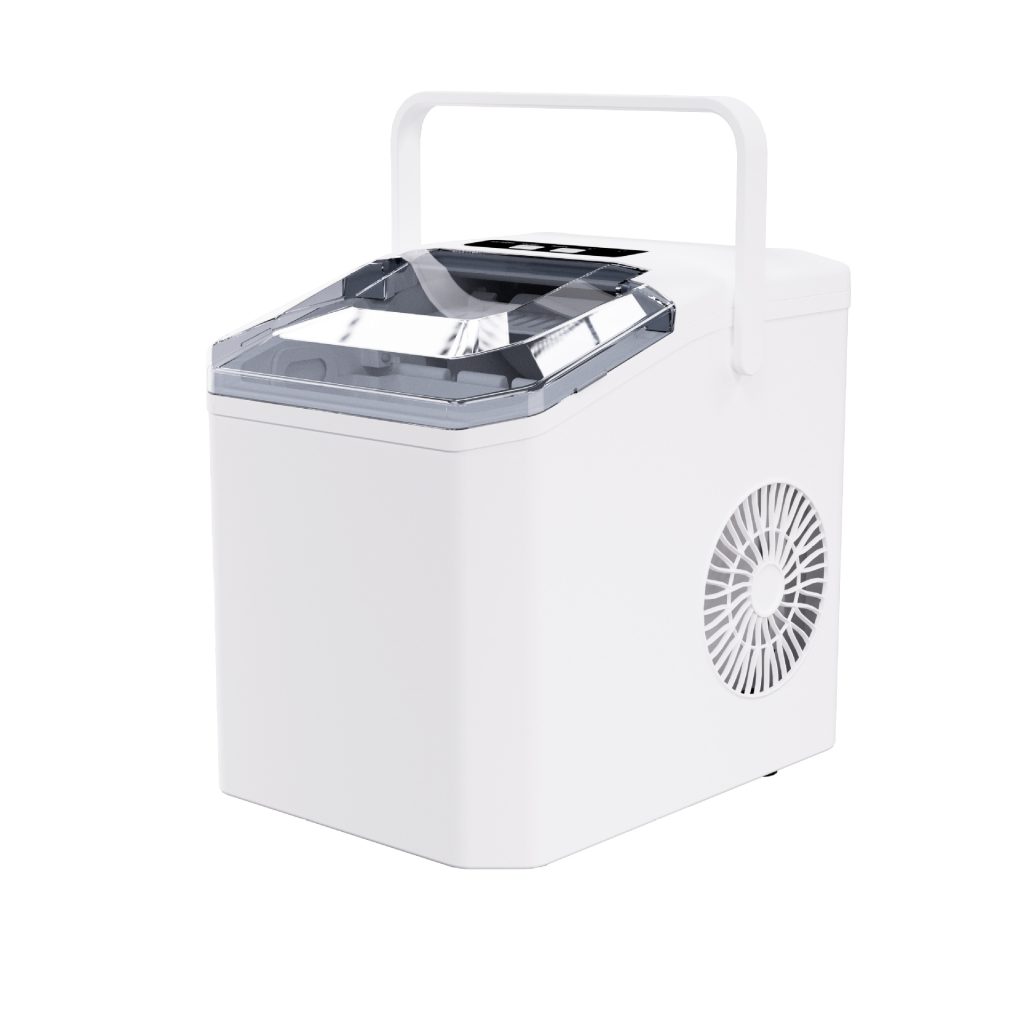
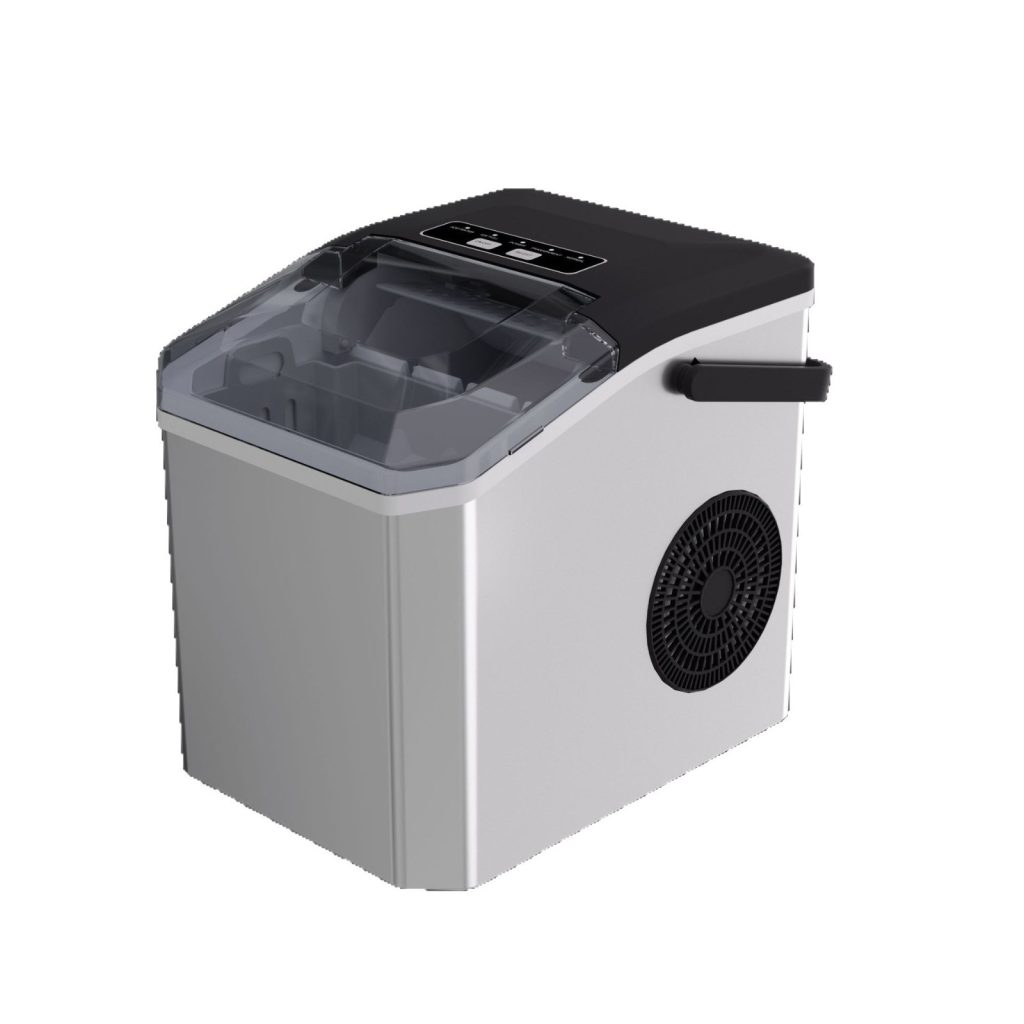
The global demand for home ice makers has surged, and China remains the manufacturing epicenter for these appliances. However, sourcing from China involves more than just finding the lowest price. It requires an understanding of manufacturing capabilities, quality control nuances, and logistical strategies.
Here is a comprehensive, original FAQ guide designed to help distributors and retailers make informed decisions when partnering with Chinese suppliers.
1. Why should I source home ice makers from China rather than other regions?
China offers a mature ecosystem that is hard to replicate elsewhere. The advantages go beyond cost:
-
Component Supply Chain: Most factories are located in Guangdong (like Foshan and Zhongshan), where you can find motor suppliers, compressor manufacturers, and plastic molding shops within a 50km radius. This reduces lead times significantly.
-
Technical Agility: Chinese engineers are adept at rapid prototyping. If you want to change a control panel design or modify the ice thickness logic, they can implement it quickly.
-
Scalability: Whether you need 500 units for a boutique hotel chain or 50,000 units for a national retailer, Chinese factories have the capacity to scale production without sacrificing consistency.
2. What are the “hidden” costs I should budget for besides the unit price?
Many buyers focus solely on the FOB (Free on Board) price. To avoid margin erosion, consider these additional factors:
-
Mold Costs: If you require a unique casing shape, you must pay for the injection mold. High-quality steel molds last longer but cost more upfront.
-
Certification Fees: While a factory might have CE or UL certification for standard models, customizing the voltage or plug might require retesting.
-
Tooling & QA: Budget for a third-party inspection (like SGS or Intertek) before shipping. It’s a small cost (usually $300-$500) that prevents catastrophic container-load failures.
3. How do I differentiate between a Trading Company and a real Factory?
This is crucial. Trading companies offer flexibility but higher prices; factories offer better pricing but less flexibility on small orders.
-
Ask for the “Production Line Photo”: Don’t just ask for a catalog. Ask to see a photo of their specific ice maker assembly line.
-
Check the Injection Molding Workshop: A true manufacturer will have its own plastic injection machines. If they outsource all plastic parts, they are likely an assembler, not a full manufacturer.
-
Engineering Team: Ask technical questions about the compressor brand (e.g., “Do you use Embraco, Huayi, or Jiaxipera?”). A trading company salesperson often cannot answer deep technical specs immediately.
4. What is the current trend in home ice maker technology coming out of China?
The market is shifting from basic bullet-ice machines to premium features:
-
Nugget Ice (Chewable Ice): This is the hottest trend. Factories are perfecting the mechanisms to create soft, chewable nuggets (Sonic-style ice).
-
Self-Cleaning Functions: UV sterilization and automatic descaling cycles are becoming standard selling points.
-
Smart Connectivity: Integration with apps (WiFi/Bluetooth) to schedule ice making or diagnose errors is appearing in high-end OEM models.
5. What is the typical Minimum Order Quantity (MOQ) for customization?
-
Standard Models: Usually 300–500 units. You can put your logo on the machine and the box.
-
Custom Color/Molding: If you want a unique color or a new shell design, MOQs jump to 1,000–2,000 units to amortize the painting and mold costs.
-
PCB/Circuit Board Customization: Changing the user interface logic usually requires a high MOQ (3,000+) due to the setup cost of the PCB boards.
6. How do I handle the voltage and plug compatibility for my local market?
Chinese factories produce for the world, but you must be specific:
-
North America: Requires 110V-120V and usually a UL or ETL certification. Note that US compressors are different from European ones.
-
Europe: Requires 220V-240V and CE certification.
-
The “Fuse” Issue: Always specify if your market requires a specific fuse rating in the plug. European markets can be strict about this during customs clearance.
7. What warranty terms are standard with Chinese suppliers?
Typically, suppliers offer a 1-year warranty on the compressor and a 1-year warranty on the main unit.
-
The “Spare Parts” Clause: Instead of shipping broken units back (which is expensive), professional suppliers will offer a 1% free spare parts allowance (extra pumps, water valves, control boards) included in your shipment. This is the industry standard for handling defects.
8. How long does it take from placing an order to port arrival?
-
Sampling: 15–20 days for a customized prototype.
-
Mass Production: 30–45 days after deposit and artwork approval.
-
Shipping: Add 15–35 days depending on whether you use LCL (Less than Container Load) or FCL (Full Container Load) and your destination port.
Need help verifying a supplier?
If you have a shortlist of potential partners, I can help you draft a technical audit questionnaire to send them, ensuring they meet your quality standards before you sign the contract.


No reply content