
China Surfboard Yacht Customization Factory

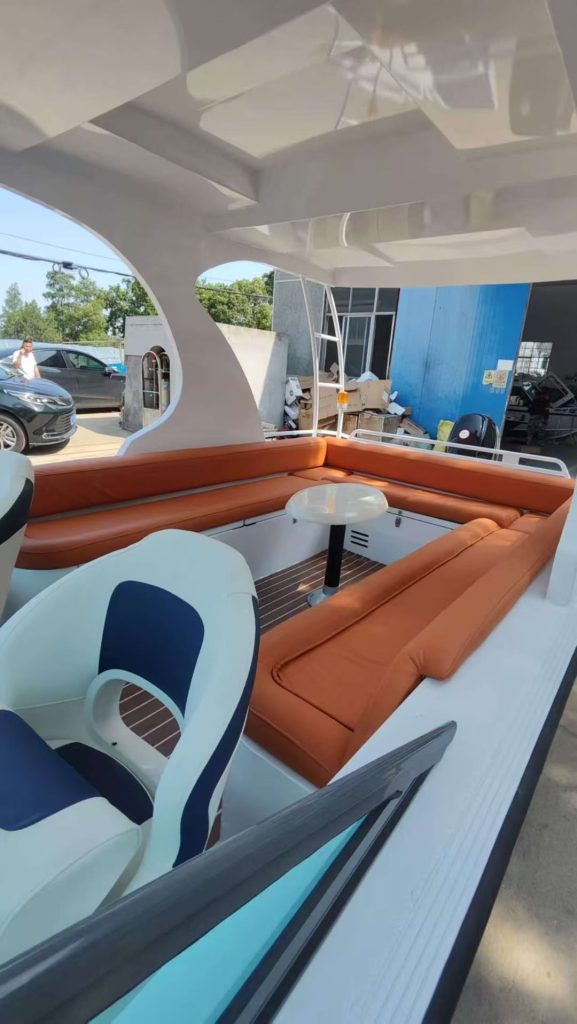
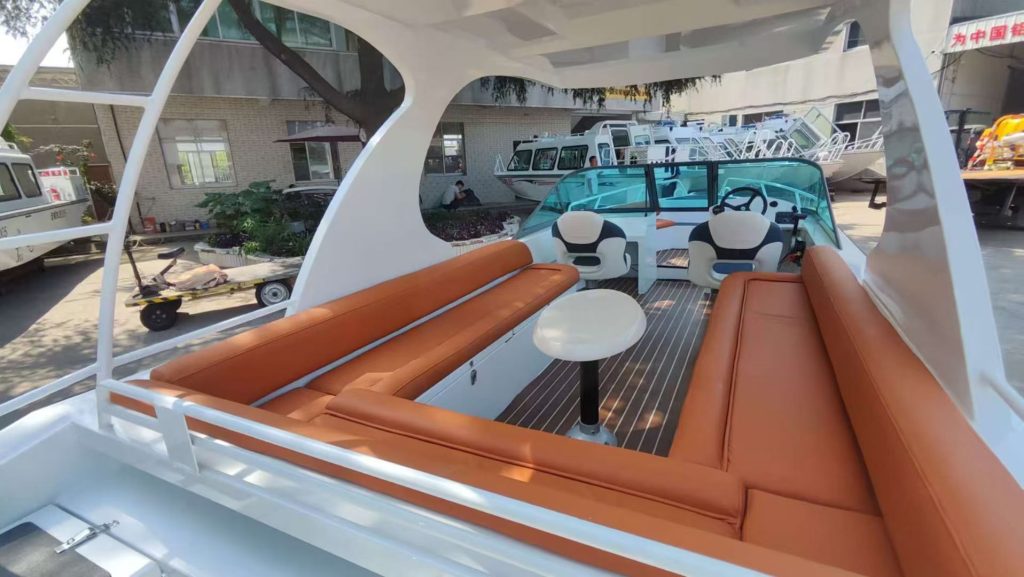
As an exporter, your relationship with a Chinese yacht supplier is fundamentally different from a bulk goods transaction. You aren’t just buying a product; you are managing a multi-million dollar, long-term construction project. The Chinese yacht industry is fragmented, ranging from world-class composite workshops to rudimentary metal fabricators. Understanding the tiers and the operational realities is the only way to protect your margin and your reputation.
1) The Anatomy of the Supply Base
China’s yacht manufacturing is concentrated in two main clusters, each with distinct strengths:
-
The Pearl River Delta (Zhuhai, Shenzhen, Guangzhou): Historically the center of China’s yacht boom. This region excels in production yachts (40ft–90ft) built from Fiberglass (FRP) and advanced composites. The supply chain for interiors, upholstery, and electronics is dense here.
-
The Yangtze River Delta (Shanghai, Ningbo, Jiaxing): More focused on custom yachts, aluminum vessels, and larger displacement trawlers. The engineering talent pool for naval architecture is deeper here.
The Three Tiers of Suppliers
-
Tier 1: Export-Oriented Giants – These yards have dedicated international sales teams, speak fluent “classification society” (DNV, RINA, Lloyd’s), and understand flag state regulations. They are used to dealing with foreign owners and surveys.
-
Tier 2: Domestic Market Leaders – Highly efficient and cost-effective, but their processes are optimized for Chinese buyers. They often struggle with English documentation and the stringent finishing standards required by Western markets.
-
Tier 3: The “Backyard” Builders – Small, family-run operations. While cheap, they lack quality control systems and formal engineering. Avoid these for export unless you have a full-time inspector on site.
2) The Real Cost Drivers (Beyond the Hull)
As an exporter, you must look past the Bill of Materials (BOM) price. The real costs lie in the details:
-
Classification Society Compliance: A “CE Category A” or “RCD” compliant yacht requires specific structural scantlings, fire insulation, and stability calculations. If the yard cuts corners here, the boat will fail inspection in Europe.
-
Fit and Finish: Chinese yards are often excellent at the “big stuff” (hull integrity) but weak on the “small stuff” (gelcoat imperfections, uneven panel gaps, cheap plastic fittings). You must specify the exact brand of every tap, hinge, and latch.
-
Systems Integration: The engine is only 20% of the cost. The installation of exhausts, soundproofing, fuel lines, and electrical harnesses is where quality diverges.
-
Payment Terms: Expect a milestone-based payment schedule tied to physical progress (e.g., 10% upon keel laying, 20% upon hull completion, 20% upon machinery installation, 40% upon delivery, 10% upon final handover). Never pay 100% upfront.
3) The Operational Workflow for Exporters
To successfully source a yacht, follow this structured process:
-
Technical Specification (TechSpec) Freeze: Do not rely on a sales brochure. Create a 50+ page document detailing every material, system, and finish. Specify brands like Volvo Penta, Cummins, Garmin, or Simrad.
-
The Mold Audit: If buying a production model, inspect the mold. Look for star cracks, repairs, or wear. A bad mold produces a bad hull forever.
-
Material Traceability: Demand mill certificates for steel/aluminum and resin data sheets for composites. Cheap materials are the #1 cause of structural failure.
-
On-Site Supervision: For yachts over $500k, hire a resident surveyor or owner’s representative. They should be on-site 3 days a week, reporting directly to you.
-
Sea Trials: Conduct a rigorous sea trial in open water, not just a calm harbor. Test the vessel at 20%, 50%, 80%, and 100% load. Check for vibrations, noise levels, and spray leakage.
4) Red Flags vs. Green Flags
| Red Flags (Run Away) | Green Flags (Proceed with Confidence) |
|---|---|
| Refuses to sign a detailed contract with penalties for delays. | Provides a transparent construction schedule with milestone photos. |
| “We use Chinese engines to save money.” (Unless specifically requested). | Uses internationally recognized marine engines with global warranties. |
| No designated project manager who speaks your language. | Assigns a dedicated PM who provides weekly video updates. |
| Quotes a price significantly lower than the market average. | Explains the cost breakdown clearly (materials, labor, overhead, profit). |
| No history of exporting to your target market (EU/US). | Shows a portfolio of successful deliveries to your specific region. |
FAQ (Exporter Edition)
Q1: What is the typical lead time for a 60ft production yacht from China?
A: From signed contract and deposit to delivery, expect 10 to 14 months. Custom yachts typically take 18 to 24 months. Rushing the process almost always results in structural defects or poor paintwork.
Q2: How do I handle warranty claims once the yacht arrives in my country?
A: Reputable Chinese suppliers offer a 1–2 year structural warranty and pass through the engine/manufacturer warranties. Ensure the contract specifies that the supplier is responsible for flying a technician to your location or reimbursing approved repair costs. Use an escrow account for the final 10% payment until all systems are verified.
Q3: Should I buy a stock boat or a custom build?
A: For first-time exporters, stock boats (modifying an existing mold) are safer and faster. Custom builds introduce massive risks in design changes, weight distribution, and unexpected engineering costs.
Q4: What certifications are mandatory for exporting to the EU?
A: The CE Marking under the Recreational Craft Directive (RCD) is mandatory. You must meet the standards for the specific category (A, B, C, or D) based on where the boat will operate. Additionally, ensure compliance with MED (Marine Equipment Directive) for safety gear.
Q5: How do I protect my intellectual property (design) when working with a Chinese yard?
A: Use a Non-Disclosure Agreement (NDA). However, the practical protection is owning the mold. If you commission a custom design, specify in the contract that you own the mold and the builder cannot use it for other clients without permission. Physically destroy the mold after production if it is a one-off design.
Q6: What are the hidden costs of importing a yacht from China?
A: Budget for: Import duties (varies by country), VAT, shipping/cradling costs, flag registration fees, surveyor fees, and commissioning costs (installing batteries, fluids, and final systems checks upon arrival).


No reply content