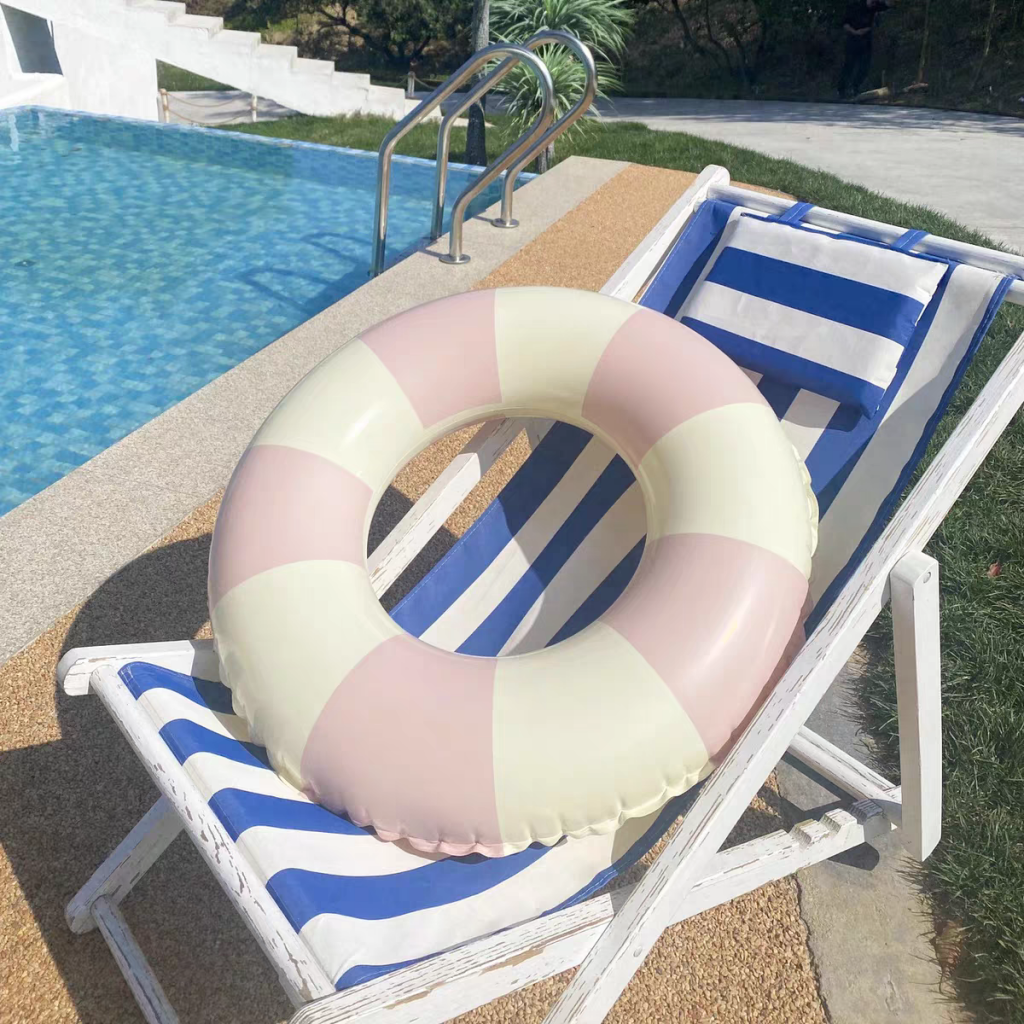
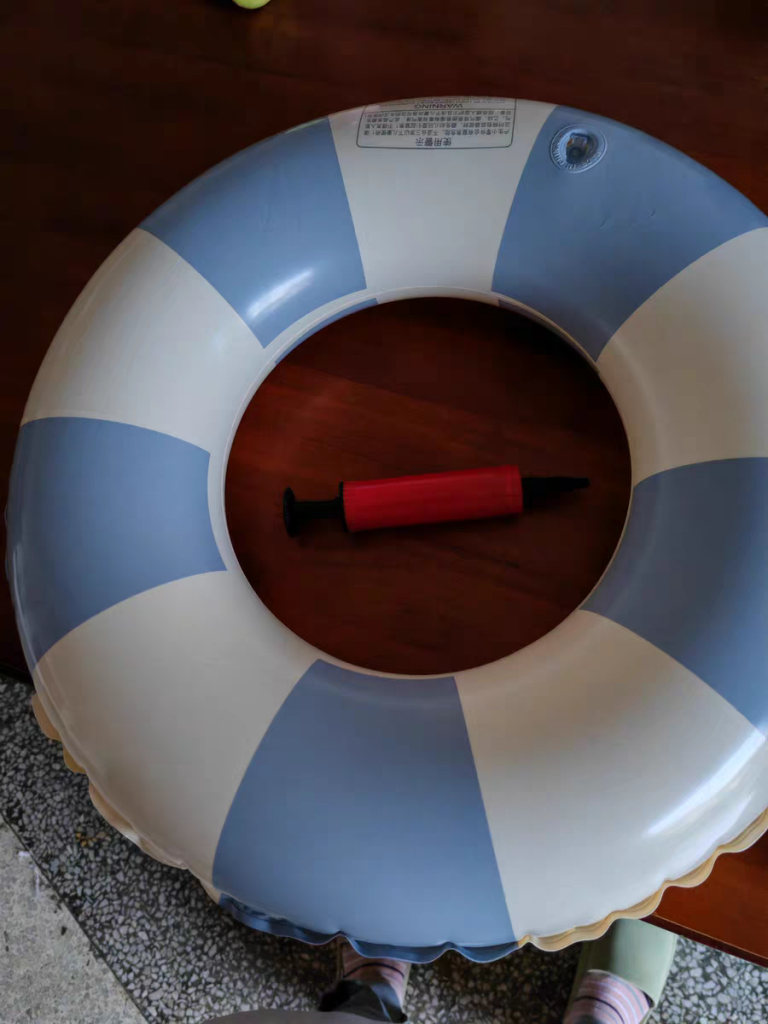
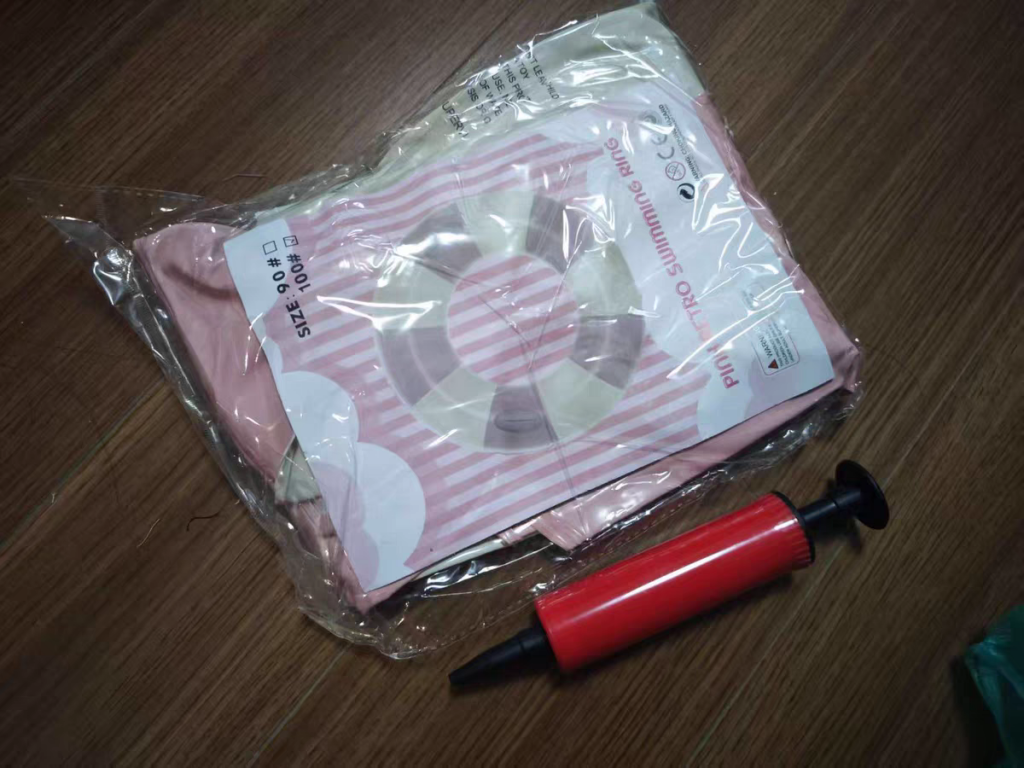
The inflatable swimming ring is a quintessential symbol of summer, but behind its simple appearance lies a complex manufacturing process. For businesses looking to source these products, the focus must shift from mere aesthetics to material resilience, valve technology, and compliance with international safety standards. Understanding the supply chain is key to procuring products that are both safe and durable.
🛟 Material Composition: PVC vs. TPU
The majority of swimming rings are manufactured using Polyvinyl Chloride (PVC) due to its flexibility and cost-effectiveness. However, premium suppliers are increasingly utilizing Thermoplastic Polyurethane (TPU). TPU offers superior abrasion resistance and does not contain plasticizers that can leach out over time, making it a more eco-friendly and durable option for high-end markets.
💨 Valve Technology and Air Retention
A common failure point in inflatable products is the valve. Quality suppliers employ multi-layer sealing valves that prevent air leakage even under pressure or high temperatures. The bonding process—whether high-frequency welding or thermal heat sealing—determines the burst strength of the seams. A double-sealed seam is the industry benchmark for reliability.
🎨 Design and Printing
Customization is a major trend. Modern printing techniques allow for vibrant, fade-resistant graphics that do not crack when the ring is inflated or deflated. Matte finishes and metallic effects are currently popular in the leisure market, requiring specialized ink formulations and surface treatments.
🛡️ Safety Standards and Compliance
Reputable manufacturers adhere strictly to safety regulations such as EN71 (Europe) and CPSC (USA). This includes rigorous testing for phthalates, heavy metals, and mechanical hazards like entrapment risks. For B2B buyers, verifying the supplier’s testing certificates is a non-negotiable step in the procurement process.
FAQ: Sourcing Inflatable Swim Rings
Q1: What is the standard thickness for a commercial-grade swim ring?
A: For promotional or retail quality, the thickness usually ranges from 0.18mm to 0.25mm. Heavy-duty or commercial-grade rings often use 0.30mm to 0.35mm material to withstand rougher handling.
Q2: Can suppliers provide eco-friendly or biodegradable options?
A: Yes, some factories now offer bio-based PVC or TPU alternatives derived from non-toxic, recyclable materials. These are gaining traction in European markets with strict environmental regulations.
Q3: What is the Minimum Order Quantity (MOQ) for custom designs?
A: Typically, the MOQ for a custom shape or size is around 3,000 to 5,000 pieces per design. For stock items with custom logo printing, the MOQ can be as low as 500 pieces.
Q4: How are the products packaged to prevent damage during shipping?
A: Each ring is usually deflated, folded, and individually polybagged. They are then packed into master cartons with dividers to prevent scuffing. For e-commerce, display boxes can also be provided.
User Review
Username: BeachLife_Retail
Flag: 🇺🇸
Order ID: #SR-2024-88102
Review: “The colorfastness of the printing is impressive. We left samples in direct sunlight for weeks and the vibrancy remained. The valves seal perfectly with no slow leaks.”
User Review
Username: PoolPro_Supplies
Flag: 🇩🇪
Order ID: #SR-2024-77456
Review: “Ordered 10,000 units of the classic ring design. The PVC thickness was consistent throughout the batch. Great communication regarding the REACH compliance documentation.”
User Review
Username: SunnyDays_Ltd
Flag: 🇦🇺
Order ID: #SR-2024-65234
Review: “The matte finish on these rings gives them a premium feel compared to glossy competitors. The welding on the seams is clean and precise. Very satisfied with the quality control.”
Article Link:
Navigating the Market for Inflatable Swimming Rings


No reply content