Interviewer: Welcome. We’re seeing a massive surge in demand for bespoke lighting—chandeliers that fit a specific vaulted ceiling, or sconces that match a hotel’s unique branding. When designers come to you looking for custom light suppliers in China, what’s the first reality check you give them?
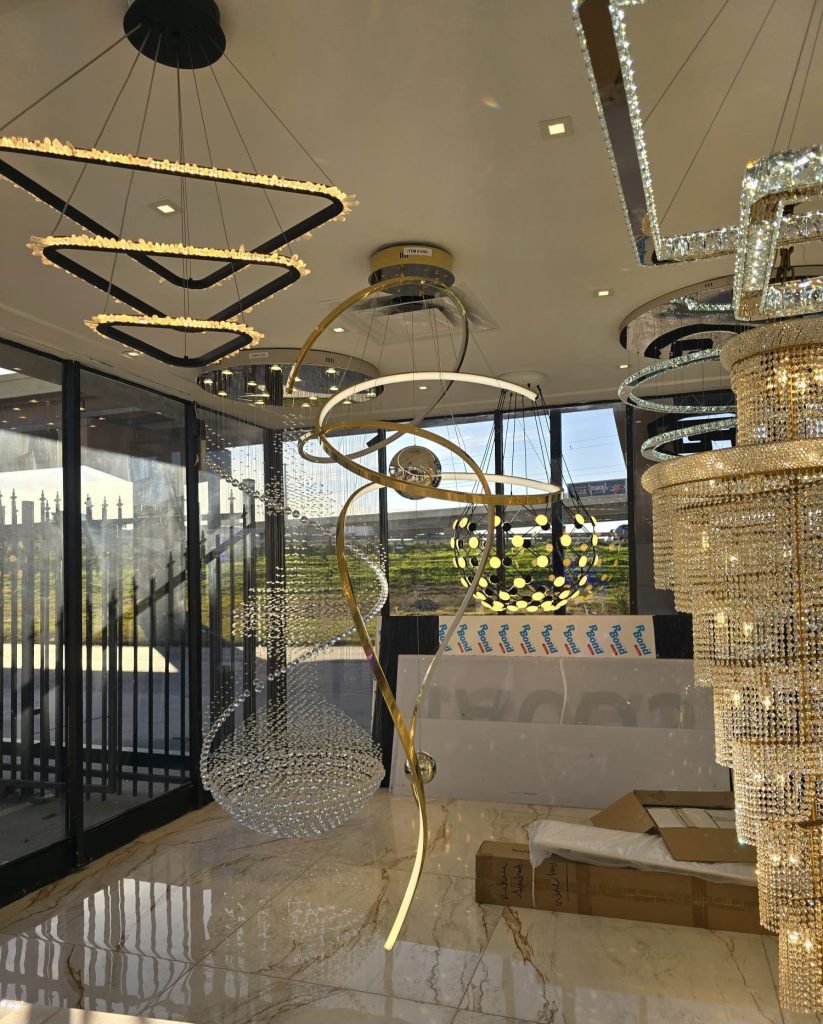
Expert: The first thing I tell them is to forget the idea of “off-the-shelf” customization. In China, the term “custom” covers a huge spectrum. You have the massive factories in Guangdong province—places like Zhongshan (the Lighting Capital) and Dongguan—that can pump out thousands of units with a slight modification. Then you have the specialized artisan workshops in Huizhou or Foshan that live for complex, one-off architectural pieces. If you want a simple logo engraved on a lamp, go to a trading company. If you want a 3-meter tall, organic-shaped resin sculpture that lights up, you need a factory with an in-house sculptor.
Interviewer: That’s a good distinction. Let’s talk about the sourcing process. Many buyers default to Alibaba, but you suggest a different approach for high-end custom work.
Expert: Alibaba is a catalog; it’s not a relationship. For true custom work, you are buying engineering capability, not just a product. I always advise clients to look for suppliers who are transparent about their engineering team. Can they do proper 2D/3D drawings? Do they have a photometric lab to test light output? A red flag I see often is a supplier who says “yes” to everything without asking about voltage standards (UL vs. CE), IP ratings for damp locations, or thermal management. A good custom supplier will push back on your design if it’s going to overheat or fail structurally.
Interviewer: Lead time is usually the elephant in the room. What is a realistic timeline for a custom project from China?
Expert: People underestimate the prototyping phase. For a high-quality custom fixture, you’re looking at roughly 45 to 60 days just for the prototype. This includes mold making, sample finishing, and light testing. Once approved, production might take another 30-45 days depending on the quantity. Anyone promising a custom mold and sample in two weeks is likely cutting corners on material curing times or electrical safety checks.
Interviewer: Let’s get into the materials. China is known for everything from cheap plastics to high-end crystals. How does a buyer ensure they aren’t getting “Grade B” materials?
Expert: This is where the “Audit” comes in. If you specify Brass, make sure the contract specifies the grade, like HPb59-1. If you want a specific type of marble, ask for the quarry certificate. I remember a project where a client wanted a specific “smoky grey” glass. The supplier provided a sample that looked right, but the bulk order had bubbles. Why? Because they changed the batch of recycled glass without telling us. Solution: Always pay for a pre-production sample (PPS) that is locked in a safe, and compare it against the bulk shipment.
Interviewer: Communication barriers are often cited as a major pain point. Any tips?
Expert: It’s rarely a language barrier; it’s a technical translation barrier. Don’t just send a rendering. Send a technical specification sheet with tolerances. For example, don’t just say “matte black.” Say “Matte Black, RAL 9005, textured finish, 80-micron thickness.” The more precise your data, the less room for interpretation error. Also, understand that Chinese factories often operate on a “batch” mindset. They might not start your small custom order until they have enough similar work to fill a production line. Managing that expectation is key.
Interviewer: Finally, what is the biggest mistake designers make when working with Chinese custom light suppliers?
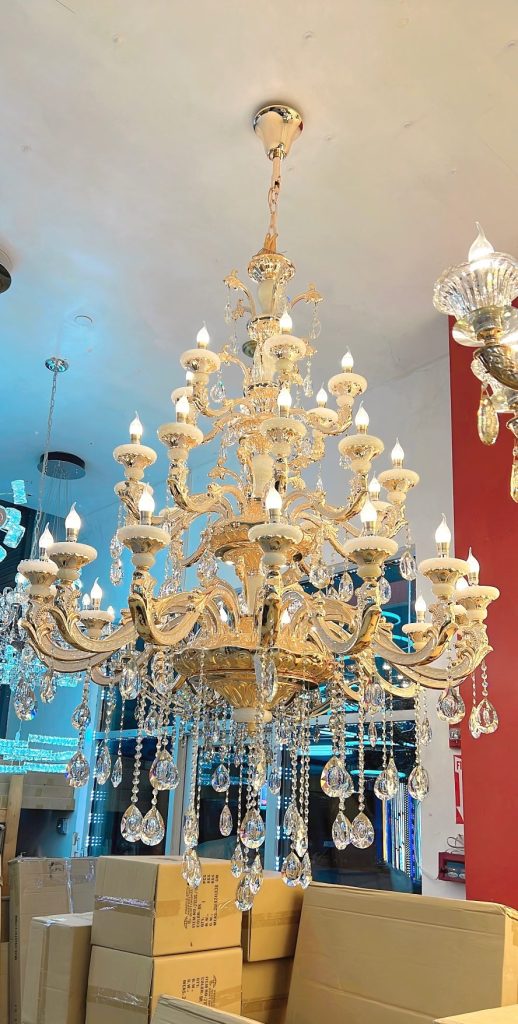
Expert:Freight and Import compliance. They design a massive custom chandelier, it gets built, and then they realize it doesn’t fit in a container or the wiring doesn’t meet US/UK fire codes. A top-tier supplier will help you with “Knock-down” design—meaning the light is engineered to be disassembled for shipping and easily reassembled on-site. If your supplier isn’t talking to you about shipping logistics and compliance certifications (ETL, SAA, etc.) during the design phase, you’re going to have a very expensive headache later.
Does your project require specific materials (e.g., brass, blown glass) or a particular certification (e.g., UL, CE)? I can tailor the advice further based on those details.



No reply content