
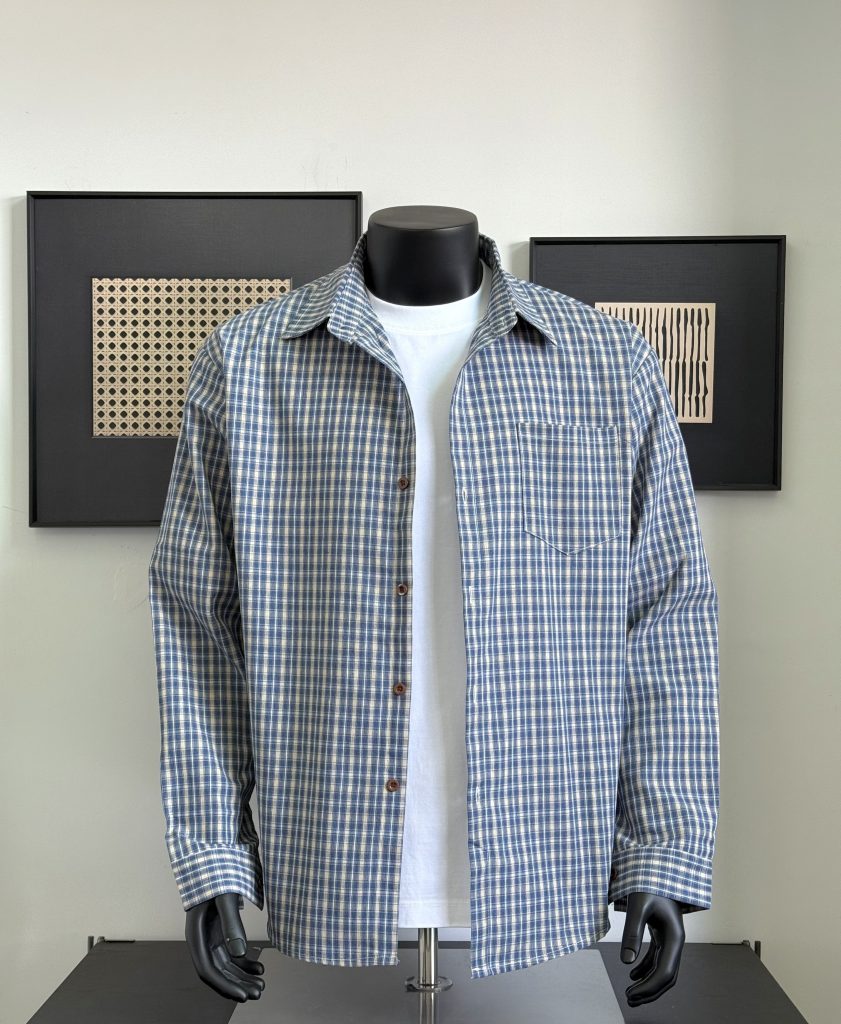
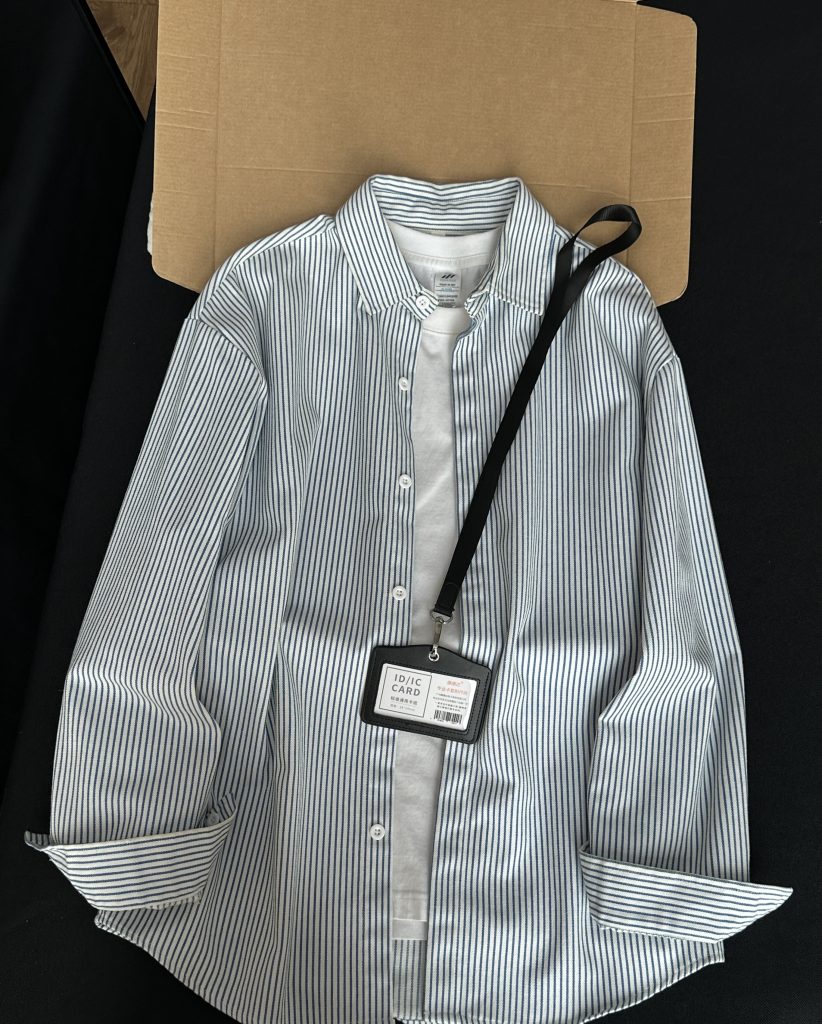
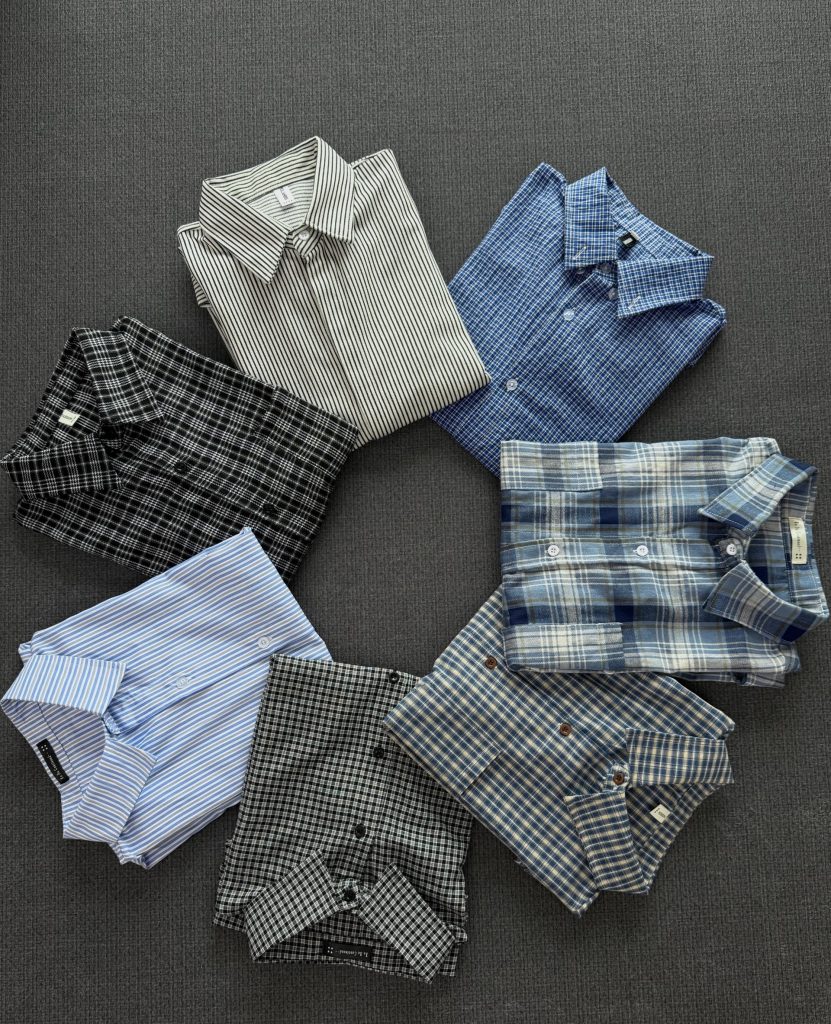
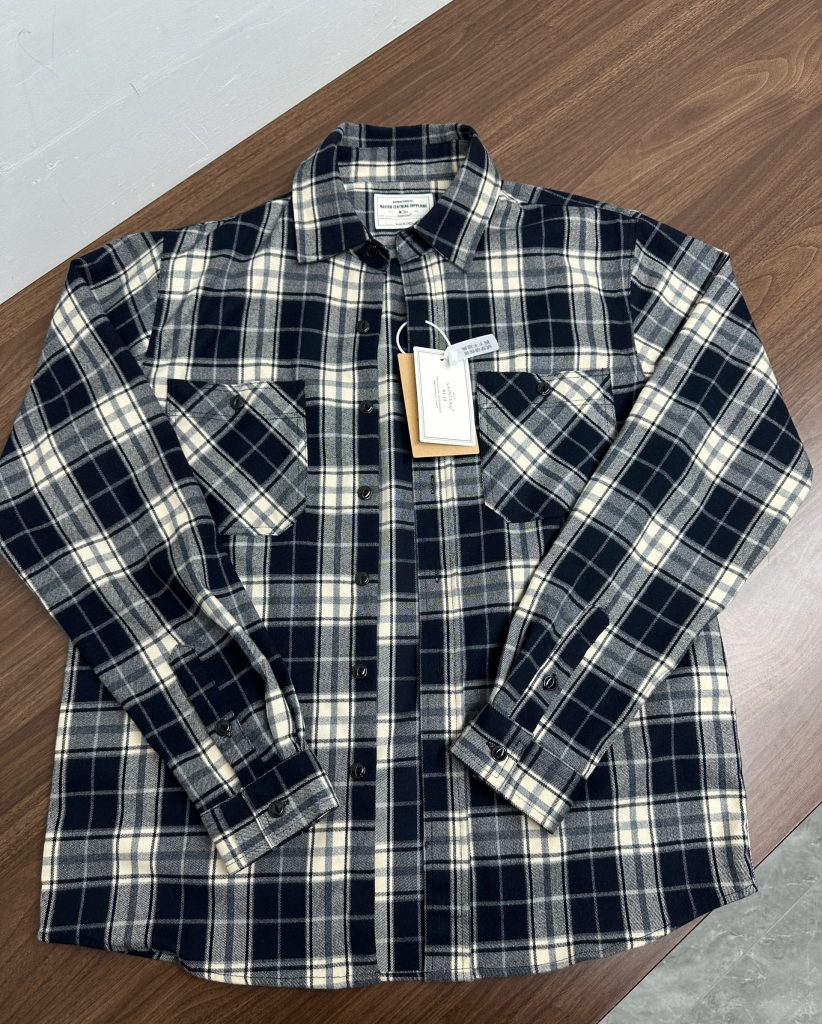
📦 OEM Apparel Production for Growing Clothing Brands
OEM clothing manufacturing allows fashion brands, retailers, and entrepreneurs to create their own clothing products using professional garment production systems. Instead of investing in factories, businesses can develop unique apparel collections through experienced manufacturing partners.👕 Custom garment design and development
🧵 Professional sewing and apparel production
🏷 Private label branding and labeling
📦 Bulk clothing manufacturing solutions
🌍 Scalable global clothing supplyOEM clothing production helps fashion startups and apparel companies transform creative ideas into high-quality garments ready for retail markets.
👕 Understanding OEM Clothing Manufacturing
OEM clothing manufacturing refers to producing garments according to a client’s design, technical specifications, and branding requirements.
In this model, the clothing brand controls the design and brand identity, while the manufacturer handles the production process.
Key features of OEM clothing production include:
👕 customized garment styles
🧵 fabric and material selection
🏷 brand labels and logos
📦 large-scale garment manufacturing
📏 customized sizing standards
This production approach allows clothing businesses to focus on branding, marketing, and product development while ensuring reliable garment production.
🧥 Why OEM Apparel Manufacturing Is Popular
Many clothing brands choose OEM manufacturing because it offers flexibility and professional production capacity.
Instead of building their own factories, brands can collaborate with specialized garment manufacturers.
Major advantages include:
📈 scalable production capacity
🎨 full product customization
💰 lower manufacturing investment
🏷 stronger brand identity
🌍 ability to sell globally
For new clothing brands, OEM apparel manufacturing provides an efficient way to enter the competitive fashion industry.
👚 Types of Clothing Products Produced Through OEM Manufacturing
OEM clothing production supports a wide range of garment categories designed for different market segments.
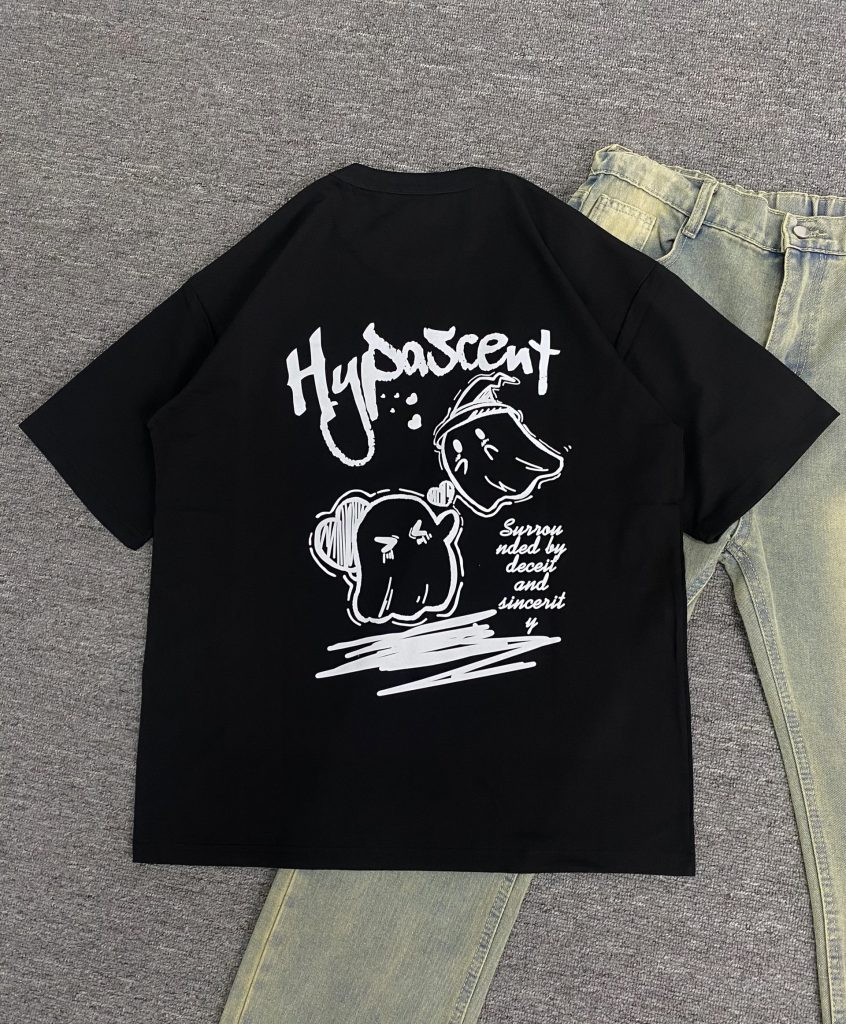
👕 Casual T-Shirts and Everyday Apparel
Casual clothing remains one of the largest segments of the apparel market.
T-shirts and everyday garments are popular because they combine comfort and style.
Common features include:
🧵 soft cotton fabrics
🎨 graphic printing designs
🏷 woven brand labels
📏 comfortable fits
These garments are often produced in large quantities for fashion retailers and online stores.
🧥 Hoodies and Sweatshirts
Hoodies and sweatshirts are essential pieces in modern casual fashion.
They are widely used by clothing brands targeting youth and lifestyle markets.
Typical hoodie design features include:
🧵 thick and durable fabrics
👕 relaxed or oversized cuts
🏷 embroidered logos
🎨 printed graphics
These garments combine comfort, warmth, and modern fashion design.
👖 Casual Pants and Streetwear Bottoms
Bottom wear products complete clothing collections and provide additional product diversity.
OEM clothing production often includes:
👖 casual trousers
🏃 athletic joggers
🩳 summer shorts
👖 relaxed streetwear pants
High-quality stitching and comfortable fabrics are essential for these garments.
👗 Fashion Dresses and Boutique Clothing
Fashion dresses allow clothing brands to introduce creative styles into their collections.
Examples include:
👗 casual dresses
👗 summer fashion dresses
👗 boutique style garments
👗 seasonal clothing designs
OEM manufacturing allows brands to customize fabrics, silhouettes, and garment details.
✂ Step-by-Step OEM Clothing Manufacturing Process
Professional clothing production follows a structured workflow to ensure efficiency and consistent quality.
✏ Design Concept and Product Planning
Every garment begins with a design concept developed by the clothing brand.
Design planning usually includes:
🎨 garment sketches
📐 technical design drawings
🧵 fabric recommendations
📏 size specifications
These elements help guide the production team during manufacturing.
🧵 Fabric Selection and Textile Preparation
Fabric selection determines the overall performance and comfort of clothing products.
Important fabric characteristics include:
🌿 breathability
🧶 softness
🧵 durability
🌱 lightweight construction
Choosing suitable materials ensures garments meet consumer expectations.
📐 Pattern Development and Sample Production
Pattern making converts clothing designs into technical templates used for cutting fabrics.
This stage ensures:
📏 accurate garment sizing
👕 consistent product structure
🧵 efficient fabric utilization
Sample garments are produced before bulk production begins to confirm the design and fit.
🪡 Garment Sewing and Assembly
During production, fabric panels are assembled through professional sewing operations.
Key steps include:
🧵 stitching garment sections
👕 attaching sleeves and collars
🏷 installing brand labels
🪡 reinforcing seams
Precision sewing ensures garment durability and visual quality.
🔍 Quality Control and Inspection
Quality inspection is essential to maintain production standards.
Each garment is carefully checked to ensure it meets design specifications.
Inspection typically focuses on:
✔ garment measurements
✔ stitching accuracy
✔ fabric condition
✔ overall appearance
Reliable quality control helps protect the brand’s reputation.
📦 Packaging and Shipment Preparation
Once production is complete, garments are prepared for packaging and delivery.
Packaging methods often include:
📦 folded garment packaging
🏷 branded labels and tags
📦 protective shipping cartons
Professional packaging ensures products arrive safely and present the brand effectively.
🏷 Key Advantages of OEM Clothing Production
OEM clothing manufacturing offers several strategic advantages for apparel businesses.
🎨 Complete Product Customization
Brands can design clothing products that match their identity and market positioning.
Custom labels, fabrics, and garment styles allow unique product development.
📈 Flexible Production Scaling
Production volume can increase as a brand grows.
This flexibility allows businesses to expand gradually without investing heavily in production equipment.
💰 Improved Cost Efficiency
Bulk clothing manufacturing reduces the cost per garment, helping brands maintain competitive pricing.
🌍 Global Opportunities for Clothing Brands
The fashion industry offers many opportunities for businesses willing to develop unique clothing products.
With global logistics and online retail, apparel brands can reach customers worldwide.
Important opportunities include:
🌍 international fashion markets
🛍 online apparel stores
📦 clothing wholesale distribution
👕 niche fashion communities
Brands that combine creative design with reliable manufacturing systems can achieve sustainable growth.
🌱 Sustainable Trends in Apparel Manufacturing
Modern clothing manufacturing increasingly focuses on sustainability and responsible production.
Common sustainability practices include:
♻ efficient fabric cutting
🌱 environmentally responsible materials
📦 recyclable packaging solutions
🧵 durable garment construction
These practices help reduce waste while maintaining high garment quality.
📩 Selecting the Right OEM Clothing Manufacturer
Choosing a reliable clothing manufacturing partner is crucial for fashion brands.
Important factors include:
🧵 garment production expertise
📦 manufacturing capacity
🔍 strict quality control systems
🏷 customization capabilities
📈 scalability for future production
A dependable manufacturer ensures stable supply and consistent product quality.
👕 Building a Successful Clothing Brand
Launching a clothing brand requires creativity, strategic planning, and reliable manufacturing.
Businesses that focus on product quality and brand identity can build strong apparel brands in competitive markets.
Key success factors include:
👕 innovative clothing designs
🧵 professional production processes
🏷 recognizable brand identity
🌍 expansion into global markets
By combining creative design with professional OEM clothing manufacturing, fashion entrepreneurs can build sustainable and successful apparel businesses.
❓ FAQ – OEM Clothing Manufacturing
1. What does OEM clothing manufacturing mean?
OEM clothing manufacturing refers to producing garments based on the client’s design and brand specifications while the manufacturer handles production.
2. What types of garments can be produced through OEM manufacturing?
Many apparel products can be produced, including t-shirts, hoodies, pants, dresses, sportswear, and casual clothing.
3. Why do fashion brands use OEM clothing production?
OEM manufacturing allows brands to focus on design and marketing while professional manufacturers handle garment production.
4. Is OEM manufacturing suitable for new clothing brands?
Yes. Many startups use OEM manufacturing to launch clothing collections without owning a factory.
5. What factors influence clothing production quality?
Quality depends on fabric selection, pattern accuracy, sewing craftsmanship, and thorough quality inspection.
6. How can clothing brands grow internationally?
Brands can expand globally by developing unique apparel products, maintaining consistent quality, and reaching customers through international sales channels.


No reply content