
📦 OEM Apparel Manufacturing for Modern Clothing Businesses
OEM clothing manufacturing allows fashion brands, retailers, and startups to create custom garments based on their own designs and brand identity. With professional production systems and scalable manufacturing capacity, businesses can transform clothing concepts into high-quality apparel ready for global distribution.👕 Custom garment design and OEM production
🧵 Professional fabric sourcing and clothing development
🏷 Private label branding and garment customization
📦 Bulk clothing manufacturing for wholesale and retail markets
🌍 Scalable apparel production for global fashion businessesThrough structured manufacturing processes and quality control systems, OEM clothing production helps fashion companies create competitive apparel collections while generating stable wholesale inquiries and long-term business partnerships.
👕 Understanding OEM Clothing Manufacturing
OEM clothing manufacturing refers to the production of garments based on designs and specifications provided by a brand or client.
In this model, the manufacturer focuses on producing clothing according to detailed requirements such as fabric type, size charts, color schemes, and brand labeling.
Key characteristics of OEM clothing production include:
🎨 custom garment design specifications
🧵 professional garment construction
🏷 brand label and logo integration
📦 scalable bulk production capability
🌍 distribution readiness for global markets
This approach allows businesses to focus on branding and sales while relying on professional garment production systems.
🧵 Why OEM Apparel Manufacturing Is Important for Clothing Businesses
The fashion industry is highly competitive. Businesses must ensure their clothing products combine design originality with reliable production quality.
OEM clothing manufacturing offers several advantages that help brands grow in modern apparel markets.
🎨 Freedom to Create Unique Clothing Designs
Fashion brands require creative flexibility when designing new collections.
OEM manufacturing allows companies to develop garments that reflect their own design concepts and market positioning.
Benefits include:
👕 exclusive clothing collections
🎨 creative freedom in garment design
🏷 unique brand identity
🌍 differentiated products in competitive markets
Original designs help clothing brands attract customers and build long-term recognition.
📦 Scalable Apparel Production
Clothing businesses often experience fluctuating demand depending on seasonal trends and market growth.
OEM manufacturing systems allow companies to adjust production volumes according to demand.
Advantages include:
📦 small development batches
📈 large-scale production capability
⚙ flexible production planning
🚀 support for expanding clothing brands
This scalability is particularly valuable for emerging fashion businesses.
🧵 Professional Garment Quality
High-quality clothing is essential for customer satisfaction and brand reputation.
OEM manufacturing emphasizes strict production standards throughout the garment development process.
Important quality factors include:
🧶 durable fabrics
🪡 strong stitching techniques
📏 accurate sizing consistency
🧼 reliable garment finishing
Maintaining consistent quality builds consumer trust and repeat purchases.
👗 Major Apparel Categories Produced Through OEM Manufacturing
OEM clothing production can support many types of garments depending on market needs.
👕 Everyday Casual Clothing
Casual clothing is one of the most popular product categories in the global fashion market.
Examples include:
👕 t-shirts
🧥 hooded sweatshirts
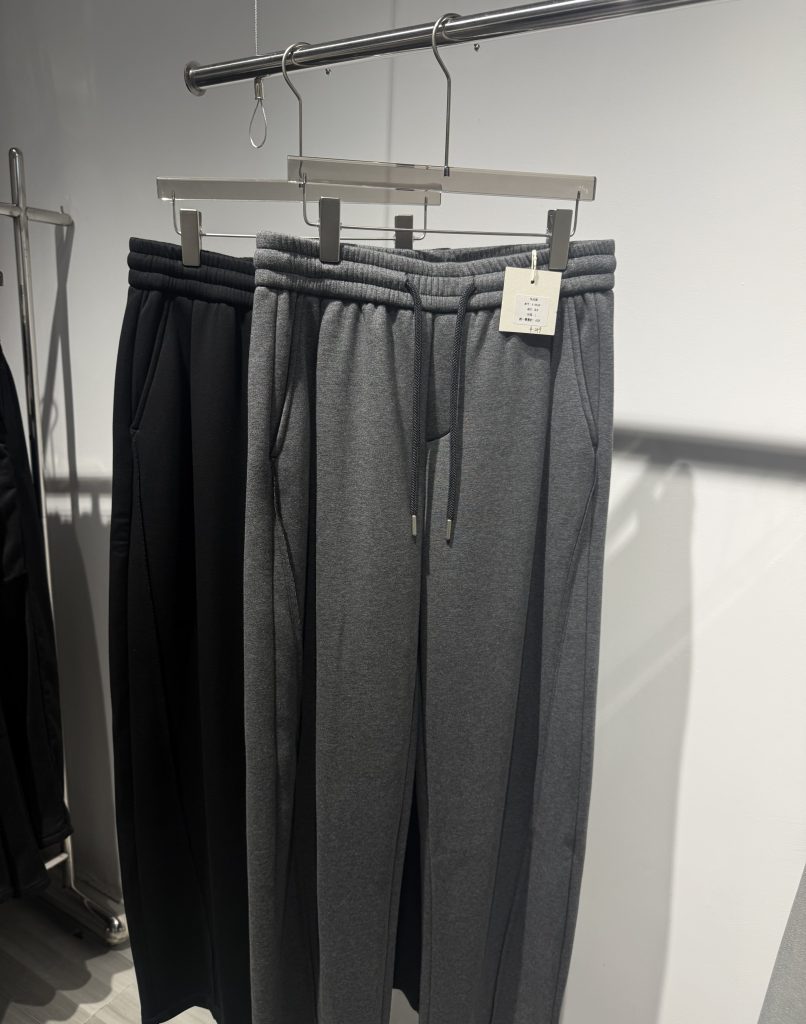
👖 casual trousers
🧢 lifestyle apparel
These garments emphasize comfort, versatility, and everyday style.
🧥 Professional Workwear
Workwear garments are designed for durability and functional use.
Common products include:
🧥 work jackets
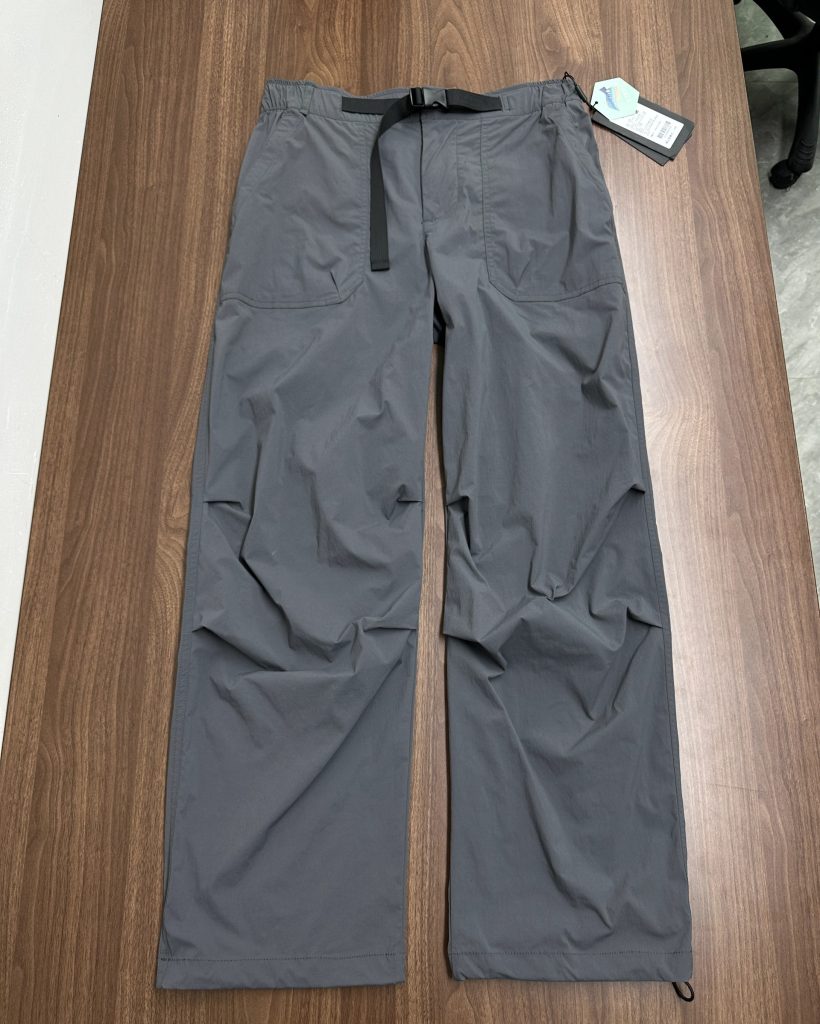
👖 industrial pants
👔 professional uniforms
🦺 safety apparel
These garments must withstand demanding environments while maintaining comfort.
🏃 Athletic and Performance Clothing
Sportswear garments are engineered for physical activity.
Typical characteristics include:
🏃 lightweight construction
🌬 breathable fabrics
🧵 reinforced stitching
⚡ flexible garment design
Athletic apparel requires specialized materials that support movement and comfort.
👗 Fashion Collection Garments
Fashion brands often launch seasonal collections designed to reflect style innovation.
Examples include:
👗 dresses
🧥 fashion outerwear
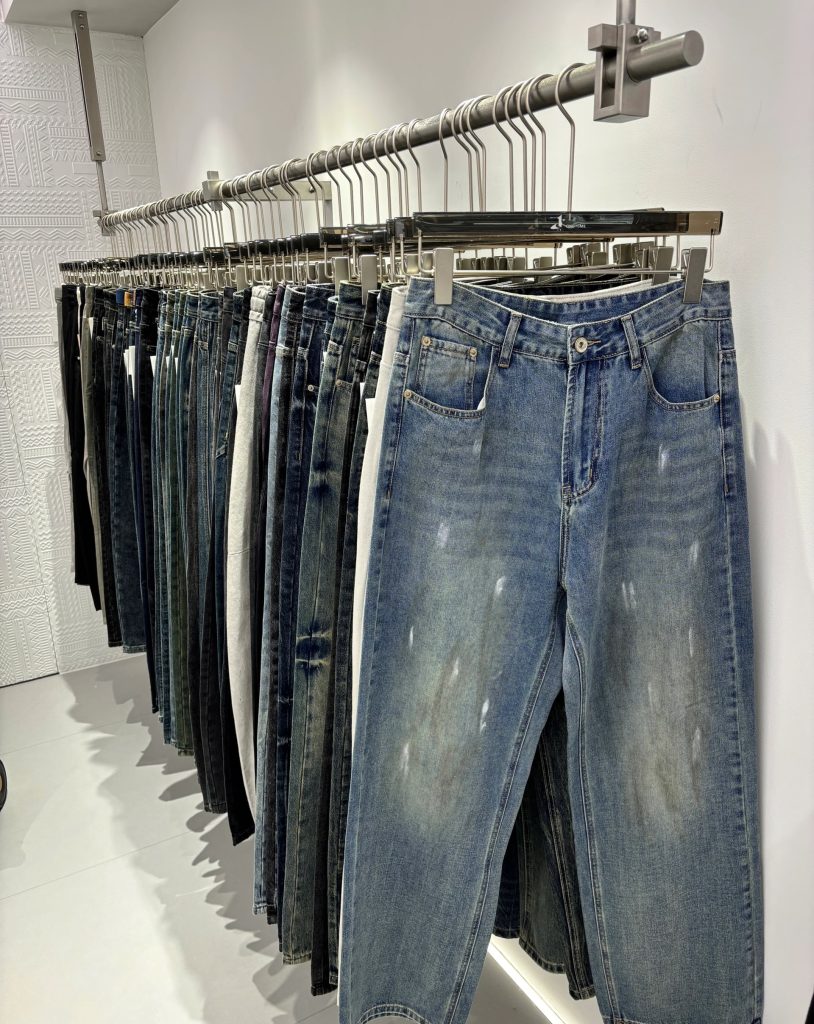
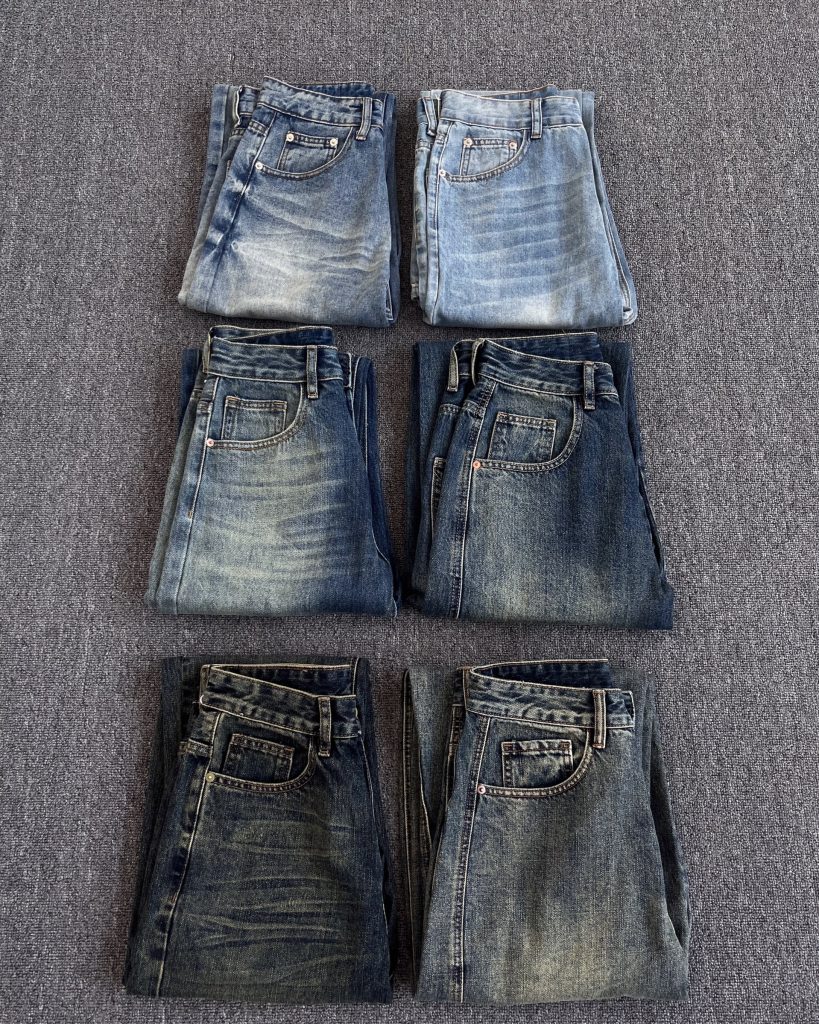
👖 premium denim garments
🧣 seasonal clothing collections
These garments prioritize aesthetics and creative design elements.
⚙ Key Stages of the OEM Clothing Production Process
Producing high-quality garments requires a well-structured production workflow.
Each stage ensures product consistency and manufacturing efficiency.
🎨 Clothing Design and Technical Planning
The process begins with transforming design concepts into detailed technical specifications.
Important elements include:
✏ design sketches
📏 size charts and measurements
🎨 color schemes
🧵 fabric selection
Clear technical planning ensures accurate garment production.
🧵 Pattern Creation
Patterns serve as templates for cutting fabric pieces that form the garment structure.
Advantages of precise pattern design include:
📏 consistent garment sizing
🧵 efficient production flow
✂ accurate fabric utilization
High-quality pattern making ensures reliable garment fit.
✂ Fabric Cutting
Fabric cutting converts textile materials into garment components.
Efficient cutting processes focus on accuracy and waste reduction.
Benefits include:
✂ precise material shaping
📦 reduced fabric waste
🧵 uniform production components
Proper cutting improves overall manufacturing efficiency.
🪡 Sewing and Assembly
Sewing operations assemble the garment components into finished clothing.
Professional garment assembly ensures:
🪡 strong seams
👕 stable garment structure
🧵 long-lasting stitching
📏 consistent product quality
Skilled sewing operations are essential for durable clothing.
🧼 Finishing and Quality Inspection
After sewing, garments undergo finishing procedures and quality checks.
Typical steps include:
🧼 pressing and cleaning
🔍 product inspection
🏷 label attachment
📦 packaging preparation
Quality inspection ensures garments meet required standards before shipment.
🌱 Sustainable Approaches in Modern Apparel Manufacturing
Sustainability is becoming increasingly important within the clothing industry.
Responsible manufacturing practices help reduce environmental impact while maintaining high production standards.
🌿 Sustainable Textile Materials
Many clothing brands are adopting environmentally responsible materials.
Examples include:
🌱 natural fibers
🧶 recycled textiles
🌿 biodegradable fabrics
🌍 eco-friendly materials
These materials help reduce environmental footprint while appealing to modern consumers.
⚡ Efficient Manufacturing Systems
Advanced production technologies help improve manufacturing efficiency.
Benefits include:
⚡ optimized energy use
📦 reduced material waste
🌍 improved environmental responsibility
Efficient production processes support both sustainability and business performance.
📈 How OEM Apparel Production Supports Clothing Brand Growth
OEM clothing manufacturing helps businesses build competitive apparel brands through reliable production systems.
Key benefits include:
🎨 creative design freedom
🏷 strong brand identity development
📦 scalable production capability
🌍 access to international markets
By combining professional manufacturing with innovative design, clothing brands can expand their presence in the global fashion industry.
📩 Choosing the Right Apparel Manufacturing Solution
When selecting an OEM clothing production partner, businesses should carefully evaluate several factors.
Important considerations include:
🧵 garment construction quality
📦 production capacity
🎨 customization capabilities
📏 sizing consistency
🌍 reliable manufacturing management
Choosing the right production partner ensures stable product supply and long-term brand development.
❓ FAQ – OEM Clothing Manufacturing
1. What is OEM clothing manufacturing?
OEM clothing manufacturing is the process of producing garments according to design specifications provided by a brand or client.
2. Why do fashion brands use OEM garment production?
OEM production allows brands to focus on design and marketing while relying on professional manufacturing for garment production.
3. What types of garments can be produced through OEM clothing manufacturing?
Manufacturers can produce casual wear, workwear, sportswear, fashion garments, and many other apparel categories.
4. What factors influence garment production quality?
Fabric quality, pattern accuracy, sewing techniques, and quality inspection all affect the final clothing product.
5. Can OEM clothing manufacturing support large production volumes?
Yes. OEM production systems are designed to support both small development batches and large-scale bulk manufacturing.
6. Why is sustainability important in apparel manufacturing?
Sustainable production reduces environmental impact while meeting consumer demand for responsible and eco-friendly clothing products.


No reply content