
Custom CNC Machining Parts Manufacturer in Dongguan China
China
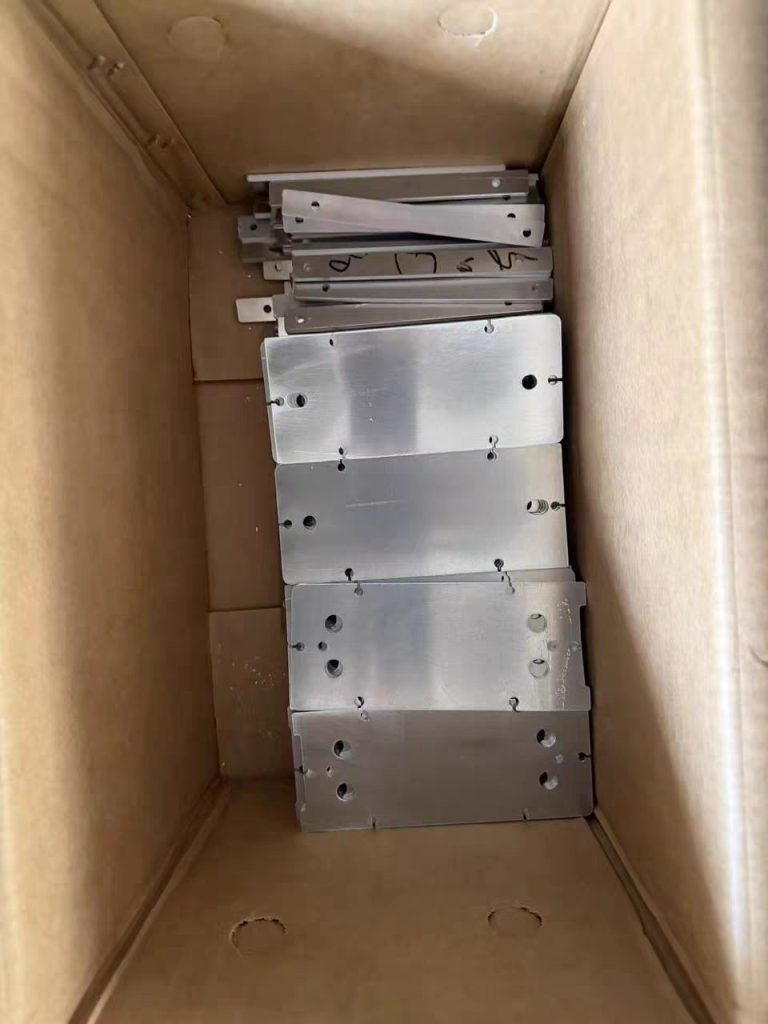
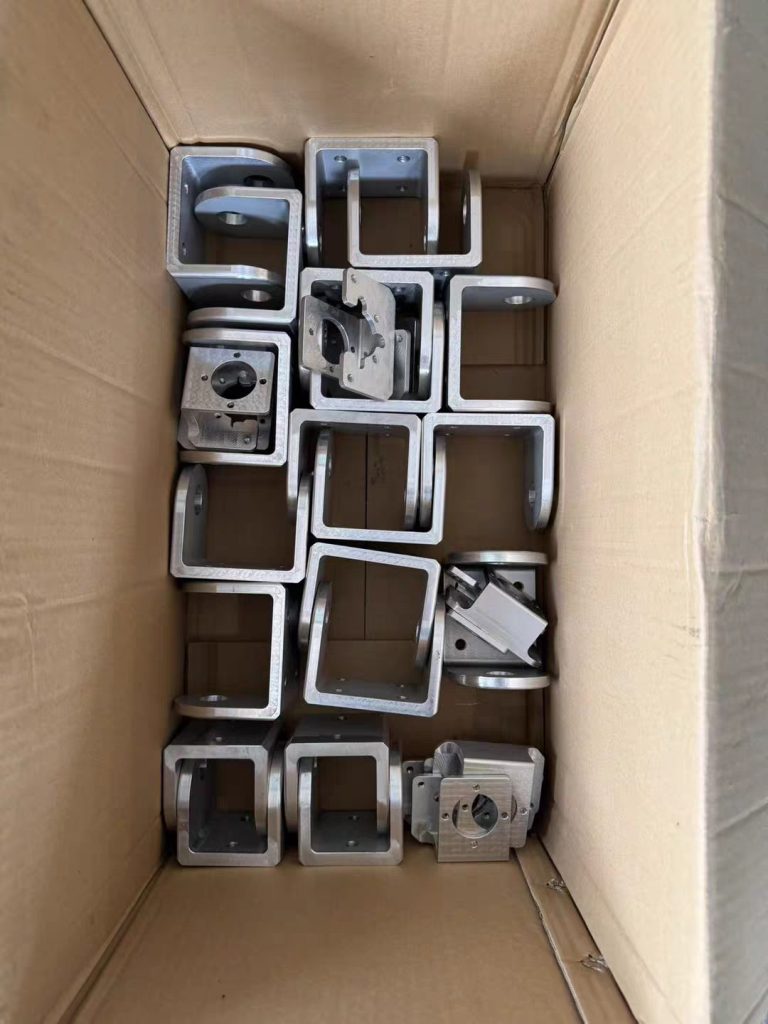
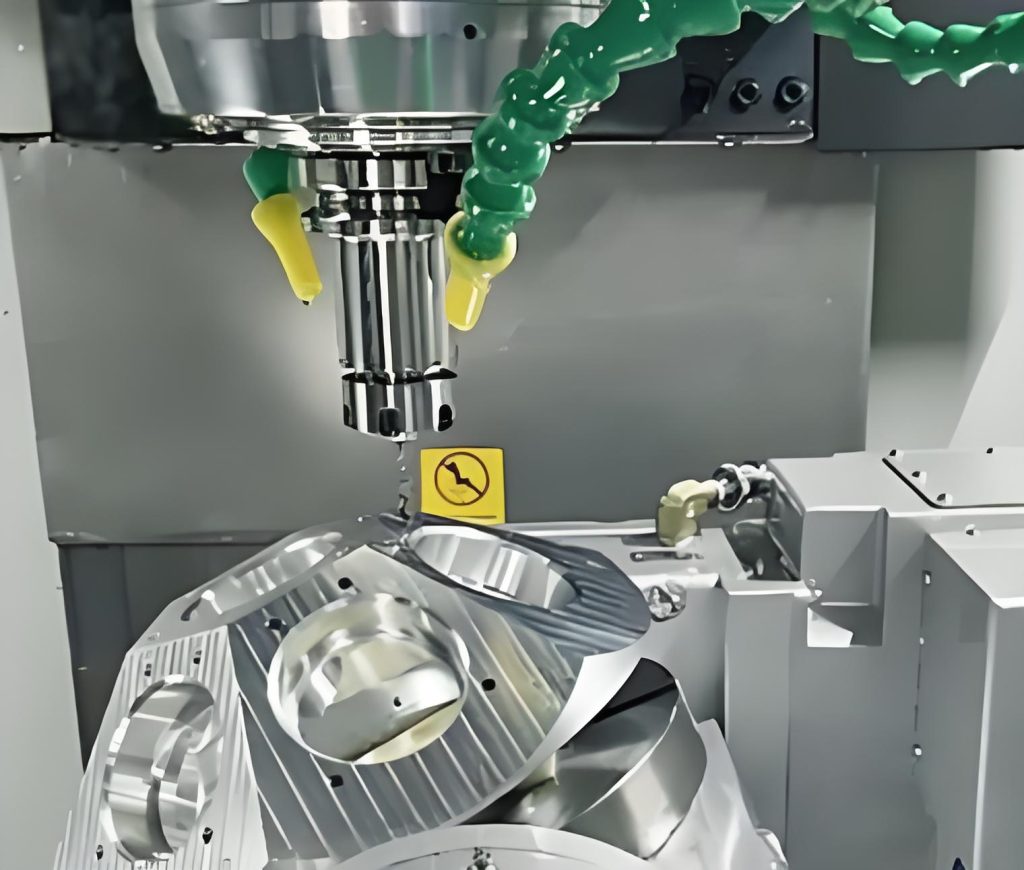
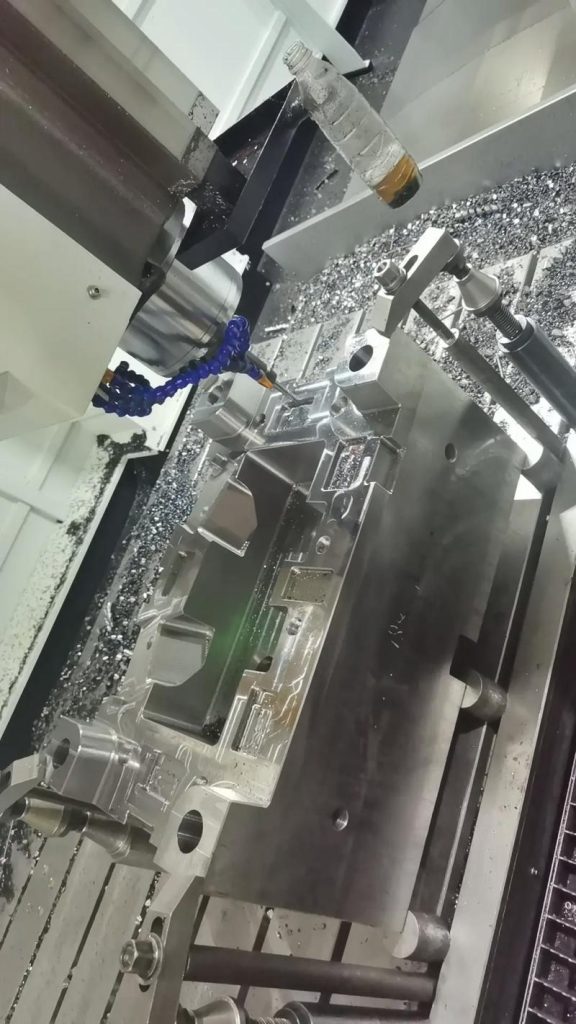
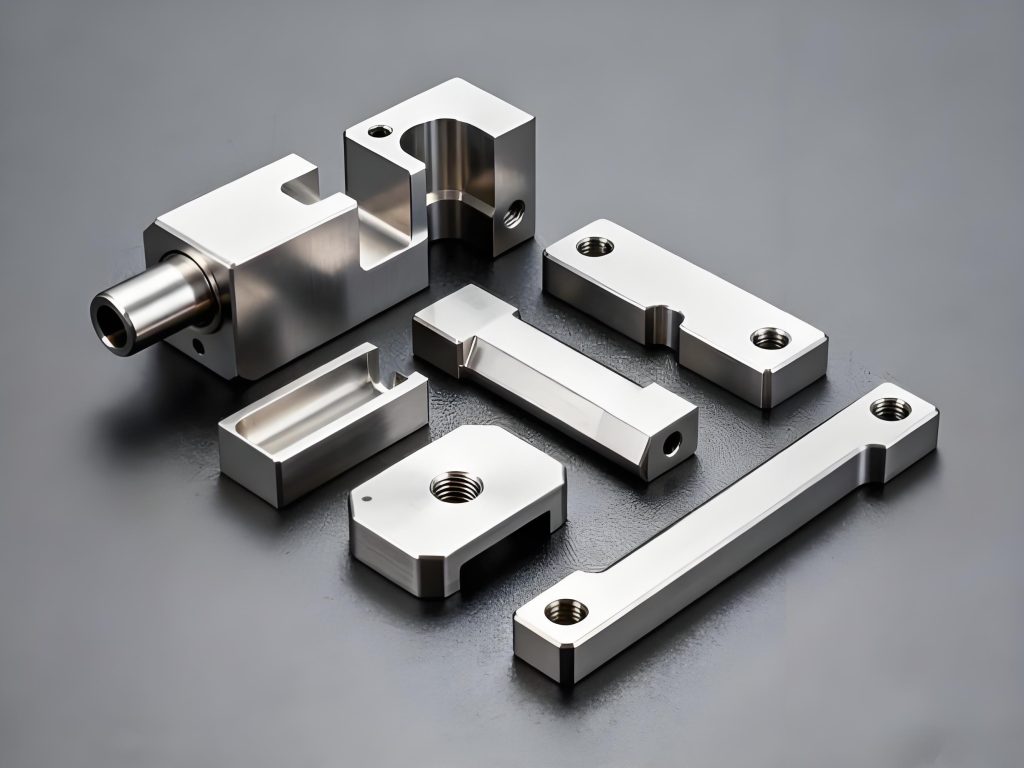
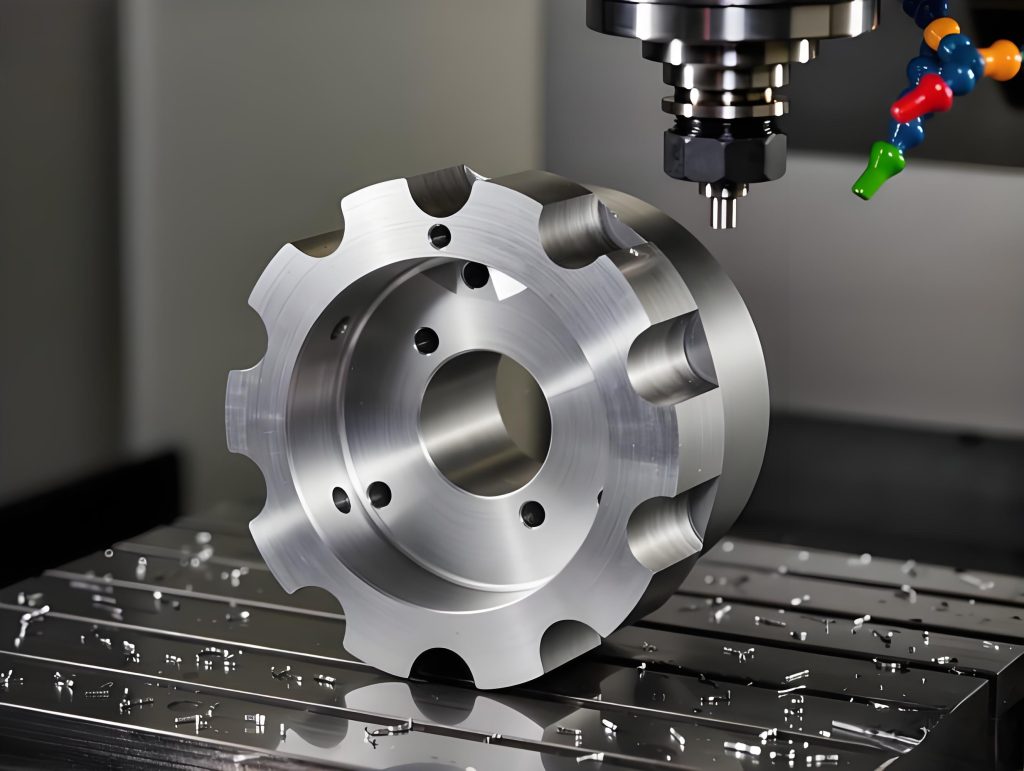
OEM custom CNC machining parts play a critical role in modern manufacturing industries. From automotive systems to aerospace structures and industrial machinery, precision CNC components ensure performance, safety, and reliability. With advanced CNC technology, manufacturers can produce highly accurate parts based on customer drawings, CAD models, or samples.
Today, global buyers demand not only precision but also consistency, fast delivery, and cost-effective production solutions. OEM CNC machining services are designed to meet these requirements across multiple industries.
What Are OEM Custom CNC Machining Parts?
OEM (Original Equipment Manufacturer) CNC machining parts are custom-made components produced according to specific technical drawings or product requirements.
These parts are widely used in:
-
Automotive assemblies
-
Aerospace systems
-
Industrial machinery
-
Robotics and automation equipment
-
Medical devices
-
Electronic products
OEM machining ensures that each part fits perfectly into the final product system.
CNC Machining Capabilities for OEM Production
Modern CNC machining factories provide advanced manufacturing capabilities to support OEM projects of all sizes.
Common machining processes include:
-
CNC Milling (3-axis, 4-axis, 5-axis)
-
CNC Turning
-
Drilling and tapping
-
Precision grinding
-
Custom assembly machining
These processes allow the production of complex geometries with high precision and repeatability.
Automotive Industry Applications
In the automotive industry, CNC machined parts are used for both functional and structural components.
Typical applications include:
-
Engine brackets and housings
-
Transmission components
-
Suspension parts
-
Custom connectors
-
Lightweight aluminum structures
OEM CNC parts help improve vehicle performance, reduce weight, and increase durability.
Aerospace Industry Applications
The aerospace industry requires extremely high precision and strict quality standards.
CNC machined parts are used for:
-
Aircraft structural components
-
Engine parts
-
Landing gear components
-
Precision brackets and fittings
Materials such as aluminum alloys and titanium are commonly used due to their strength-to-weight ratio and durability.
Industrial Equipment Applications
Industrial machinery relies heavily on CNC machined components for stable operation and long service life.
Applications include:
-
Machine frames and bases
-
Gear systems and shafts
-
Hydraulic components
-
Automation equipment parts
OEM CNC machining ensures consistency in large-scale industrial production.
Materials Used in OEM CNC Machining
A wide range of materials can be used depending on application requirements:
-
Aluminum (6061, 7075)
-
Stainless steel (304, 316)
-
Carbon steel
-
Brass and copper
-
Titanium alloys
-
Engineering plastics (POM, ABS, Nylon, PEEK)
Each material is selected based on strength, corrosion resistance, weight, and cost efficiency.
Surface Finishing Options
To meet functional and aesthetic requirements, OEM CNC parts can be processed with various surface treatments:
-
Anodizing (clear, black, color)
-
Powder coating
-
Sandblasting
-
Polishing and brushing
-
Electroplating (nickel, zinc, chrome)
-
Laser engraving
Surface finishing improves durability, corrosion resistance, and appearance quality.
Benefits of OEM CNC Machining Services
High Precision Manufacturing
CNC technology ensures tight tolerances and consistent accuracy across all parts.
Scalable Production
OEM CNC machining supports both small batch prototypes and large-scale mass production.
Cost Efficiency
Optimized machining processes reduce waste and lower overall production costs.
Design Flexibility
Manufacturers can produce complex shapes and customized designs without expensive tooling.
Quality Assurance
Strict inspection systems ensure every part meets required specifications.
How to Start Your OEM CNC Project
To begin an OEM CNC machining project, customers typically provide:
-
Technical drawings (STEP, IGES, PDF)
-
Material requirements
-
Quantity
-
Surface finishing requirements
-
Tolerance standards


No reply content