


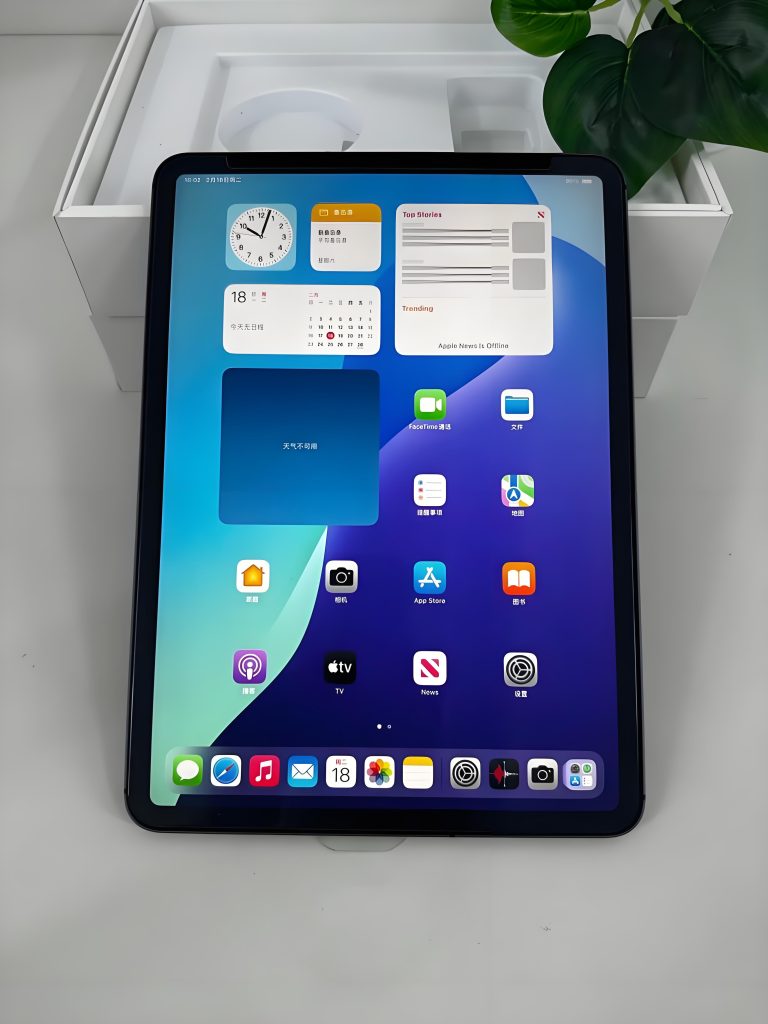
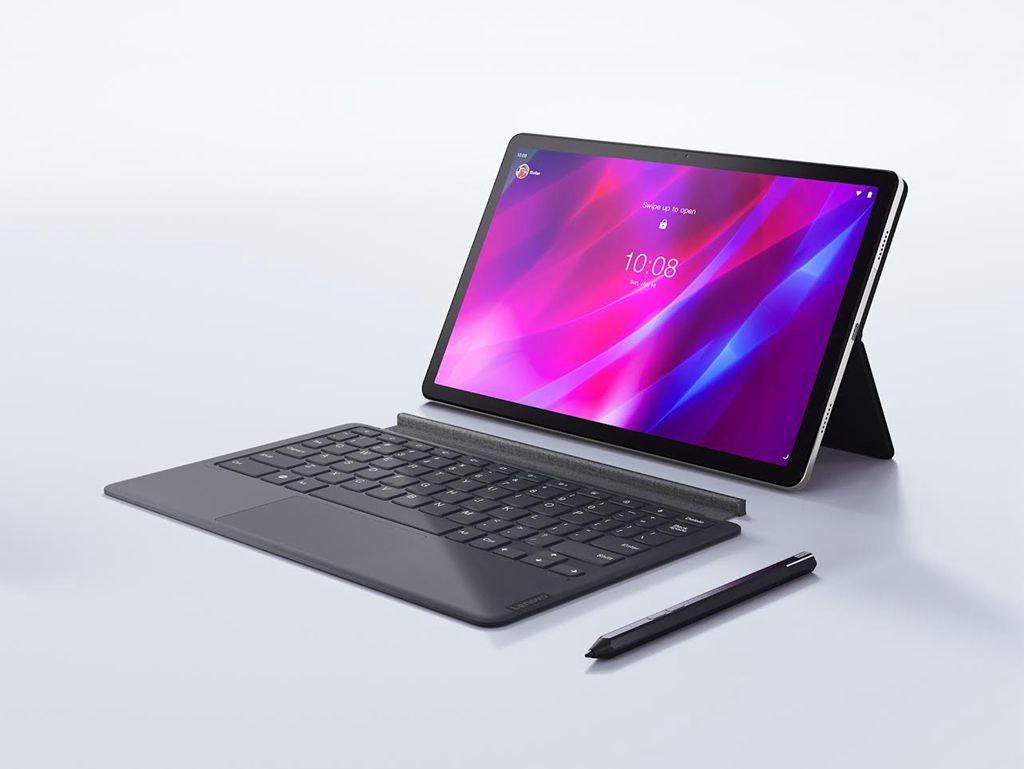
📱 High-Performance Tablet PC Solutions for Schools, Enterprises, and Global Distribution
Tablet PCs are versatile smart devices designed for learning, work, and entertainment. With the rapid growth of digital education, mobile offices, and smart business environments, tablets have become essential tools across multiple industries.📱 Portable and lightweight design
💻 Suitable for education and business applications
🌍 Ideal for global wholesale and OEM supply
⚙️ Customizable hardware and software options
📦 Efficient packaging for bulk distributionAs demand for smart devices continues to expand, tablet PC manufacturing provides scalable solutions for distributors, system integrators, and private label brands.
📱 What Is a Tablet PC?
A tablet PC is a portable computing device featuring a touchscreen interface, combining the functions of a smartphone and a laptop.
Key characteristics include:
📱 touchscreen display
⚙️ integrated operating system
🔋 rechargeable battery
🌐 wireless connectivity
Tablets are designed for convenience, mobility, and multi-purpose use.
⚙️ Core Components of a Tablet PC
Tablet performance depends on several key hardware components.
🧠 Processor (CPU)
The processor determines the speed and performance of the device.
Features include:
⚙️ efficient data processing
📊 multitasking capability
⚡ optimized power consumption
💾 Memory and Storage
Memory and storage affect app performance and data capacity.
Key aspects include:
💾 RAM for smooth operation
📂 internal storage for files and apps
🔄 expandable storage options
📺 Display Screen
The display is a key user interface component.
Important features include:
📺 high-resolution screen
🎨 color accuracy
👀 wide viewing angles
🔋 Battery System
Battery capacity determines usage time.
Advantages include:
🔋 long-lasting performance
⚡ fast charging capability
🔄 energy efficiency
🏫 Applications of Tablet PCs
Tablet PCs are used across multiple industries and environments.
Common applications include:
🏫 digital education and e-learning
🏢 business and office use
🛍️ retail and point-of-sale systems
🏥 healthcare and data management
Their versatility makes them widely adopted.
🎓 Tablets for Education
Education is one of the largest markets for tablet devices.
Key benefits include:
📚 digital textbooks and learning apps
🧑🏫 interactive classroom experience
🌐 online learning access
📱 lightweight and portable for students
Tablets improve accessibility and learning efficiency.
🏢 Tablets for Business Use
Businesses use tablets to improve productivity and mobility.
Typical uses include:
📊 data collection and reporting
🛍️ retail sales and POS systems
📁 document management
🌐 remote work and communication
Tablets support flexible working environments.
🎨 OEM Custom Tablet Solutions
Many buyers require customized tablets for specific markets.
Customization options include:
🎨 logo branding and device design
⚙️ hardware configuration adjustments
📱 pre-installed software systems
📦 customized packaging
OEM solutions help businesses create unique product offerings.
🏭 Manufacturing Process of Tablet PCs
Tablet production involves advanced manufacturing and assembly processes.
Typical steps include:
📐 product design and engineering
🔧 component assembly
📺 screen integration
🔋 battery installation
🔍 quality testing
📦 packaging for shipment
Strict quality control ensures reliable performance.
📦 Packaging and Export Considerations
Proper packaging is essential for protecting electronic devices.
Common methods include:
📦 protective foam packaging
🧳 reinforced cartons
🚚 palletized shipment
🌍 export-ready logistics
Secure packaging reduces damage during transport.
🌱 Performance and User Experience
User experience is a key factor in tablet design.
Important features include:
⚡ fast system performance
👆 responsive touch control
🔇 low noise operation
🌐 stable connectivity
These features enhance usability.
📈 Global Demand for Tablet PCs
The demand for tablet devices continues to grow worldwide.
Key demand drivers include:
🏫 expansion of digital education
🏢 mobile workforce trends
🌍 growth of smart devices
🛍️ e-commerce and retail applications
These factors support long-term market growth.
📊 Advantages of Bulk Tablet Supply
Bulk purchasing offers advantages for distributors and organizations.
Key benefits include:
📦 large-scale production capacity
💰 cost efficiency for bulk orders
🎨 flexible customization
🌍 global distribution capability
Bulk supply supports large deployments.
📩 Choosing a Reliable Tablet Manufacturer
Selecting a reliable supplier is critical for product quality.
Key considerations include:
🏭 manufacturing experience
🔍 quality assurance systems
⚙️ customization capability
📦 logistics and delivery support
Reliable suppliers ensure consistent product performance.
🔮 Future Trends in Tablet Industry
The tablet industry continues to evolve with new technologies.
Future trends may include:
⚙️ improved processing performance
🔋 longer battery life
🌐 enhanced connectivity features
📊 optimized user interfaces
These developments will improve device functionality.
❓ FAQ – Tablet PCs
1. What is a tablet PC used for?
Tablet PCs are used for education, business, entertainment, and data management.
2. Can tablets be customized?
Yes. Tablets can be customized in hardware, software, branding, and packaging.
3. Who buys tablets in bulk?
Schools, businesses, distributors, and system integrators purchase tablets in bulk.
4. What are the key features of a tablet?
Key features include touchscreen display, battery life, processing power, and portability.
5. Are tablets suitable for education?
Yes. Tablets are widely used in digital learning and classroom environments.
6. What should buyers consider when sourcing tablets?
Buyers should consider performance, durability, customization, and supplier reliability.


No reply content