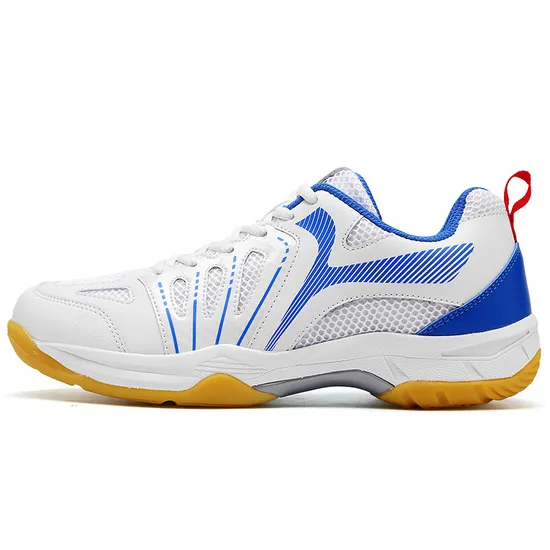
Custom Shoe OEM Manufacturer China | Low MOQ & Fast Sample
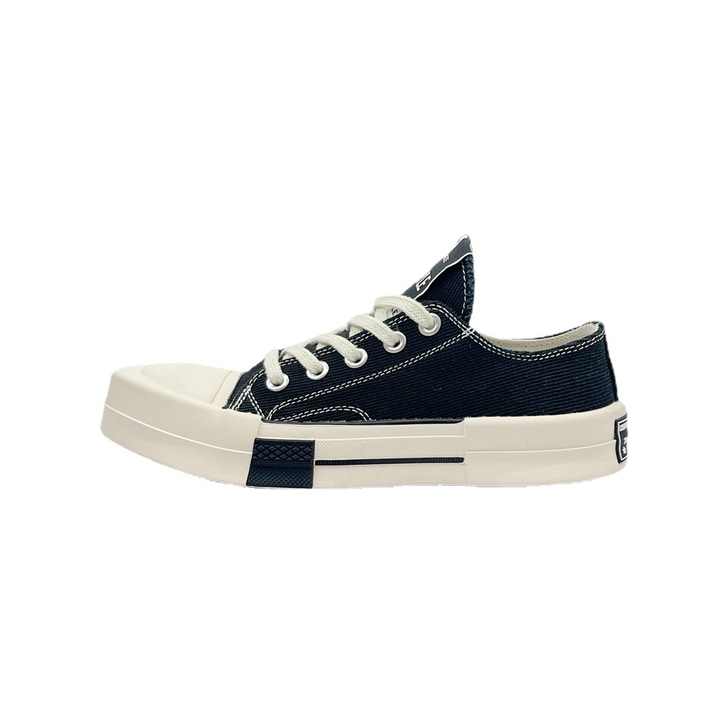
The global footwear industry is more competitive than ever, with brands of all sizes seeking reliable manufacturing partners to produce high-quality custom sports shoes. Whether you are launching a new sneaker brand, expanding an existing product line, or sourcing private-label athletic footwear, one of the first decisions you will face is choosing between OEM (Original Equipment Manufacturing) and ODM (Original Design Manufacturing).
While both manufacturing models enable businesses to create custom sports shoes, they differ significantly in terms of product development, customization, investment, production time, intellectual property, and overall business strategy. Selecting the wrong model can lead to unnecessary costs, delayed product launches, or limited brand differentiation.
This guide explains the differences between OEM and ODM custom sports shoe manufacturing, their advantages and disadvantages, and how to determine which solution best fits your business goals.
Understanding OEM Manufacturing
OEM stands for Original Equipment Manufacturing. Under this model, the buyer provides the product concept, technical specifications, branding, and customization requirements, while the manufacturer is responsible for producing the shoes according to those specifications.
OEM allows businesses to create completely unique products that reflect their brand identity.
Typical OEM customization includes:
-
Shoe silhouette
-
Upper material
-
Midsole construction
-
Outsole pattern
-
Cushioning technology
-
Color combinations
-
Logo placement
-
Packaging design
-
Hang tags
-
Shoe box printing
-
Labels
-
Accessories
The manufacturer follows the customer’s design requirements while offering engineering support and production expertise.
Understanding ODM Manufacturing
ODM stands for Original Design Manufacturing.
In this model, the manufacturer already owns existing shoe designs, molds, and production processes. Buyers select from the available product catalog and customize only certain elements such as:
-
Brand logo
-
Color options
-
Packaging
-
Labels
-
Insoles
-
Shoebox artwork
ODM products are based on proven designs that have already been developed and tested.
Because the design work has already been completed, buyers can enter the market much faster.
Key Differences Between OEM and ODM
Although both manufacturing methods involve producing sports shoes, their business models differ substantially.
Feature |
OEM |
ODM |
|---|---|---|
Product Design |
Customer |
Manufacturer |
Mold Development |
Usually Required |
Existing |
Development Cost |
Higher |
Lower |
Production Time |
Longer |
Shorter |
Product Uniqueness |
Very High |
Moderate |
Brand Identity |
Strong |
Limited |
Intellectual Property |
Buyer Owns |
Manufacturer Owns |
MOQ |
Usually Higher |
Usually Lower |
Advantages of OEM Sports Shoe Manufacturing
1. Complete Brand Identity
OEM enables businesses to create products that are completely different from competitors.
Every element of the shoe can be customized, allowing companies to build a recognizable brand image.
Consumers increasingly value originality, making OEM an excellent choice for long-term brand development.
2. Better Market Differentiation
When your products are unique, customers are less likely to compare prices with identical products sold by competitors.
Unique products also strengthen customer loyalty and improve brand recognition.
3. Greater Product Innovation
OEM manufacturing allows businesses to introduce new technologies such as:
-
Lightweight cushioning
-
Carbon plate running shoes
-
Breathable knitted uppers
-
Waterproof membranes
-
Eco-friendly materials
-
Recycled fabrics
-
Anti-slip rubber soles
-
Shock absorption systems
Innovation can become a major competitive advantage.
4. Higher Profit Potential
Unique products generally command higher retail prices.
Since competitors cannot easily copy your design, profit margins are often higher than with generic products.
Challenges of OEM Manufacturing
Despite its advantages, OEM also involves greater investment.
Challenges include:
-
Higher development costs
-
Longer product development cycles
-
Mold expenses
-
Multiple prototype revisions
-
Higher minimum order quantities
-
Longer time before market launch
Businesses should prepare sufficient budgets before selecting OEM production.
Advantages of ODM Sports Shoe Manufacturing
1. Faster Market Entry
Because product designs already exist, production begins much sooner.
This is ideal for businesses wanting to launch products quickly.
2. Lower Development Costs
ODM eliminates many design-related expenses.
There is no need to invest heavily in:
-
Product engineering
-
Mold development
-
Technical drawings
-
Prototype design
This significantly reduces startup costs.
3. Lower Business Risk
ODM products have usually undergone previous production runs.
Manufacturers already understand:
-
Material performance
-
Production efficiency
-
Quality consistency
This reduces the likelihood of unexpected manufacturing problems.
4. Lower Minimum Order Quantity
Many ODM manufacturers accept smaller orders, making them suitable for:
-
Startups
-
Online sellers
-
Amazon businesses
-
Boutique retailers
-
Regional distributors
Lower MOQs help businesses test market demand before committing to large inventories.
Limitations of ODM Manufacturing
ODM products are not completely exclusive.
Other buyers may purchase similar designs from the same manufacturer.
This creates several challenges:
-
Limited product uniqueness
-
Greater price competition
-
Reduced brand differentiation
-
Lower intellectual property protection
For businesses focused on premium branding, these limitations should be carefully considered.
Which Manufacturing Model Is Best for Startups?
For most startups, ODM is often the more practical choice.
Reasons include:
-
Lower investment
-
Faster production
-
Reduced design complexity
-
Smaller order quantities
-
Lower financial risk
Once sales increase and the brand becomes established, businesses can gradually transition to OEM production for exclusive product development.
Which Manufacturing Model Is Best for Established Brands?
Companies with existing customer bases often benefit more from OEM manufacturing.
OEM allows them to:
-
Launch exclusive collections
-
Protect their designs
-
Strengthen brand value
-
Improve product innovation
-
Increase customer loyalty
Well-known sports brands typically rely heavily on OEM manufacturing because product uniqueness is central to their competitive strategy.
Cost Comparison
When evaluating total investment, businesses should consider more than just unit price.
OEM may involve additional costs such as:
-
Shoe mold development
-
Material sourcing
-
Product testing
-
Prototype revisions
-
Design engineering
-
Packaging development
ODM generally avoids most of these expenses, making it more affordable during the initial stages.
However, OEM products often generate higher long-term returns through stronger brand positioning.
Production Timeline Comparison
A typical ODM project may require:
-
Product selection
-
Logo confirmation
-
Sample approval
-
Mass production
Total timeline: approximately 30–45 days after sample approval.
An OEM project typically includes:
-
Concept development
-
Technical drawings
-
Material sourcing
-
Mold production
-
Sample revisions
-
Testing
-
Mass production
Total timeline: approximately 60–120 days depending on complexity.
Businesses should align their manufacturing choice with their product launch schedule.
Quality Control Considerations
Whether selecting OEM or ODM, quality management remains essential.
A reliable manufacturer should provide:
-
Incoming material inspection
-
In-process quality monitoring
-
Finished product inspection
-
Packaging inspection
-
Size verification
-
Bonding strength tests
-
Flexibility testing
-
Wear resistance evaluation
Independent third-party inspections before shipment can further reduce purchasing risk.
How to Choose the Right Manufacturer
When comparing suppliers, consider the following:
-
Years of manufacturing experience
-
Export history
-
Production capacity
-
Design capabilities
-
R&D investment
-
Certifications
-
Communication efficiency
-
Sample quality
-
Quality control system
-
Delivery performance
-
Customer reviews
-
After-sales service


No reply content