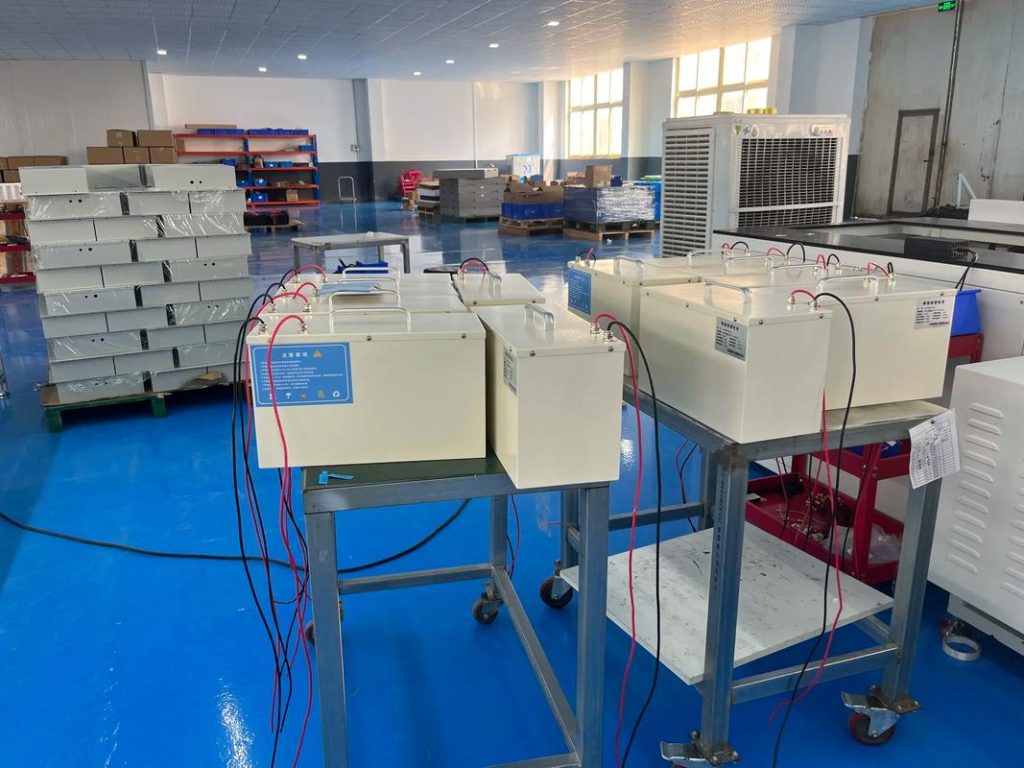
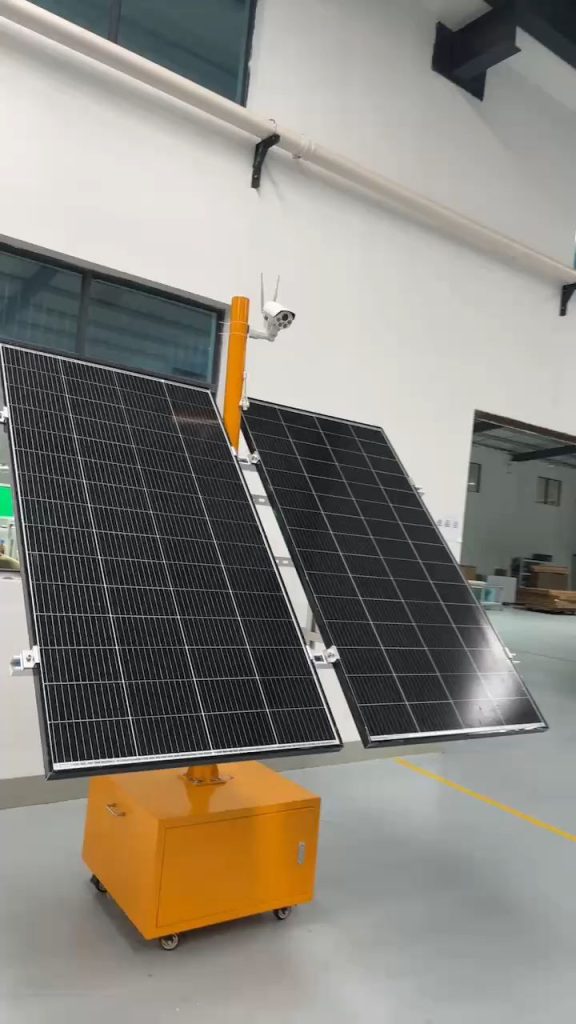
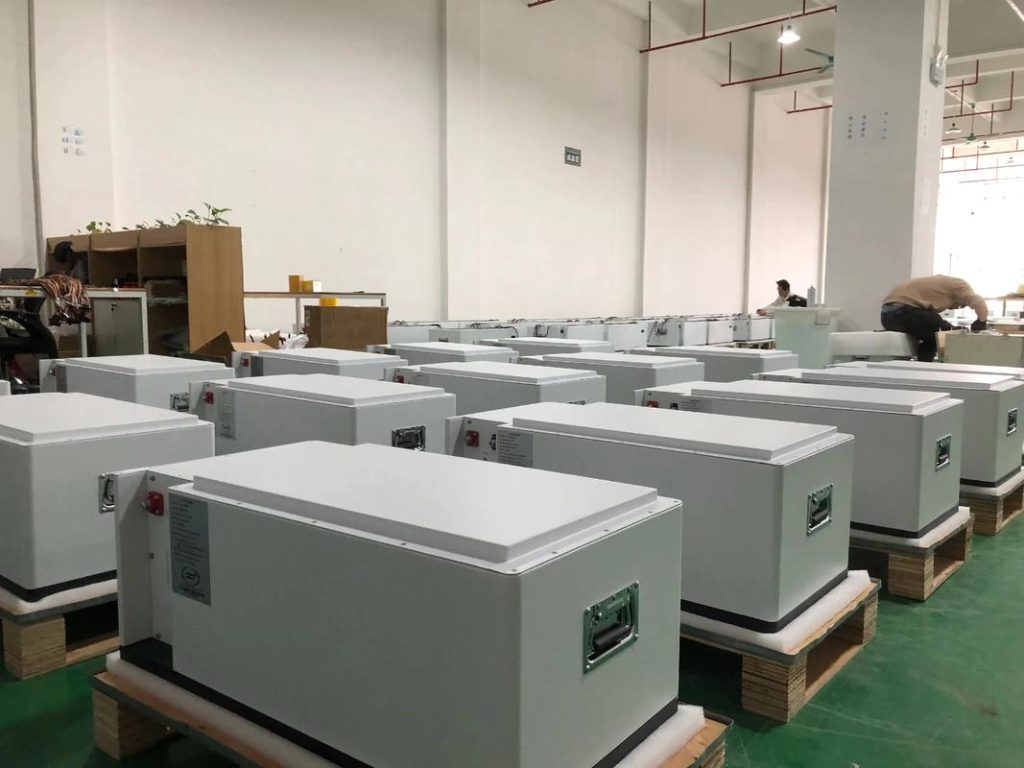
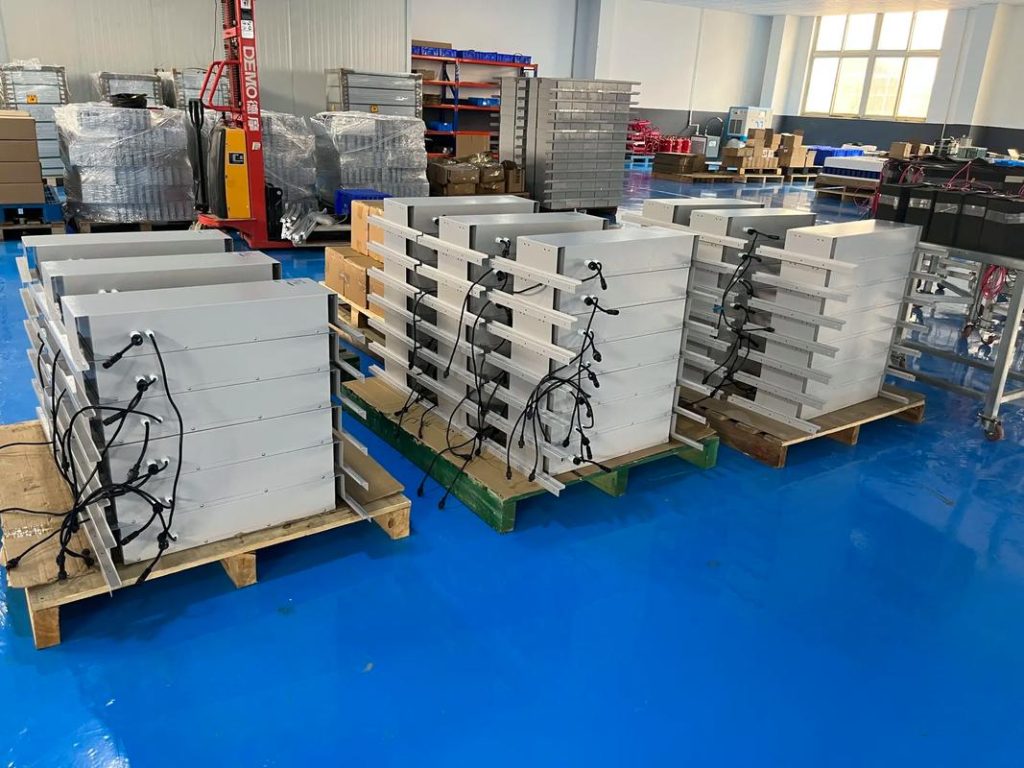
In many regions around the world, stable grid electricity is not always available. For homes, farms, factories, and remote projects, off-grid solar energy storage systems provide a reliable and independent power solution. By combining solar panels with battery storage, off-grid systems generate and store electricity without relying on public utilities.
This article explains the features, cost considerations, and applications of off-grid solar energy storage systems, helping buyers understand how to choose the right solution for their projects.
What Is an Off-Grid Solar Energy Storage System?
An off-grid solar energy storage system operates independently from the power grid. It generates electricity using solar panels and stores energy in batteries for use at any time, including nighttime or periods of low sunlight.
Off-grid systems are widely used in:
- Remote residential homes
- Farms and agricultural facilities
- Mining and construction sites
- Islands and rural communities
- Areas with unreliable grid power
Key Features of Off-Grid Solar Energy Storage Systems
1. Complete Energy Independence
Off-grid systems do not require grid connection, making them ideal for remote or undeveloped areas.
2. Reliable Backup Power
Stored energy ensures continuous electricity supply even during cloudy days or nighttime.
3. Scalable System Design
Most off-grid systems use modular batteries, allowing capacity expansion as energy demand grows.
4. Smart Energy Management
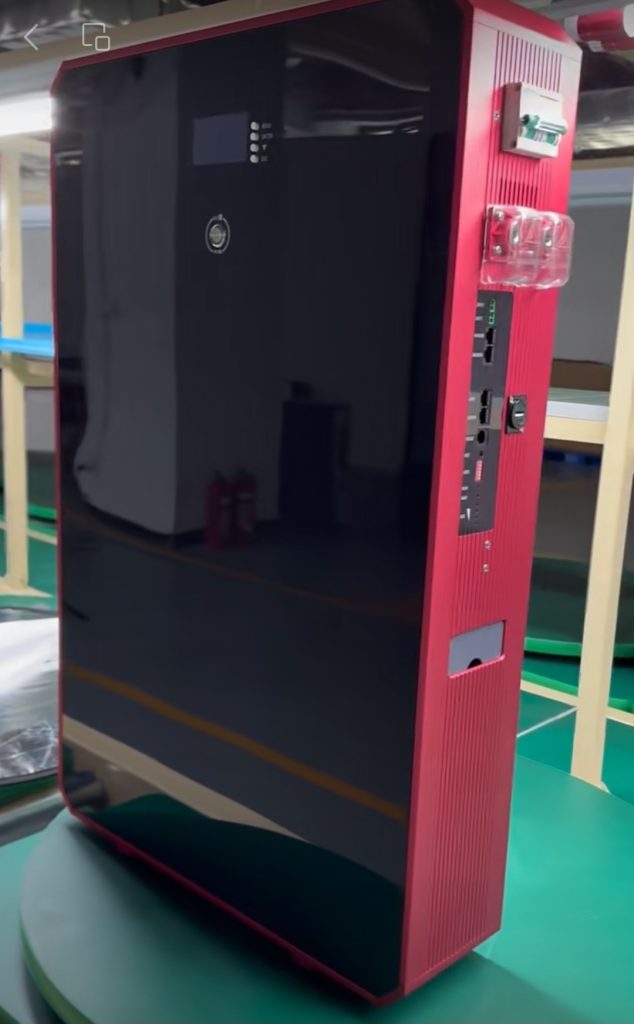
Integrated BMS and EMS monitor battery health, energy usage, and system performance in real time.
How Off-Grid Solar Energy Storage Systems Work
During the day, solar panels generate electricity. This energy is used to power connected loads, while excess power is stored in batteries. At night or during low solar production, stored energy is discharged to supply electricity.
Some systems also integrate diesel generators as backup for extended periods of low sunlight.
Typical Product Specifications for Off-Grid Solar Energy Storage
Below are common specifications offered by professional manufacturers. Actual system design depends on load size and operating conditions.
Battery Specifications
- Battery type: LFP (LiFePO₄)
- Nominal voltage: 48V / 51.2V / High-voltage options
- Capacity range: 10 kWh – 1 MWh+
- Cycle life: 6,000+ cycles
- Depth of discharge: Up to 95%
Inverter Specifications
- Inverter type: Off-grid inverter
- Rated power: 5 kW – 500 kW+
- Phase: Single-phase / Three-phase
- Efficiency: ≥95%
System Features
- Intelligent BMS protection
- Overload and short-circuit protection
- Remote monitoring capability
- Weather-resistant enclosure
- Modular battery expansion
Cost Factors of Off-Grid Solar Energy Storage Systems
The cost of an off-grid solar energy storage system varies depending on several factors:
- Battery capacity (kWh)
- Inverter power (kW)
- Solar panel size
- Installation environment
- Backup generator integration
Small residential off-grid systems may start from tens of kWh, while large commercial or industrial systems can reach hundreds of kWh or more.
Applications of Off-Grid Solar Energy Storage Systems
Off-grid solar energy storage systems are widely used for:
Residential Use
Providing reliable electricity for homes in rural or remote areas.
Agricultural Use
Powering irrigation systems, cold storage, and agricultural equipment.
Industrial and Commercial Use
Supporting mining sites, construction projects, and remote factories.
Community and Infrastructure Projects
Powering schools, clinics, and communication facilities in off-grid locations.
OEM and Customized Off-Grid Energy Storage Solutions
Professional manufacturers offer OEM and customized solutions, including:
- Custom battery capacity design
- Hybrid solar + diesel generator integration
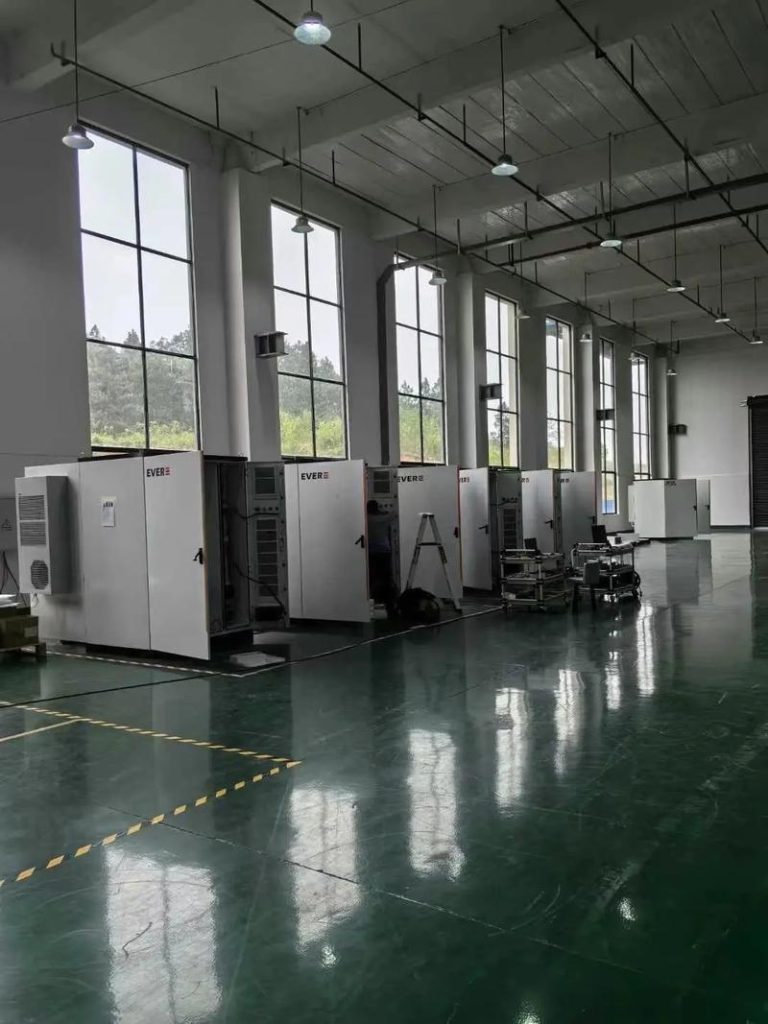
- Containerized energy storage systems
- Branding and documentation customization
OEM off-grid solutions help distributors and project developers meet diverse project requirements.
Frequently Asked Questions (FAQ)
Q1: Can off-grid solar systems work during cloudy days?
Yes. Batteries store energy during sunny periods and supply power during cloudy days.
Q2: How many days of backup can an off-grid system provide?
Backup duration depends on battery capacity and energy consumption. Systems are often designed for 1–3 days of autonomy.
Q3: Are off-grid solar energy storage systems expandable?
Yes. Modular battery design allows capacity expansion as demand increases.
Q4: Is LFP battery suitable for off-grid applications?
Yes. LFP batteries are highly suitable due to their safety, long cycle life, and deep discharge capability.
Q5: Do off-grid systems require a backup generator?
In some projects, a generator is added to ensure power supply during extended low-sunlight periods.
Final Thoughts
Off-grid solar energy storage systems offer a reliable and sustainable power solution for locations without stable grid access. With scalable design, advanced battery technology, and flexible system configurations, off-grid energy storage supports residential, agricultural, and industrial applications worldwide.
Choosing the right system design and manufacturing partner ensures long-term performance and reliable energy supply.


No reply content