China solar power generation and energy storage manufacturing
Empowering Remote Communities and Operations with Self-Sufficient Energy
For over 700 million people worldwide living in off-grid or weak-grid areas, access to reliable electricity remains a critical barrier to education, healthcare, economic growth, and quality of life. Diesel generators, the traditional solution, are costly, polluting, and prone to fuel supply disruptions. Off-grid solar storage systems with inverters have emerged as the game-changing alternative—delivering clean, affordable, and uninterrupted power where the grid cannot reach. At [Your Company Name], we design and manufacture rugged, high-performance off-grid solar storage systems tailored to the unique challenges of remote environments. This guide explores the technology, applications, and benefits of these systems, and why they are the future of energy independence for remote communities and operations.
The Off-Grid Challenge: Why Traditional Power Fails in Remote Areas
Remote regions face three core energy challenges that make conventional solutions inadequate:
-
Grid Inaccessibility: 15% of the global population lives in areas with no grid coverage (Source: IRENA, 2023), including deserts, mountains, islands, and rural villages.
-
Diesel Generator Drawbacks:
-
High Operating Costs: Fuel expenses account for 60-80% of total ownership costs, with prices volatile in remote markets.
-
Maintenance Burden: Generators require frequent servicing (oil changes, filter replacements) and spare parts, which are hard to source.
-
Pollution: A 10kW diesel generator emits ~8 tons of CO₂ annually, plus harmful particulates.
-
-
Unpredictable Demand: Remote users (e.g., farmers, telecom towers) need power 24/7, but diesel deliveries are often delayed by bad weather or poor roads.
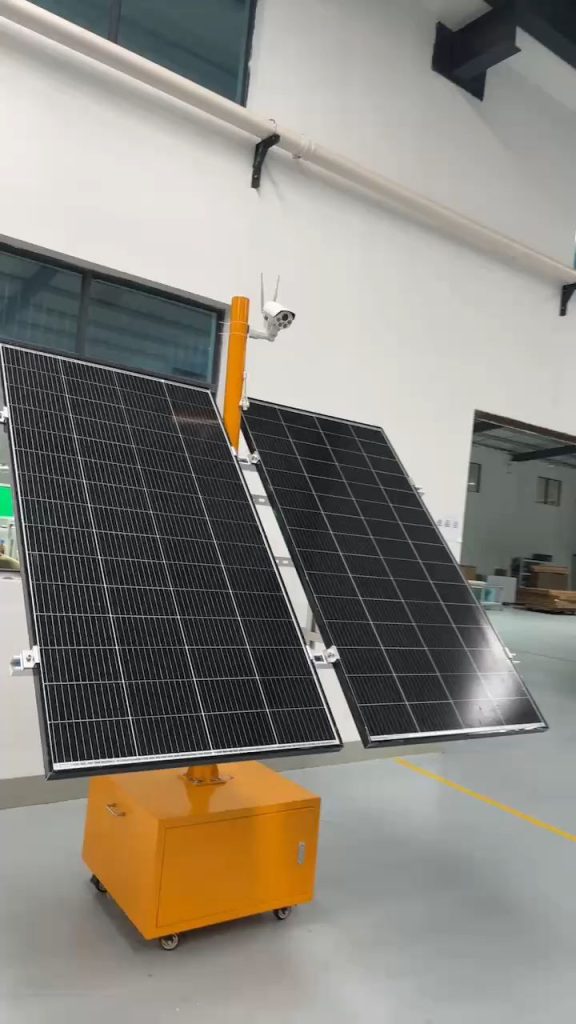
Off-grid solar storage systems solve these issues by combining solar panels (to generate power), battery storage (to store excess energy), and inverters (to convert DC to AC for appliances)—creating a self-sufficient energy loop.
Core Components of Off-Grid Solar Storage Systems: How They Work Together
A typical off-grid system integrates four key components, each optimized for remote durability:
1. Solar Panels: Harvesting Sunlight Efficiently
-
Type: Monocrystalline (22-24% efficiency) or polycrystalline (18-20% efficiency) panels, chosen for space efficiency and cost.
-
Durability: Tempered glass (3.2mm) with anti-reflective coating, anodized aluminum frames, and IP67 junction boxes to resist sand, rain, and hail.
-
Output: 300W-600W per panel, with 25-year linear power warranties (≤0.5%/year degradation).
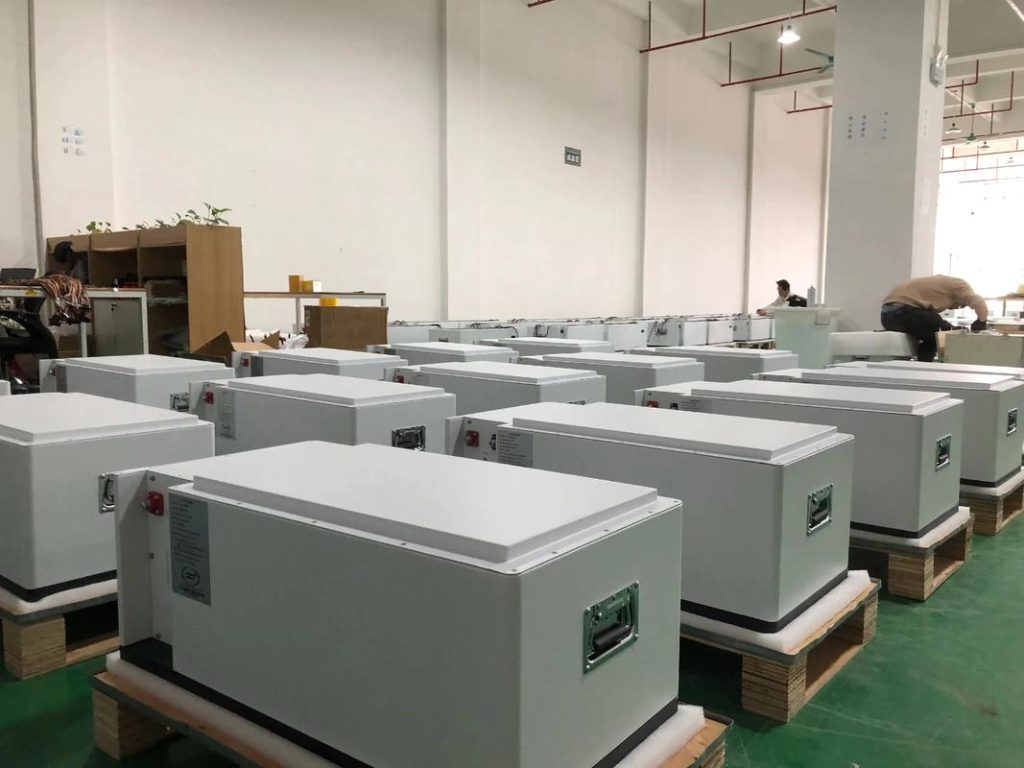
2. Battery Storage: The Heart of Reliability
-
Lithium-Ion (LiFePO₄): Preferred for off-grid use due to 6,000+ cycle life (vs. 500-1,000 for lead-acid), lightweight design, and stable performance in extreme temperatures (-20°C to 60°C).
-
Capacity Options: 5kWh-50kWh (expandable), sized to cover 2-3 days of autonomy (no sun).
-
Battery Management System (BMS): Protects against overcharging, deep discharge, and short circuits—critical for remote areas with no onsite technicians.
3. Inverters: Converting and Managing Power
The inverter is the “brain” of the system, performing three vital functions:
-
DC-to-AC Conversion: Transforms stored DC power from batteries into 230V/50Hz AC (or 120V/60Hz) for standard appliances.
-
Pure Sine Wave Output: Unlike modified sine wave inverters, pure sine wave protects sensitive electronics (laptops, medical devices) from damage.
-
Load Management: Prioritizes critical loads (lights, refrigerators) during low battery levels and disconnects non-essentials to extend runtime.
Our Inverter Advantage: We use MPPT (Maximum Power Point Tracking) controllers to optimize solar input (boosting efficiency by 20-30%) and hybrid inverters that switch seamlessly between solar, battery, and backup sources (e.g., small wind turbines).
4. Charge Controller: Preventing Overcharging
Regulates voltage/current from panels to batteries, extending battery life by avoiding overcharge/discharge. Our controllers feature LCD displays for real-time monitoring—essential for remote users with limited technical expertise.
Inverter Technology: The Key to Off-Grid Reliability
Not all inverters are built for remote areas. Our off-grid inverters stand out with four critical features:
1. Pure Sine Wave Output
Generates smooth, grid-like electricity that runs motors, pumps, and medical equipment without overheating or noise—unlike cheap modified sine wave models.
2. MPPT Solar Charge Controllers
Automatically adjusts to changing sunlight intensity, extracting maximum power from panels even on cloudy days. For example, a 48V system with MPPT can boost daily energy harvest by 150kWh compared to PWM controllers.
3. Rugged Design for Harsh Environments
-
IP65 Rating: Dustproof and water-resistant, suitable for deserts, rainforests, and coastal areas.
-
Wide Temperature Range: Operates reliably from -25°C to 60°C, with built-in cooling fans for hot climates.
-
Surge Protection: Handles sudden power spikes (e.g., motor startups) up to 300% of rated capacity.
4. Smart Monitoring & Alerts
Wi-Fi/Bluetooth connectivity enables remote monitoring via mobile apps. Users receive alerts for low battery, panel malfunctions, or overloads—reducing downtime in areas with no technicians.
Applications: Powering Remote Lives and Livelihoods
Our off-grid solar storage systems serve diverse remote users, from households to critical infrastructure. Below are real-world applications:
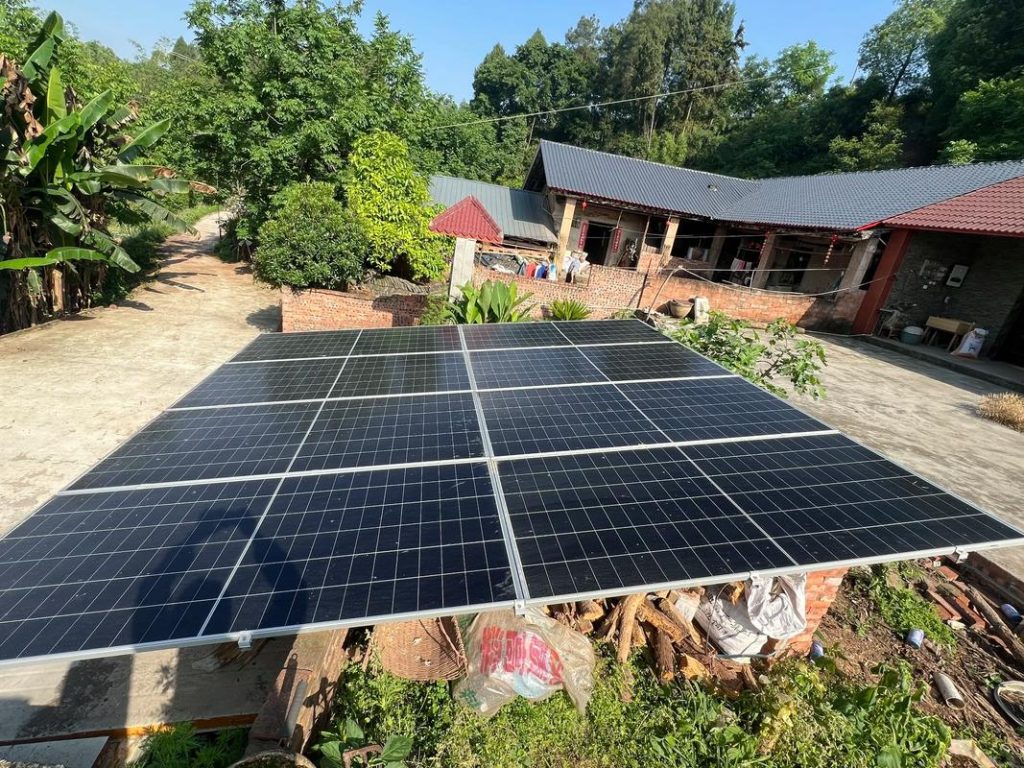
1. Rural Households: Energy Independence for Families
-
System Size: 3kW-10kW (with 5kWh-20kWh LiFePO₄ batteries).
-
Benefits: Powers lights, TVs, refrigerators, and phone chargers; eliminates kerosene lamp fumes (linked to respiratory diseases); enables children to study after dark.
-
Case Study: A family in Kenya replaced a diesel generator with our 5kW system. Annual savings: $1,200 (fuel + maintenance). CO₂ reduction: 6 tons/year.
2. Telecom Towers: Keeping Remote Communities Connected
-
Challenge: 40% of telecom towers in Sub-Saharan Africa are off-grid, relying on diesel generators that fail during fuel shortages.
-
Solution: 20kW-50kW systems with 50kWh-100kWh batteries, designed to power towers 24/7.
-
Result: A Nigerian tower operator cut fuel costs by 70% and improved signal uptime from 85% to 99.9%.
3. Agricultural Operations: Irrigation and Cold Storage
-
Irrigation Pumps: 10kW systems with 15kWh batteries power submersible pumps for 8-10 hours/day, enabling year-round farming.
-
Cold Storage: 15kW systems with 30kWh batteries keep vaccines and produce fresh in off-grid clinics and markets.
4. Emergency Response: Disaster Relief Power
-
Portability: Foldable 2kW-5kW systems with carry handles, deployed within hours of disasters (earthquakes, floods) to power medical tents, communication hubs, and water purifiers.
Why Off-Grid Solar Storage Beats Diesel Generators: A Data-Driven Comparison
For remote users, the choice between solar storage and diesel generators boils down to cost, reliability, and sustainability. Here’s how our 10kW off-grid system stacks up against a comparable diesel generator:
| Metric | Off-Grid Solar Storage System | Diesel Generator (10kW) | Advantage for Remote Users |
|---|---|---|---|
| Initial Cost | 12,000-15,000 | 8,000-10,000 | Higher upfront cost offset by long-term savings |
| Annual Operating Cost | $200 (maintenance) | 6,000-8,000 (fuel) | 97% lower operational expense |
| Lifespan | 15-20 years (batteries: 10+) | 5-7 years | 2-3x longer lifespan |
| CO₂ Emissions | 0 (clean energy) | 8 tons/year | Eliminates air pollution |
| Fuel Dependency | None | Critical (supply risks) | No fuel storage/handling needed |
| Noise Level | Silent | 85-100 dB (harmful) | Quiet operation for homes/clinics |
Choosing the Right Off-Grid System: A Step-by-Step Guide
Selecting a system requires matching capacity to energy needs. Follow these steps:
Step 1: Calculate Daily Energy Consumption
List all appliances (e.g., fridge: 150W, 8h/day; lights: 50W, 5h/day) and sum watt-hours (Wh):
Example: (150W×8h) + (50W×5h) = 1,200 + 250 = 1,450 Wh/day = 1.45 kWh/day.
Step 2: Determine Autonomy Days
Choose 2-3 days of backup (for cloudy periods). For 1.45 kWh/day and 2 days: 1.45×2 = 2.9 kWh battery capacity. Add 20% buffer: 3.5 kWh.
Step 3: Size Solar Panels
Calculate panel output needed to recharge batteries and run loads. Assuming 4 peak sun hours/day:
Panel Wattage = (Daily Consumption + Battery Recharge) / Peak Sun Hours
= (1.45 kWh + 0.5×3.5 kWh) / 4 = (1.45 + 1.75)/4 = 0.8 kW = 800W.
Step 4: Select Inverter Capacity
Inverter should handle peak load (e.g., fridge + TV + fan = 300W + 100W + 50W = 450W). Choose 1.5x peak load: 700W inverter.
Our Off-Grid System Advantages: Built for Remote Challenges
At [Your Company Name], we engineer systems to thrive in harsh conditions:
-
Modular Design: Start with a 3kW system and expand to 50kW as needs grow.
-
Extreme Weather Resistance: Panels withstand 2400Pa snow/3600Pa wind; batteries operate at -20°C.
-
Local Support: Train technicians in target regions; stock spare parts in regional warehouses (Africa, Southeast Asia).
-
Certifications: IEC 62109 (safety), CE, TÜV, and ISO 9001 (quality).
Future-Proofing Off-Grid Energy: Hybrid Systems and AI
We invest in next-gen tech to enhance reliability:
-
Hybrid Solar-Wind Systems: Combine solar panels with small wind turbines for regions with variable sunlight.
-
AI-Powered Optimization: Machine learning predicts energy demand and adjusts battery charging for maximum efficiency.
-
Recyclable Materials: 90% of components (aluminum, glass, lithium) are recyclable, aligning with circular economy goals.
FAQs: Answering Common Off-Grid Solar Questions
Q: How long do off-grid solar batteries last?
A: LiFePO₄ batteries last 10-15 years (6,000+ cycles) with proper care; lead-acid lasts 3-5 years.
Q: Can I add more panels or batteries later?
A: Yes—our modular systems allow easy expansion. Contact us for upgrade kits.
Q: What happens during prolonged cloudy weather?
A: Our systems include 2-3 days of battery autonomy. For longer outages, pair with a small backup generator (optional).
Q: Are these systems safe for children and pets?
A: Yes—batteries have built-in BMS protection, and inverters are enclosed in insulated casings.
Partner With a Leader in Remote Energy Solutions
[Your Company Name] has deployed 500+ off-grid systems across 30+ countries, from the Sahara Desert to the Amazon Rainforest. Our team provides end-to-end support:
-
Free site assessments and energy audits.
-
Custom system design and 3D modeling.
-
Training for local technicians.
-
24/7 remote monitoring and 5-year warranty.


No reply content