Introduction
In food processing plants, compressed air is often in direct or indirect contact with food products. It is used for conveying, mixing, cutting, packaging, sealing, and cleaning. Because of this, air quality is not just a technical issue—it is a food safety issue.
Many food manufacturers underestimate the risks associated with contaminated compressed air. Oil vapor, moisture, and microorganisms can compromise food quality, violate hygiene regulations, and lead to costly recalls. This is why choosing the right oil-free air compressor for food processing plants is critical.
This guide explains what food factories need to know before selecting an oil-free air compressor, from air quality standards and compressor types to system configuration and long-term operating costs.
Why Compressed Air Quality Matters in Food Processing
Compressed air is often referred to as an “invisible ingredient” in food production. It may come into contact with:
- Raw ingredients
- Semi-finished products
- Packaging materials
- Food-contact surfaces
If the compressed air contains oil or moisture, it can cause:
- Product contamination
- Bacterial growth
- Taste and odor issues
- Regulatory non-compliance
For food processors, poor air quality can damage both brand reputation and customer trust.
Food Industry Regulations and Air Quality Standards
International Standards to Know
Food processing plants typically follow:
- ISO 8573-1 (Compressed air purity classes)
- HACCP (Hazard Analysis and Critical Control Points)
- FDA and EU food safety guidelines
For critical food applications, compressed air should meet:
- ISO 8573-1 Class 0 or Class 1 for oil content
- Low moisture levels (pressure dew point control)
- Minimal particle contamination
What Is an Oil-Free Air Compressor?
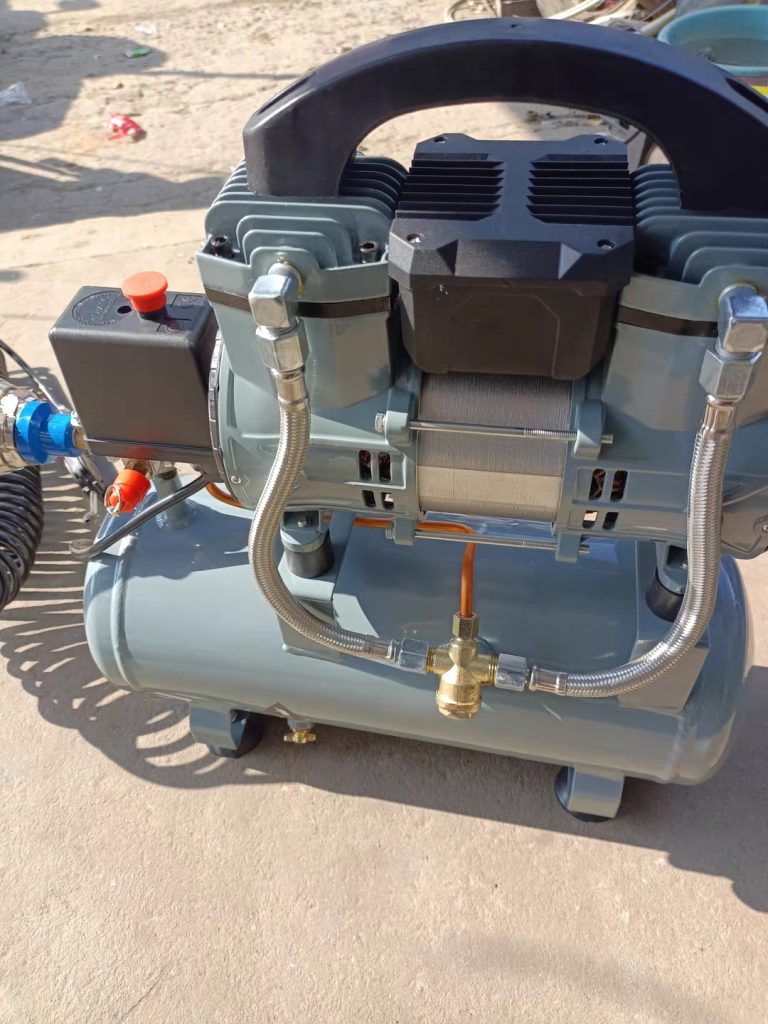
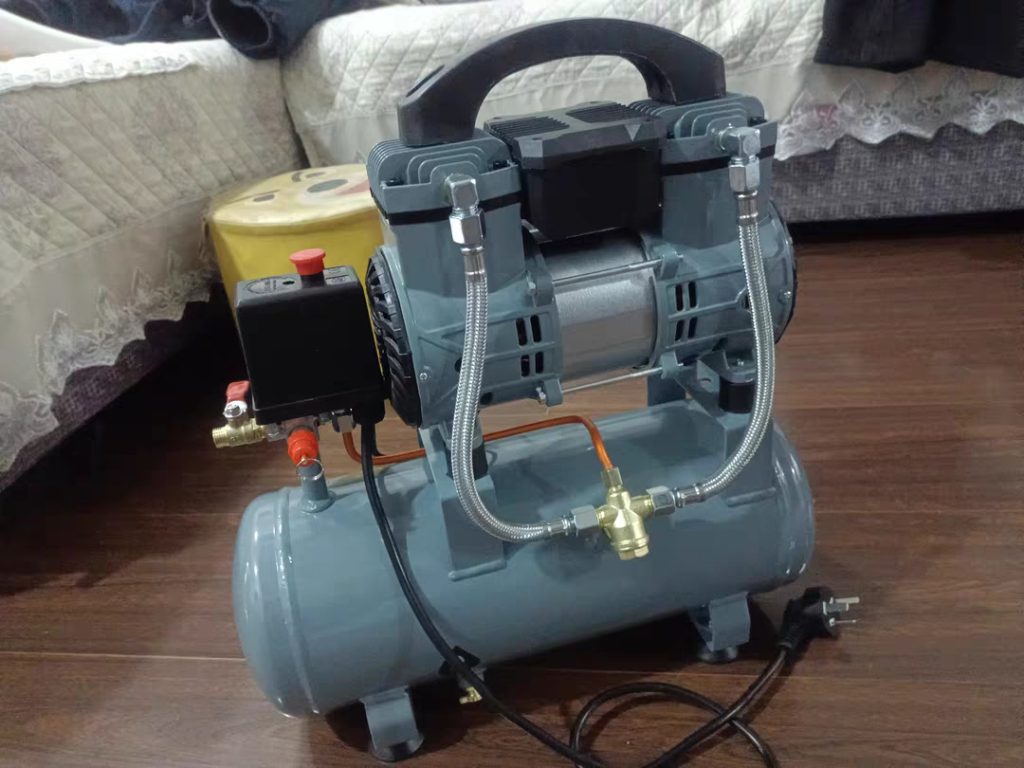
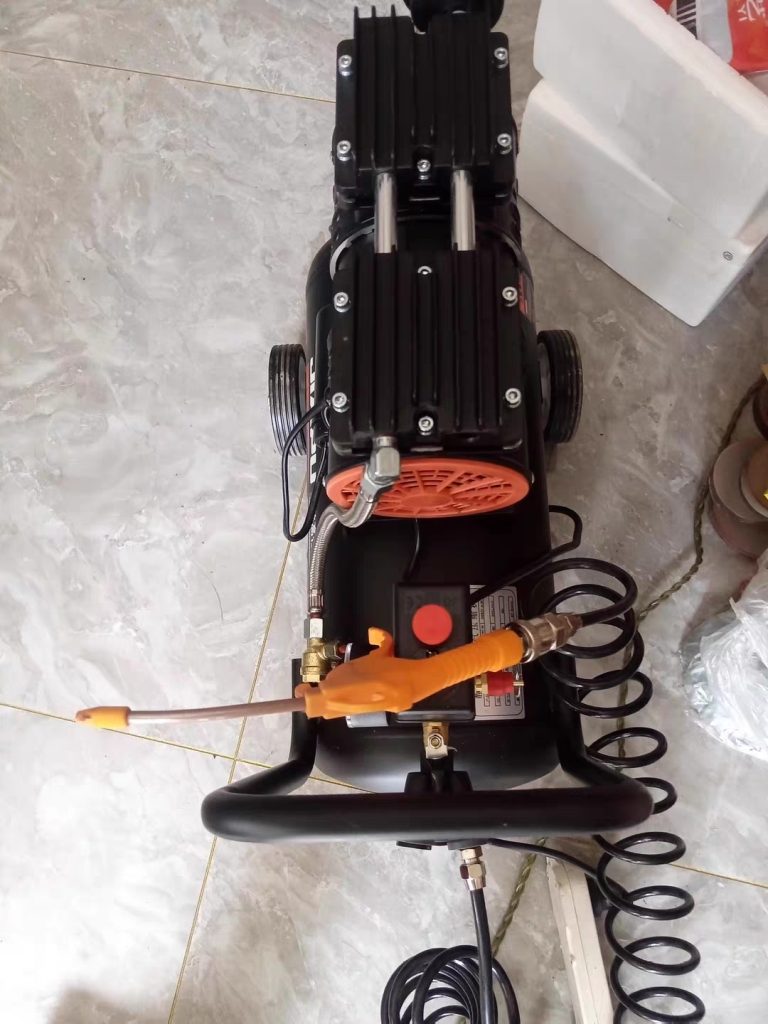
An oil-free air compressor is designed to compress air without oil in the compression chamber, ensuring that no oil vapor or aerosol enters the compressed air stream.
Unlike oil-injected compressors, oil-free models eliminate the risk of oil contamination at the source, making them suitable for sensitive food applications.
Types of Oil-Free Air Compressors for Food Plants
Oil-Free Rotary Screw Air Compressors
Best for: Medium to large food processing plants
Advantages:
- Continuous air supply
- High efficiency
- Stable pressure
- Suitable for 24/7 operation
Common applications:
- Beverage bottling lines
- Dairy processing
- Bakery production
- Packaging systems
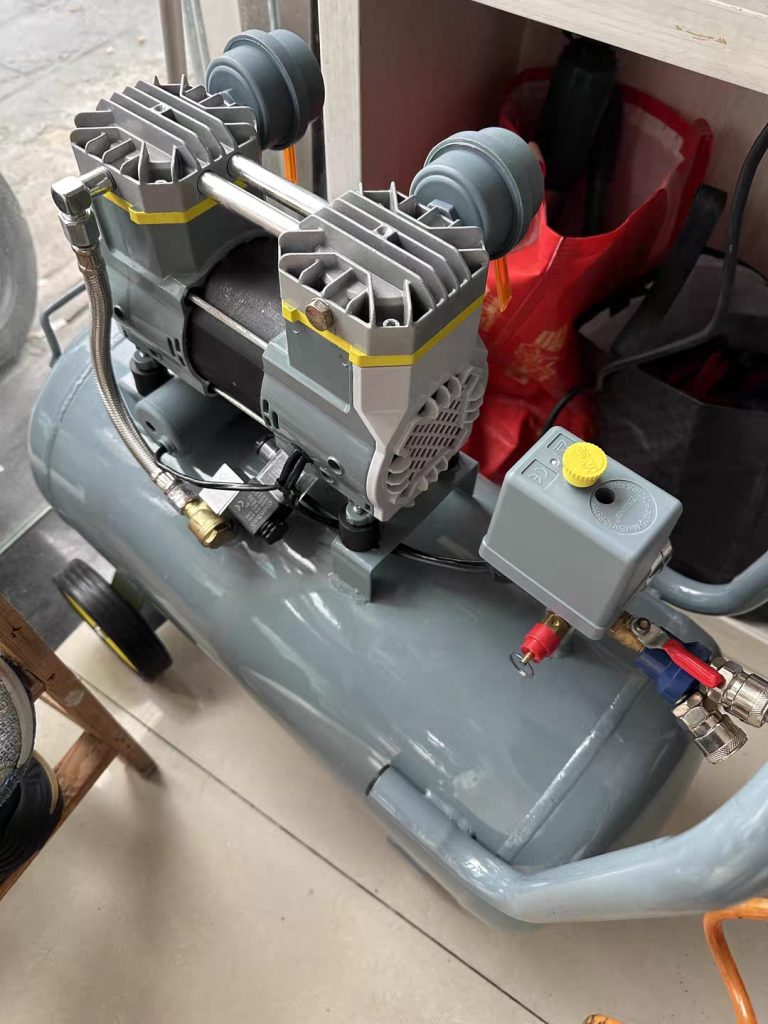
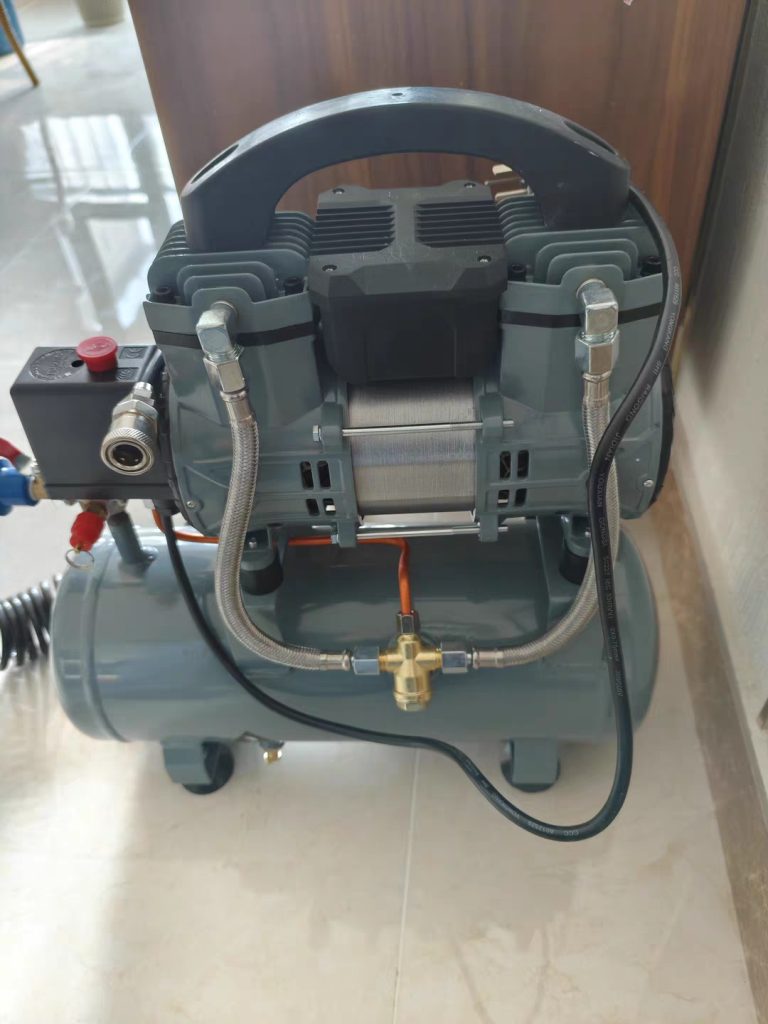
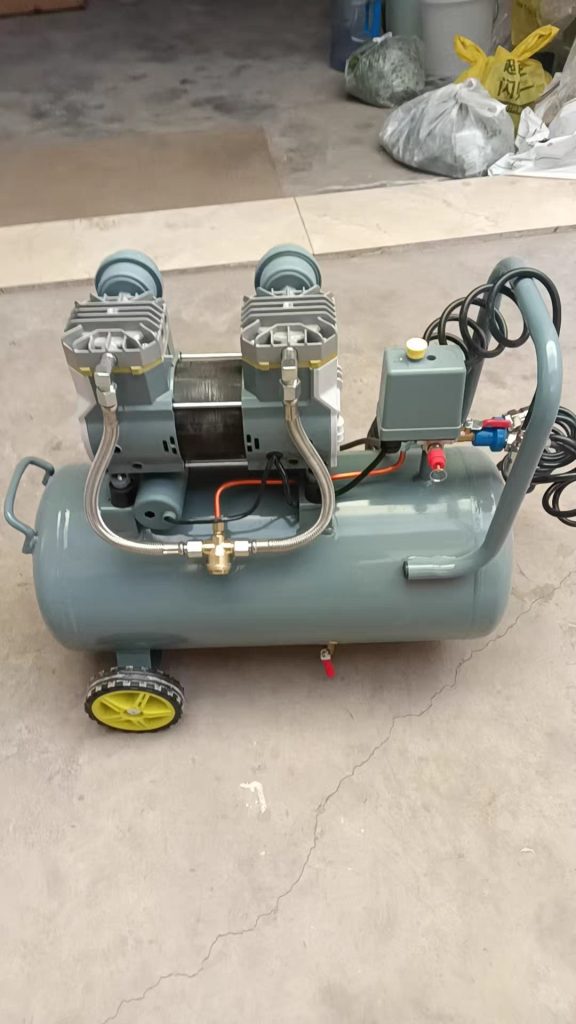
Oil-Free Piston Air Compressors
Best for: Small-scale or intermittent food applications
Advantages:
- Lower initial cost
- Simple structure
Limitations:
- Limited duty cycle
- Higher noise
- Not ideal for continuous production
Oil-Free Scroll Air Compressors
Best for: Small, clean, and quiet environments
Advantages:
- Extremely quiet operation
- Compact design
- Clean air output
Limitations:
- Lower airflow capacity
- Higher cost per unit airflow
Oil-Free vs Oil-Injected Compressors in Food Processing
Oil-Free Compressors
- Zero risk of oil contamination
- Simplified compliance with food safety standards
- Higher initial investment
Oil-Injected Compressors with Filtration
- Lower purchase cost
- Require multiple filters
- Still carry residual contamination risk
For direct food contact or critical packaging, oil-free compressors are strongly recommended.
Key Factors When Choosing an Oil-Free Air Compressor
1. Airflow Demand
Calculate total air consumption from:
- Filling machines
- Conveying systems
- Pneumatic valves
- Packaging equipment
Always include a 20–30% safety margin.
2. Operating Pressure
Most food processing equipment operates at:
- 6–8 bar
Avoid excessive pressure, as it increases energy consumption and wear.
3. Moisture Control
Moisture promotes microbial growth.
Recommended solutions:
- Refrigerated air dryers (general use)
- Desiccant dryers (high-hygiene applications)
4. Energy Efficiency
Food plants often operate long hours.
Energy-saving features include:
- IE3 / IE4 motors
- Variable Speed Drive (VSD)
- Optimized cooling systems
Recommended Compressed Air System for Food Plants
Typical Configuration
- Oil-free air compressor
- Air receiver tank
- Refrigerated or desiccant dryer
- High-efficiency sterile filters
- Condensate management system
This setup ensures clean, dry, and safe compressed air throughout the production process.
Noise and Installation Considerations
Food processing environments prioritize cleanliness and worker comfort.
Recommended features:
- Enclosed compressor design
- Low noise levels (below 70 dB)
- Stainless or coated components where applicable
Oil-free screw compressors are ideal for indoor installation.
Maintenance and Hygiene Requirements
Food plants require strict maintenance routines.
Key practices:
- Regular filter replacement
- Monitoring air quality
- Scheduled inspections
Oil-free compressors simplify hygiene management by eliminating oil-related risks.
Cost Considerations: Short-Term vs Long-Term
Initial Investment
Oil-free compressors cost more upfront than oil-injected models.
Long-Term Value
However, they reduce:
- Product contamination risks
- Regulatory compliance costs
- Maintenance complexity
For food processors, the total cost of ownership is often lower over time.
Real-World Food Processing Example
Beverage Bottling Plant
- Continuous operation (16–20 hours/day)
- High hygiene requirements
Recommended solution:
- Oil-free rotary screw air compressor
- Desiccant dryer
- Sterile filtration
Result:
- Stable production
- Compliance with food safety standards
- Reduced contamination risk
Common Mistakes Food Plants Make
- Relying only on filters instead of oil-free compression
- Ignoring moisture control
- Choosing compressors without certification
- Oversizing systems unnecessarily
These mistakes often lead to compliance issues and higher operating costs.
Manufacturer’s Perspective
As an air compressor manufacturer, we often work with food processors upgrading from oil-injected systems. The most common reason is not equipment failure, but risk control.
Food manufacturers increasingly choose oil-free solutions to protect their products, meet international standards, and maintain brand credibility.
FAQ: Oil-Free Air Compressors for Food Processing
Q1: Is oil-free air mandatory for all food plants?
Not always, but it is strongly recommended for direct contact and packaging applications.
Q2: Can oil-injected compressors be used with filters?
Yes, but filters cannot fully eliminate oil contamination risks.
Q3: How often should air quality be tested?
Regular testing is recommended, especially in critical applications.
Final Conclusion
Choosing an oil-free air compressor for food processing plants is not just a technical decision—it is a strategic investment in food safety, compliance, and brand protection.
By understanding air quality standards, selecting the right compressor type, and working with an experienced manufacturer, food processors can build a compressed air system that supports safe, efficient, and reliable production.


No reply content