
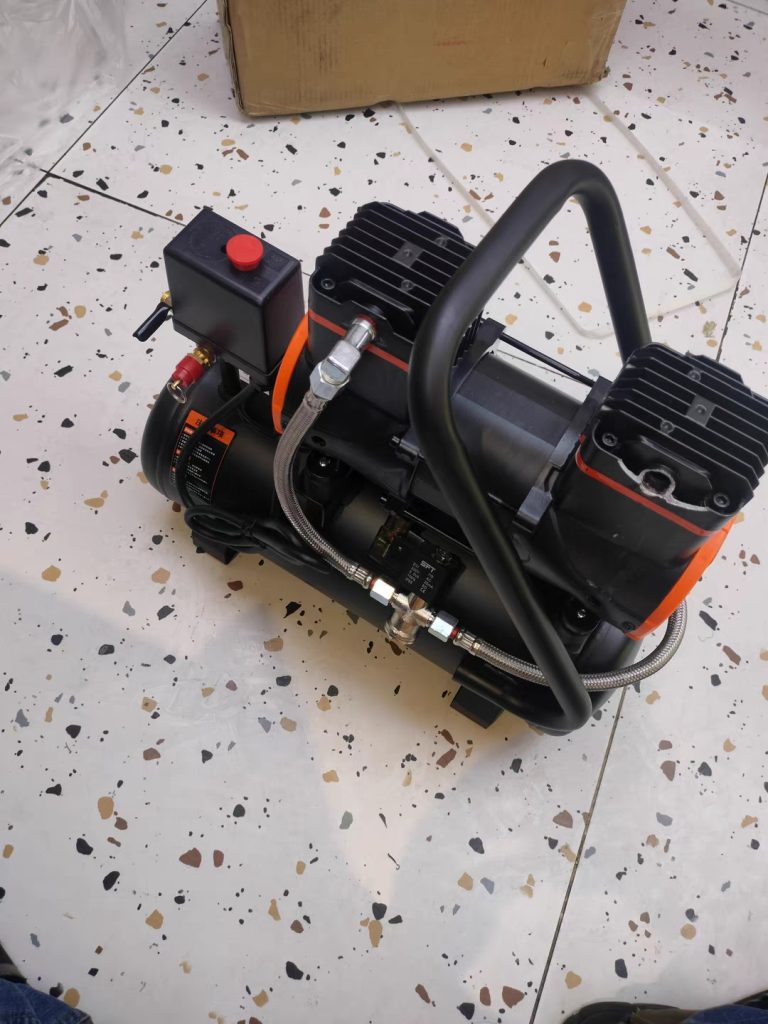
Industrial operations demand consistent, high-quality compressed air. Selecting the right supplier requires evaluating engineering expertise, long-term reliability, quality management systems, and lifecycle efficiency to ensure operational stability.
Introduction: Compressed Air as a Strategic Industrial Resource
Compressed air is an essential utility in manufacturing and processing industries. While many procurement decisions are price-driven, the most successful industrial buyers prioritize reliability, efficiency, and long-term support. Choosing a supplier based solely on cost can lead to frequent downtime, increased energy bills, and reduced equipment lifespan.
This article provides a structured, experience-based framework for evaluating air compressor suppliers, using E-E-A-T principles—Experience, Expertise, Authoritativeness, and Trustworthiness. It explains how to assess technical depth, quality processes, and lifecycle performance for industrial-grade compressors.
Section 1: Understanding the Key Types of Industrial Air Compressors
Before evaluating suppliers, industrial buyers should understand the main compressor categories:
1. Rotary Screw Compressors
- Designed for continuous operation in production environments
- Provide stable airflow and pressure
- Widely used in automotive, packaging, and electronics production lines
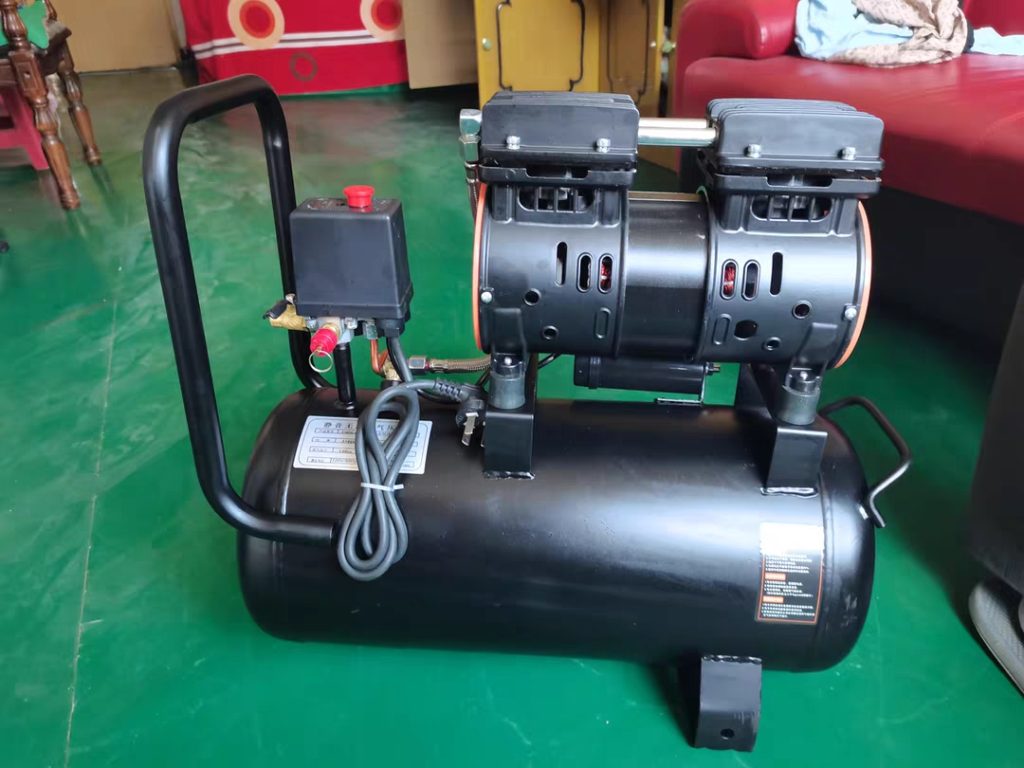
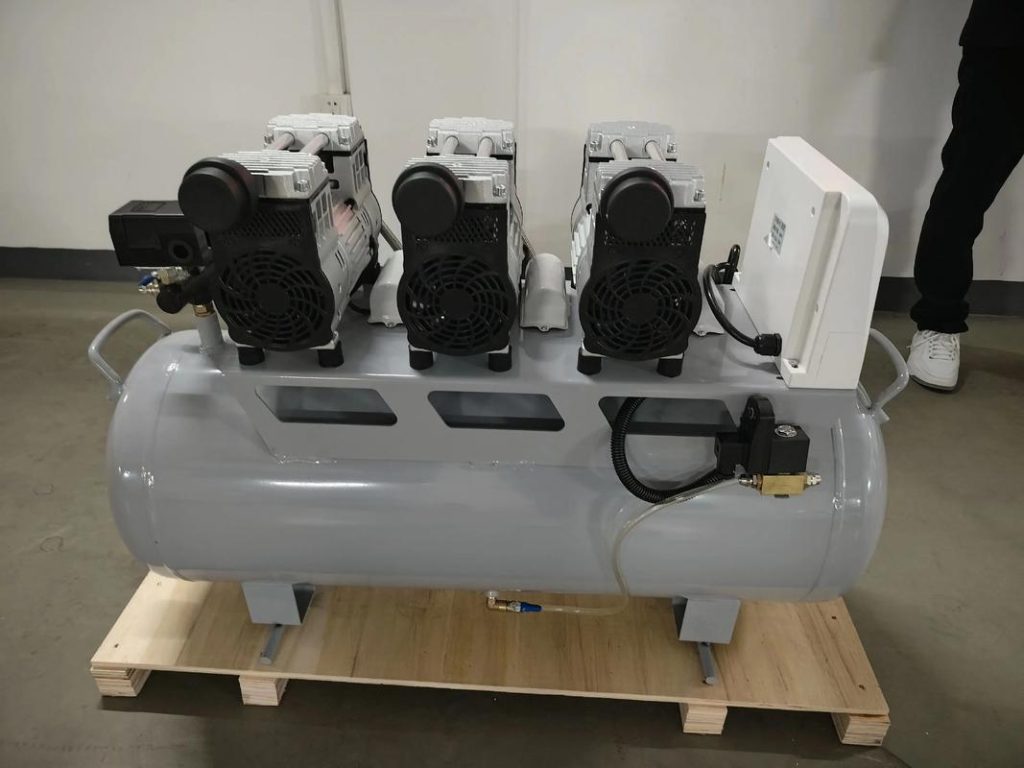
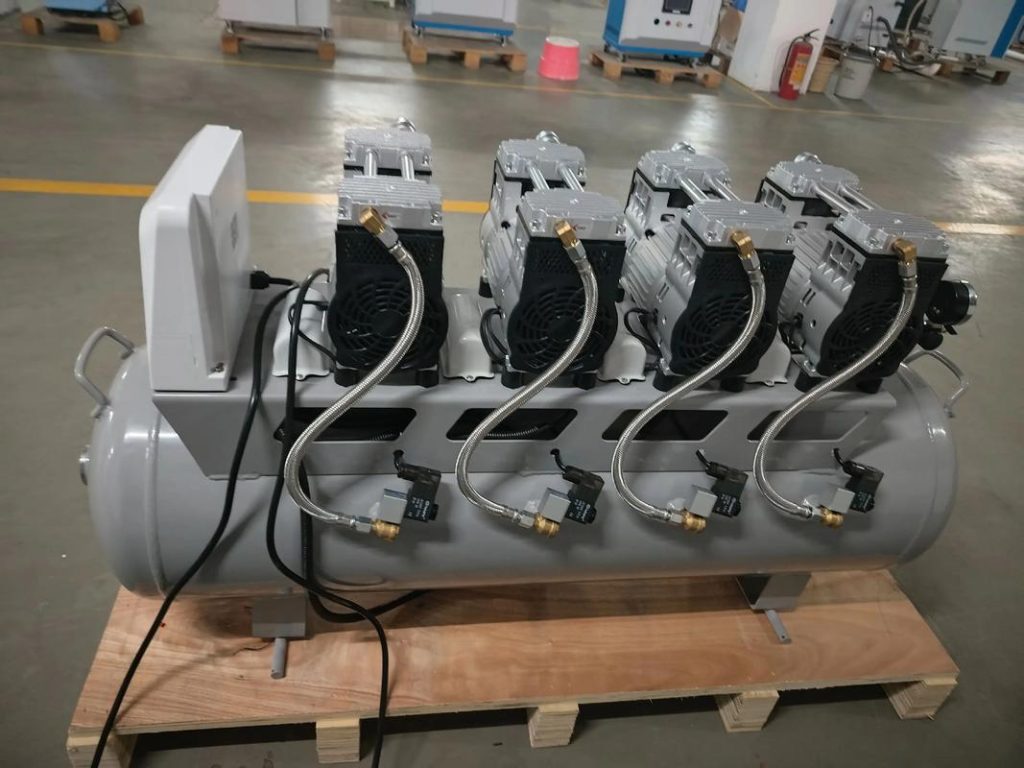
2. Oil-Free Compressors
- Essential for sensitive applications such as pharmaceuticals, food processing, and electronics
- Ensure pure, contaminant-free air
- Require precise manufacturing tolerances and strict quality control
3. Piston/Reciprocating Compressors
- Suitable for intermittent or low-volume applications
- Cost-effective for workshops and small factories
- Typically less efficient for continuous industrial operation
4. Portable Diesel Compressors
- Optimized for outdoor or construction applications
- Durable in harsh environments
- Provides mobility and flexibility for on-site operations
Understanding these types ensures that supplier evaluation aligns with the intended application.
Section 2: Experience – The Foundation of Reliable Supply
Experience matters because long-standing suppliers have encountered and solved industrial challenges over time.
Key indicators of real experience include:
- 10+ years of production in industrial compressors
- Proven capability to adapt products to various operating environments
- Iterative product design improvements
- Documented installations across multiple industries
Experienced suppliers typically refine:
- Rotor designs for optimal efficiency
- Cooling channels for thermal stability
- Oil-air separation mechanisms
- Vibration and noise reduction
Years of production exposure translate into predictable performance and operational reliability.
Section 3: Expertise – Engineering Depth and Technical Competence
Expertise separates assembly-based suppliers from engineering-driven ones.
Airend Design and Engineering
- Rotor precision machining and alignment
- Surface treatment for durability
- Bearing load distribution and dynamic balancing
- Pressure-flow optimization for energy efficiency
Energy Efficiency Optimization
- Specific power reduction (kW/m³/min)
- Integration of variable frequency drives
- Demand-based load adjustment
- Idle-loss reduction systems
Cooling System Design
- Optimized airflow for heat dissipation
- Oil and air temperature control
- Design for performance in extreme temperatures and humidity
Industrial suppliers with strong expertise can explain these technical factors quantitatively, not just theoretically.
Section 4: Authoritativeness – Standards, Certification, and Structured Management
Authoritativeness is established through systematic management and compliance, not marketing claims.
Indicators of authoritative suppliers include:
- ISO 9001 or equivalent quality management system
- Pressure vessel compliance documentation
- Electrical and safety standards verification
- Standard operating procedures with production traceability
A supplier with structured management ensures that performance is consistent across all manufactured units.
Section 5: Trustworthiness – Transparency in Quality Control and Processes
Trustworthy suppliers offer transparency in testing, documentation, and after-sales service.
Key quality control steps include:
- Raw material inspection
- CNC machining verification
- Assembly torque standardization
- Leak detection testing
- Full-load performance testing
- Continuous endurance evaluation
- Final inspection and documentation
- Export-ready packaging
Allowing third-party audits or virtual inspections adds an extra layer of credibility.
Section 6: Lifecycle Cost – The True Measure of Supplier Value
Initial purchase price is only part of the total cost.
Lifecycle costs include:
- Energy consumption
- Maintenance and service intervals
- Spare parts replacement
- Downtime costs
- Efficiency degradation over time
Energy consumption typically represents the majority of operating expenses. Suppliers providing energy-efficient, reliable compressors ensure lower total cost of ownership.
Section 7: After-Sales Support and Technical Infrastructure
A robust after-sales system protects industrial operations:
- Spare parts inventory and management
- Technical documentation and manuals
- Remote diagnostic capabilities
- Clear warranty policies
- Structured service response times
Suppliers with transparent support systems reduce downtime risk and improve operational continuity.
Section 8: Customization and Operational Flexibility
Industrial environments differ, and top-tier suppliers provide:
- Voltage and frequency customization
- Climate adaptation for extreme environments
- Control panel language localization
- Energy-saving system upgrades
- Remote monitoring and diagnostics
The ability to customize and adapt solutions reflects supplier maturity and engineering flexibility.
Section 9: Risk Assessment – Identifying Red Flags
Professional buyers recognize warning signs:
- Vague technical specifications
- Inconsistent or missing performance data
- Limited documentation on energy efficiency
- Unclear spare parts supply
- Poor communication
Identifying these risks early prevents operational disruptions and financial loss.
Section 10: Structured Supplier Evaluation Framework
A scoring system ensures objective evaluation:
| Category | Weight | Key Metrics |
|---|---|---|
| Manufacturing Experience | 20% | Years, industrial application cases |
| Technical Expertise | 25% | Engineering depth, airend performance |
| Compliance & Management | 15% | ISO certification, SOPs |
| Quality Control | 20% | Testing transparency, documentation |
| After-Sales Support | 10% | Spare parts, response time |
| Energy Efficiency | 10% | Specific power, operational consistency |
Structured evaluation outperforms subjective rankings, ensuring supplier selection aligns with industrial priorities.
Section 11: Professional Insights from Industrial Buyers
Industrial buyers prioritize:
- Stable air pressure and flow
- Low vibration and noise
- Predictable maintenance schedules
- Reliable spare parts availability
- Clear technical communication
Consistency over time is the primary indicator of supplier reliability.
Conclusion: Strategic Supplier Selection Ensures Sustainable Performance
Selecting an air compressor supplier is an infrastructure decision, not a simple purchase.
High-ranking suppliers demonstrate:
- Extensive industrial experience
- Strong engineering and technical expertise
- Structured quality management
- Transparent testing and documentation
- Reliable after-sales infrastructure
Evaluating suppliers through the E-E-A-T framework and focusing on lifecycle value ensures industrial operations remain efficient, stable, and cost-effective.
FAQ
Q1: Why prioritize engineering expertise over price?
Because efficiency and reliability reduce lifecycle costs significantly, far beyond initial purchase expense.
Q2: What defines a trustworthy supplier?
Transparent testing, documented procedures, and clear warranty policies indicate reliability.
Q3: Should lifecycle cost guide supplier selection?
Yes. Energy consumption, maintenance, and downtime typically outweigh initial equipment costs.
Q4: Are factory inspections necessary?
Yes. Physical or virtual audits validate manufacturing capability and quality assurance.
Q5: How can I evaluate technical depth?
Request performance curves, cooling system data, airend specifications, and detailed engineering explanations.


No reply content