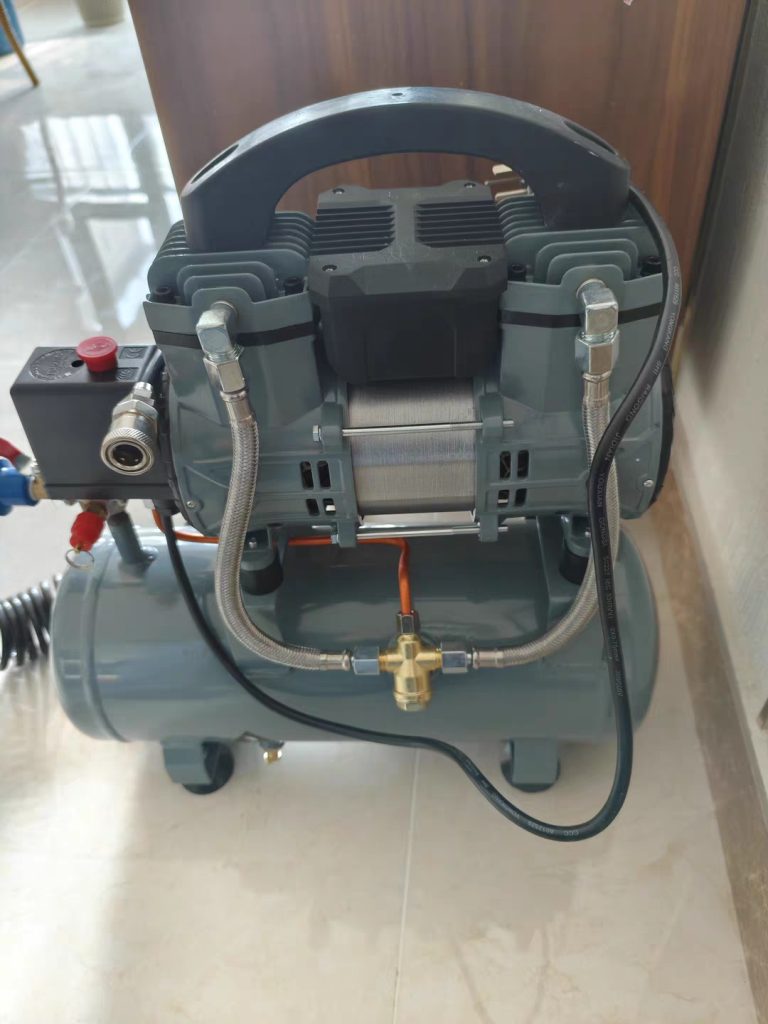
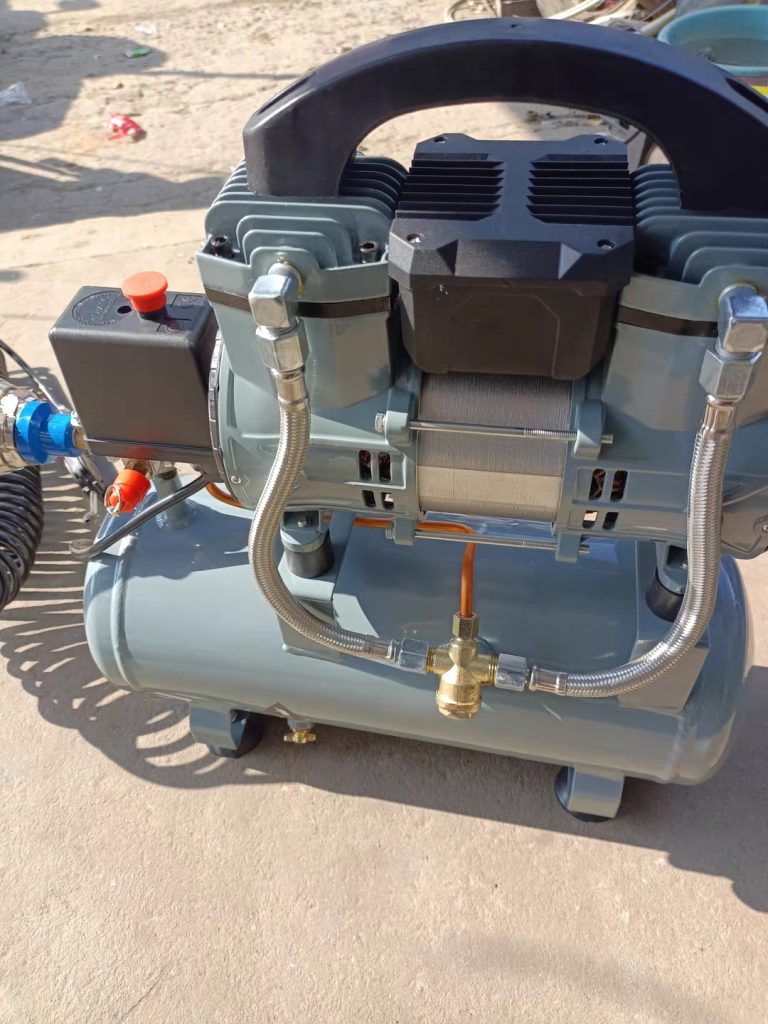
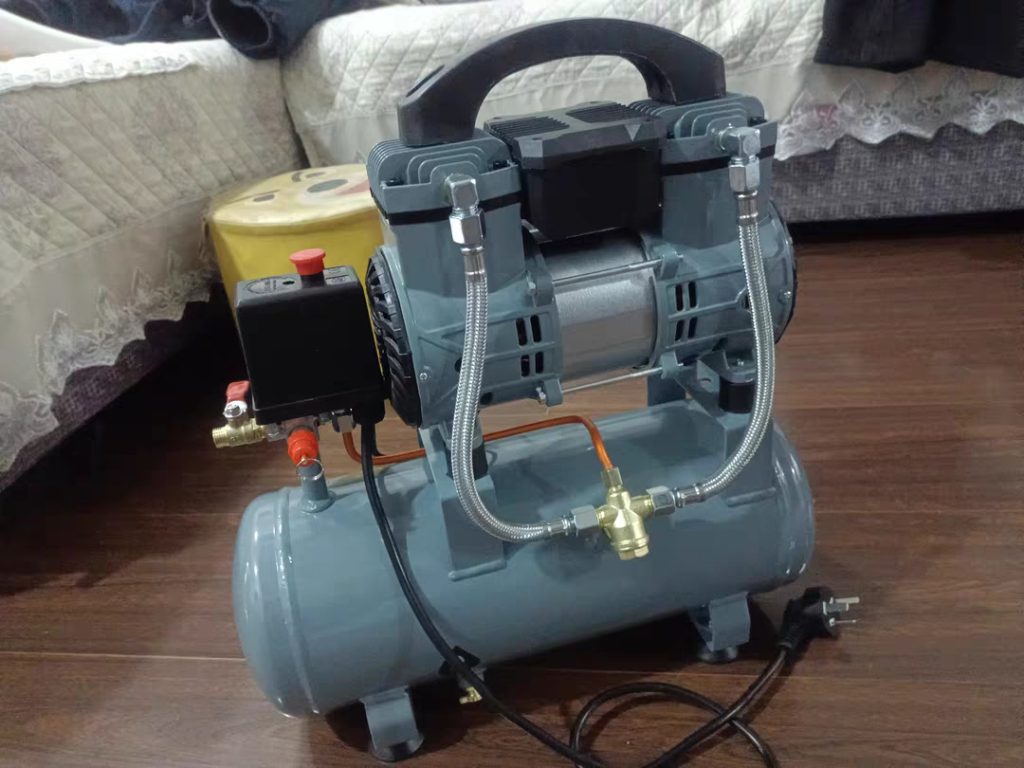
Compressed air is crucial for modern manufacturing. Selecting a reliable supplier requires examining technical expertise, production experience, quality assurance, and after-sales support to ensure long-term operational efficiency.
Introduction: Compressed Air as the Backbone of Manufacturing
Compressed air is essential for automation systems, robotics, packaging, and production lines. Many procurement decisions focus on upfront cost, but ignoring reliability and performance leads to energy inefficiency, frequent maintenance, and operational downtime. This human-written guide applies E-E-A-T principles—Experience, Expertise, Authoritativeness, Trustworthiness—to help industrial buyers choose the best air compressor suppliers.
Section 1: Understanding Industrial Air Compressor Types
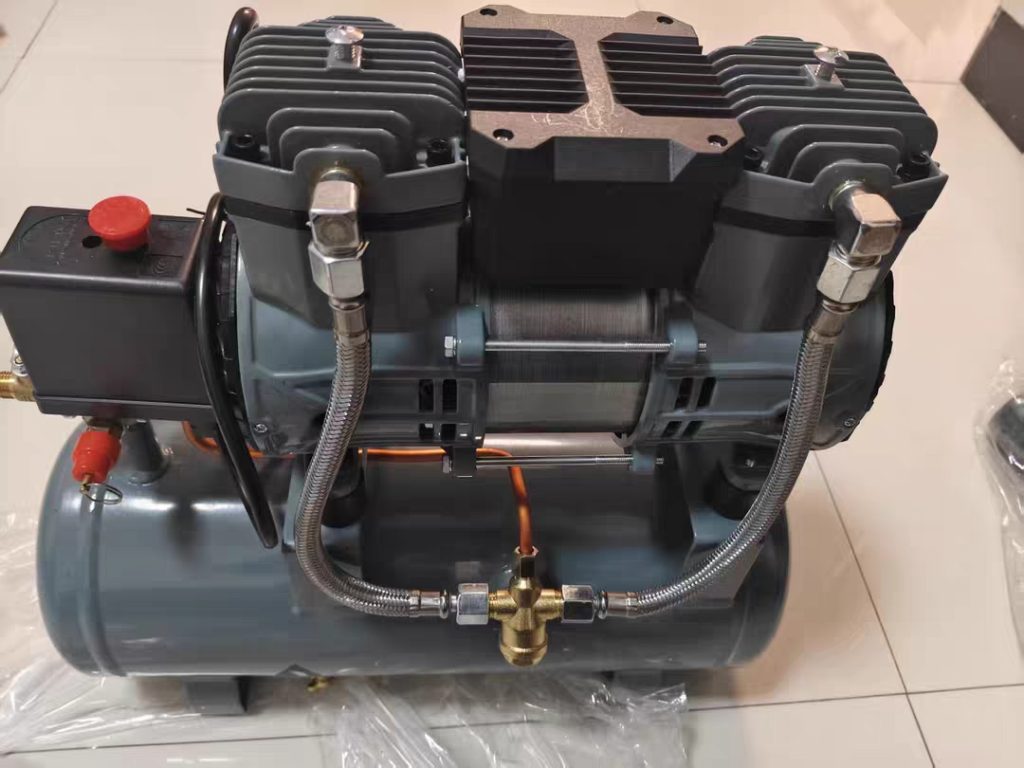
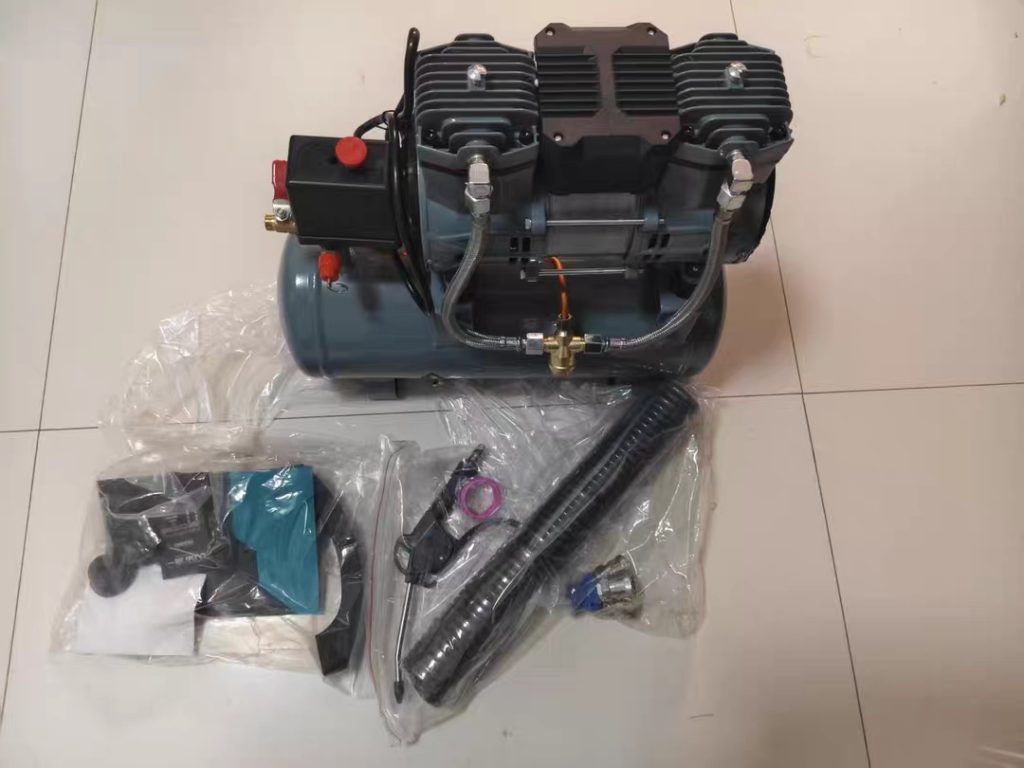
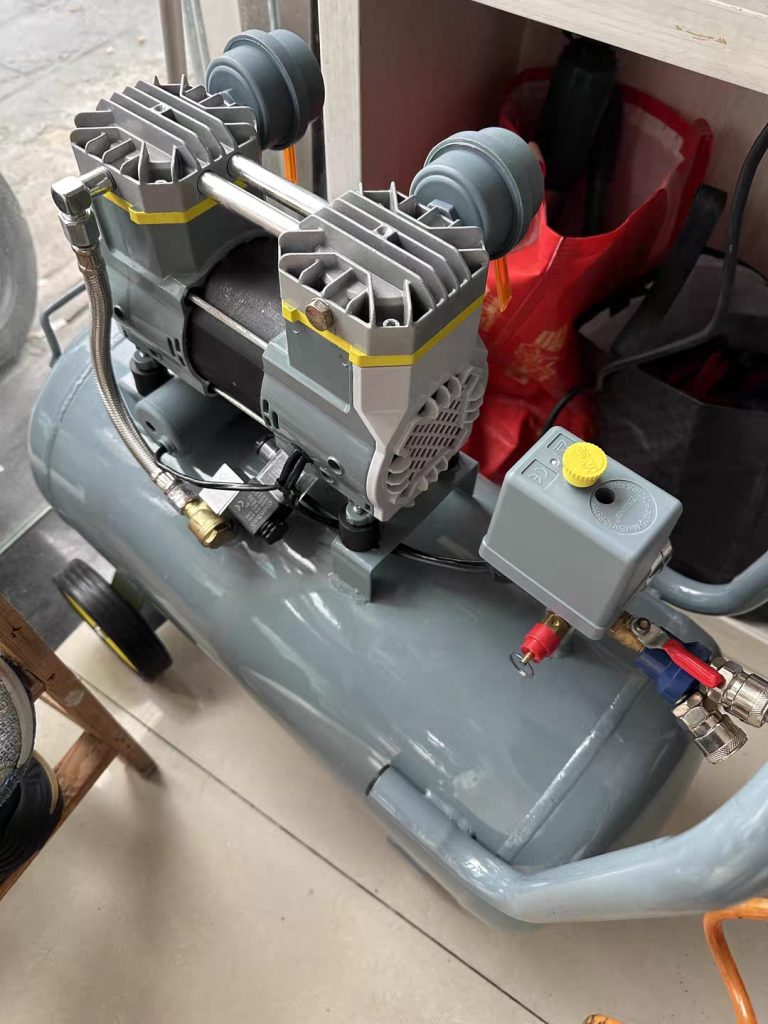
Industrial air compressors fall into four main types:
Rotary Screw Compressors
- Continuous operation, stable airflow
- High energy efficiency
- Ideal for automotive, electronics, and assembly lines
Oil-Free Compressors
- Essential for pharmaceutical, food, and electronics industries
- Deliver contaminant-free air
- Require precise manufacturing and advanced tolerances
Piston/Reciprocating Compressors
- Intermittent or low-volume use
- Cost-effective for workshops and small factories
- Less suitable for continuous industrial operations
Portable Diesel Compressors
- Outdoor and construction environments
- Mobile and durable
- Best for temporary or site-specific operations
Understanding these types allows buyers to match suppliers to operational requirements.
Section 2: Experience – Industrial Track Record
Experience is more than years—it reflects practical problem-solving and iterative improvement.
Indicators of experienced suppliers:
- 10+ years of industrial compressor production
- Iterative design improvements over multiple product generations
- Installations across diverse industrial environments
- Documented operational case studies
Experienced suppliers refine rotor design, cooling channels, oil separation, and vibration/noise reduction systems. Experience ensures long-term operational reliability.
Section 3: Expertise – Engineering Competence
Expertise differentiates suppliers that assemble components from those that engineer complete systems.
Airend Engineering
- Rotor precision and alignment
- Surface treatment for durability
- Bearing load distribution and dynamic balancing
- Pressure-flow optimization
Energy Efficiency
- Specific power optimization (kW/m³/min)
- Variable frequency drives for load matching
- Idle-loss reduction and demand-based energy control
Cooling System Optimization
- Efficient airflow and heat dissipation
- Oil and air temperature control
- Adaptation to extreme temperature and humidity conditions
Suppliers with engineering expertise provide quantitative data, not marketing claims.
Section 4: Authoritativeness – Structured Quality Management
Authoritative suppliers demonstrate structured management:
- ISO 9001 or equivalent quality systems
- Compliance with pressure vessel and electrical standards
- Standard operating procedures (SOPs) with traceability
- Detailed production documentation
Structured management ensures consistent product quality.
Section 5: Trustworthiness – Transparency in Operations
Trustworthy suppliers provide transparency:
- Technical specifications and documentation
- Noise and energy performance reports
- Continuous load and endurance tests
- Clear warranty and service policies
Quality control workflow:
- Material inspection
- CNC verification
- Assembly calibration
- Leak testing
- Full-load performance testing
- Endurance assessment
- Final inspection
- Export-ready packaging
Third-party or virtual audits enhance confidence.
Section 6: Lifecycle Cost Analysis
Total cost of ownership includes:
- Energy consumption
- Maintenance schedules and service intervals
- Spare parts replacement
- Downtime and lost productivity
- Efficiency degradation over time
Energy-efficient, reliable compressors reduce operational costs and improve ROI.
Section 7: After-Sales Support
Strong after-sales infrastructure ensures continuous operations:
- Spare parts availability
- Technical manuals and documentation
- Remote diagnostics
- Clear warranty and response times
Reliable support minimizes downtime and protects industrial investment.
Section 8: Customization and Flexibility
Advanced suppliers provide tailored solutions:
- Voltage/frequency adaptation
- Climate-specific configurations
- Control panel language localization
- Energy-saving upgrades
- Remote monitoring and diagnostics
Customization reflects engineering depth and operational maturity.
Section 9: Risk Assessment
Industrial buyers monitor for:
- Vague technical specifications
- Limited energy or performance data
- Poor spare parts supply
- Weak communication or support
- Unclear warranty terms
Early risk identification reduces operational and financial exposure.
Section 10: Structured Supplier Evaluation
Objective evaluation uses a scoring framework:
| Category | Weight | Key Metrics |
|---|---|---|
| Experience | 20% | Years, operational case studies |
| Expertise | 25% | Engineering depth, airend performance |
| Compliance | 15% | ISO certification, SOPs |
| Quality Control | 20% | Testing transparency, documentation |
| After-Sales Support | 10% | Spare parts, response time |
| Energy Efficiency | 10% | Specific power, operational stability |
Structured scoring ensures data-driven supplier selection.
Section 11: Insights from Industrial Buyers
Buyers prioritize:
- Stable air pressure and flow
- Low operational noise
- Predictable maintenance schedules
- Reliable spare parts supply
- Transparent technical communication
Consistency is the best indicator of supplier value.
Conclusion: Ensuring Long-Term Industrial Success
Selecting an air compressor supplier is a strategic, long-term decision. Reliable suppliers demonstrate:
- Proven industrial experience
- Deep technical expertise
- Structured quality and management systems
- Transparent documentation
- Robust after-sales support
Final Insight: Applying E-E-A-T principles and focusing on lifecycle performance ensures efficient, reliable, and cost-effective industrial operations. Strategic supplier selection protects investments and fosters sustainable growth.
FAQ
Q1: Why prioritize technical expertise over cost?
Engineering depth ensures efficiency, reliability, and lower lifecycle costs.
Q2: What defines a trustworthy supplier?
Transparent documentation, testing, and clear warranty policies indicate reliability.
Q3: Should lifecycle cost guide supplier selection?
Yes. Energy, maintenance, and downtime often outweigh initial purchase costs.
Q4: Are factory inspections necessary?
Yes. Physical or virtual audits validate manufacturing and quality control.
Q5: How to evaluate technical depth?
Request airend specifications, performance curves, cooling system data, and quantitative explanations.


No reply content