China Customized OEM Arts & Crafts Gift Manufacturer
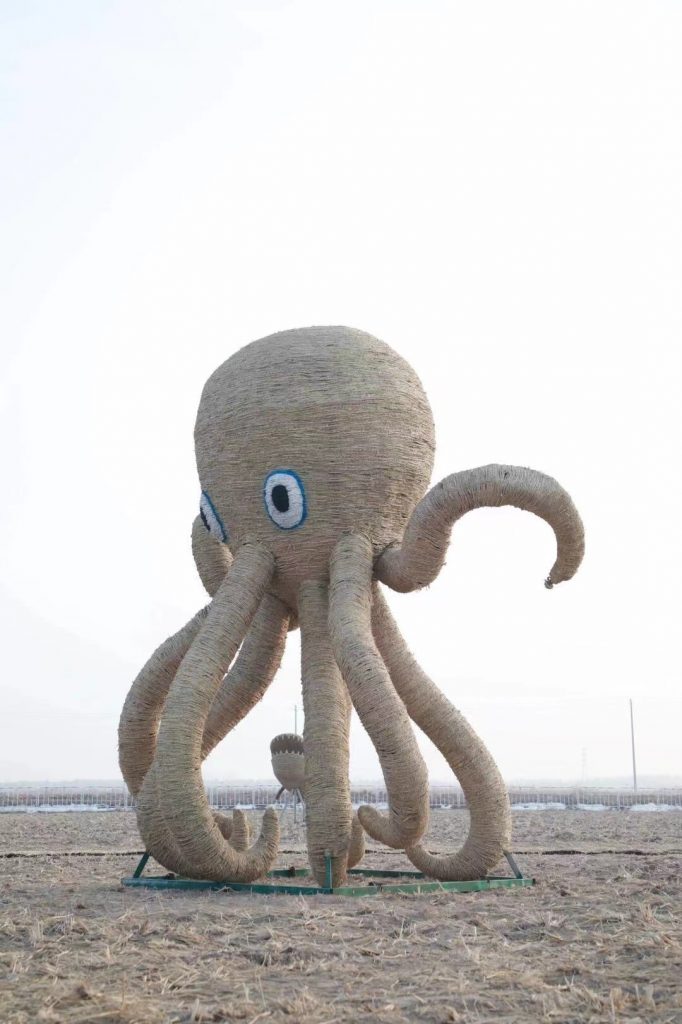
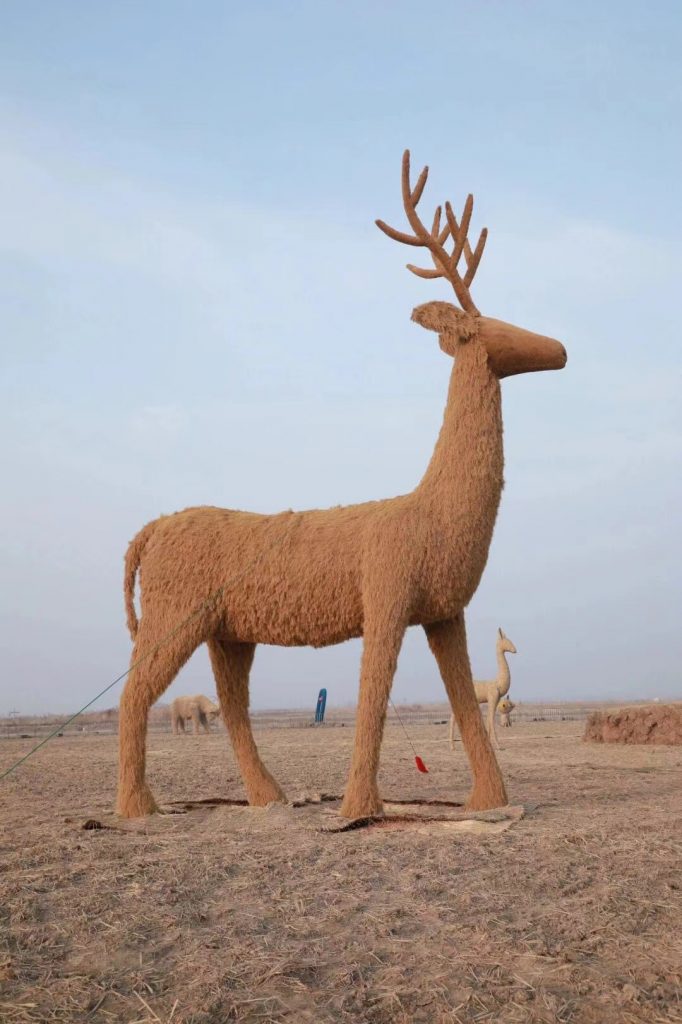
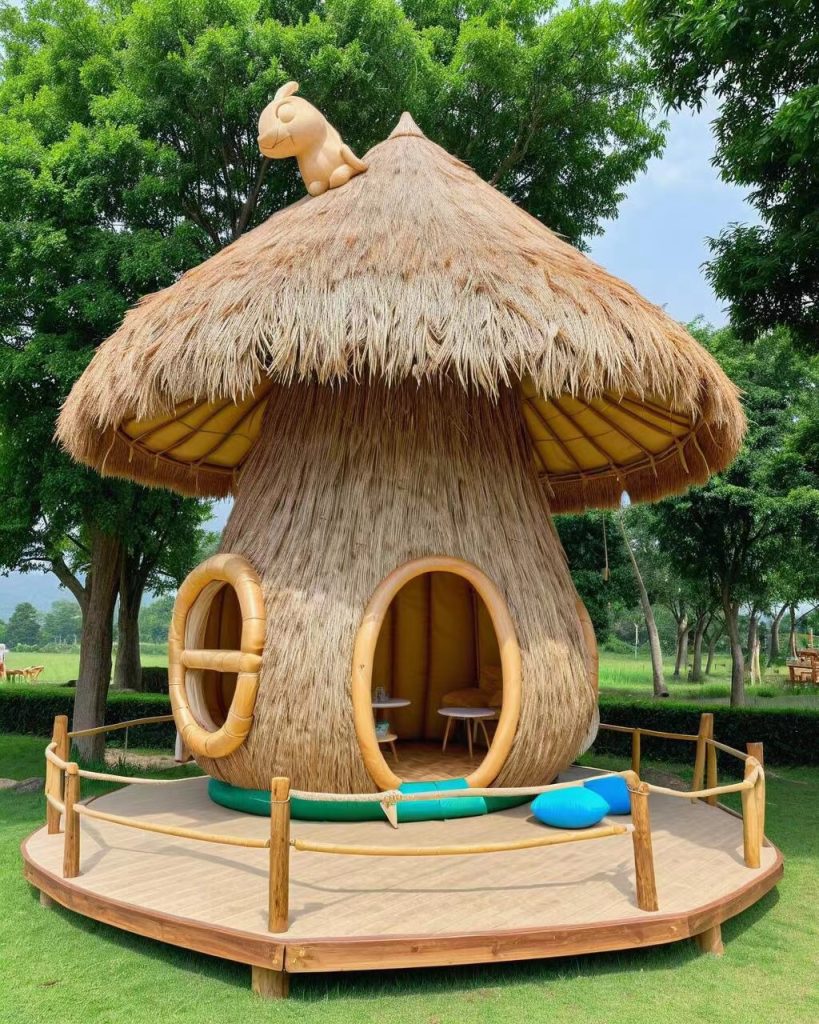
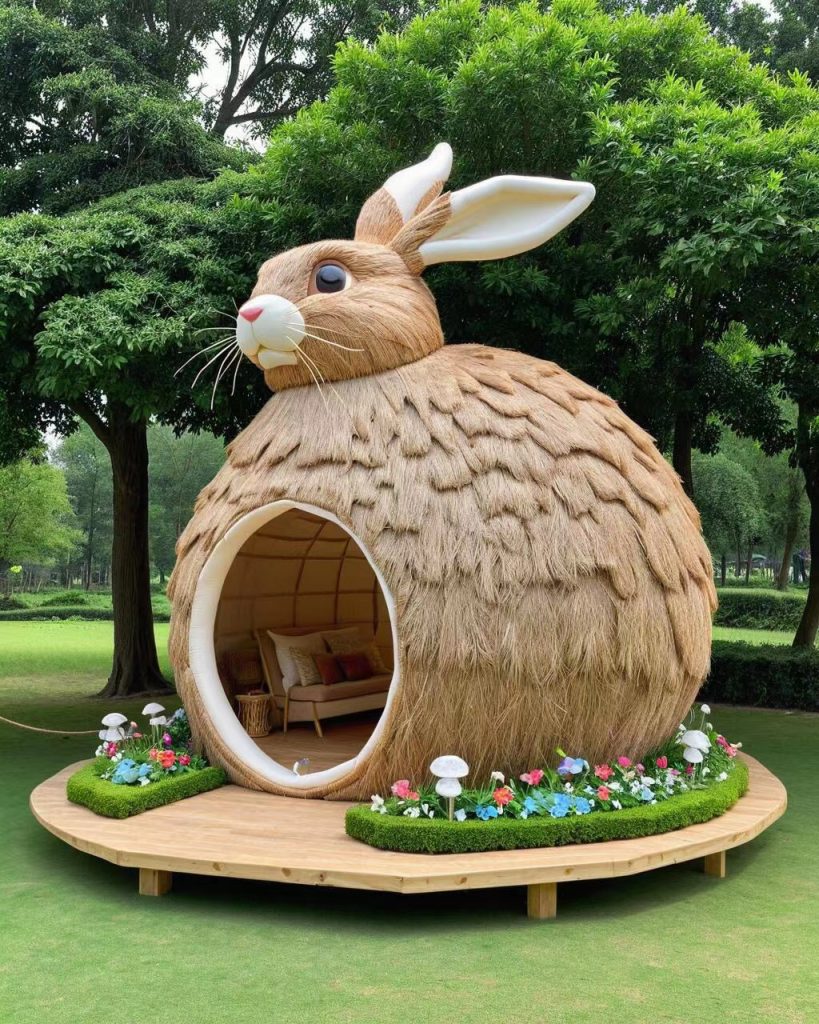
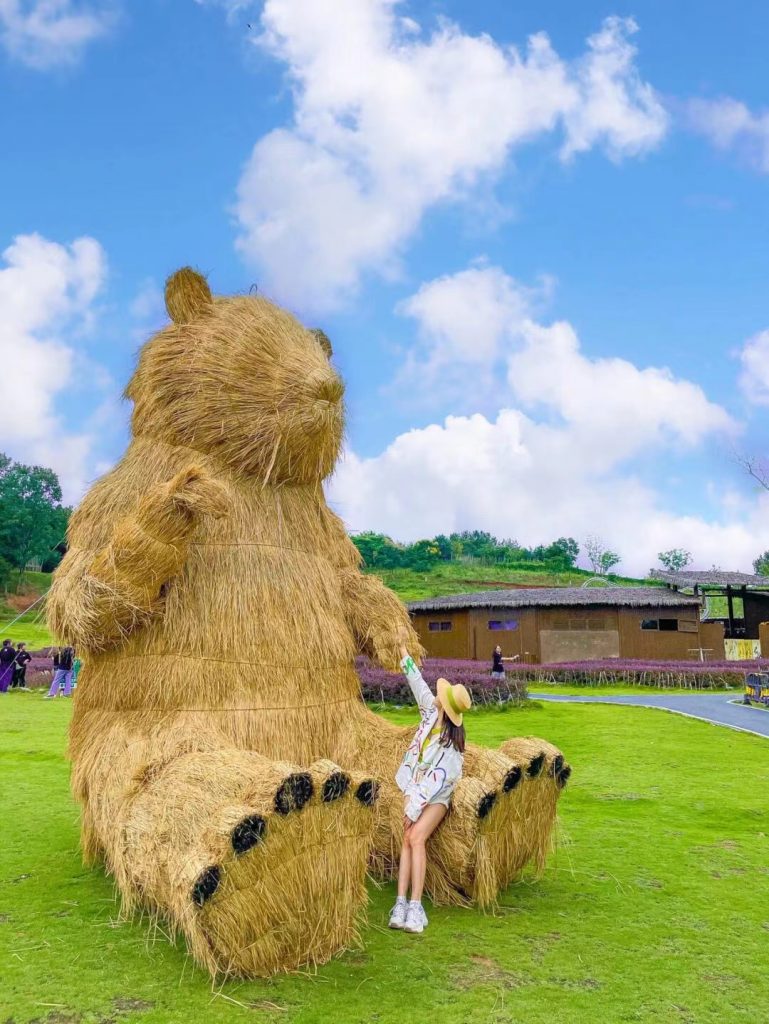
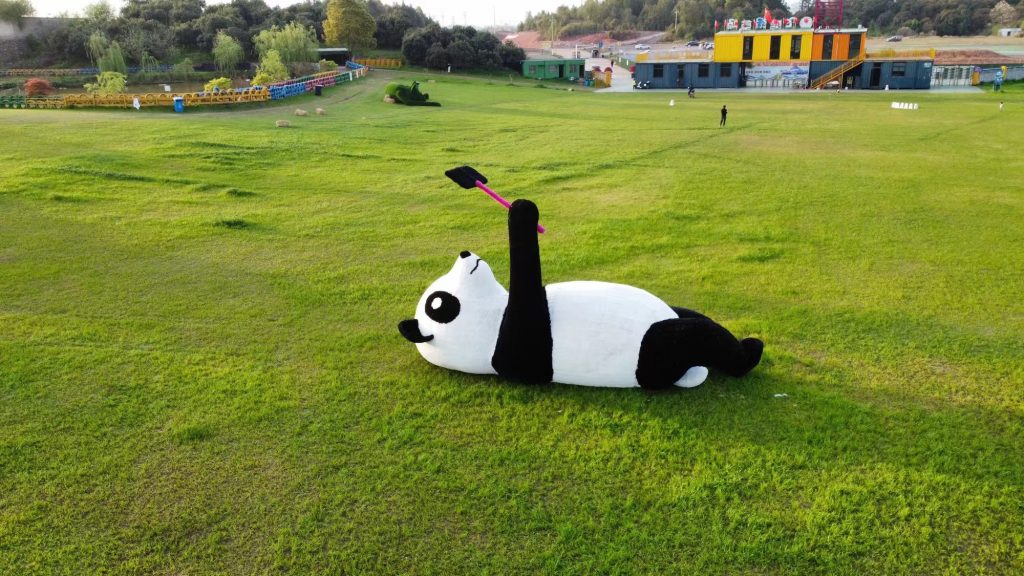
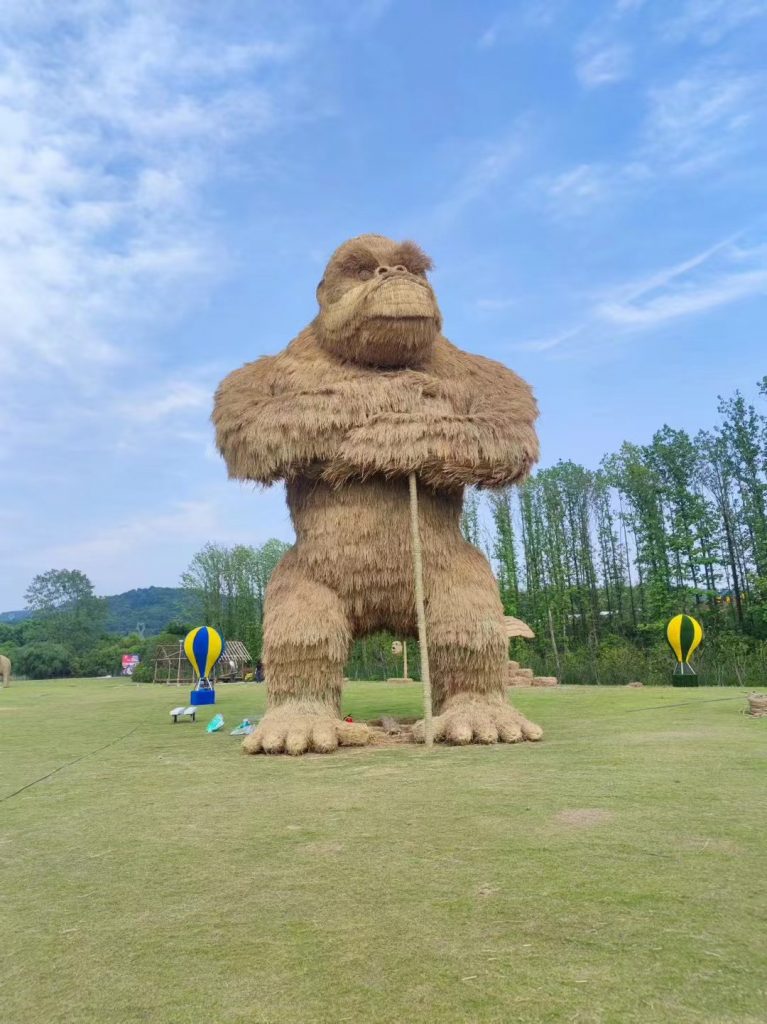
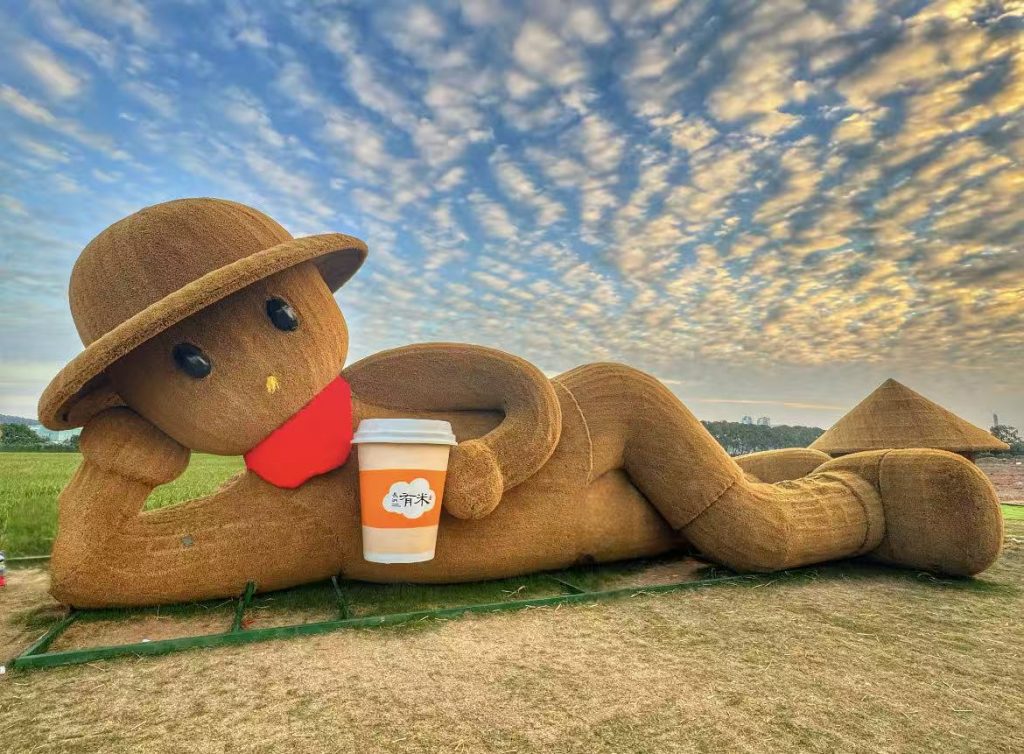
Outdoor cartoon animal statues are more than decorative ornaments—they are joyful ambassadors of imagination, transforming mundane landscapes into vibrant, interactive environments. Unlike realistic animal sculptures, which prioritize anatomical accuracy, cartoon versions exaggerate features (large eyes, playful poses, simplified shapes) to evoke emotion, nostalgia, and a sense of wonder. Designed for outdoor use, these statues must balance artistic charm with durability, standing up to sun, rain, and curious hands. This article explores the design philosophy, materials, manufacturing processes, and practical applications of outdoor cartoon animal statues, offering insights into how they enrich spaces for all ages. A detailed FAQ section addresses common questions for buyers, designers, and enthusiasts.
I. Defining Outdoor Cartoon Animal Statues: Beyond Realism
At their core, outdoor cartoon animal statues reinterpret animal forms through a lens of playfulness. Key characteristics distinguish them from traditional sculptures:
-
Exaggerated Features: Large, expressive eyes; oversized ears or tails; and simplified bodies (e.g., a round belly on a cartoon bear) amplify cuteness and recognition.
-
Dynamic Poses: Animals are often depicted in action—running, jumping, or interacting (e.g., a rabbit holding a carrot, a monkey swinging from a vine)—to convey energy.
-
Vibrant Colors: Bold, non-natural hues (bright blues, sunny yellows) or soft pastels replace realistic tones, making statues pop in outdoor settings.
-
Interactive Elements: Many include touch-friendly textures, sound effects (e.g., a chirping bird), or movable parts (e.g., a wagging dog tail).
These statues thrive in spaces where engagement matters: parks, zoos, children’s museums, and even corporate campuses aiming to soften their image.
II. Design Principles: Crafting Statues That Delight and Endure
Creating a successful outdoor cartoon animal statue requires balancing artistry with practicality. Below are guiding principles:
A. Cartoonish Expression: The Language of Simplicity
Cartoon animals rely on stylization to connect with viewers. Designers focus on:
-
Proportional Distortion: Enlarging heads relative to bodies (e.g., a 1:2 head-to-body ratio) enhances “cuteness,” a phenomenon known as the “baby schema.”
-
Line Economy: Smooth, clean lines replace complex details (e.g., a cat’s fur is suggested with a few curved strokes, not individual strands).
-
Emotional Cues: A raised paw (curiosity), a tilted head (confusion), or a wide grin (happiness) tell stories without words.
Example: A cartoon fox statue might have a bushy tail that doubles as a seat, with large ears that “perk up” when approached (via a hidden spring mechanism).
B. Environmental Integration: Harmonizing with Nature
A statue should feel like part of its surroundings, not an afterthought. Designers consider:
-
Scale: A 1-meter-tall squirrel fits a backyard; a 3-meter-tall elephant commands a public plaza.
-
Color Palette: Earthy tones (browns, greens) blend with forests; bright colors (oranges, pinks) stand out in urban parks.
-
Thematic Consistency: A zoo’s cartoon penguin statue might wear a tiny scarf, aligning with its Arctic exhibit.
C. Safety First: Designing for All Ages
Outdoor statues must be safe for children, pets, and wildlife:
-
Rounded Edges: No sharp corners or protrusions (e.g., a bear’s claws are smoothed).
-
Stable Bases: Wide, weighted foundations prevent tipping (critical for windy areas).
-
Non-Toxic Materials: Paints and coatings free of lead or phthalates.
D. Durability by Design: Preparing for the Elements
Outdoor exposure demands resistance to:
-
UV Radiation: Fading colors are avoided with UV-resistant paints.
-
Moisture: Materials like fiberglass or stainless steel resist rust and rot.
-
Temperature Swings: Flexible polymers prevent cracking in freezing conditions.
III. Materials: The Backbone of Outdoor Cartoon Statues
Choosing the right material is critical for longevity and aesthetics. Below are common options:
A. Fiberglass-Reinforced Polymer (FRP)
-
Pros: Lightweight, strong, and moldable into complex shapes (e.g., a cartoon octopus with curly tentacles). Resists UV and moisture.
-
Cons: Requires professional finishing to hide the fiberglass texture.
-
Use Case: Large outdoor statues (2–5 meters) in parks or resorts.
B. Resin/Plastic Compounds
-
Pros: Affordable, captures fine details (e.g., a cartoon mouse’s whiskers), and comes in vibrant colors.
-
Cons: Less durable outdoors (prone to cracking in extreme cold).
-
Use Case: Small to medium statues (0.5–2 meters) for private gardens or indoor/outdoor hybrid spaces.
C. Metal (Stainless Steel, Bronze, Aluminum)
-
Pros: Extremely durable (50+ years). Stainless steel offers a sleek, modern look; bronze develops a charming patina over time.
-
Cons: Heavy (requires reinforced foundations) and expensive.
-
Use Case: Public monuments or brand mascots (e.g., a cartoon lion for a bank’s entrance).
D. Eco-Friendly Composites
-
Pros: Made from recycled plastics, bamboo fibers, or bio-resins. Aligns with sustainability goals.
-
Cons: Newer materials with limited long-term durability data.
-
Use Case: Eco-parks or educational exhibits highlighting recycling.
E. Stone and Concrete (Limited Use)
-
Pros: Natural appearance and permanence.
-
Cons: Heavy, difficult to sculpt into cartoonish details, and prone to weathering. Rarely used for pure cartoon statues.
IV. Manufacturing Process: From Sketch to Sunlight
Creating an outdoor cartoon animal statue involves six key steps:
Step 1: Concept Development
-
Client Collaboration: Define the statue’s purpose (e.g., “zoo mascot,” “garden decoration”), size, and character traits (e.g., “playful otter”).
-
Sketching & 3D Modeling: Artists create 2D sketches from multiple angles, then build a 3D digital model using software like Blender or ZBrush.
Step 2: Prototype Creation
-
3D Printing: A small-scale prototype (1:10) is printed to check proportions and details.
-
Hand Adjustment: Artists refine the prototype by hand (e.g., adding texture to simulate fur).
Step 3: Mold Making
-
A silicone or fiberglass mold is created from the approved prototype. This mold will be used to cast the final statue.
Step 4: Material Casting
-
Liquid resin, FRP, or molten metal is poured into the mold. For large statues, sections are cast separately and later assembled.
Step 5: Surface Finishing
-
Painting: Multiple layers of UV-resistant, non-toxic paint are applied (airbrushing for gradients, hand-painting for details).
-
Coating: A clear sealant protects against scratches and fading.
Step 6: Installation & Testing
-
The statue is installed on a pre-built foundation (concrete, gravel, or helical piles).
-
Safety tests (stability, weight limits) and quality checks (color consistency, joint integrity) are performed.
V. Applications: Where Cartoon Animal Statues Thrive
A. Public Parks and Recreation Areas
-
Playgrounds: Statues of cartoon rabbits or bears with interactive elements (e.g., a slide built into a bear’s belly).
-
Zoos/Sanctuaries: Mascots that educate (e.g., a cartoon pangolin explaining its endangered status).
B. Private Gardens and Estates
-
Focal Points: A single large statue (e.g., a cartoon deer) anchors a flower bed.
-
Thematic Gardens: A “farmyard” set with cartoon cows, chickens, and pigs.
C. Educational Institutions
-
Schools: Statues of cartoon dinosaurs or insects to spark curiosity in young students.
-
Museums: Interactive exhibits (e.g., a cartoon beehive that “buzzes” when touched).
D. Commercial Spaces
-
Shopping Malls: Cartoon animal statues (e.g., a giant penguin) draw families to storefronts.
-
Corporate Campuses: Brand mascots (e.g., a cartoon eagle for an energy company) humanize office parks.
VI. Maintenance and Longevity: Keeping the Magic Alive
Proper care ensures statues remain vibrant for years:
A. Routine Cleaning
-
Wash with mild soap and water annually to remove dirt and pollen. Avoid abrasive cleaners (scratch surfaces).
B. Damage Repair
-
Minor Cracks: Fill with epoxy resin (color-matched to the statue).
-
Paint Fading: Touch up with UV-resistant spray paint.
-
Loose Parts: Reattach with stainless steel screws or adhesive.
C. Seasonal Checks
-
Before winter, inspect for frost damage (especially in resin statues). Apply a fresh coat of sealant if needed.
VII. Sustainability: Crafting Eco-Friendly Joy
Modern manufacturers prioritize sustainability:
-
Recycled Materials: Up to 70% of FRP or resin may contain post-consumer plastics.
-
Low-Waste Production: 3D printing minimizes material scraps.
-
Modular Design: Statues are built in sections for easy repair or recycling.
VIII. FAQ: Outdoor Cartoon Animal Statues
Q1: What materials are best for coastal outdoor statues?
A: Fiberglass-reinforced polymer (FRP) or 316L stainless steel. Both resist saltwater corrosion. Avoid untreated metals or porous stone.
Q2: Can statues be customized to match a specific cartoon style?
A: Yes. Provide reference images (e.g., a comic strip, animation frame), and designers will replicate the style’s line work, colors, and proportions.
Q3: Are cartoon animal statues safe for toddlers?
A: Absolutely. They feature rounded edges, non-toxic paints, and stable bases. Avoid statues with small detachable parts (e.g., buttons) if toddlers are present.
Q4: How long does it take to manufacture a custom statue?
A: Small (0.5–1m): 4–6 weeks. Large (2–5m): 8–12 weeks (includes prototyping and testing).
Q5: Can statues include interactive features like sound or movement?
A: Yes. Options include motion sensors (triggered sounds), solar-powered LEDs, or mechanical parts (e.g., a swinging tail). Discuss during design.
Q6: What is the typical cost range?
A: Small resin statues: $1,500–$5,000. Medium FRP statues: $5,000–$20,000. Large metal statues: $20,000+. Costs depend on size, material, and complexity.
Q7: How do I maintain an outdoor statue in winter?
A: Clean before freezing temperatures. For resin statues, wrap in burlap if extreme cold is expected. Avoid using salt near the base (damages materials).
Q8: Can I use a copyrighted cartoon character for a statue?
A: Only with explicit permission from the copyright holder (e.g., Disney, Pixar). Alternatively, create an original character inspired by the style.
Q9: What is the lifespan of an outdoor cartoon animal statue?
A: With maintenance: FRP/resin (10–15 years), stainless steel (50+ years), bronze (100+ years).
Q10: Do statues come with installation instructions?
A: Yes. Detailed guides include foundation requirements (e.g., concrete footing dimensions) and assembly steps. Professional installation is recommended for large statues.
Conclusion
Outdoor cartoon animal statues are more than art—they are catalysts for joy, learning, and connection. By blending whimsical design with durable materials, they transform ordinary spaces into extraordinary experiences. Whether welcoming visitors to a zoo, inspiring a child in a garden, or branding a corporate campus, these statues prove that imagination belongs outdoors. With proper care, they will continue to delight generations, serving as timeless reminders of the magic in simplicity.