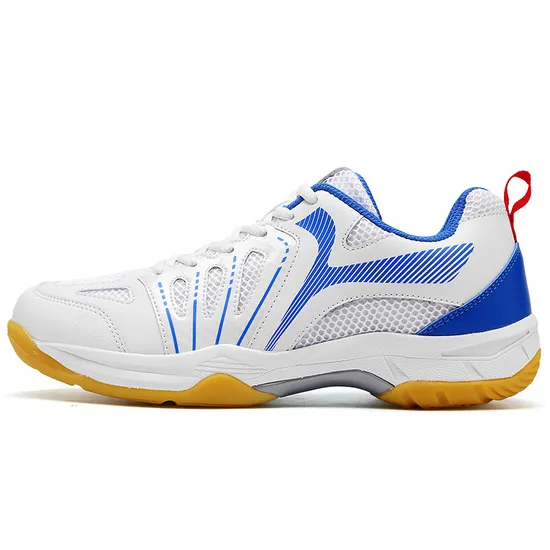

The global footwear industry is undergoing a major transformation, driven by rising consumer expectations, stricter environmental standards, and a shift toward responsible manufacturing. Ethical sourcing, traceable materials, and eco-friendly production are no longer optional—they have become foundational pillars that shape brand perception and long-term business strategy. Nowhere is this shift more evident than in China, where footwear factories are embracing sustainable technologies and ethical manufacturing practices to redefine what responsible shoe production looks like in 2026 and beyond.
China is already the world’s largest footwear production hub, but scale alone is no longer enough. What truly distinguishes the new generation of Chinese shoe factories is their ability to combine efficiency, innovation, ethics, and environmental responsibility. The rise of these factories marks a new era—one in which transparency, clean materials, and smarter manufacturing take center stage.
This article explores the evolution of ethical and sustainable footwear production in China, examining environmental innovation, advanced material development, fair labor initiatives, supply chain transparency, circular-economy models, and the future trajectory of the industry.
1. The Global Shift Toward Ethical and Sustainable Footwear
Traditional footwear production has long depended on resource-intensive materials, chemical-heavy processing, and large-scale manufacturing systems that generate waste and emissions. But in the past few years, consumer expectations have changed dramatically.
1.1 Conscious Consumers Shape Market Demand
Shoppers today want shoes that reflect their values—products that combine style, comfort, and responsibility. They ask where materials come from, how factories treat workers, and how a shoe impacts the environment during and after its lifecycle. This shift is especially strong among younger buyers who prioritize environmental stewardship and ethical production.
1.2 Regulatory Pressures Push Manufacturers to Evolve
Governments around the world are implementing policies targeting waste reduction, energy efficiency, and eco-friendly materials. These regulations influence suppliers directly, encouraging factories to adopt cleaner manufacturing technologies, reduce emissions, and ensure chemical safety.
1.3 Brands Seek Responsible Partnerships
To achieve corporate sustainability goals, global brands increasingly seek suppliers that can demonstrate ethical labor standards, transparent sourcing, and measurable environmental impact reduction. Chinese factories that invest in green systems and ethical frameworks are becoming preferred suppliers.
2. China’s New Model of Ethical Production
Modern footwear factories in China are moving far beyond traditional cost-driven production models. They are building work environments and manufacturing systems that reflect international expectations for fair labor, safe facilities, and human-centered operations.
2.1 Improved Workplace Conditions
Factories are upgrading equipment, rethinking workplace layouts, and incorporating ergonomic tools to reduce strain on workers. These improvements create safer, healthier, and more productive environments.
Key developments include:
- Better ventilation systems
- Natural lighting and energy-efficient LEDs
- Noise-reduction materials
- Regular safety training programs
- Expanded break areas and hydration zones
These upgrades demonstrate a long-term commitment to people, not just production speed.
2.2 Skill and Training Programs
With automation and sustainable technologies becoming central to production, workers receive continuous skill development opportunities. Training programs now include:
- Machine operation
- Quality inspection techniques
- Material-handling safety
- Digital control systems
Workers gain technical knowledge that ensures stable employment and helps factories meet higher quality requirements.
2.3 Ethical Hiring and Transparent Labor Practices
Modern factories prioritize fair hiring standards, reasonable working hours, and responsible production schedules. Transparent processes create trust with global buyers seeking ethical partnerships.
3. The Rise of Sustainable Materials in Chinese Footwear Manufacturing
Materials form the foundation of sustainable footwear. Chinese manufacturers are becoming leaders in developing eco-friendly, high-performance components.
3.1 Recycled Synthetic Fibers
Discarded plastics and textile waste are now transformed into durable fibers for shoe uppers, linings, and woven structures. The recycling process reduces reliance on virgin materials and encourages a circular approach to textile creation.
3.2 Bio-Leather and Plant-Based Materials
Eco-conscious consumers increasingly prefer shoes that avoid petroleum-based synthetic leather. Fast-growing research in China has accelerated the production of plant-derived alternatives, such as:
- Corn-fiber leather
- Natural latex blends
- Mushroom-based materials
- Bamboo cellulose textiles
These materials offer comfort, breathability, and reduced environmental footprints.
3.3 Eco-Friendly Midsole Foams
Traditionally, midsoles rely heavily on EVA foams derived from fossil fuels. New alternatives include:
- Sugarcane-derived EVA
- Blended natural rubber foams
- Recycled EVA granules
Factories calibrate these eco-foams to ensure cushioning, energy return, and flexibility remain uncompromised.
3.4 Natural Dyes and Low-Waste Coloration
Natural pigment technologies reduce water consumption and chemical use. Factories implement coloration systems relying on plant-based dyes and waterless dyeing processes that significantly lower wastewater discharge.
4. Green Manufacturing: Transforming the Shoe Factory Floor
A sustainable shoe is not only defined by its materials but also by how it is produced. China’s innovative factories are adopting environmentally responsible production technologies that dramatically reduce waste.
4.1 Precision Cutting and Automated Pattern Layout
Laser-guided cutting machines and pattern-optimization software minimize material waste by precisely arranging components before cutting. This approach can reduce scrap waste by more than a quarter in some production lines.
4.2 3D Knitting for Seamless Uppers
3D knitting systems create entire shoe uppers in a single piece using recycled yarns, eliminating the need for excess stitching and reducing off-cut waste. This technology also enhances fit, breathability, and comfort.
4.3 Waterless Processing and Clean Dyeing
Waterless dyeing machines use pressurized gases or advanced pigment infusion methods to apply consistent colors while saving thousands of liters of water per production cycle. This helps eliminate the environmental impact of traditional dyeing wastewater.
4.4 Energy-Efficient Factory Operations
Factories are adopting eco-efficient systems such as:
- Solar-powered energy grids
- Real-time energy monitoring
- Heat-recovery ventilation
- High-efficiency air compressors
These technologies lower operational emissions and reduce overall production costs.
4.5 Low-VOC Adhesives and Cleaner Bonding Techniques
Traditional footwear assembly relies heavily on solvent-based adhesives, which can release harmful volatile compounds. New factories use water-based, solvent-free, or low-VOC alternatives to create safer work environments and more eco-friendly shoes.
5. Building Transparency in the Footwear Supply Chain
Ethical production requires visibility across all stages of manufacturing. Chinese factories are implementing digital tools to make the supply chain more open and traceable.
5.1 Material Tracking From Source to Factory
Factories apply batch numbers, digital logs, and traceable identifiers to raw materials. Buyers can verify the origin of fabrics, foams, and components to ensure ethical and eco-friendly sourcing.
5.2 Real-Time Production Monitoring
Digital dashboards display production progress, machine efficiency, energy usage, and quality checks. This level of insight allows brands to understand how their products are created, promoting confidence and transparency.
5.3 Enhanced Quality and Compliance Documentation
Modern factories maintain comprehensive compliance records covering:
- Chemical safety
- Emission control
- Labor practices
- Waste management
- Material certifications
This boosts trust and demonstrates long-term commitment to responsible manufacturing.
6. Circular Economy Practices: Closing the Loop in Footwear Manufacturing
One of the most significant developments in China’s footwear industry is the adoption of circular economy principles.
6.1 Recycling Programs for Used Footwear
Factories are building systems to collect used shoes, separate their components, and recycle them into new materials such as:
- Rubber granules for outsoles
- Recycled foams for midsoles
- Re-spun fibers for uppers
This helps reduce landfill waste and supports long-term sustainability.
6.2 Zero-Waste Production Goals
Waste reduction is becoming a measurable objective rather than an abstract idea. Factories aim for:
- Reuse of fabric scraps
- Repurposing rubber waste
- Material recovery during cutting processes
- Streamlined packaging design
Some facilities have achieved near-zero waste during production cycles.
6.3 Modular Footwear for Repair and Longevity
Designers are creating shoes with replaceable components, such as interchangeable outsoles or removable cushioning layers. This reduces the need to discard entire shoes when only one component wears out.
7. Sustainable Packaging and Logistics
Eco-friendly footwear must also consider packaging and transportation.
7.1 Recyclable and Biodegradable Packaging
Factories have shifted to lighter, stronger packaging solutions including:
- Recycled cardboard
- Plant-fiber inserts
- Biodegradable bags
Lower material weight also helps reduce shipping emissions.
7.2 Transport Optimization
Factories use software to design packaging that increases container capacity, allowing more shoes to be shipped in fewer shipments. This reduces carbon emissions and improves cost efficiency.
8. Customization as a Sustainable Manufacturing Strategy
Customization does more than meet consumer preferences—it helps reduce waste.
8.1 On-Demand Production Reduces Overproduction
Instead of producing large quantities of each model, factories focus on:
- Small-batch production
- Made-to-order systems
- Rapid prototyping
This avoids wasteful overstock and improves sustainability.
8.2 Digital Design Tools Reduce Sampling Waste
3D design software allows customers to see their products without relying on physical samples. This saves materials and shortens development cycles.
9. Why China Leads the Future of Ethical and Sustainable Footwear Manufacturing
China’s advantages extend beyond manufacturing scale. Its leadership is driven by innovation, adaptability, and long-term investment.
9.1 Strong Industrial Ecosystems
Footwear clusters allow factories to collaborate with material labs, component suppliers, and logistics centers, accelerating sustainability development.
9.2 Investment in Research and Material Innovation
Factories work closely with R&D facilities to test new bio-materials, recycled compounds, and high-performance eco-friendly components.
9.3 Experienced Technicians and Modern Facilities
The combination of skilled workers and advanced machinery ensures that sustainable shoes maintain consistency, durability, and performance.
9.4 Government Support for Green Manufacturing
Environmental policies encourage energy efficiency, waste reduction, and material innovation—accelerating the adoption of sustainable practices.
10. The Future Outlook: China’s Path Toward a Fully Sustainable Footwear Industry
The next stage of innovation will bring forward new solutions that make sustainability even more central to shoe manufacturing. Among the most promising developments are:
- Fully biodegradable footwear built from mono-material structures
- AI-driven smart factories powered by clean energy
- Wider adoption of take-back programs
- Increased integration of naturally renewable fibers
- More advanced recycling infrastructures
- Environmental scoring labels for every footwear product
As these innovations unfold, China will continue shaping the global footwear industry’s green transformation.
Conclusion
Ethical and sustainable footwear manufacturing is far more than a global trend—it’s becoming the core of modern shoe production. China’s innovative factories are leading this transformation by combining ethical labor practices, transparent supply chains, eco-friendly materials, renewable energy systems, and circular-economy principles.
The rise of these factories signals a new era: one where responsibility and innovation go hand in hand, and where the future of footwear is defined not just by performance and style, but by its positive impact on people and the planet.


No reply content