
Introduction
Plastic buckets, also known as plastic pails, are one of the most versatile packaging and storage solutions across global industries. From construction and chemicals to food processing and agriculture, the demand for durable, lightweight, and cost-effective plastic buckets continues to grow worldwide.
For international buyers, importers, distributors, and private label brands, sourcing plastic buckets directly from reliable manufacturers in China offers significant cost advantages, customization flexibility, and scalable production capacity.
In this comprehensive SEO-optimized guide, we will cover:
- Types of plastic buckets
- Materials and manufacturing processes
- Food-grade vs industrial-grade standards
- Custom OEM/ODM solutions
- Global export considerations
- How to choose a reliable Chinese plastic bucket manufacturer
- Wholesale pricing strategies
- Frequently asked questions for importers
If you are searching for plastic bucket manufacturer in China, wholesale plastic pails supplier, or OEM plastic bucket factory, this guide will help you make an informed sourcing decision.
1. What Is a Plastic Bucket?
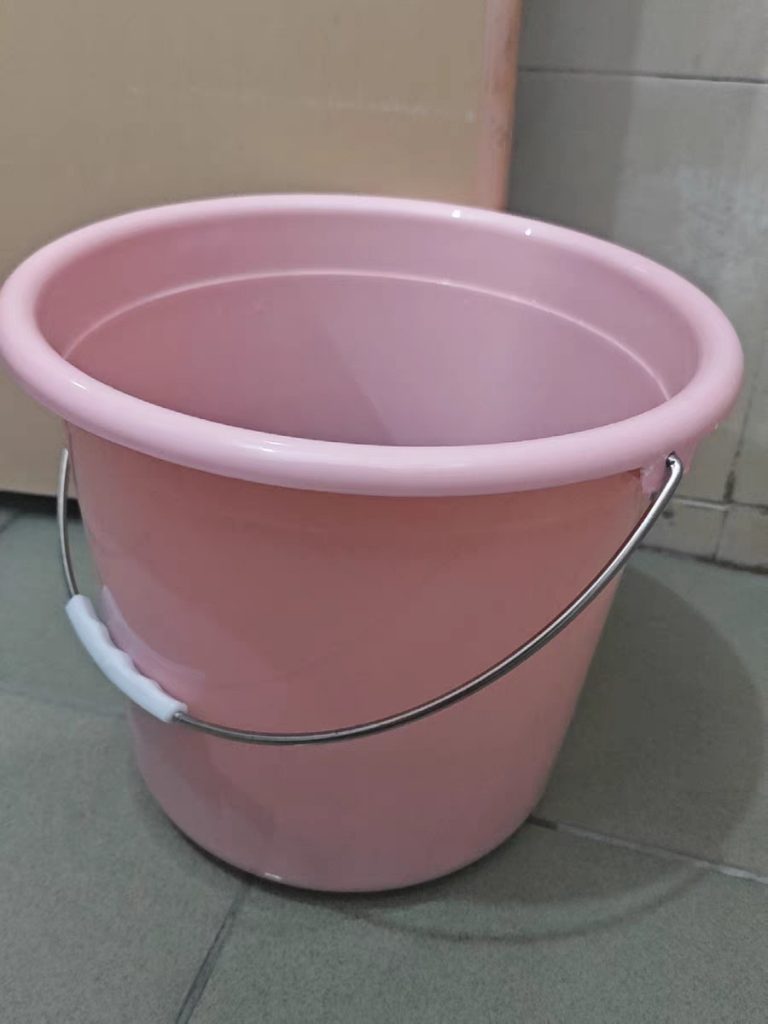
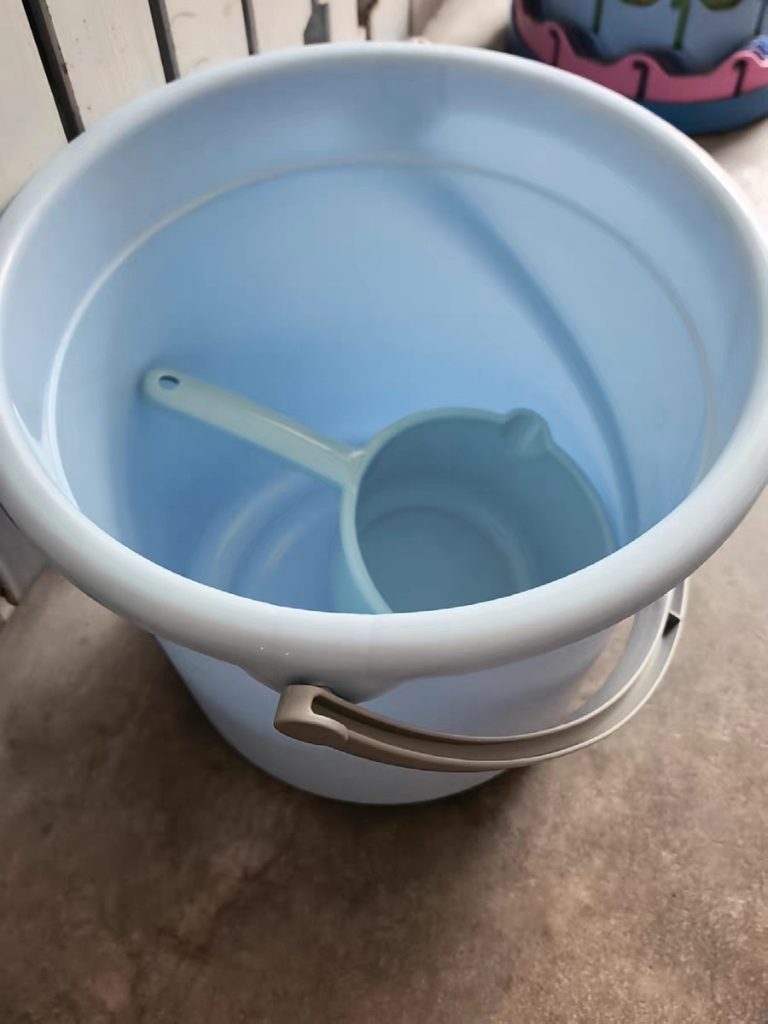
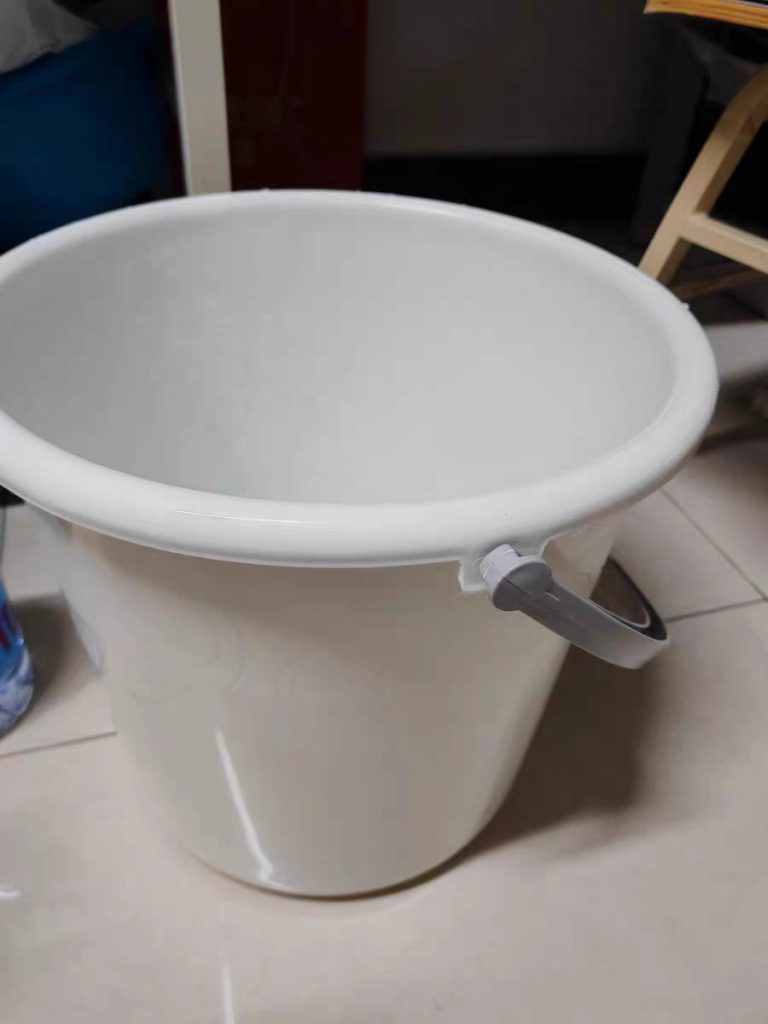
A plastic bucket is a cylindrical container typically made from thermoplastic materials such as polypropylene (PP) or high-density polyethylene (HDPE). It is designed with a handle and optional lid for carrying, storing, and transporting liquids, powders, or solid materials.
Plastic buckets are widely used in:
- Paint and coatings
- Food ingredients
- Chemicals
- Agricultural products
- Cleaning agents
- Construction materials
- Lubricants and oils
Their popularity comes from durability, lightweight structure, corrosion resistance, and cost efficiency compared to metal containers.
2. Types of Plastic Buckets
2.1 Open Head Plastic Buckets
Open-head buckets feature a removable lid and are commonly used for:
- Paint
- Adhesives
- Food ingredients
- Powders
They offer easy access and reseal capability.
2.2 Tight Head Plastic Buckets
Tight-head buckets have a sealed top with a small opening, ideal for:
- Chemicals
- Industrial liquids
- Hazardous materials
They reduce leakage risk and enhance safety during transportation.
2.3 Food-Grade Plastic Buckets
Designed for food contact applications:
- Sauces
- Honey
- Dairy products
- Pickles
- Flour
- Cooking oils
Manufactured using certified food-safe materials.
2.4 Heavy-Duty Industrial Buckets
Built with reinforced walls for:
- Construction sites
- Cement mixing
- Heavy materials
- Industrial applications
3. Raw Materials Used in Plastic Buckets
3.1 HDPE (High-Density Polyethylene)
- Excellent chemical resistance
- High strength-to-density ratio
- Suitable for industrial liquids
3.2 PP (Polypropylene)
- Heat resistant
- Lightweight
- Good for food-grade buckets
3.3 Recycled Plastic Materials
Used for cost-sensitive industrial applications. Not suitable for food-grade products.
When sourcing, always confirm:
- Virgin resin percentage
- Food safety certification
- UV stabilization if used outdoors
4. Manufacturing Process of Plastic Buckets
Understanding production helps buyers evaluate factory capability.
4.1 Injection Molding
Most plastic buckets are produced through injection molding. Molten plastic is injected into a precision mold to form the bucket shape.
Advantages:
- Consistent thickness
- High production speed
- Mass production capability
4.2 In-Mold Labeling (IML)
IML integrates label graphics directly into the bucket during molding. Benefits:
- Scratch-resistant design
- Premium appearance
- Waterproof labeling
- Strong brand identity
4.3 Printing Options
- Screen printing
- Heat transfer printing
- IML full-wrap labeling
For private label brands, IML is the most professional solution.
5. Standard Sizes of Plastic Buckets
Common export sizes:
- 1L
- 2L
- 5L
- 10L
- 15L
- 20L
- 25L
Customization is available for:
- Capacity
- Wall thickness
- Handle type (plastic or metal)
- Lid sealing mechanism
- Tamper-evident features
6. Applications by Industry
Paint & Coatings Industry
Plastic buckets are widely used for packaging wall paint, wood coatings, and waterproof materials.
Key features required:
- Leak-proof lid
- Stackable design
- UV resistance
Food Industry
For honey, sauce, dairy, and grains:
- FDA or EU food contact certification
- Odorless material
- Smooth interior surface
Chemical Industry
- Anti-corrosion material
- UN certification for hazardous goods
- Secure lid locking system
Agriculture
- Fertilizer storage
- Pesticide packaging
- Animal feed containers
7. Why Source Plastic Buckets from China?
China is a global manufacturing hub for plastic packaging products.
Advantages include:
- Competitive pricing
- Mature supply chain
- Advanced injection molding equipment
- High-volume production capacity
- Custom mold development capability
- Fast delivery timelines
Many Chinese factories provide OEM/ODM services for global brands.
8. How to Choose a Reliable Plastic Bucket Manufacturer
When selecting a supplier, evaluate:
8.1 Factory Certifications
Look for:
- ISO 9001
- FDA food-grade compliance
- SGS testing reports
- UN certification (if required)
8.2 Production Capacity
Ask:
- Monthly output
- Number of injection machines
- Mold development capability
- Lead time
8.3 Quality Control System
Professional manufacturers implement:
- Raw material inspection
- Thickness testing
- Drop testing
- Seal leakage testing
- Load-bearing test
8.4 Export Experience
Choose factories with experience exporting to:
- USA
- Europe
- Middle East
- Southeast Asia
- Australia
They understand international compliance standards and shipping documentation.
9. OEM & Custom Plastic Bucket Solutions
Private label buyers often require:
- Custom logo printing
- Unique bucket colors
- Custom lid design
- Barcode & retail packaging
- Tamper-evident seals
- Anti-counterfeit features
OEM services typically include:
- Mold design
- Prototype sample
- Mass production
- Quality inspection
- Export packaging
Custom mold development usually takes 25–35 days.
10. Wholesale Pricing Structure
Plastic bucket pricing depends on:
- Material (virgin vs recycled)
- Capacity
- Wall thickness
- Printing method
- Order quantity
- Shipping cost
Bulk orders significantly reduce unit price.
For example:
- 1L bucket: lowest cost
- 20L bucket: higher material consumption
- IML printing increases cost
Minimum order quantities (MOQ) usually range from 1,000 to 5,000 pieces.
11. Packaging & Shipping Considerations
Plastic buckets are typically nested to reduce shipping volume.
Export packing options:
- Poly bag
- Carton box
- Pallet packaging
- Container loading optimization
Shipping terms:
- FOB China port
- CIF
- DDP
Buyers should calculate total landed cost including freight and customs duty.
12. Sustainability & Environmental Considerations
Modern manufacturers are focusing on:
- Recyclable materials
- PCR (Post-consumer recycled) plastic
- Lightweight design to reduce carbon footprint
- Biodegradable additives (limited use)
Eco-friendly packaging is increasingly demanded in Europe and North America.
13. Frequently Asked Questions (FAQ)
Q1: Are plastic buckets safe for food storage?
Yes, if made from certified food-grade PP or HDPE materials.
Q2: Can I customize the bucket size and design?
Yes. Most manufacturers offer OEM/ODM services including custom mold development.
Q3: What is the production lead time?
Usually:
- Sample: 5–7 days
- Mass production: 15–30 days
Q4: Do factories provide free samples?
Some provide free stock samples. Custom samples may require mold cost.
14. Market Trends in 2026
- Increasing demand for tamper-evident lids
- Growth of food packaging sector
- Smart labeling and QR traceability
- Eco-friendly packaging solutions
- Automated production lines
Global importers are focusing on quality, compliance, and branding differentiation.
Conclusion
Plastic buckets remain an essential packaging solution across multiple industries worldwide. Whether you are sourcing for paint, chemicals, food, agriculture, or retail packaging, selecting the right manufacturer directly impacts product quality, branding, and long-term profitability.
For international buyers, working with a professional plastic bucket manufacturer in China offers:
- Competitive wholesale pricing
- OEM customization
- Global export capability
- Strict quality control
- Flexible production capacity
If you are looking to expand your product line or build a private label brand, partnering with an experienced plastic bucket supplier will give you a strong competitive advantage in the global market.


No reply content