
Plastic Pallet Factory
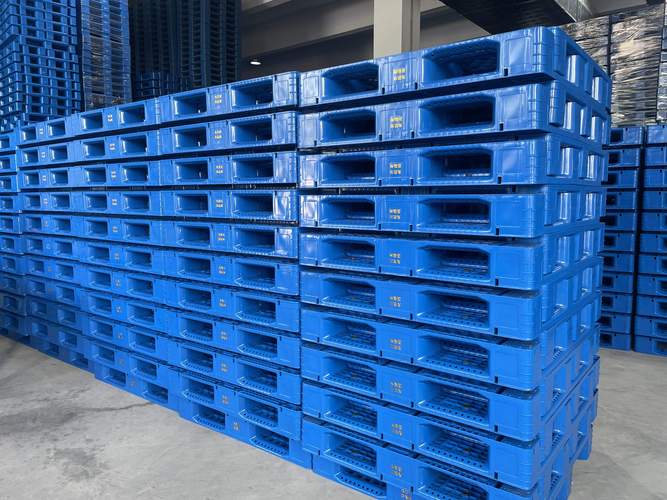
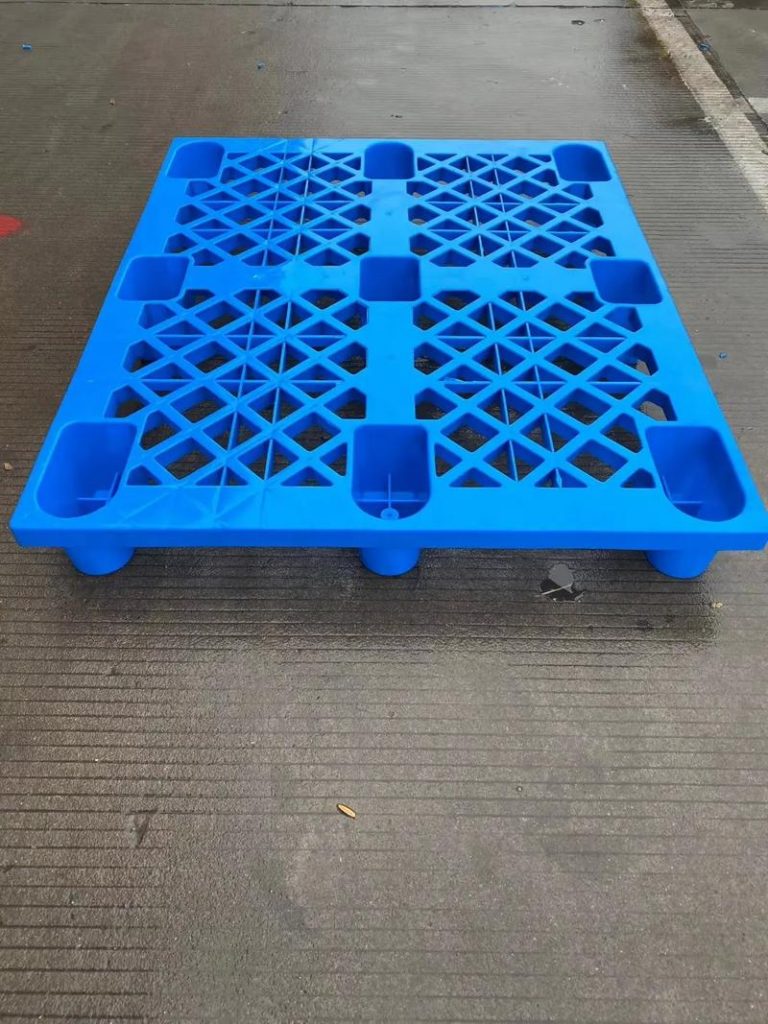
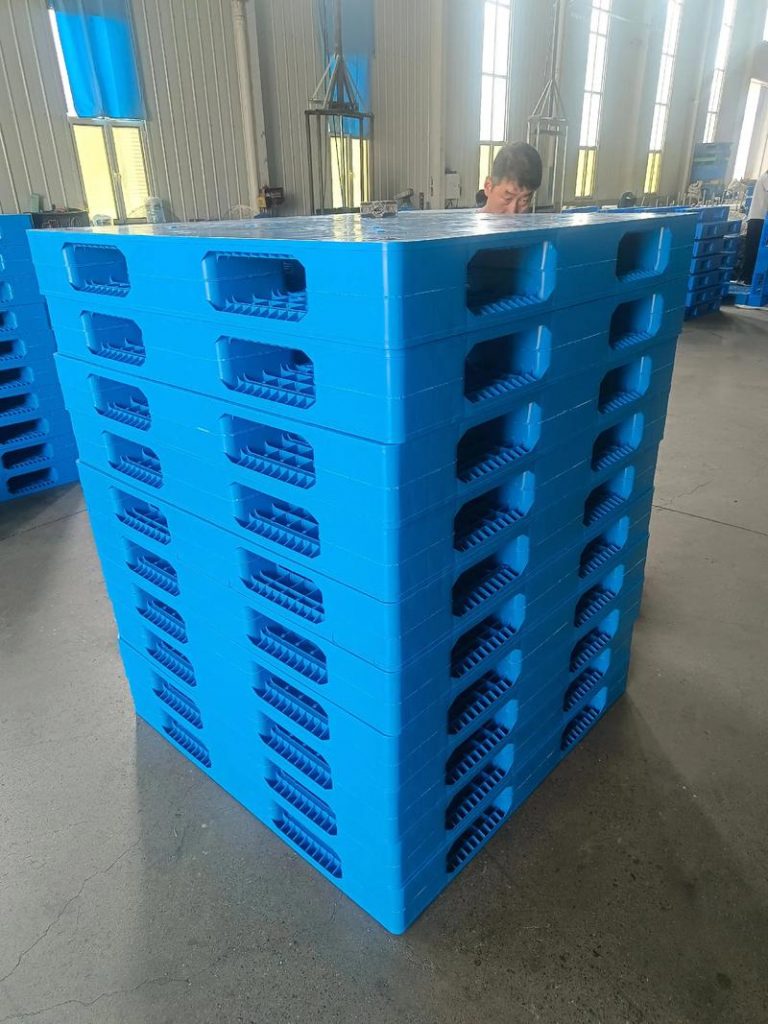
Finding a reliable plastic pallet manufacturer is important for importers, warehouses, logistics companies, manufacturers, retailers, and distributors. The right supplier can help you reduce handling costs, improve warehouse efficiency, and obtain pallets that match your loading, storage, and transportation requirements.
What Is a Plastic Pallet?
Plastic pallets are reusable load platforms commonly used for material handling, warehousing, manufacturing, distribution, and international logistics.
Compared with traditional wooden pallets, plastic pallets can offer advantages such as resistance to moisture, easier cleaning, consistent dimensions, and suitability for repeated use.
However, the best pallet depends on the application. Buyers should not select a pallet based only on its appearance or advertised maximum load.
How to Choose the Right Plastic Pallet
Before contacting a manufacturer, determine your requirements for:
-
Pallet length and width
-
Static load capacity
-
Dynamic load capacity
-
Racking load capacity
-
Pallet weight
-
Material
-
Four-way or two-way entry
-
Forklift compatibility
-
Rack compatibility
-
Surface design
-
Nestable or stackable structure
-
Quantity
-
Operating environment
For warehouse racking, for example, the required load capacity may be different from pallets used only for floor storage.
What Material Is Used?
Many industrial plastic pallets are manufactured using polyethylene (PE) or polypropylene (PP), depending on the design and intended application.
The manufacturer should clearly identify the material specification and explain whether the pallet is made from virgin or recycled material.
Material selection can affect:
-
Strength
-
Impact resistance
-
Weight
-
Durability
-
Temperature resistance
-
Cost
If the pallet will be used for food, pharmaceuticals, chemicals, or other regulated applications, confirm the applicable material and compliance requirements before purchasing.
Load Capacity Is Important
One of the biggest mistakes buyers make is looking at only one load-capacity number.
A plastic pallet may have different ratings for:
Static Load: The load when the pallet is resting on a flat surface.
Dynamic Load: The load when the pallet is being moved by a forklift or pallet truck.
Racking Load: The load when the pallet is supported by warehouse rack beams.
Always ask the manufacturer for the appropriate load ratings for your specific application.
Plastic Pallet Designs
Manufacturers can offer different pallet structures depending on the application.
Common designs include:
-
Three-runner pallets
-
Six-runner pallets
-
Nine-leg pallets
-
Heavy-duty pallets
-
Nestable pallets
-
Rackable pallets
-
Stackable pallets
-
Hygienic pallets
-
Export pallets
The correct design depends on how the pallet will be transported, stored, and handled.
OEM and Custom Plastic Pallets
Businesses with specific requirements may need customized pallets.
Depending on the manufacturer’s capabilities, customization may include:
-
Custom dimensions
-
Custom colors
-
Company logo
-
Embossed markings
-
RFID or identification options
-
Special load requirements
-
Customized packaging
For large orders, custom molds may be possible. However, buyers should calculate tooling costs and expected order volume before deciding on a completely new pallet design.
Quality Control
A professional plastic pallet manufacturer should have a clear quality-control process.
Important inspection areas include:
Inspection Area |
What to Check |
|---|---|
Dimensions |
Length, width and height |
Weight |
Consistency between pallets |
Material |
Correct material specification |
Load Capacity |
Static, dynamic and racking requirements |
Surface |
Cracks, deformation and defects |
Feet/Runners |
Structural integrity |
Fork Entry |
Proper forklift access |
Color |
Consistency |
Marking |
Logo and identification |
Packaging |
Correct quantity and protection |
For large orders, buyers can consider third-party inspection before shipment.
How to Reduce Transportation Costs
Plastic pallets are relatively large products, so logistics costs can have a significant impact on the total purchasing cost.
When requesting a quotation, ask the manufacturer for:
-
Pallet dimensions
-
Pallet weight
-
Number of pallets per container
-
Stacking or nesting method
-
Carton or packaging dimensions
-
Gross shipment weight
For nestable pallets, nesting multiple pallets together may significantly reduce shipping volume.
The best supplier should therefore be evaluated based on total landed cost, not simply the factory unit price.
International Shipping
For export orders, confirm the shipping terms before placing the purchase order.
Common trade terms include:
-
EXW
-
FOB
-
CIF
-
DDP
The appropriate option depends on the buyer’s logistics arrangements and destination.
For international logistics, buyers should also confirm whether the pallets need to meet specific requirements related to food contact, hygiene, fire performance, recycling, or other regulations.
How to Request a Plastic Pallet Quote
Provide detailed information when contacting a manufacturer:
Product: Plastic Pallet
Size: Required dimensions
Material: PP / PE / Required specification
Load: Static / Dynamic / Racking
Design: Nestable / Stackable / Rackable
Color: Standard or customized
Logo: Required / Not required
Quantity: Required quantity
Destination: Country and port
Trade Terms: EXW / FOB / CIF / Other
With complete specifications, the manufacturer can provide a more accurate product and logistics quotation.
Questions to Ask a Plastic Pallet Manufacturer
Before placing an order, ask:
-
What plastic materials do you use?
-
What pallet sizes are available?
-
What are the static and dynamic load capacities?
-
Is the pallet suitable for warehouse racking?
-
Is it compatible with forklifts and pallet trucks?
-
Is it stackable or nestable?
-
Can you customize the color?
-
Can you add our company logo?
-
What is the MOQ?
-
Can you provide samples?
-
What quality-control procedures do you use?
-
How many pallets can fit into a shipping container?


No reply content