
Plastic Pallet Factory
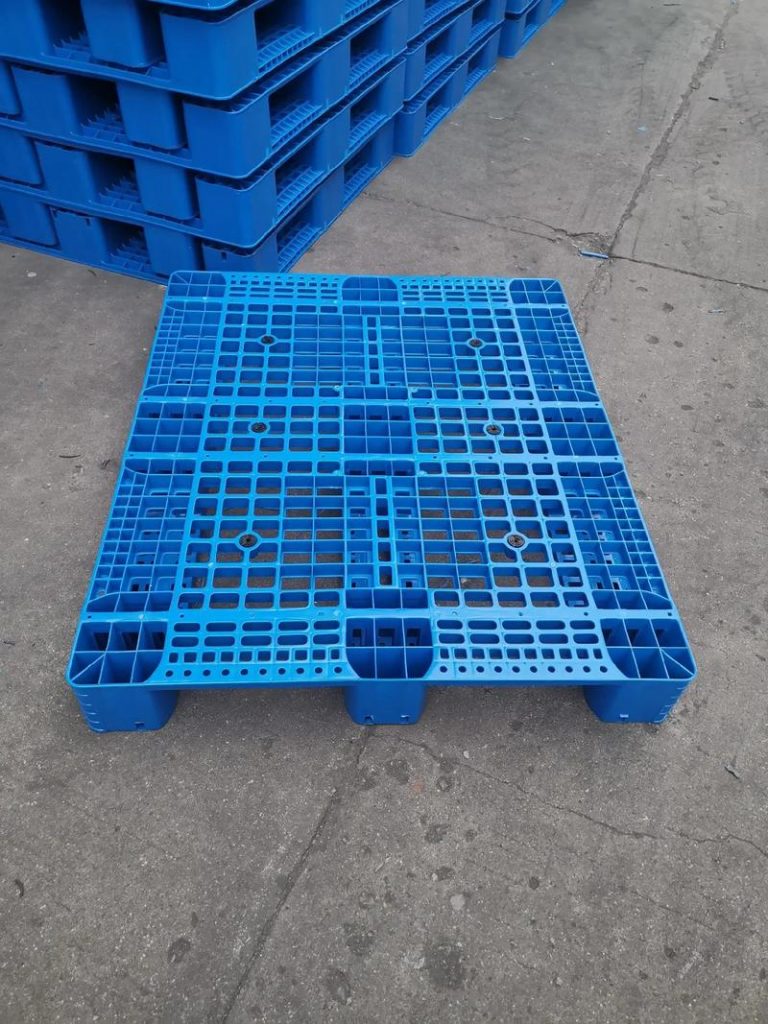
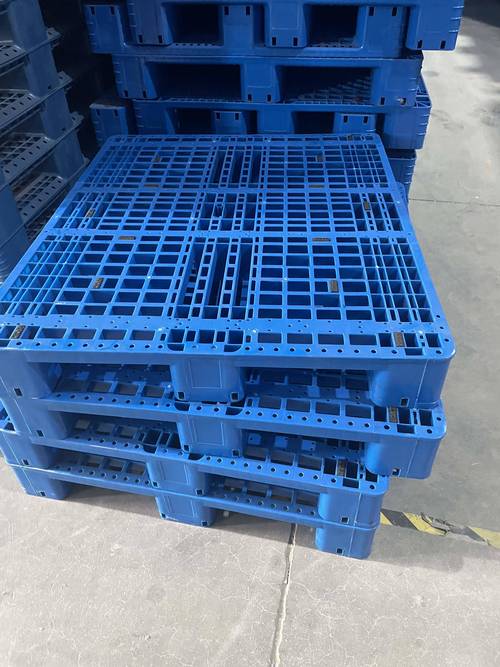
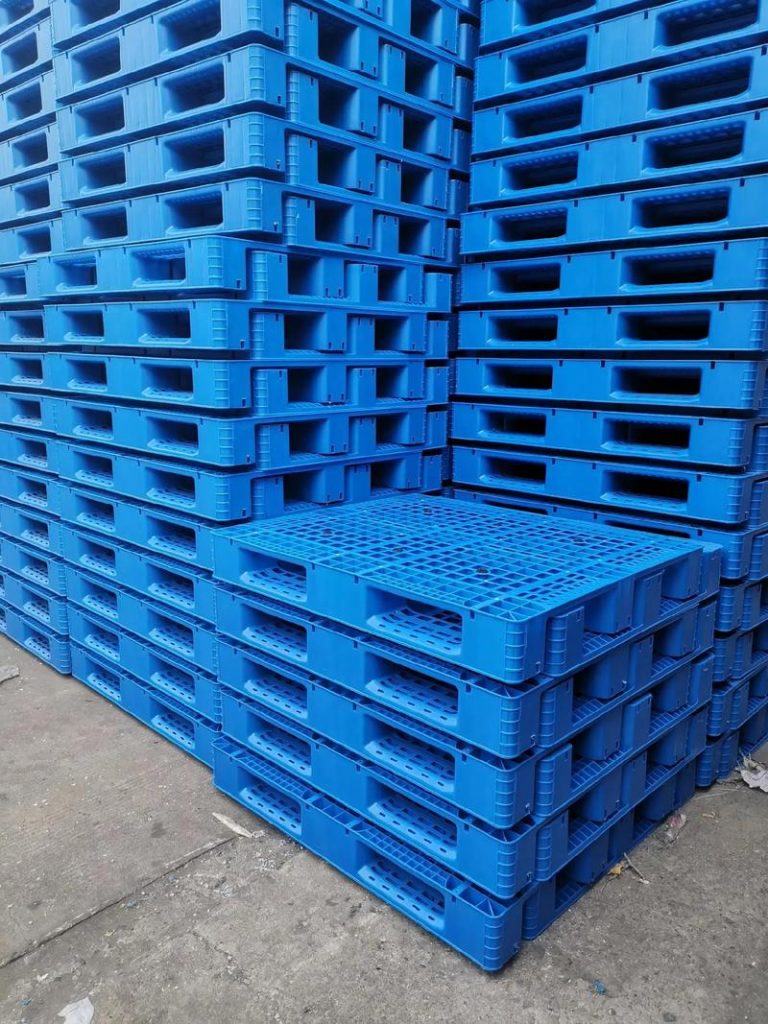
Plastic pallets have become an essential part of modern logistics, warehousing, manufacturing, and international shipping. Compared with traditional wooden pallets, plastic pallets offer better durability, hygiene, reusability, and compliance with global shipping standards. However, choosing the right plastic pallet supplier is not always easy.
Many buyers face common problems: inconsistent product quality, unclear pricing, lack of customization options, and unreliable delivery schedules. This article will help you understand how to choose trustworthy plastic pallet suppliers, what factors matter most, and how to avoid costly mistakes.
Whether you are a warehouse manager, importer, exporter, or procurement officer, this guide will help you make smarter sourcing decisions.
What Are Plastic Pallets?
Plastic pallets are flat transport structures made from high-density polyethylene (HDPE), polypropylene (PP), or recycled plastics. They are used to support goods during storage, handling, and transportation.
Unlike wooden pallets, plastic pallets do not absorb moisture, do not produce splinters, and are resistant to pests and chemicals. This makes them ideal for industries such as:
-
Food and beverage
-
Pharmaceuticals
-
Agriculture
-
Automotive parts
-
Export logistics
Why Businesses Prefer Plastic Pallets
Before choosing plastic pallet suppliers, it is important to understand why demand is increasing globally.
-
Durability and Long Service Life
Plastic pallets can last 5–10 years or more depending on usage. They are resistant to impact, weather, and chemicals. -
Hygiene and Cleanliness
They are easy to wash and sterilize, making them suitable for industries with strict hygiene requirements. -
Export Compliance
Many countries require fumigation certificates for wooden pallets. Plastic pallets eliminate this issue completely. -
Lightweight but Strong
Modern plastic pallets are designed to reduce shipping weight while maintaining high load capacity. -
Environmentally Friendly Options
Many suppliers now offer recyclable or recycled plastic pallets, reducing environmental impact.
Common Types of Plastic Pallets Offered by Suppliers
When evaluating plastic pallet suppliers, you should understand product categories.
-
Nestable Plastic Pallets
These pallets can be stacked into each other, saving storage space during return logistics. -
Rackable Plastic Pallets
Designed for warehouse racking systems. They provide strong load-bearing capacity. -
Stackable Plastic Pallets
Ideal for stable stacking of goods in storage. -
Hygienic / Cleanroom Pallets
Used in pharmaceutical and food industries where cleanliness is critical. -
Export Lightweight Pallets
Designed for one-way shipping and cost reduction. -
Heavy-Duty Industrial Pallets
Used for machinery, bulk goods, and high-load applications.
How to Evaluate Plastic Pallet Suppliers
Choosing the right supplier is more important than choosing the cheapest product. Here are the key evaluation criteria:
-
Material Quality
High-quality suppliers use virgin HDPE or high-grade recycled materials. Poor materials lead to cracking, deformation, and short lifespan.
Ask suppliers:
-
What raw materials do you use?
-
Do you provide material test reports?
-
Load Capacity Standards
Reliable suppliers clearly define:
-
Static load
-
Dynamic load
-
Racking load
If a supplier cannot provide this data, it is a warning sign.
-
Manufacturing Technology
Look for suppliers using:
-
Injection molding
-
Structural foam molding
-
Blow molding (for special pallets)
Advanced production ensures consistency and strength.
-
Customization Ability
Good plastic pallet suppliers should offer:
-
Custom size
-
Logo printing
-
Anti-slip surface design
-
Reinforced structure
-
Quality Certifications
Check for certifications such as:
-
ISO 9001
-
ISO 14001
-
Food-grade compliance (if needed)
-
Production Capacity
Large warehouses or global distributors need suppliers with stable monthly output and scalable production lines.
-
Export Experience
If you are importing pallets internationally, choose suppliers who understand:
-
Shipping documentation
-
Packaging standards
-
Container loading optimization
Common Problems Buyers Face with Poor Suppliers
Many buyers switch suppliers after experiencing the following issues:
-
Pallets cracking under normal load
-
Inconsistent dimensions causing racking issues
-
Long delivery delays
-
Hidden costs after order confirmation
-
Poor communication and after-sales support
These problems often come from choosing suppliers based only on low price.
Plastic Pallet Pricing Factors
Prices vary depending on:
-
Material type (virgin vs recycled)
-
Pallet size and design
-
Load capacity requirements
-
Order quantity
-
Customization needs
-
Shipping distance
In general, higher-quality pallets may cost more initially but reduce long-term replacement costs.
How to Find Reliable Plastic Pallet Suppliers
Here are practical sourcing methods:
-
B2B Platforms
Platforms like Alibaba or Global Sources allow supplier comparison. -
Industry Exhibitions
Trade fairs help you physically inspect product quality. -
Direct Manufacturer Websites
Buying directly from manufacturers often reduces cost. -
Referral Networks
Logistics companies often recommend trusted suppliers. -
Sample Testing
Always request samples before bulk orders.
Global Trends in Plastic Pallet Industry (2026)
The plastic pallet industry is evolving rapidly:
-
Sustainability Focus
More suppliers use recycled plastics and eco-friendly production. -
Smart Pallets
Some advanced pallets include RFID tracking for supply chain management. -
Automation Compatibility
Pallet designs are increasingly optimized for automated warehouses. -
Export Growth from Asia
China and Southeast Asia remain major production hubs for cost-effective pallets.
Tips for Negotiating with Plastic Pallet Suppliers
To get better deals:
-
Always request bulk pricing tiers
-
Compare at least 3–5 suppliers
-
Ask for long-term cooperation discounts
-
Negotiate shipping terms (FOB, CIF, DDP)
-
Confirm warranty policies


No reply content