
Plastic Pallet Factory
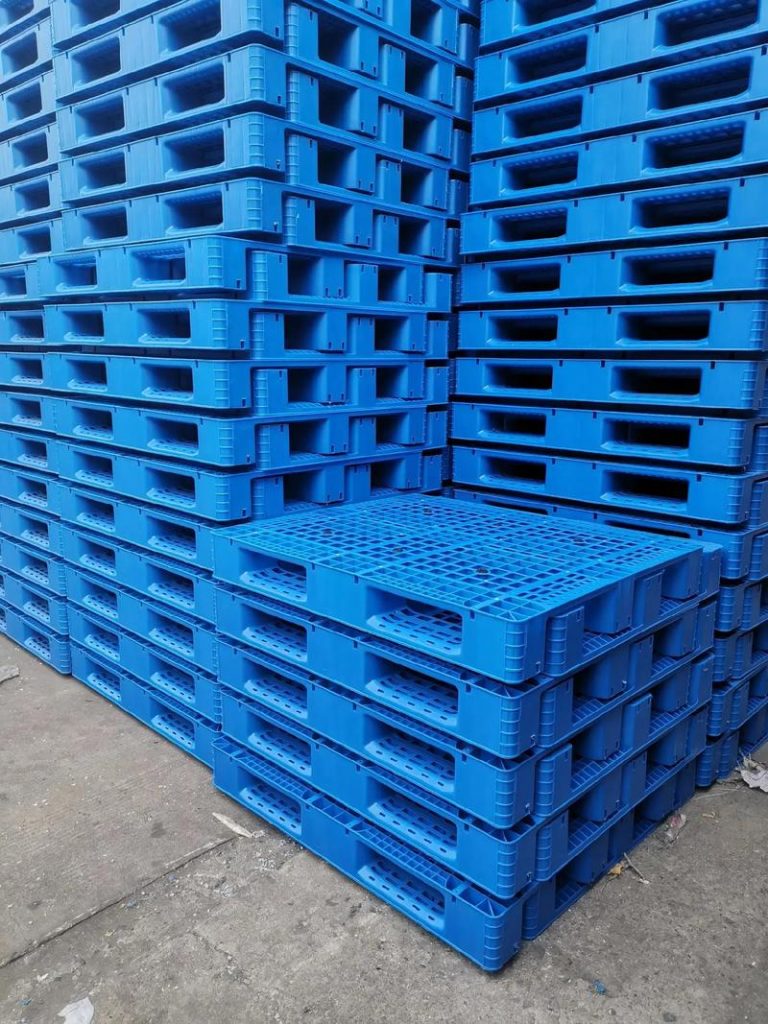
Choosing the right pallet is an important decision for companies involved in international trade. Whether you are exporting machinery, consumer goods, food products, pharmaceuticals, or industrial equipment, the type of pallet you use affects shipping costs, cargo protection, warehouse efficiency, and compliance with import regulations.
The two most common options are plastic pallets and wooden pallets. While wooden pallets have been used for decades, plastic pallets are becoming increasingly popular due to their durability, hygiene, and long-term cost advantages.
This guide compares plastic pallets and wooden pallets in detail to help importers, exporters, logistics companies, and warehouse managers choose the best solution for international shipping.
Understanding Plastic and Wooden Pallets
A plastic pallet is manufactured from materials such as High-Density Polyethylene (HDPE) or Polypropylene (PP) using injection molding or blow molding technology. These pallets are designed for repeated use and are widely used in modern logistics systems.
A wooden pallet is typically made from softwood or hardwood. It is commonly used because of its low initial cost and wide availability. Wooden pallets can be manufactured in different sizes and are suitable for many general transportation applications.
Comparison Overview
Feature |
Plastic Pallet |
Wooden Pallet |
|---|---|---|
Initial Cost |
Higher |
Lower |
Service Life |
5–10 years or more |
1–3 years depending on use |
Moisture Resistance |
Excellent |
Poor |
Hygienic Performance |
Excellent |
Moderate |
Pest Resistance |
Excellent |
Requires treatment |
ISPM 15 Compliance |
Not Required |
Required for export |
Weight Consistency |
Excellent |
May vary |
Maintenance |
Very Low |
Regular repair needed |
Recyclability |
High |
Moderate |
International Shipping Regulations
One of the biggest advantages of plastic pallets is that they do not require ISPM 15 heat treatment or fumigation.
Wooden pallets used in international shipping must usually comply with ISPM 15 regulations, which are designed to prevent the spread of harmful insects and plant diseases. Compliant pallets must be heat-treated and stamped before export.
Plastic pallets are exempt from these requirements, reducing paperwork and eliminating the risk of customs delays caused by non-compliant wooden packaging.
Durability
Plastic pallets are significantly more durable than wooden pallets.
High-quality plastic pallets resist:
-
Cracking
-
Rotting
-
Moisture
-
Corrosion
-
Chemicals
-
UV exposure
-
Repeated handling
Wooden pallets can suffer from:
-
Broken boards
-
Loose nails
-
Splinters
-
Moisture damage
-
Mold growth
-
Warping
Businesses using pallets repeatedly often find that plastic pallets provide a much longer service life and lower replacement costs.
Hygiene and Cleanliness
Industries such as food processing, pharmaceuticals, healthcare, and beverages require high hygiene standards.
Plastic pallets have smooth, non-porous surfaces that are easy to wash and disinfect. They do not absorb water, oils, or chemicals and are resistant to mold and bacteria.
Wooden pallets can absorb moisture and contaminants, making them more difficult to clean. Splinters and exposed nails may also create safety hazards.
Weight and Shipping Costs
Plastic pallets are manufactured with consistent dimensions and weight, making them suitable for automated handling systems.
Some lightweight plastic pallet designs help reduce transportation costs, especially for air freight.
Wooden pallets vary in weight depending on the wood species and moisture content, making freight cost calculations less predictable.
Load Capacity
Modern plastic pallets are engineered to support substantial loads.
Depending on the design, they can provide:
-
High static load capacity
-
Strong dynamic load capacity
-
Excellent racking performance
Heavy-duty plastic pallets often include steel reinforcement for warehouse racking systems.
Wooden pallets can also support heavy loads but may weaken over time due to repeated use and environmental conditions.
Safety
Plastic pallets eliminate many common workplace hazards associated with wooden pallets.
Advantages include:
-
No splinters
-
No exposed nails
-
Smooth edges
-
Reduced product damage
-
Lower injury risk
This makes them particularly suitable for automated warehouses and modern logistics centers.
Environmental Impact
Both plastic and wooden pallets can be environmentally responsible when managed properly.
Plastic pallets:
-
Can be recycled at the end of their service life
-
Last much longer
-
Reduce replacement frequency
-
Lower overall material consumption
Wooden pallets:
-
Are made from renewable resources
-
Can be repaired
-
Can often be recycled into wood products
Choosing the more sustainable option depends on the intended application and lifecycle management.
Cost Analysis
Many buyers focus only on the purchase price.
However, the total cost of ownership includes:
-
Replacement frequency
-
Repair costs
-
Cleaning costs
-
Shipping efficiency
-
Product protection
-
Warehouse handling
-
Compliance costs
Although plastic pallets generally have a higher initial purchase price, their long service life and lower maintenance requirements often result in lower costs over time.
Best Applications for Plastic Pallets
Plastic pallets are recommended for:
-
International exports
-
Food manufacturing
-
Pharmaceutical logistics
-
Cold storage
-
Automated warehouses
-
Chemical industries
-
Retail distribution centers
-
Export packaging
Best Applications for Wooden Pallets
Wooden pallets remain a practical option for:
-
One-way shipments
-
Domestic transportation
-
Construction materials
-
Low-budget projects
-
Temporary storage
Businesses with limited reuse requirements may still find wooden pallets to be an economical choice.
How to Choose the Right Pallet
Before making a purchasing decision, consider the following:
-
What products are being transported?
-
Is the shipment domestic or international?
-
Will the pallet be reused?
-
Are hygiene standards important?
-
Is warehouse automation used?
-
What load capacity is required?
-
What is the expected service life?
-
What is the total lifecycle cost?


No reply content