China Air Compressor Manufacturing Factory
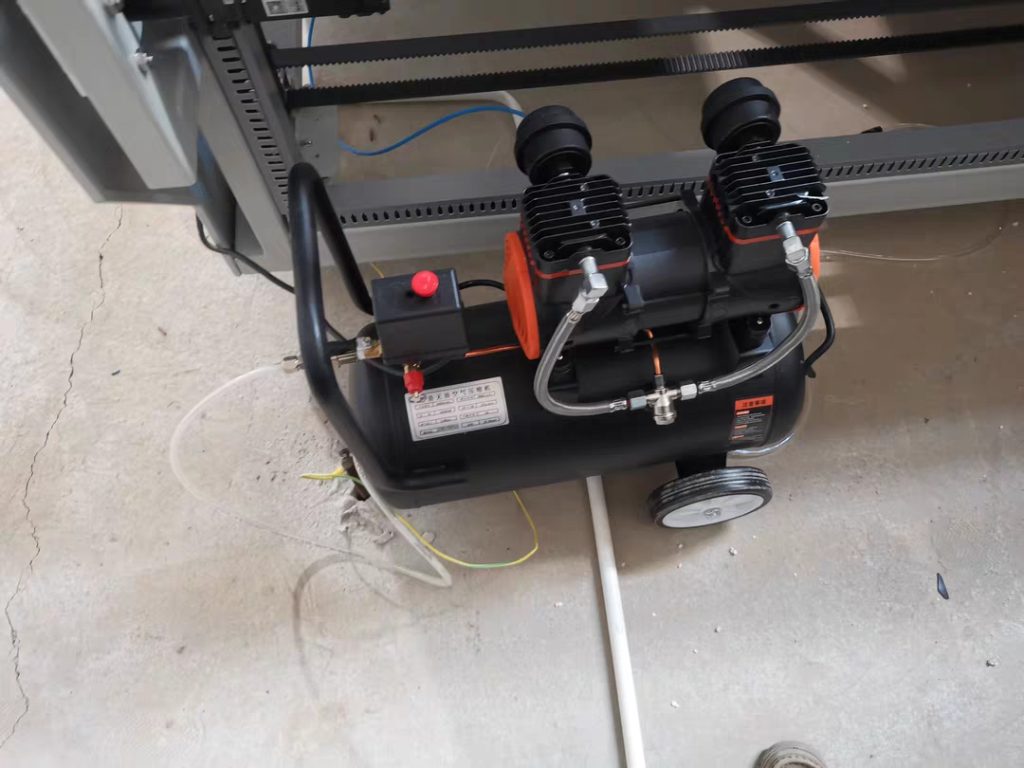
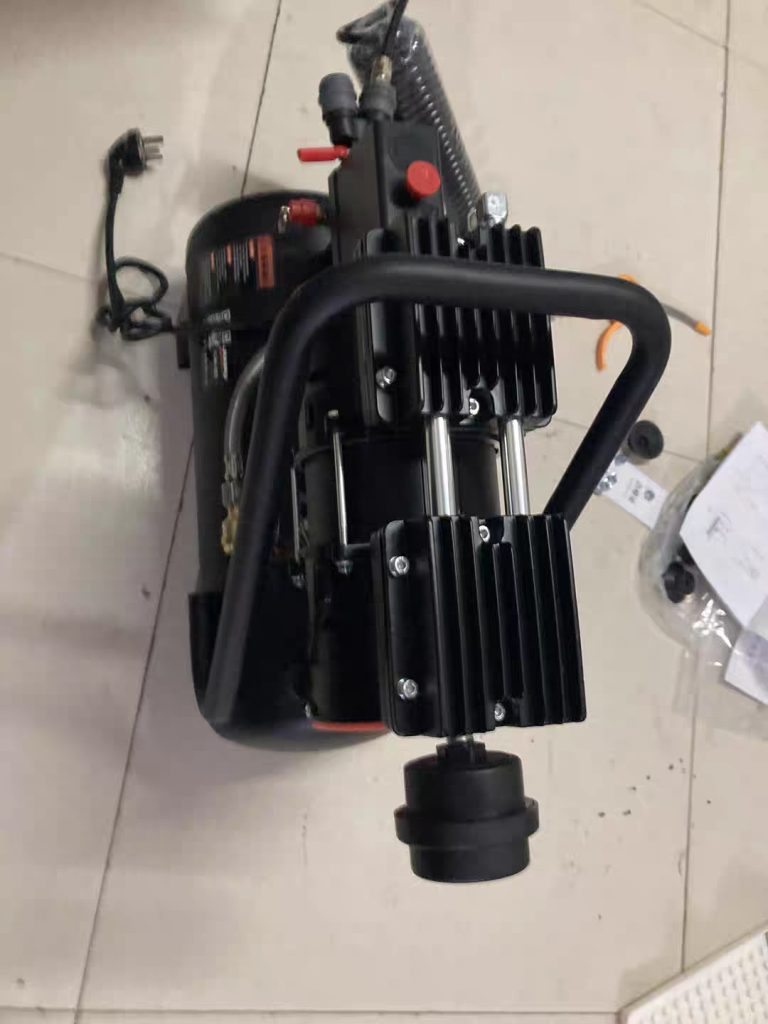
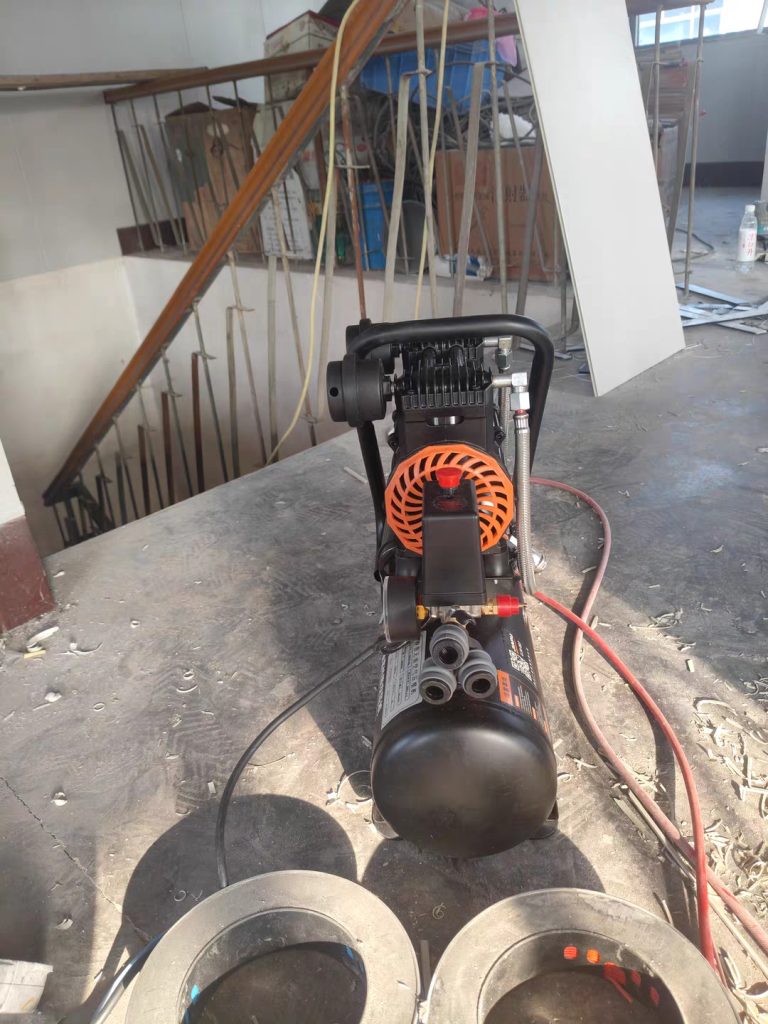
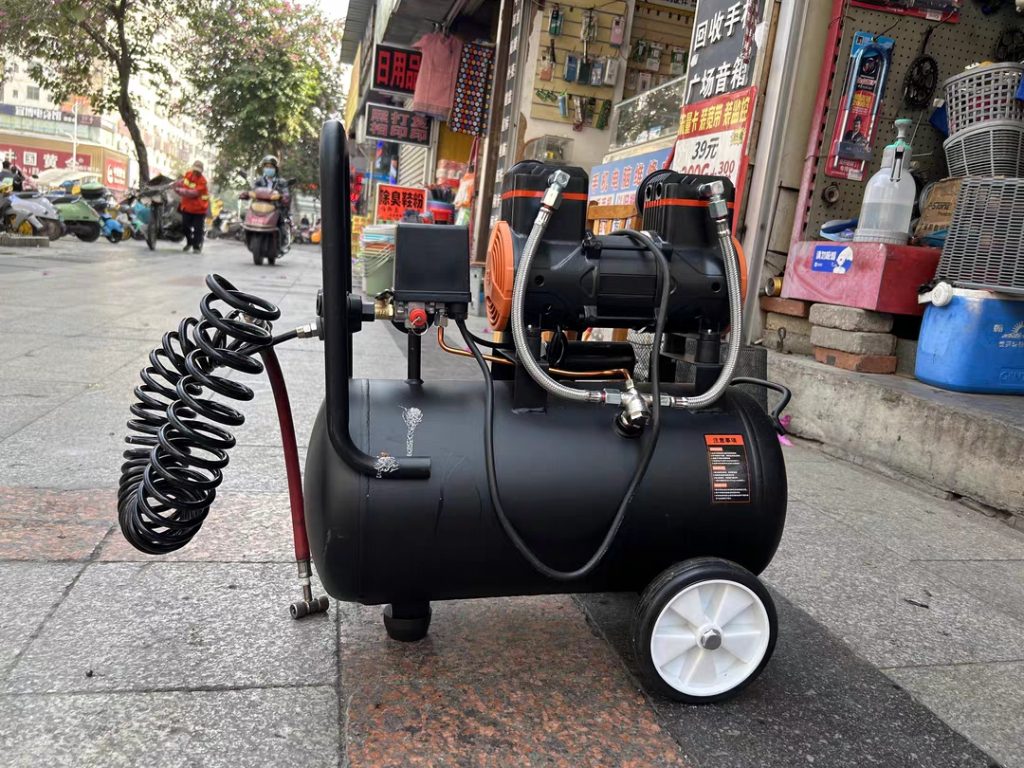
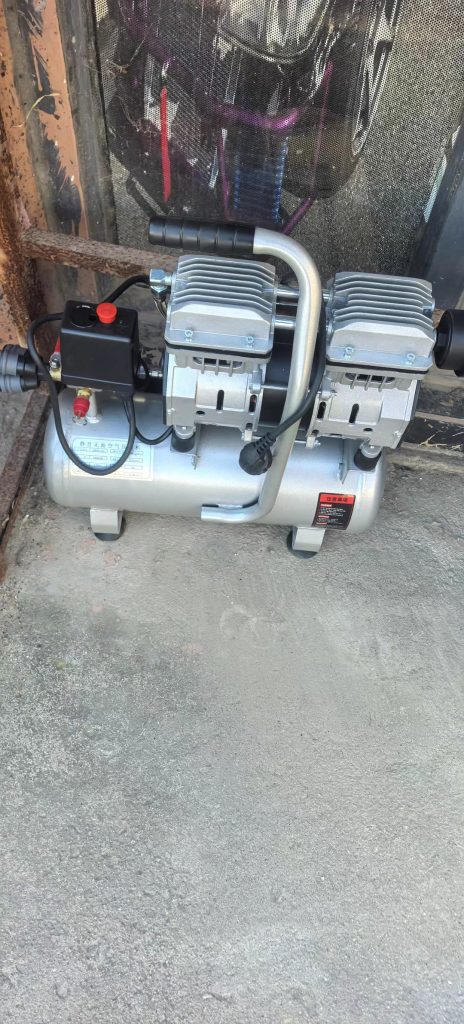
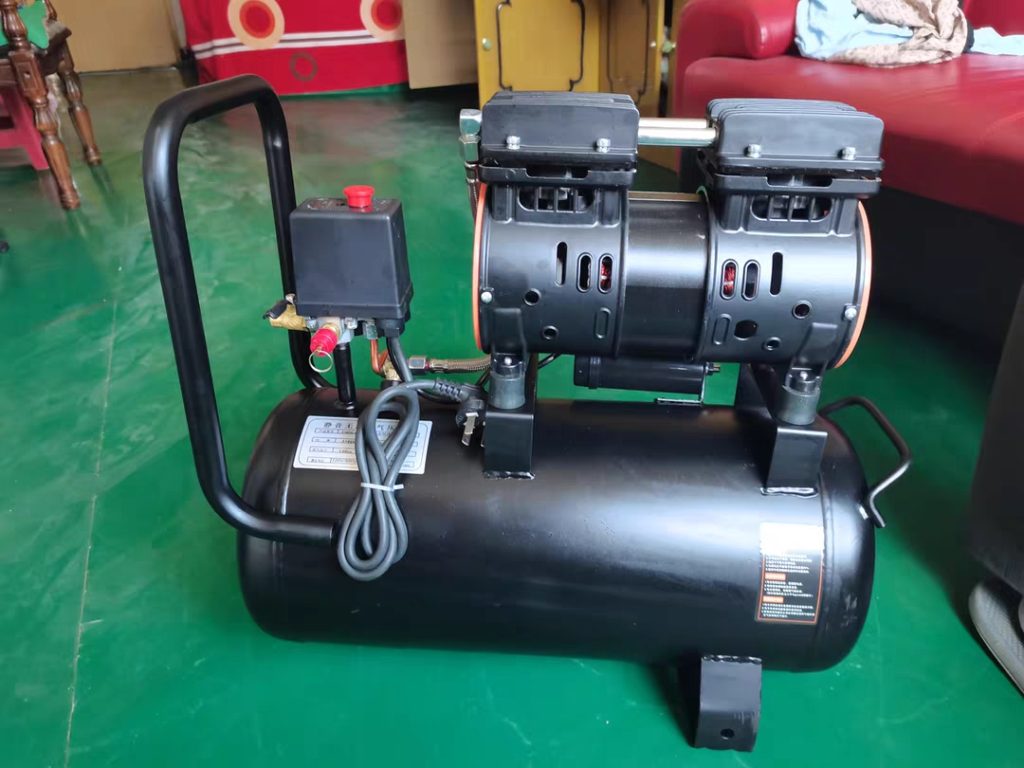
Portable air compressors redefine convenience with lightweight designs, cordless options, and multi-tool compatibility. Ideal for on-the-go repairs, outdoor adventures, and emergency inflation—delivering power without boundaries.
✈️⚙️🔋 [Small icons: Airplane (mobility), Gear (functionality), Battery (cordless power)]
The Rise of Portable Air Compressors: Freedom to Work Anywhere
In a world where mobility and adaptability define productivity, portable air compressors have emerged as indispensable tools for professionals and DIYers alike. Unlike stationary units confined to workshops, these compact devices merge power with portability—fitting in car trunks, backpacks, or tool belts. From inflating tires on remote highways to powering pneumatic tools at construction sites, portable air compressors eliminate the “location constraint,” turning any space into a functional work area. This guide explores their evolution, technical prowess, real-world applications, and how to choose the perfect model for your needs.
Why Portability Matters: Core Advantages Over Stationary Models
Portable air compressors aren’t just smaller versions of their stationary counterparts—they’re engineered for dynamic environments. Here’s why they’re dominating the market:
1. Unmatched Mobility for On-the-Go Tasks
Weighing 10-50 lbs (4.5-23 kg) and measuring 8x6x10 inches (smaller than a toolbox), portable models accompany users anywhere:
-
Road Trips: Inflate flat tires or air mattresses at rest stops.
-
Construction Sites: Power nail guns or grinders in areas without electricity.
-
Emergency Response: Deploy for disaster relief (e.g., inflating rescue boats).
Data Point: The global portable air compressor market is projected to grow at 6.8% CAGR through 2030 (Grand View Research), driven by demand from mobile professionals.
2. Versatility Across Industries
A single portable unit replaces multiple tools:
-
Automotive: Tire inflation, brake bleeding, impact wrench operation.
-
Outdoor Recreation: Inflating kayaks, SUPs, or camping gear.
-
Home Maintenance: Fixing leaky faucets with pneumatic tools, inflating pool toys.
3. Energy Flexibility
Choose from three power sources to match your environment:
-
Electric (Corded): 120V/240V outlets (ideal for indoor/near-power use).
-
Lithium-Ion Battery: Cordless freedom (4-8 hours runtime per charge).
-
Gasoline/Diesel: High-power output for remote sites (no electricity needed).
Technical Deep Dive: Engineering Portability Without Sacrificing Power
Portable air compressors balance size and performance through innovative design. Here’s what sets them apart:
1. Compact Power Sources
| Power Type | Pros | Cons | Best For |
|---|---|---|---|
| Lithium-Ion Battery | Cordless, lightweight (5-15 lbs), low maintenance | Limited runtime (4-8 hrs), higher upfront cost | Urban DIY, emergency use |
| Gasoline Engine | High power (5-10 HP), unlimited runtime | Heavy (30-50 lbs), emits fumes | Remote construction, agriculture |
| Electric (Corded) | Affordable, consistent power | Tethered to outlets, limited mobility | Garage, workshop near power sources |
2. Efficient Compression Systems
-
Piston Pumps: Single/double-cylinder designs for light-to-medium tasks (0.5-3 CFM).
-
Diaphragm Pumps: Oil-free, quiet operation (ideal for indoor use).
-
Rotary Screw (Mini): Rare in portables but offers continuous airflow for heavy tools.
Example: A 20V lithium-ion portable compressor delivers 1.2 CFM @ 90PSI—enough to run a brad nailer for 30 minutes.
3. Smart Features for User Convenience
-
Digital Pressure Gauges: LED displays show real-time PSI (±1% accuracy).
-
Auto Shut-Off: Stops at preset pressure (e.g., 35PSI for tires).
-
Multi-Tool Compatibility: Interchangeable nozzles for tires, sports equipment, and tools.
-
LED Work Lights: Illuminate dark workspaces (common in premium models).
Top Applications: Where Portable Air Compressors Shine
Their adaptability makes them invaluable across scenarios:
1. Automotive Emergencies & Maintenance
-
Tire Inflation: Fill car/truck tires (25-35PSI), motorcycle tires (28-40PSI), or bike tires (30-60PSI) in 3-5 minutes.
-
Tool Power: Run impact wrenches (loosen lug nuts), brake bleeders, or air ratchets for roadside repairs.
-
Cleaning: Blow dust from engines or interiors with an air nozzle.
User Story: A truck driver in Texas used a gasoline-powered portable compressor to fix a flat tire on a rural highway—avoiding a $200 tow truck fee.
2. Outdoor Adventures & Recreation
-
Inflatable Gear: Kayaks, paddleboards, air mattresses, or pool floats (1-5 minutes inflation time).
-
Camping Tools: Power pneumatic stakes, air-powered lanterns, or mini grinders for firewood.
-
Sports Equipment: Inflate basketballs, soccer balls, or yoga balls at parks.
3. Construction & Remote Job Sites
-
Light Pneumatic Tools: Brad nailers (framing), staple guns (insulation), or paint sprayers (touch-ups).
-
Dust Collection: Attach hoses to clear debris from tight spaces.
-
Emergency Repairs: Fix leaky pipes with pneumatic sealants.
4. Home & DIY Projects
-
Furniture Assembly: Power nail guns for building shelves or decks.
-
Crafting: Run airbrushes for model painting or pottery glazing.
-
Seasonal Tasks: Inflate holiday decorations (Santa sleighs, inflatable snowmen).
How to Choose the Right Portable Air Compressor
With dozens of models available, follow these steps to find your match:
1. Define Your Primary Use
-
Tire Inflation Only: Opt for a compact electric model (1-2 CFM, 12V/120V).
-
Tool Power + Inflation: Choose a lithium-ion or gasoline model (2-3 CFM, 90-120PSI).
-
Indoor/Quiet Use: Diaphragm pump (oil-free, <70dB).
2. Key Specs to Evaluate
-
CFM (Cubic Feet per Minute): Measures airflow. Match to tool needs (e.g., brad nailers: 0.8-1.5 CFM).
-
PSI (Pounds per Square Inch): Most tools require 90-120PSI; tires need 25-60PSI.
-
Tank Size: 1-6 gallons (larger tanks = longer runtime, but bulkier).
-
Battery Life (Cordless): 4-8 hours (check amp-hour rating: 2-5 Ah).
3. Avoid Common Pitfalls
-
Overlooking Weight: A 50-lb gasoline model may be too heavy for solo transport.
-
Ignoring Noise Levels: Gasoline models can hit 85dB (louder than a blender).
-
Skipping Accessories: Ensure it includes hoses, nozzles, and battery chargers (if cordless).
Maintenance Made Simple: Extend Your Compressor’s Life
Portable models require minimal care to last 3-5 years:
1. Daily/Weekly Tasks
-
Drain Condensate: Open the tank’s drain valve to prevent rust.
-
Check Hoses/Nozzles: Inspect for cracks; clean with soapy water.
2. Monthly Tasks
-
Clean Air Filters: Tap out dust (replace every 100 hours).
-
Charge Batteries (Cordless): Store at 50% charge to prolong lifespan.
3. Annual Tasks
-
Engine Tune-Up (Gasoline): Change oil, clean spark plugs.
-
Inspect Seals/Gaskets: Replace if leaking air.
Pro Tip: Store in a dry, temperature-controlled space to avoid battery degradation or engine damage.
Case Study: Outdoor Enthusiast’s Portable Power Solution
Client Profile: Sarah, a 30-year-old hiker and kayaker in Colorado, USA.
Challenge: Needed a lightweight compressor to inflate her kayak, SUP, and camping gear on multi-day trips—without carrying heavy tools.
Solution: Bought a 20V lithium-ion portable compressor (1.2 CFM, 2-gallon tank, 12 lbs).
Results:
-
Inflated her 10ft kayak in 4 minutes (vs. 15 minutes with a manual pump).
-
Powered a mini airbrush to touch up her kayak’s paint job.
-
Compact size fit in her backpack; battery lasted 6 hours on a single charge.
-
Avoided $50/day rental fees for gas station compressors.
Global Compliance & Safety
Portable compressors must meet regional safety standards:
| Region | Certifications | Focus Area |
|---|---|---|
| US | UL, CPSC | Electrical safety, child resistance |
| EU | CE, RoHS | Low voltage, hazardous materials |
| Australia | RCM, AS 1677 | Electromagnetic compatibility |
| Global | ISO 9001 (quality) | Manufacturing consistency |
Look for these marks to ensure safe operation.
Conclusion: The Future of Portable Air Power
Portable air compressors have evolved from niche gadgets to essential tools, blending mobility, power, and versatility. Whether you’re a road tripper, contractor, or DIYer, there’s a model to match your needs—proving that “portable” doesn’t mean “underpowered.” As battery tech advances and designs shrink, these compressors will continue to unlock new possibilities for work and play.
⭐ User Reviews
Mike T. 🇺🇸
Truck Driver, Texas
⭐⭐⭐⭐⭐
“Gasoline-powered 5HP model saved me twice on remote highways! Inflated a flat tire in 5 minutes. Heavy but worth it for peace of mind. 8-gallon tank runs my impact wrench too. Best $250 I’ve spent!”
Hans R. 🇩🇪
Hiker, Bavaria
⭐⭐⭐⭐⭐
“20V lithium-ion compressor (12 lbs) inflates my SUP in 3 minutes. Fits in my hiking backpack! Quiet enough for campsite use. LED light helps at dusk. German engineering = reliability.”
Emma L. 🇦🇺
DIY Enthusiast, Sydney
⭐⭐⭐⭐☆
“Corded 1.5HP model runs my brad nailer for deck building. 3-gallon tank lasts 20 minutes. Cheaper than buying a stationary unit. Only wish it had a battery option for outdoor use.”
Raj K. 🇮🇳
Construction Worker, Mumbai
⭐⭐⭐⭐⭐
“Gasoline model powers my nail gun at remote sites. 10HP is overkill but handles 2 tools at once. Heavy, but my coworkers help carry it. Saved ₹500/day vs. renting equipment.”
Carlos M. 🇧🇷
Outdoor Guide, Rio de Janeiro
⭐⭐⭐⭐⭐
“Lithium-ion compressor inflates kayaks for tourists in 5 minutes. Waterproof casing survived a rainstorm! Battery lasts all day. Clients love the fast setup. Highly recommend for guides!”


No reply content