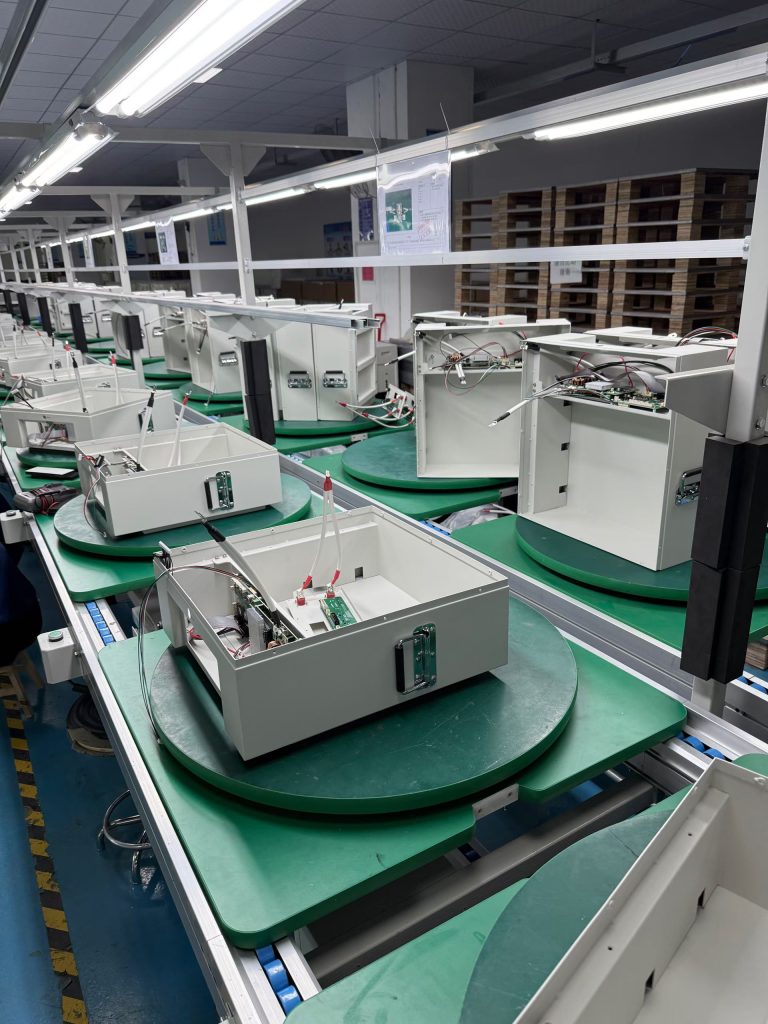
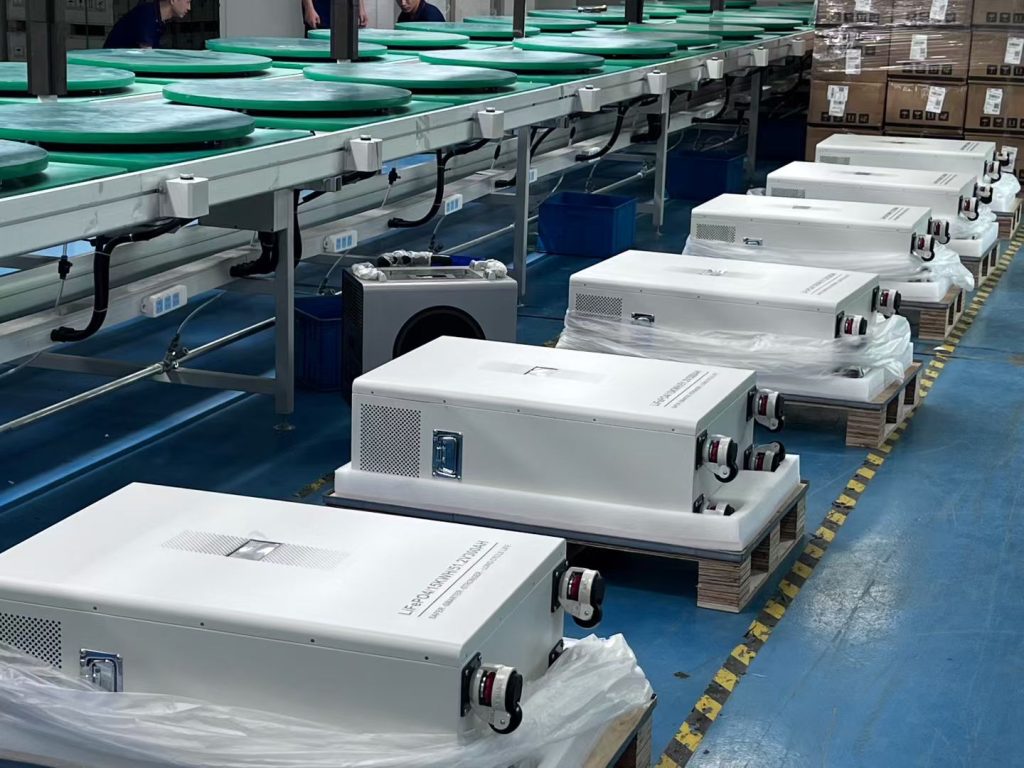
As global energy landscapes shift towards decentralization, the home energy storage system (ESS) has emerged as the cornerstone of modern residential power management. For brands, installers, and innovators entering this dynamic market, selecting a custom home储能 (energy storage) supplier in China is a critical strategic maneuver. It is a partnership that transcends simple hardware assembly; it is a deep collaboration involving electrochemistry, power electronics, structural engineering, and intelligent software integration. The Chinese ESS manufacturing ecosystem is a powerhouse of innovation, capable of delivering everything from compact balcony solar batteries to whole-home backup systems. This article explores the intricate layers of this industry, detailing the battery chemistries, inverter technologies, safety protocols, and customization strategies that define a world-class supplier.
-
LiFePO4 (LFP): The dominant chemistry for stationary storage. It offers superior thermal stability, a long cycle life (often exceeding 6,000 cycles), and inherent safety due to strong covalent bonds. Its lower energy density is less of a concern in stationary applications compared to mobile ones.
-
Nickel Manganese Cobalt (NMC): Offers higher energy density, making it suitable for space-constrained installations, though it requires more complex Battery Management Systems (BMS) due to thermal sensitivity.
-
Emerging Chemistries: Suppliers are actively researching Sodium-Ion batteries, which promise lower costs and better performance in cold temperatures, eliminating reliance on scarce lithium resources.
-
Hybrid Inverters: These integrate solar PV input and battery management into a single unit, simplifying installation and reducing costs.
-
AC-Coupled vs. DC-Coupled Systems: Suppliers guide clients on whether to retrofit existing solar arrays (AC-coupled) or design new systems (DC-coupled) for maximum efficiency.
-
Power Rating: Determining the continuous and peak power output (measured in kW) is vital. Can the system handle the surge required to start an air conditioner or a well pump?
-
Battery Management System (BMS): The digital guardian of the pack. It monitors voltage, current, and temperature at the cell level, performing passive or active balancing to ensure uniform aging.
-
Physical Protections: This includes Pressure Release Valves (PRV) to vent gases in case of thermal runaway, and robust steel or aluminum enclosures meeting IP65 ratings for dust and water resistance.
-
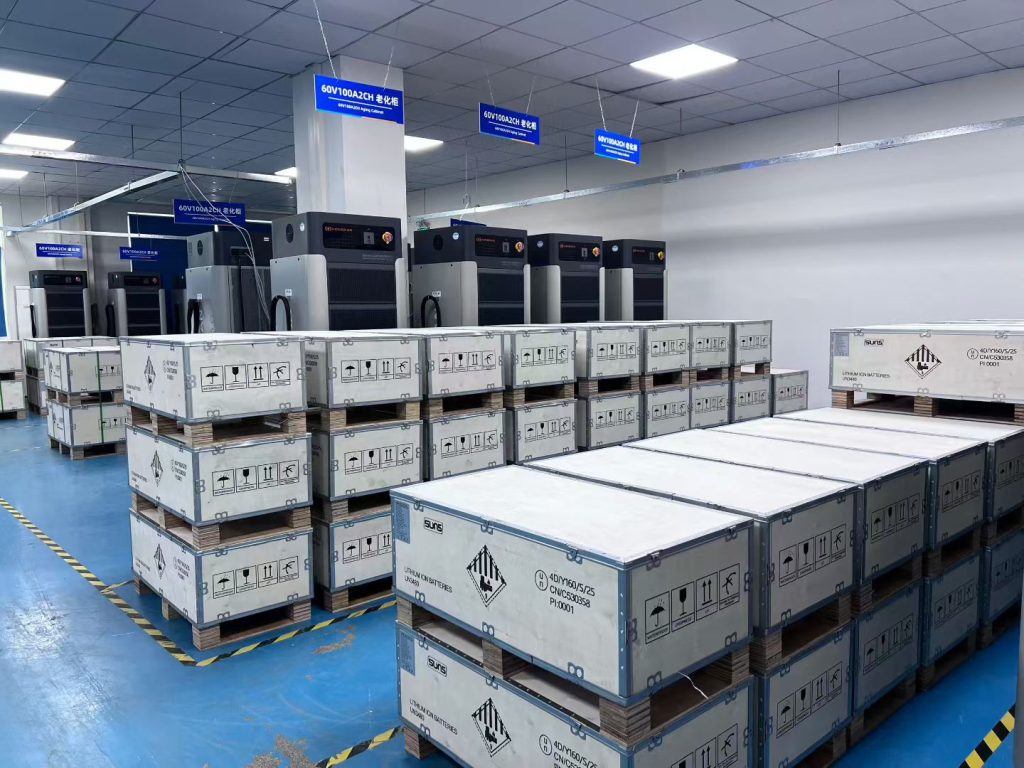
Certifications: Adherence to international standards is mandatory. Key certifications include UL 9540 / UL 1973 (North America), IEC 62619 / IEC 62485 (Europe), and UN38.3 for transportation safety.
-
Enclosure Design: Customization ranges from wall-mounted units for garages to floor-standing cabinets for utility rooms. Aesthetics matter, as these units are increasingly part of the home decor.
-
Thermal Management: While most residential systems use passive convection cooling, high-capacity systems may require active liquid cooling or forced-air systems to maintain optimal operating temperatures (typically 15°C – 35°C).
-
Scalability: Modular design is a major trend. Suppliers engineer systems that allow end-users to stack modules vertically, increasing capacity from 5kWh to 30kWh+ as their needs grow.
-
Energy Management System (EMS): Custom software algorithms determine when to charge from the grid, when to store solar energy, and when to discharge to power the home or sell back to the grid.
-
Connectivity: Integration with Wi-Fi, Ethernet, or cellular networks for remote monitoring and firmware updates via a mobile app or web portal.
-
VPP Readiness: Designing systems compatible with Virtual Power Plant (VPP) programs, allowing homeowners to earn revenue by providing grid services.
-
Cell Grading and Matching: Every single cell is tested for capacity and internal resistance. Only cells with near-identical characteristics are grouped together to form a module.
-
Module Testing: Before integration, modules undergo charge/discharge cycling to verify performance.
-
System-Level Validation: The fully assembled unit is subjected to environmental stress tests (high/low temperature, humidity) and safety tests (short circuit, overcharge, drop tests).
-
Aging Tests: Systems are run through simulated daily cycles for 24-48 hours to catch early failures (infant mortality).
-
OEM (Original Equipment Manufacturer): The buyer provides the design and specifications, and the supplier manufactures it strictly to those specs.
-
ODM (Original Design Manufacturer): The supplier provides existing platform designs that the buyer can customize (rebranding, minor hardware tweaks, software UI changes). This significantly reduces time-to-market and R&D costs.
-
Specification: The brand targets the European market. Requirements: 5kW inverter, 10kWh LFP battery, IP65 rating, and compatibility with leading solar panels.
-
Design: The supplier proposes a modular design using prismatic LFP cells and a proprietary hybrid inverter. The enclosure is designed with a sleek, minimalist aesthetic.
-
Prototyping: Functional prototypes are built. The EMS logic is programmed to prioritize self-consumption.
-
Certification: The supplier manages the testing and certification process with TÜV Rheinland to obtain CE and IEC marks.
-
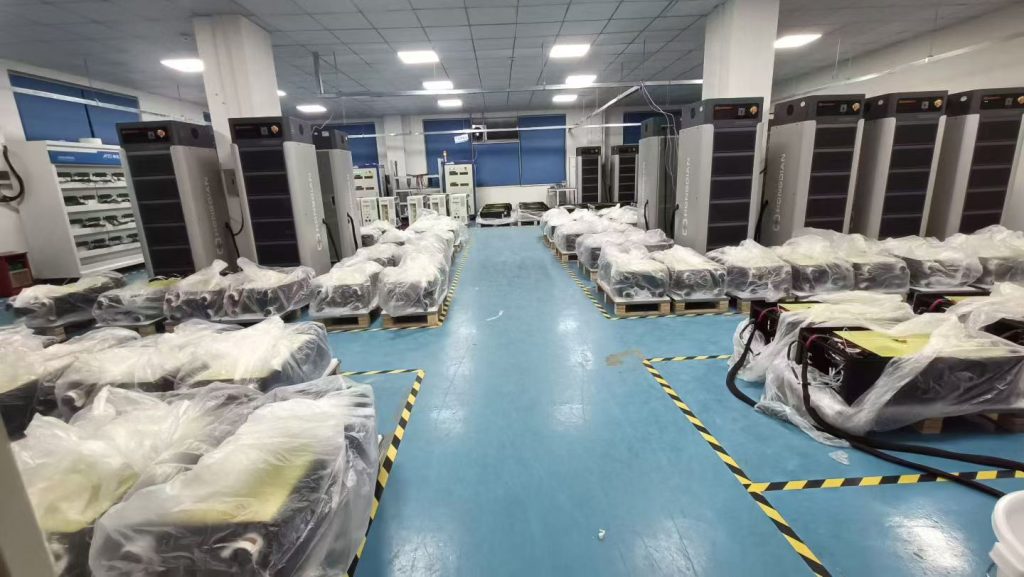
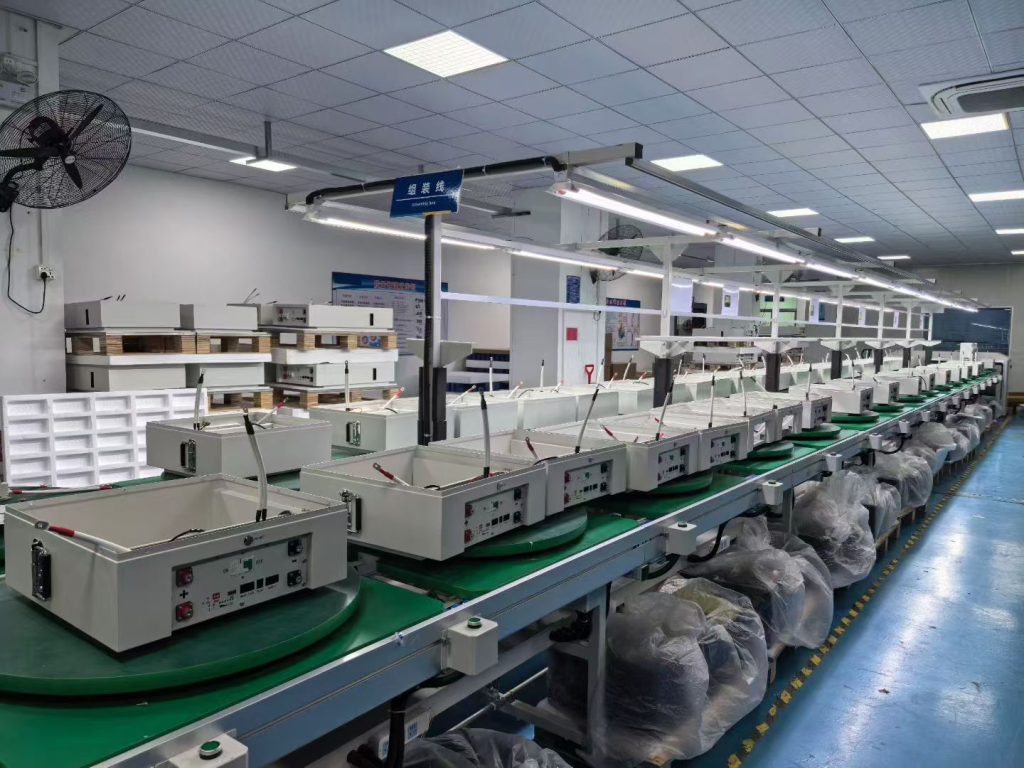
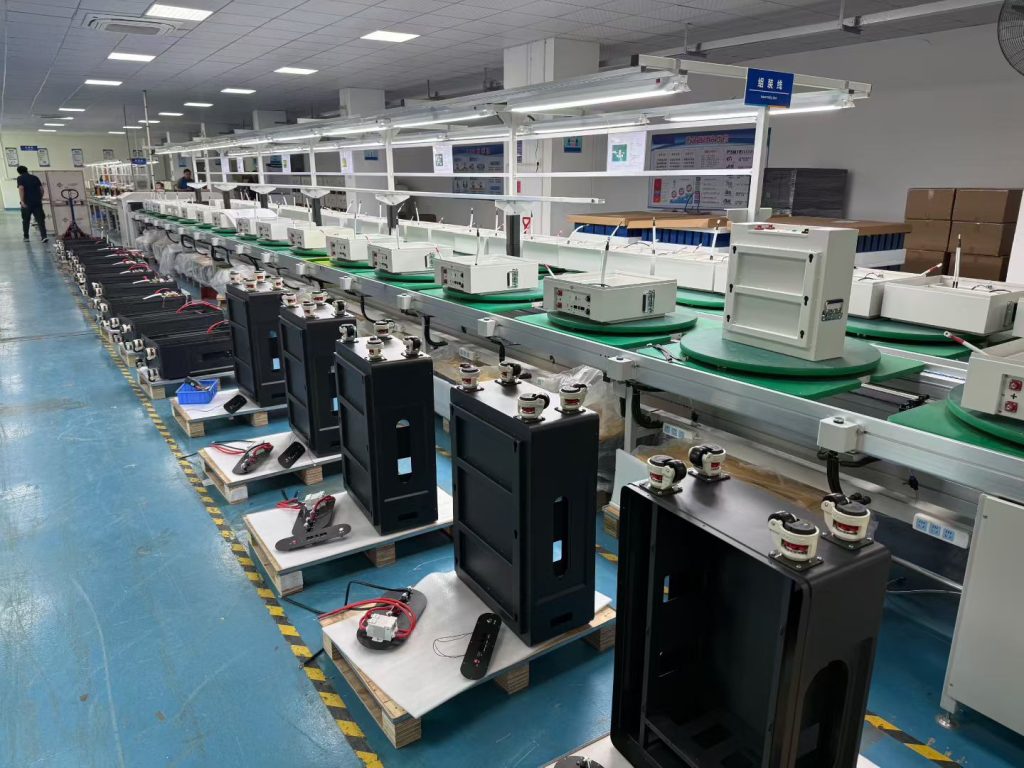
Mass Production: Automated lines assemble the packs, followed by rigorous QC and packaging.
| Topic | The Engineering of Energy Autonomy: Custom Home ESS Supply Chain |
|---|---|
| Focus | An in-depth analysis of the technical, safety, and commercial aspects of sourcing custom home energy storage systems from China. |
| Key Themes | Battery chemistry (LFP/NMC), BMS architecture, inverter integration, global certification standards, thermal management, and software-defined energy control. |
| Target Audience | Renewable energy startups, electrical equipment distributors, product managers, and R&D directors navigating the residential storage market. |
| Objective | To provide a comprehensive framework for evaluating suppliers, ensuring the final product is safe, compliant, scalable, and competitive in the global market. |


No reply content