
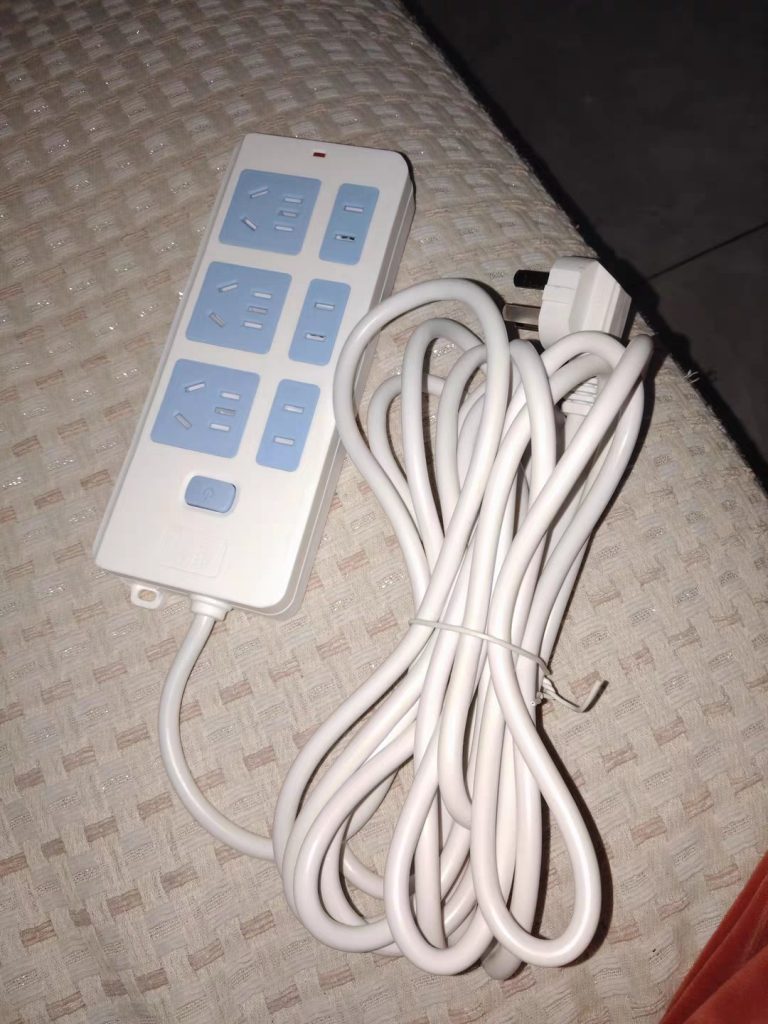
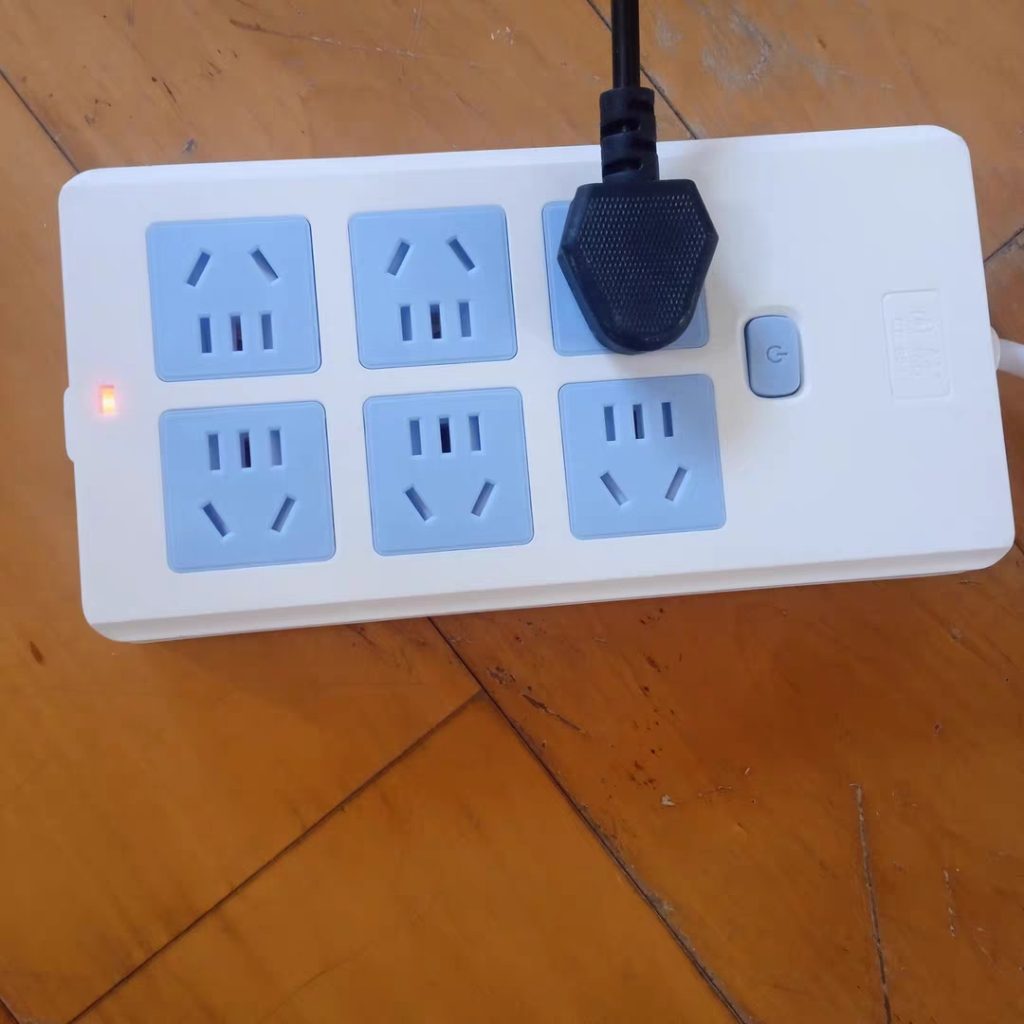
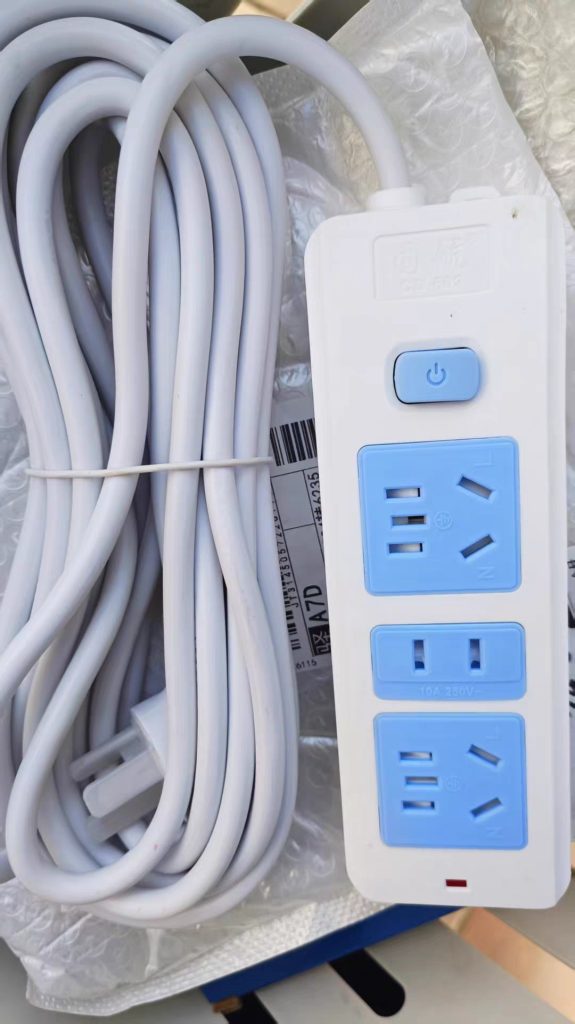
The global demand for reliable power distribution has grown exponentially. As households and offices fill with sensitive electronics—from high-end gaming rigs and smart home ecosystems to essential mobile devices—the humble power strip has evolved. It is no longer just a passive plastic block that multiplies wall outlets; it is now an intelligent, highly engineered safety device.
At the epicenter of this global supply chain is the power strip export industry, which designs and manufactures advanced electrical solutions tailored to meet the strict regulatory frameworks and diverse outlet configurations of every continent.
Advanced Engineering and Global Compatibility
The primary challenge of exporting power strips is navigating the complex landscape of international electrical standards. Specialized export manufacturers do not just swap out plugs; they completely re-engineer the internal architecture of the device to match the destination market:
- North America (NEMA): Units are built to handle 125V systems, utilizing heavy-gauge internal copper busbars and integrated 15A circuit breakers to comply with stringent safety standards.
- Europe (Schuko/UK BS1363): Sockets are designed for 220V–250V configurations, incorporating deep-set socket wells, robust earth/grounding clips, and mandatory child-safety internal shutters.
- Global/Universal: Multi-socket configurations are engineered for hospitality and travel hubs, accepting a wide variety of international plug types safely without loose connections.
Fire Retardancy and Electrical Protection
Safety is the absolute priority in modern power strip manufacturing. Export-grade units are housed in premium engineering plastics, primarily Polycarbonate (PC) or Aerylonitrile Butadiene Styrene (ABS) blends. These materials are treated with specialized flame retardants, allowing them to pass strict glow-wire tests up to 750°C—meaning the housing will self-extinguish rather than fuel a fire if an internal electrical fault occurs.
Internally, the circuitry is designed to shield valuable connected hardware from unpredictable electrical anomalies:
- Surge Protection (MOV Technology): Premium power strips feature multi-stage Metal Oxide Varistors (MOVs). These components act as electrical sponges, absorbing thousands of Joules of excess energy caused by lightning strikes or grid instability, clamping down the voltage before it can fry sensitive microchips.
- Smart USB Integration: Modern units incorporate dedicated printed circuit boards (PCBs) with smart IC chips. These chips detect the optimal charging protocol of connected smartphones, tablets, or laptops, safely delivering high-speed power via USB-A and USB-C Power Delivery (PD) ports without overheating.
Ergonomic Design and Quality Control
The physical design of exported power strips reflects a deep understanding of modern interior spaces. Manufacturers offer space-saving vertical power towers, desk-clamp units for collaborative workspaces, and sleek minimalist designs that blend into home decor. Heavy-duty power cords are wrapped in thick, flexible PVC jackets with pure copper wiring to minimize electrical resistance and prevent dangerous heat buildup during maximum load operations.
Frequently Asked Questions (FAQ)
1. How do power strip exporters ensure compliance with different national safety regulations?
Exporters design and test their products from the ground up to secure mandatory national certifications before shipping. This includes obtaining UL/ETL certification for the United States and Canada, CE/RoHS for the European Union, UKCA for the United Kingdom, and SAA for Australia. Every component—from the outer plastic shell to the internal copper wiring—undergoes specialized lab testing to meet these regional safety laws.
2. What is the significance of the “Joule Rating” on an exported power strip?
The Joule rating indicates how much energy the power strip’s internal surge protection circuitry can absorb before it degrades. A rating of 400 to 900 Joules is standard for basic home appliances, while premium units designed for expensive home theaters, computers, or office equipment typically offer 1,000 to 3,000+ Joules of heavy-duty protection.
3. What are internal child-safety shutters, and are they standard?
Internal safety shutters are mechanical plastic barriers located inside the live and neutral socket holes. They will only open if equal, simultaneous pressure is applied to both slots—such as when a proper plug is inserted. If a child attempts to stick a hairpin or toy into a single slot, the shutter remains firmly locked, preventing accidental electrical shock. These are mandatory for European and UK markets and are widely adopted as a standard premium safety feature for global exports.
4. How are the products insulated internally to prevent short circuits over years of use?
Unlike cheap power strips that use thin, hand-soldered wires to connect sockets internally, export-grade power strips utilize integrated copper busbars. This means the internal connections are stamped from a single, thick piece of solid copper. This seamless architecture eliminates soldering defects, lowers electrical resistance, prevents loose connections over time, and dramatically reduces the risk of internal short circuits.


No reply content