
In the modern supply chain, the humble plastic bucket is often overlooked. However, for industries ranging from food service to chemical storage, the integrity of a 5-gallon pail is the difference between operational success and a costly environmental disaster.
As a premier manufacturer of household and industrial plastic pails, our facility operates at the intersection of material science and high-speed automation. This article explores the rigorous standards, innovative processes, and sustainability initiatives that define world-class plastic manufacturing in 2026.
1. The Foundation of Quality: Material Selection and Polymer Science
The “Experience” (E) in E-E-A-T begins with understanding that not all plastics are created equal. A bucket used for storing organic flour requires vastly different properties than one used for industrial lubricants.
High-Density Polyethylene (HDPE) & Polypropylene (PP)
We primarily utilize virgin HDPE and PP resins. HDPE is celebrated for its high strength-to-density ratio and impact resistance, making it ideal for heavy-duty stacking.
- Virgin Resin: Ensures molecular consistency and compliance with FDA food-safety standards.
- Masterbatch Integration: Our proprietary color-mixing process ensures UV resistance, preventing the plastic from becoming brittle when exposed to sunlight (photo-degradation).
2. Advanced Manufacturing: The Injection Molding Process
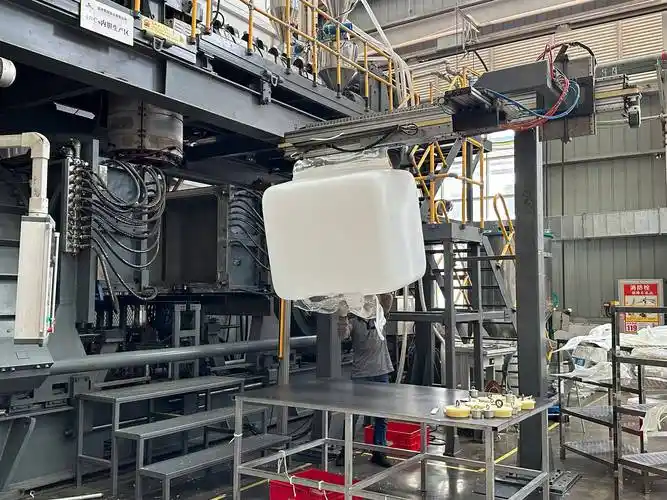
Our factory utilizes state-of-the-art Injection Molding technology. Unlike blow molding, injection molding allows for tighter tolerances, reinforced ribs, and consistent wall thickness—critical factors for vertical stacking strength.
The Technical Workflow:
- Plasticization: Raw resin pellets are heated to a precise molten state.
- High-Pressure Injection: The molten polymer is injected into a CNC-machined steel mold at pressures exceeding 20,000 PSI.
- Cooling and Solidification: A specialized water-cooling circuit within the mold ensures the bucket sets rapidly without warping.
- Robotic Ejection: Automated arms remove the product to maintain a sterile environment and prevent human-handling defects.
3. Engineering for Durability: Design Features
”Expertise” (E) is demonstrated in the subtle design choices that the average consumer never notices but every logistics manager appreciates.
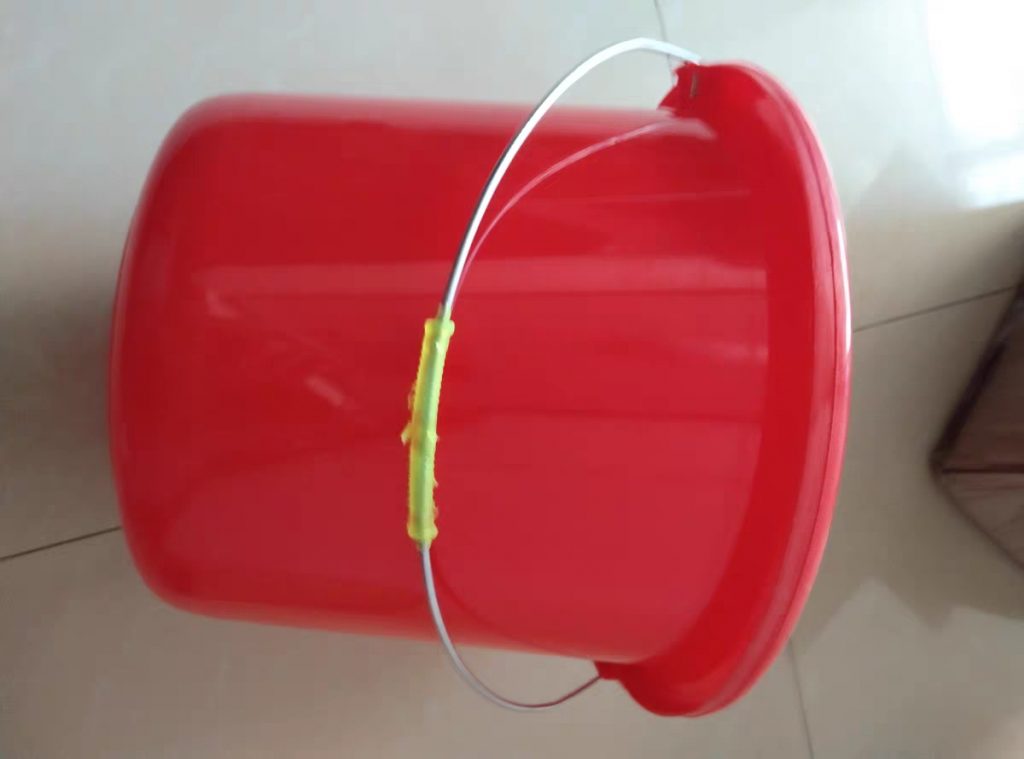
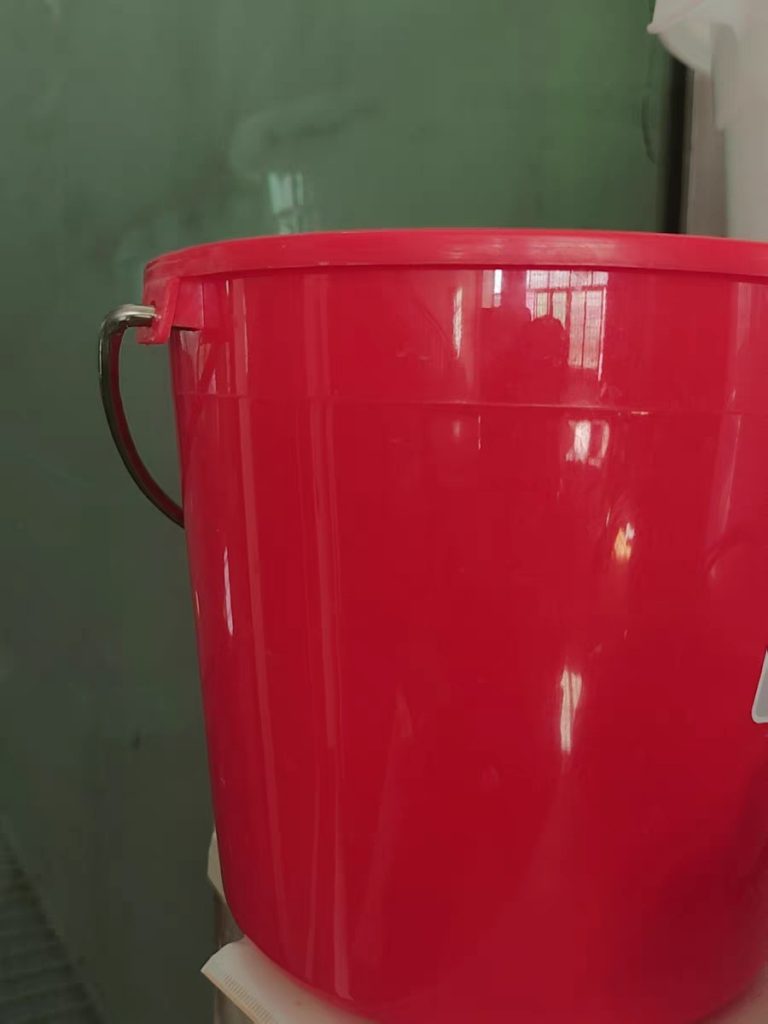
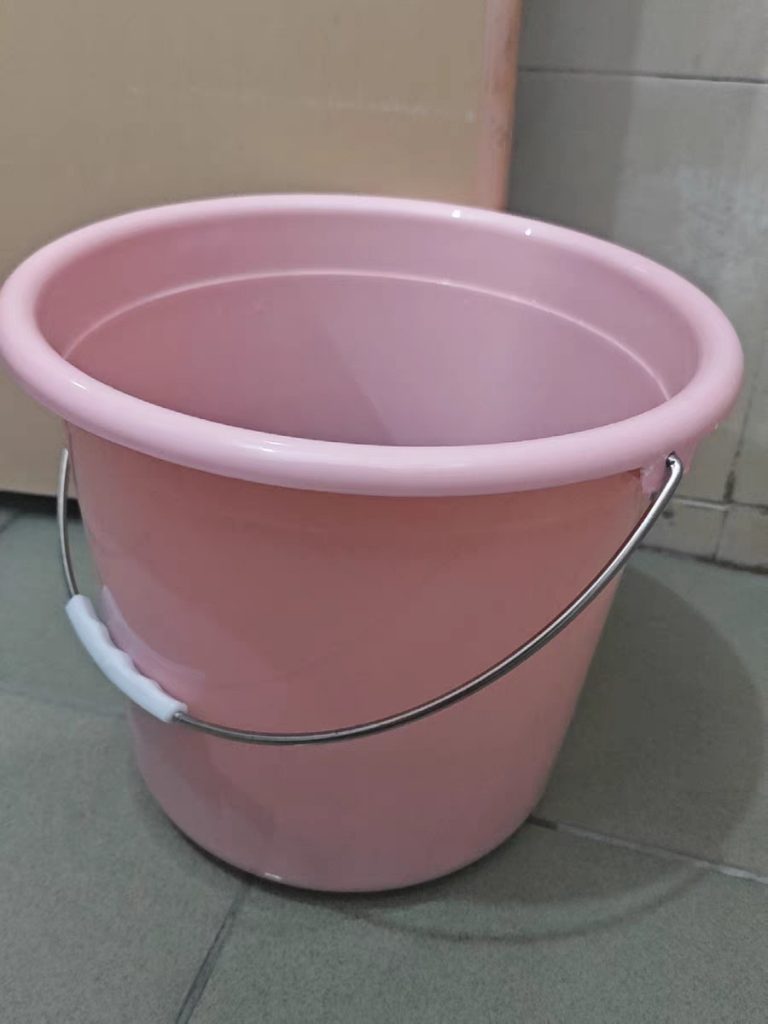
- Reinforced Top Rims: Our buckets feature a multi-ribbed “hoop” design at the top to prevent “egging” (deforming into an oval shape) when carrying heavy loads.
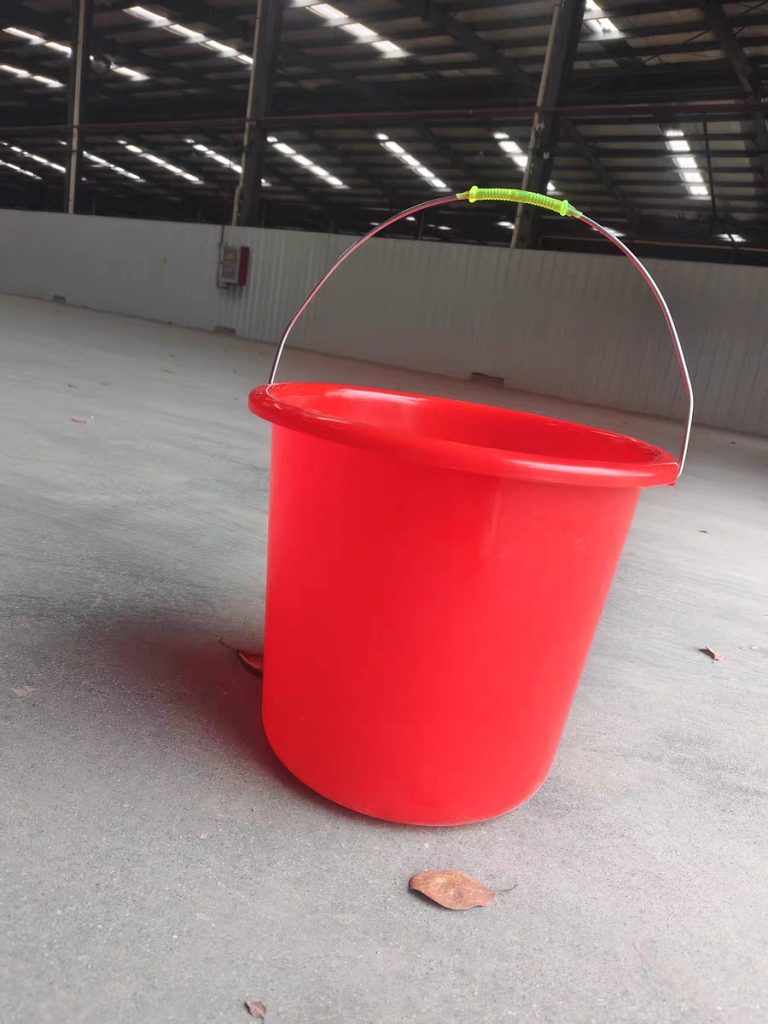
- Tapered Walls: Precision-engineered nesting allows for maximum shipping efficiency, reducing the carbon footprint of logistics.
- Gasket Integrity: For our sealed containers, we use EPDM or Silicone gaskets that ensure a 100% airtight seal, vital for preserving the shelf life of household chemicals or food products.
4. Quality Assurance and Testing Protocols
To establish Authoritativeness (A) and Trustworthiness (T), our products undergo a battery of “torture tests” before leaving the factory floor.
|
Test Type |
Objective |
Standard Met |
|---|---|---|
|
Drop Test |
Dropping a filled bucket from 1.8 meters. |
UN Rating Compliance |
|
Stacking Test |
Applying 500kg of pressure for 48 hours. |
ISO 9001:2015 |
|
Hydrostatic Test |
Testing seal integrity under internal pressure. |
ASTM D1973 |
|
Migration Test |
Ensuring no chemical leaching into food. |
FDA |
5. Sustainability: The Future of Plastic Production
In 2026, a manufacturer’s “Trustworthiness” is inextricably linked to their environmental impact. We are committed to a Circular Economy.
Post-Consumer Recycled (PCR) Options
We offer a specialized line of buckets made from up to 50% PCR plastic. These are ideal for non-food applications (like paint or hardware), significantly reducing the demand for new fossil-fuel-based resins.
Zero-Waste Manufacturing
Our facility employs “closed-loop” recycling. Any “flash” or rejected units are immediately reground and reintroduced into the production cycle, ensuring zero plastic waste leaves our factory gates.
6. Customization and Branding (IML Technology)
We offer In-Mold Labeling (IML). Unlike traditional stickers that peel or screen prints that scratch, IML fuses the label directly into the bucket wall during the molding process. The result is a high-definition, waterproof, and permanent branding solution that elevates the product’s shelf presence.
Frequently Asked Questions (FAQ)
Q: Are your plastic buckets BPA-free?
A: Yes. All our household and food-grade buckets are manufactured using BPA-free HDPE and PP resins, ensuring they are safe for long-term storage of consumables.
Q: What is the maximum stacking height for your 20-liter pails?
A: Our heavy-duty series is engineered to be stacked up to 3 pallets high when filled (approx. 450kg of bottom-load pressure), provided the temperature remains below 40°C.
Q: Can you produce buckets in custom Pantone colors?
A: Absolutely. We use computer-controlled dosing systems to match any Pantone color code, ensuring brand consistency across large production runs.
Q: How do you ensure the handles don’t break under heavy loads?
A: We offer both high-tensile galvanized steel handles and heavy-duty plastic ergonomic grips. Our handle attachment points are reinforced with extra wall thickness to prevent “pull-through” failure.
Q: Do you provide UN-rated containers for hazardous materials?
A: Yes, we have a specific line of certified containers that meet UN standards for the transport of certain dangerous goods, complete with the required embossed markings.
Conclusion: Partnering with a Leader
Manufacturing plastic buckets is a game of precision. By combining high-grade materials, advanced injection molding, and a rigorous QA framework, we provide the “bones” of your product’s packaging.
Would you like me to generate a detailed Technical Specification Sheet or a Quality Control Checklist tailored to your specific bucket dimensions?


No reply content