3D Printer Suppliers in Shenzhen China
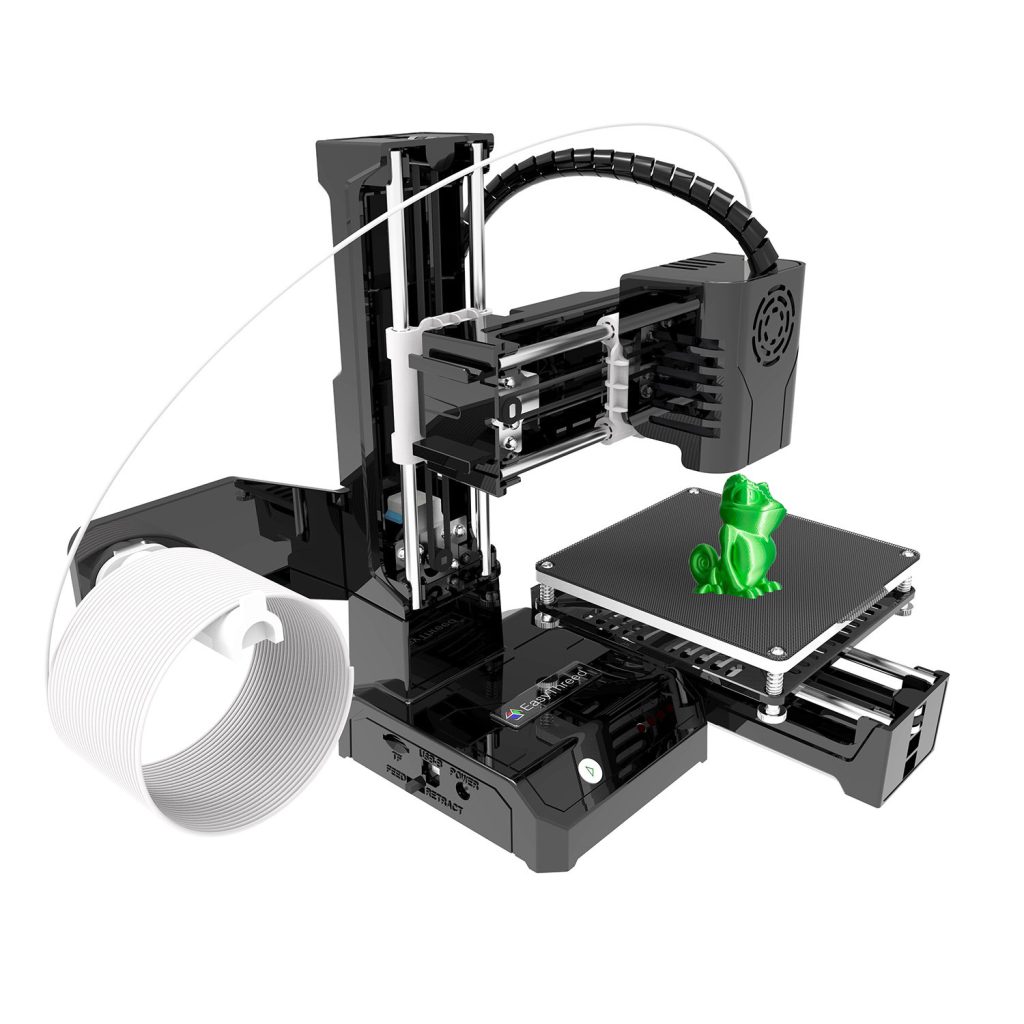
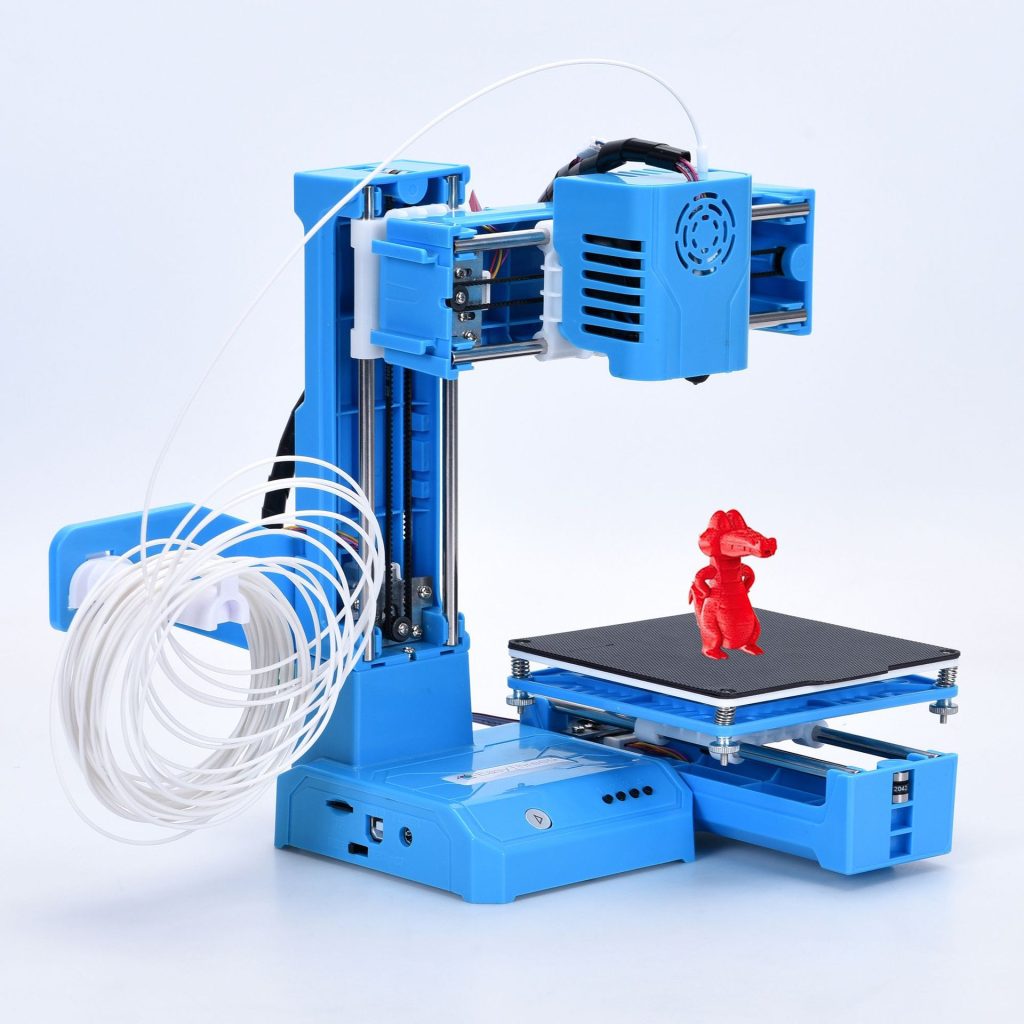
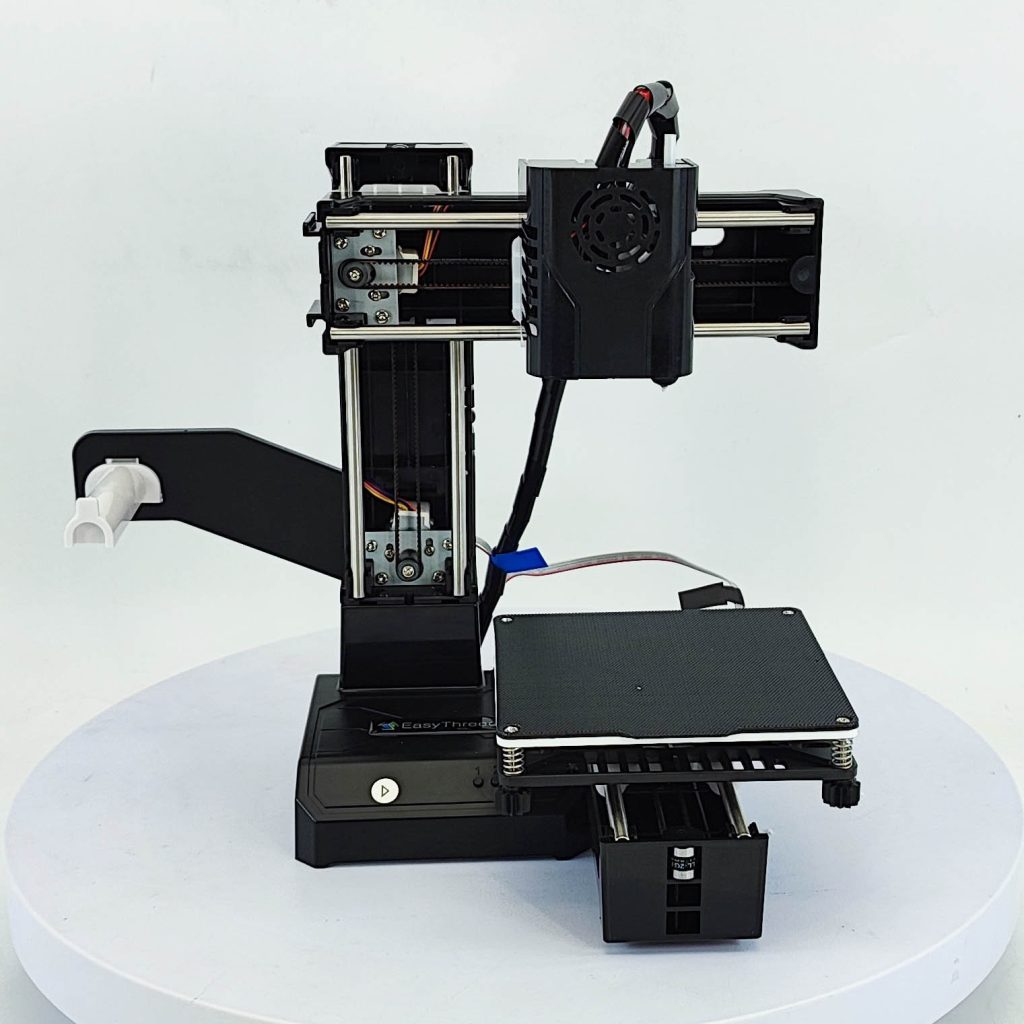
In the domain of additive manufacturing, there is a persistent misconception that larger build volumes equate to higher professional value. However, for a significant segment of the market—including educational institutions, desktop engineers, and small-scale product designers—the opposite is often true. The true measure of a desktop FDM 3D printer lies not in its size, but in its stability, safety, and the efficiency of its thermal management within a confined space.
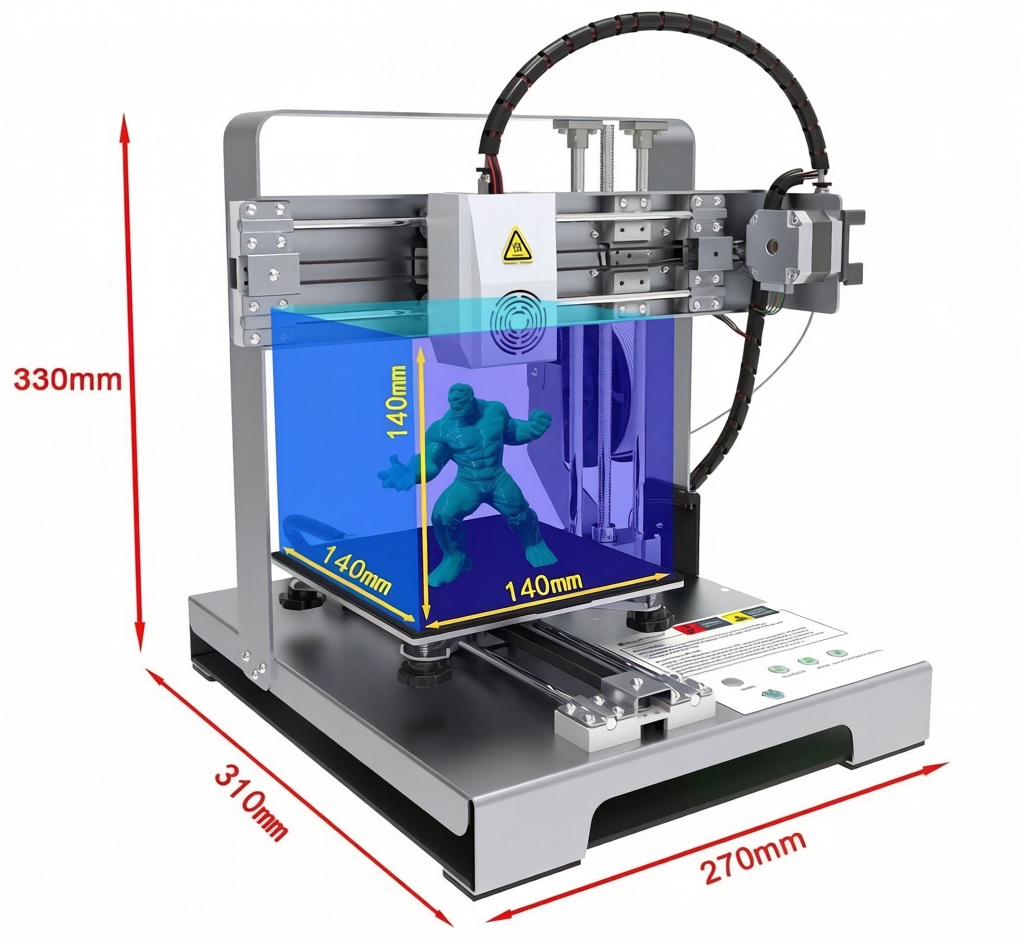
This analysis focuses on the engineering rationale behind a specific class of desktop FDM printers characterized by a 140×140×140mm build envelope. This dimension is not an arbitrary limitation; it is a deliberate design choice that optimizes the relationship between mechanical footprint and thermal consistency.
1. Thermal Stability and Mechanical Rigidity
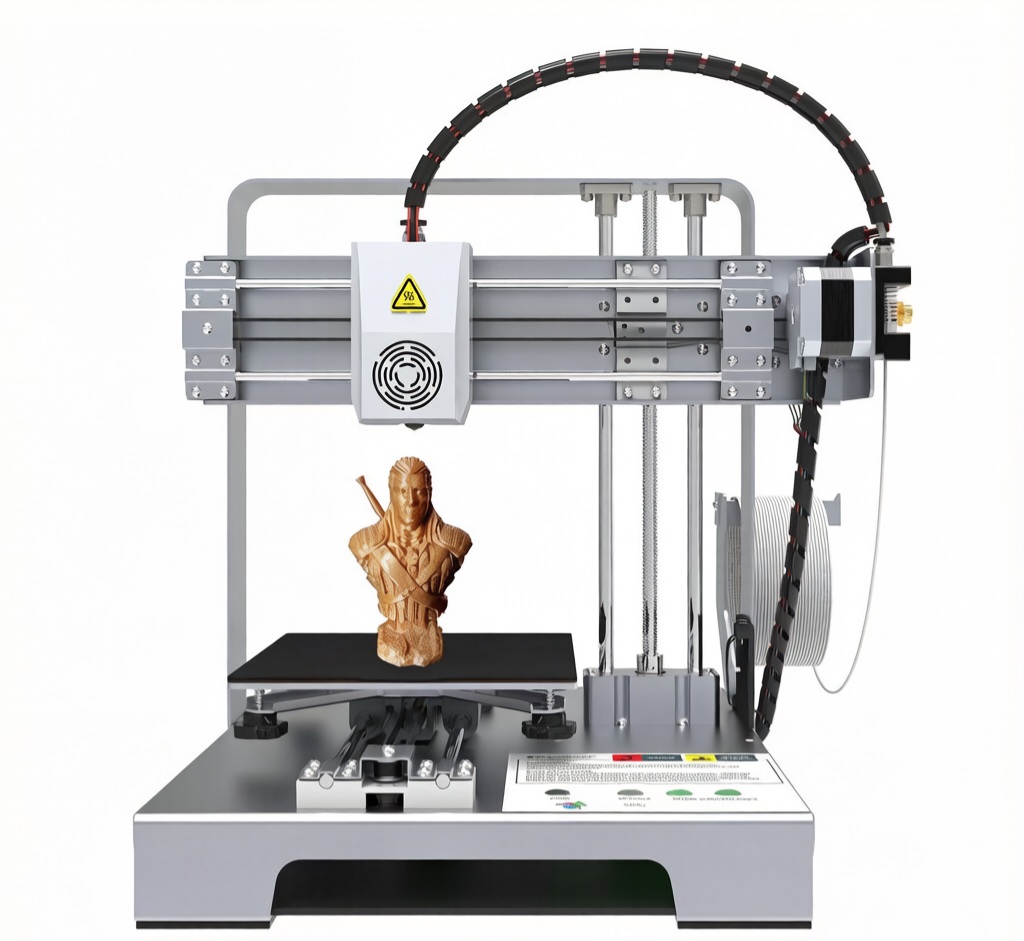
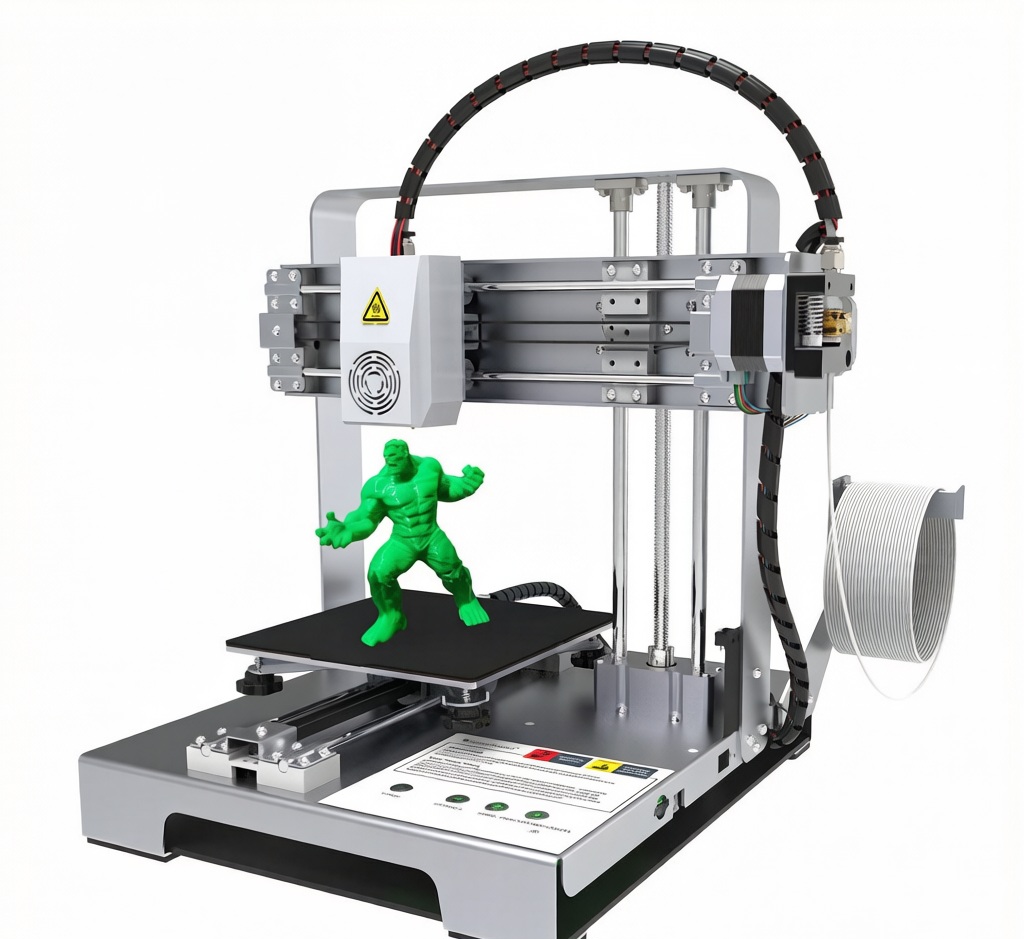
The core advantage of a 140mm cubic build volume is the reduction of thermal inertia. In FDM printing, layer adhesion and dimensional accuracy are highly dependent on maintaining a stable chamber temperature. Unlike large-format machines that struggle with heat loss at the edges of the print bed, this compact form factor allows the heated bed to rapidly saturate the internal environment. The transparent acrylic enclosure serves a dual purpose: it provides visual access for monitoring while acting as a thermal barrier to prevent drafts, which are the primary cause of warping in materials like ABS and PETG.
Furthermore, the reduced cantilever length of the X-axis gantry minimizes Z-axis wobble. With a smaller print area, the stepper motors do not need to overcome excessive inertia, resulting in finer detail reproduction and a higher success rate for intricate geometries.
2. Material Compatibility and Application Scenarios
While the build volume is modest, the material compatibility remains extensive. This machine configuration is engineered to handle standard 1.75mm filament diameters, including:
-
PLA (Polylactic Acid): For low-warp, high-speed prototyping.
-
PETG (Polyethylene Terephthalate Glycol): For functional parts requiring impact resistance.
-
TPU (Thermoplastic Polyurethane): For flexible components, leveraging the short feed path to prevent buckling.
The 140mm limit encourages a “design-for-manufacture” mindset. It is ideal for producing custom jigs, electronic enclosures, scale models, and educational STEM projects where the physical footprint of the final object is inherently small.
3. Safety and Operational Footprint
From an industrial design perspective, the 330mm (H) × 310mm (D) × 270mm (W) external dimensions represent a minimal spatial requirement. This allows the unit to integrate seamlessly into constrained workspaces such as classroom desks, laboratory benches, or office cubicles.
Safety is also enhanced by the enclosure. By isolating the hot end and moving parts from the operator, the risk of accidental contact is mitigated—a critical factor for institutional buyers concerned with compliance and user safety.
Conclusion
The 140×140×140mm Desktop FDM 3D Printer is not merely a scaled-down version of an industrial machine; it is a purpose-built tool designed for precision, safety, and reliability within a specific operational scope. For the buyer seeking consistent output without the spatial overhead of industrial equipment, this configuration represents the optimal balance between capability and practicality.
Technical Specifications Summary:
-
Build Volume: 140 x 140 x 140 mm
-
Overall Dimensions: 330 x 310 x 270 mm (HxDxW)
-
Frame Construction: Powder-coated steel with acrylic enclosure
-
Layer Resolution: Down to 100 microns (0.1mm)
-
Filament Diameter: 1.75mm
-
Connectivity: USB / SD Card / Wi-Fi (Model Dependent)


No reply content